

 English
 中文简体
中文简体 Español
 عربى
عربى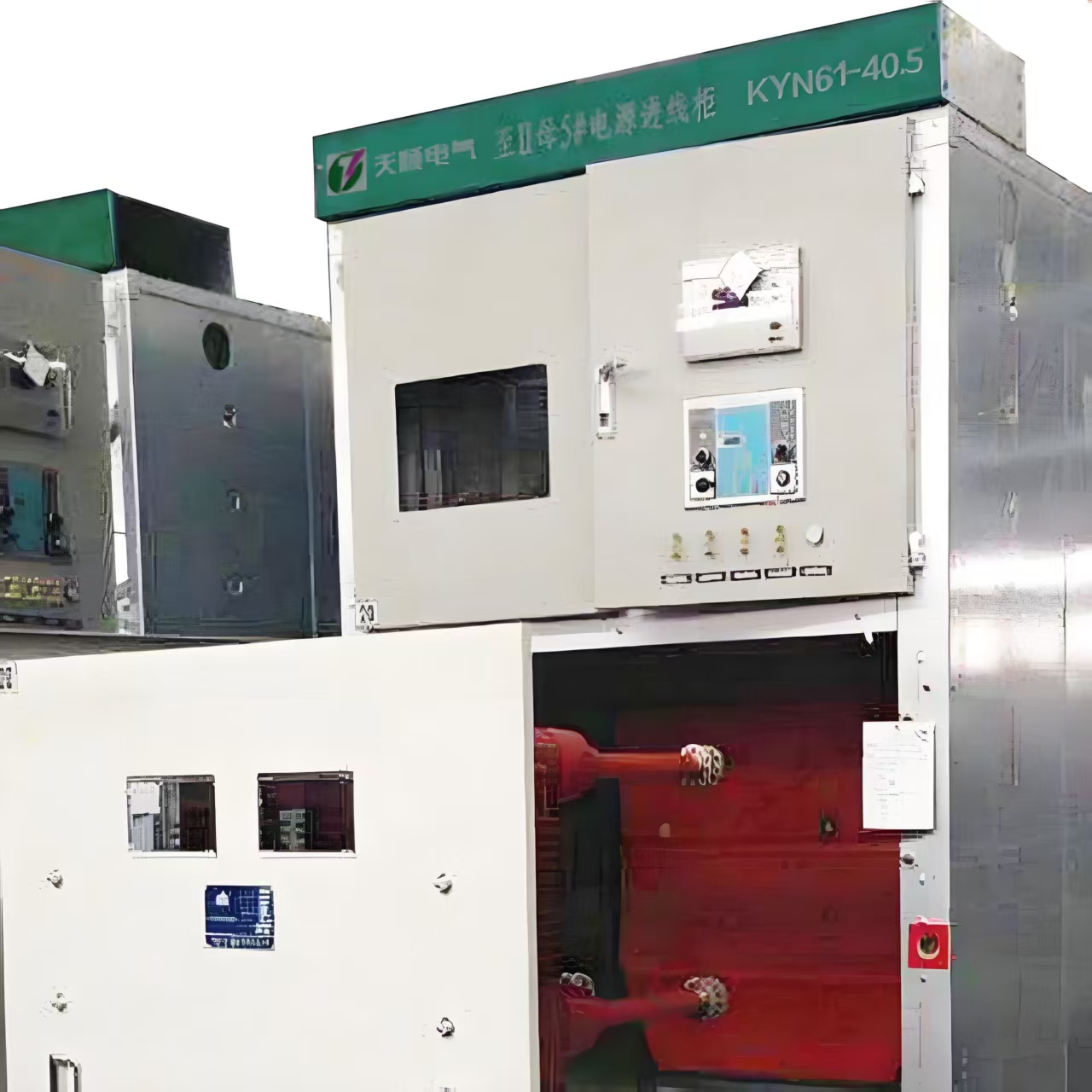
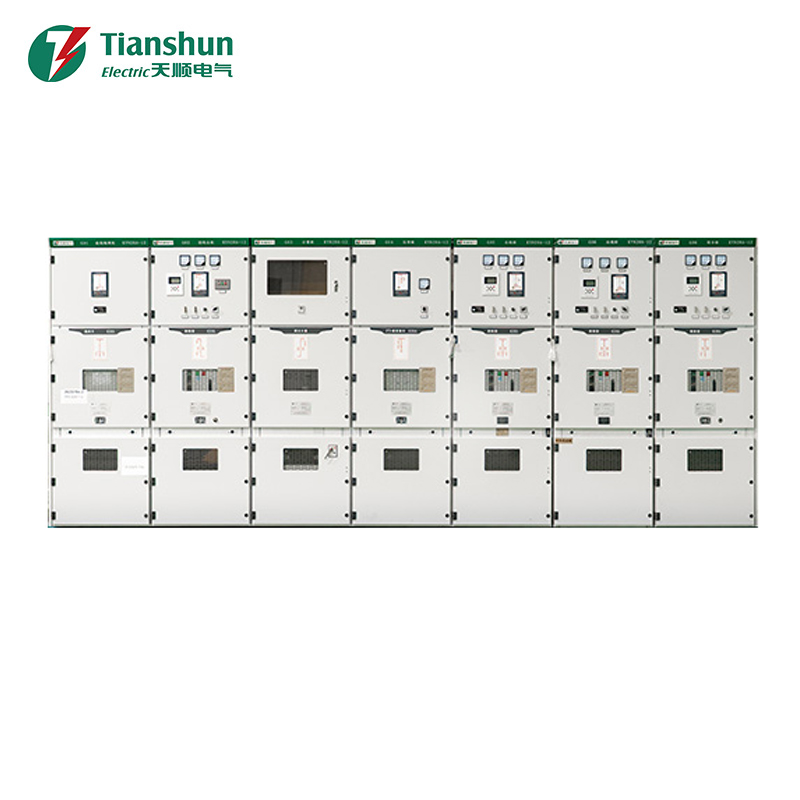
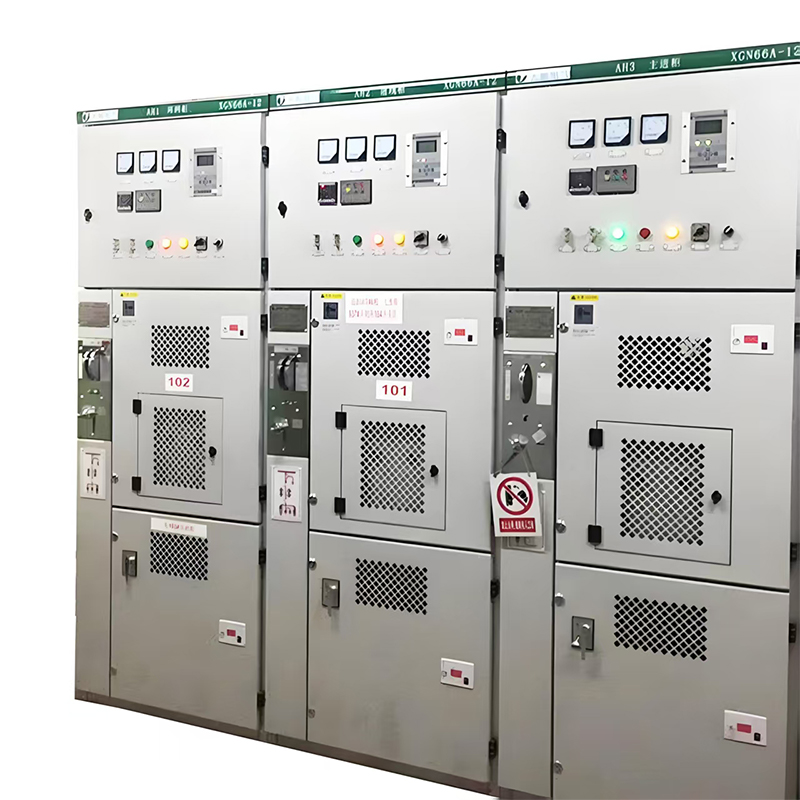
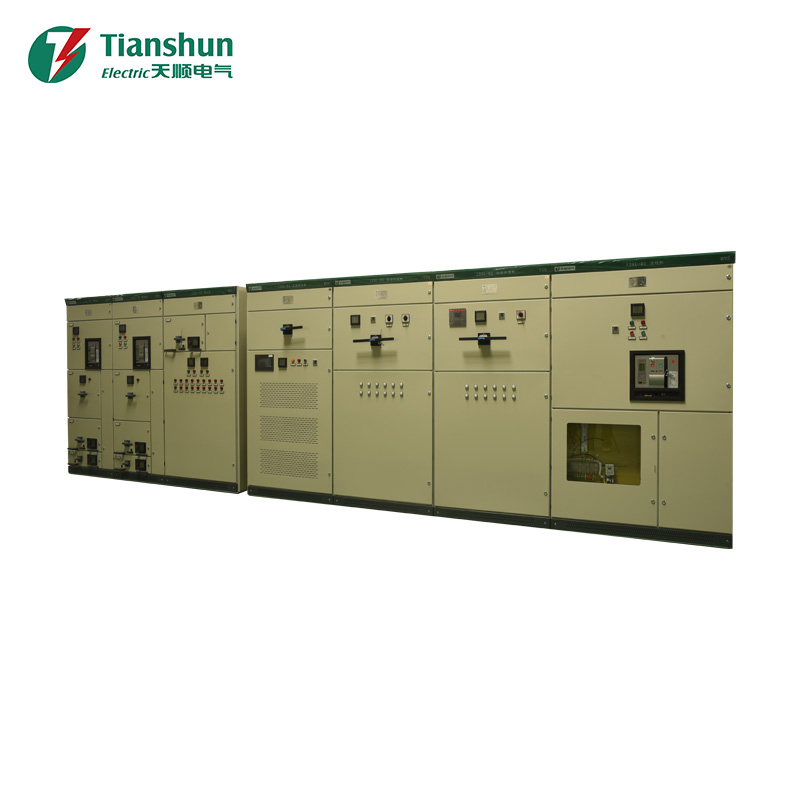

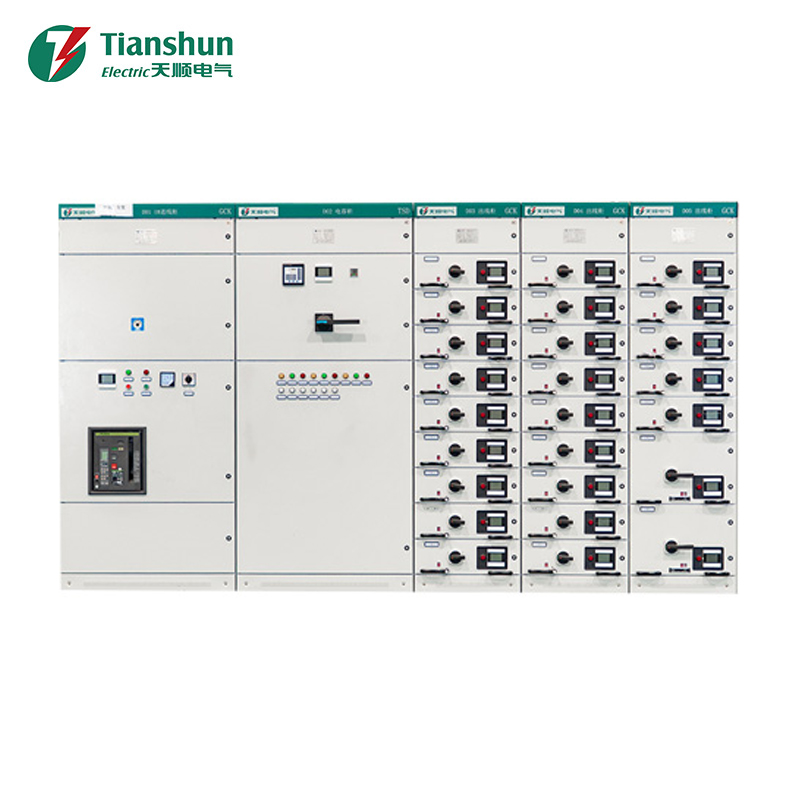
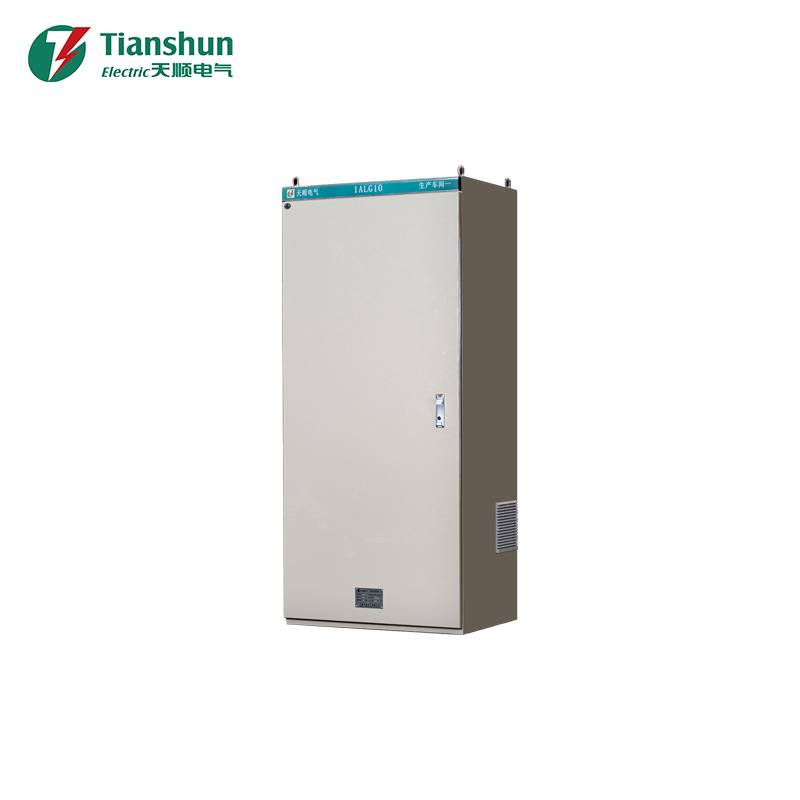

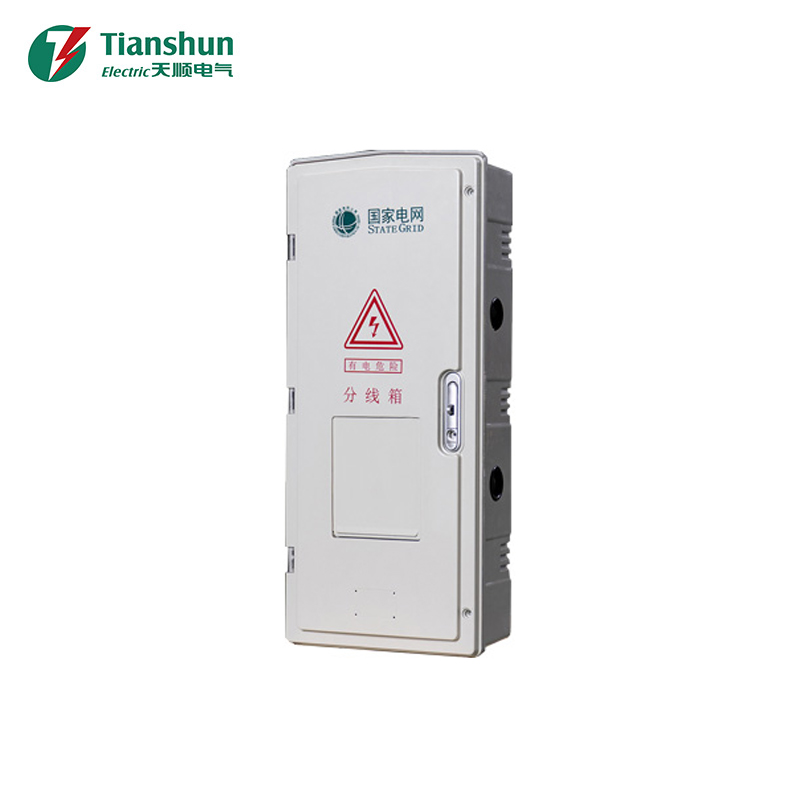
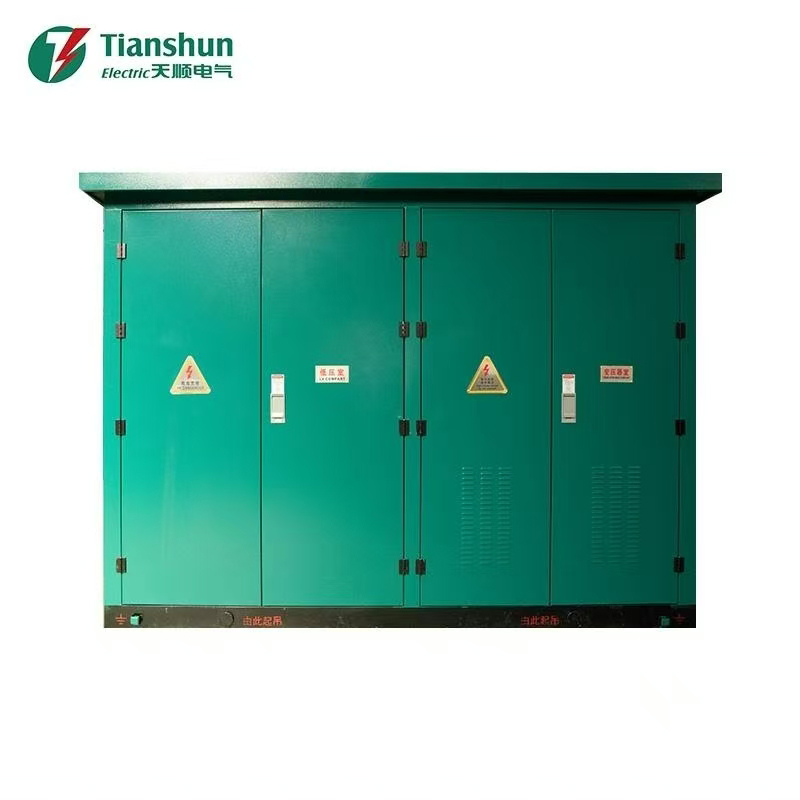
HV and MV Switchgear Differ Mainly in Voltage Class, Insulation Method, and Physical Scale The core difference between HV and MV switchgear is the voltage range each is built to handle: high-voltage ...
READ MORE
 Product Category
High-Voltage Distribution Equipment Supplier
Product Category
High-Voltage Distribution Equipment Supplier
1. Classification Overview
High-voltage distribution equipment refers to devices in the power system that are suitable for voltage levels of 1 kV and above. They are primarily used for the distribution, control, and protection of electrical energy. The core function of this equipment is to ensure the stable and safe distribution of power across different loads and provide rapid protective responses. Common high-voltage distribution equipment includes circuit breakers, isolating switches, load switches, distribution transformers, and grounding switches, based on different functional needs.
2. Application Areas
Power Grid: Ensures the reliable operation of the power system during transmission and distribution, safeguarding the stability of power delivery.
Industry: In sectors such as manufacturing, chemicals, power, and metallurgy, it is used to ensure the power supply to equipment and provide electrical control and protection.
Infrastructure Projects: In large construction projects, transportation facilities, etc., ensuring the power supply and safety of buildings and infrastructure.
Energy and Renewable Energy: In new energy projects like wind power, solar power, etc., for efficient power distribution and stable protection.
3. Production and Manufacturing
The production of high-voltage distribution equipment involves precise electrical design and high-quality manufacturing processes. Common manufacturers include industrial enterprises focused on power equipment. The production process strictly follows international and national standards to ensure the equipment's reliability, durability, and safety.
4. Services
The services for high-voltage distribution equipment include installation, commissioning, maintenance, inspection, upgrading, and long-term support. Modern services also include intelligent monitoring and remote diagnostics to improve the operational efficiency and safety of the equipment. Regular inspections and maintenance are key to ensuring the long-term stable operation of the equipment.
5. Advantages
High Safety: Can automatically protect the power system, preventing faults from spreading and ensuring stable system operation.
Strong Stability: High-voltage distribution equipment has good resistance to interference and durability, making it suitable for various complex environments.
Intelligent: With technological advancements, modern high-voltage distribution equipment increasingly integrates intelligent monitoring and control systems, enabling remote monitoring and fault prediction.
Energy-efficient: Through rational distribution and intelligent control, the efficiency of electrical resource use can be significantly improved, reducing energy waste.
Easy Maintenance: Equipped with intelligent diagnostic and automatic fault clearance systems, reducing manual intervention and equipment downtime.
Product Category
Low-Voltage Distribution Equipment Supplier
1. Category Overview
Low-voltage distribution equipment refers to the complete electrical systems that perform functions such as energy reception, distribution, control, protection, monitoring, and reactive power compensation in electrical systems with alternating current up to 1000V. As a key terminal element in power distribution systems, low-voltage distribution equipment is directly connected to the user's electrical devices, ensuring safe and efficient power distribution and the stable operation of electrical equipment. Common types of low-voltage distribution equipment include distribution boxes, circuit breakers, contactors, relays, fuses, switches, transformers, and distribution panels.
2. Application Areas
Residential and Commercial Buildings: Low-voltage distribution equipment is widely used in electrical supply and distribution for residential communities, shopping malls, office buildings, etc.
Industry and Manufacturing: In factories, mines, metallurgy, chemicals, and other industrial sectors, it ensures the safe operation and power connection of production equipment.
Transportation and Infrastructure: In transportation systems such as railways, subways, airports, and public facilities, it provides stable power support.
Renewable Energy: Solar, wind, and other renewable energy projects are used for power connection and reactive power compensation.
3. Production and Manufacturing
The production of low-voltage distribution equipment includes equipment design, manufacturing, and quality control. The production process follows strict international and domestic standards, using high-quality raw materials and precision manufacturing processes to ensure the safety and long-term stability of the equipment. Many manufacturers of low-voltage distribution equipment have adopted automated production lines to improve production efficiency and product consistency.
4. Services
Services for low-voltage distribution equipment include design, installation, commissioning, maintenance, upgrading, and troubleshooting. With the development of intelligent technology, many devices are now equipped with remote monitoring and real-time data collection systems for timely fault diagnosis and resolution. Additionally, regular maintenance and inspections are essential to ensure the long-term safe and stable operation of the equipment.
5. Advantages
High Safety: Low-voltage distribution equipment typically includes comprehensive protection functions such as short-circuit protection, overload protection, and leakage protection, effectively safeguarding electrical devices and users.
Strong Stability: Through reasonable design and material selection, low-voltage distribution equipment is highly resistant to interference and can handle various load fluctuations and environmental changes.
Intelligent and Automated: Modern low-voltage distribution equipment incorporates intelligent monitoring and automated control functions, enabling remote operation and fault prediction, which enhances operational convenience and safety.
Energy Efficient: Rational load distribution and reactive power compensation functions help improve the overall efficiency of the power system and reduce energy consumption.
Easy Maintenance: The equipment supports modular design, making maintenance and replacement easy, and the intelligent diagnostic system makes troubleshooting quicker.
Product Category
Transformation Equipment Supplier
1. Classification Overview
Transformation equipment is important electrical equipment used in power systems for voltage conversion, control, protection, measurement, and distribution of electrical energy. It is commonly applied in power substations and power transmission and distribution systems. Transformation equipment mainly undertakes the task of stepping up or stepping down the high-voltage electrical energy output from power plants and transmitting it safely and stably to various levels of distribution networks, thereby meeting the electricity demands of different users. As an important component of the power system, transformation equipment can effectively improve the efficiency of power transmission and ensure the safety and stability of power grid operation.
2. Application Fields
Power Transmission and Distribution Systems: Transformation equipment is widely used in substations at all levels for voltage conversion, power distribution, and grid protection, and is an important component of power transmission and distribution networks.
Industry and Manufacturing: In large industrial enterprises such as steel, chemical, mining, and manufacturing industries, transformation equipment provides a stable and reliable power supply for production equipment.
Urban Infrastructure: In urban power grids, rail transit, airports, ports, and large public buildings, transformation equipment provides stable power support for critical infrastructure.
New Energy Field: In renewable energy projects such as wind power and photovoltaic power generation, transformation equipment is used to step up electrical energy and connect it to the power grid, enabling efficient transmission of clean energy.
3. Production and Manufacturing
The production of transformation equipment includes multiple stages such as product design, core component manufacturing, complete machine assembly, and quality inspection. The production process strictly follows international power standards and adopts high-quality insulating materials and advanced manufacturing processes to ensure that the equipment has excellent electrical performance and mechanical strength.
With the development of technology, many manufacturing enterprises have introduced automated production lines and intelligent testing systems, effectively improving product consistency, production efficiency, and equipment reliability, thereby meeting the demands of global power engineering projects.
4. Services
The service system of transformation equipment covers multiple stages, including solution design, equipment installation, system commissioning, technical training, operation and maintenance, and equipment upgrading and renovation. To improve the management efficiency of power systems, many modern transformation equipment units are equipped with intelligent monitoring and remote diagnostic systems, which can monitor equipment operating status in real time and promptly detect potential faults. At the same time, through regular inspection and maintenance services, the service life of the equipment can be effectively extended, ensuring the safe and stable operation of the power system.
5. Advantages
Safe and Reliable: Transformation equipment is equipped with comprehensive protection functions such as overload protection, short-circuit protection, and overvoltage protection, effectively ensuring the safety of the power grid and equipment.
Stable Operation: The equipment adopts high-quality materials and advanced design, providing strong anti-interference capability and stable electrical performance.
Intelligent Management: Modern transformation equipment is gradually achieving intelligent and digital management, enabling remote monitoring, automatic control, and data analysis, thereby improving operation and maintenance efficiency.
High Efficiency and Energy Saving: By optimizing voltage levels and power transmission methods, the overall efficiency of the power system is improved, and energy losses are reduced.
Convenient Maintenance: The equipment adopts a modular structural design, making installation, maintenance, and replacement convenient and significantly reducing operation and maintenance costs."
About Us
Ningbo Tianshun Electric Co., Ltd
Ningbo Tianshun Electric Co., Ltd. is a China OEM Electrical Power Distribution Systems Supplier and Intelligent Switchgear Factory, located in Xiangshan Coastal Industrial Park, boasting a superior geographical location and convenient transportation. As a company deeply rooted in the power transmission and distribution industry, we uphold the core values of "Integrity, Innovation, and Excellence." Our team consists of seasoned professionals with over 20 years of industry experience, providing one-stop services covering R&D, production, and after-sales support.
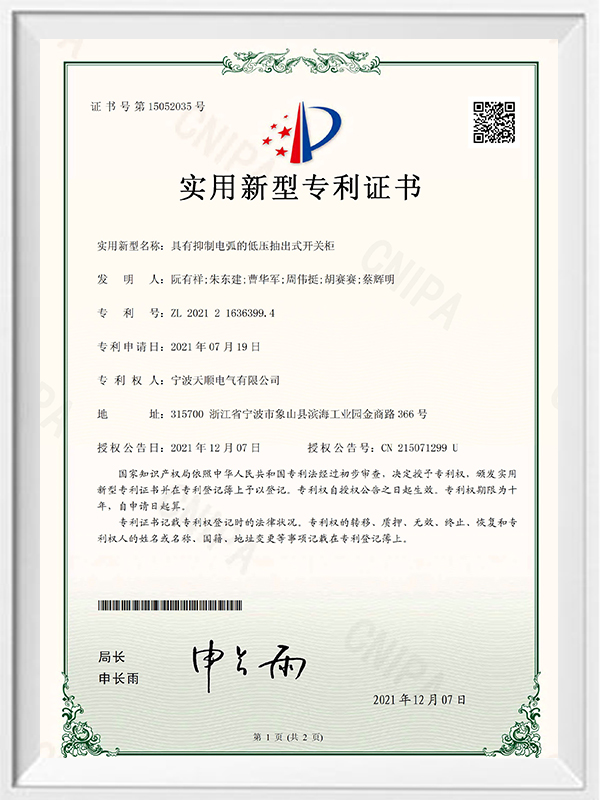
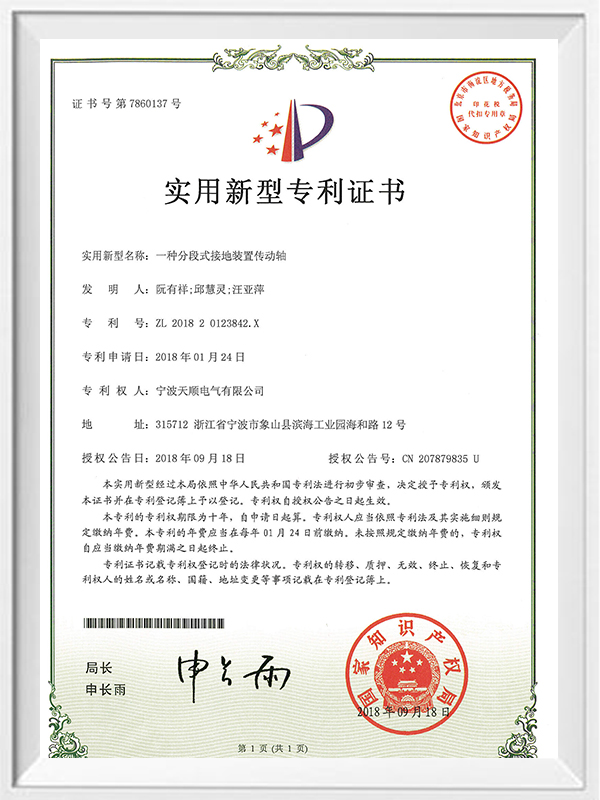
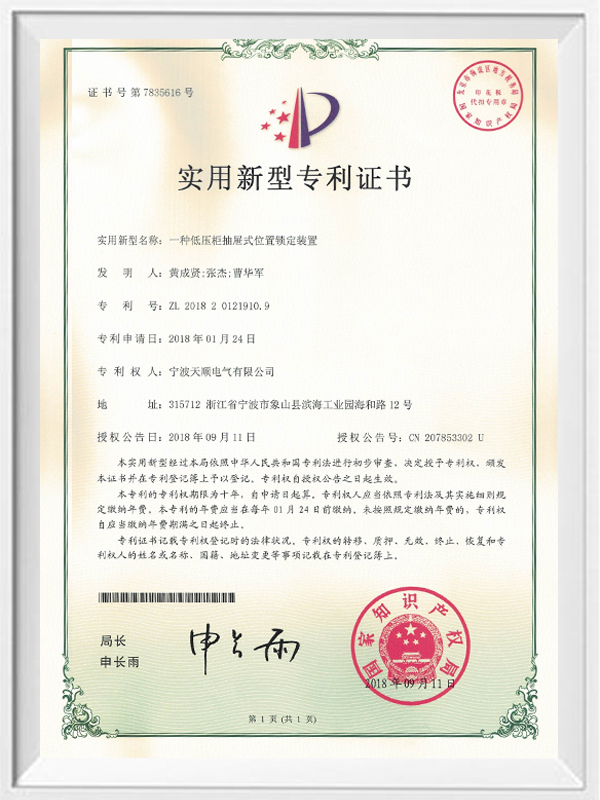
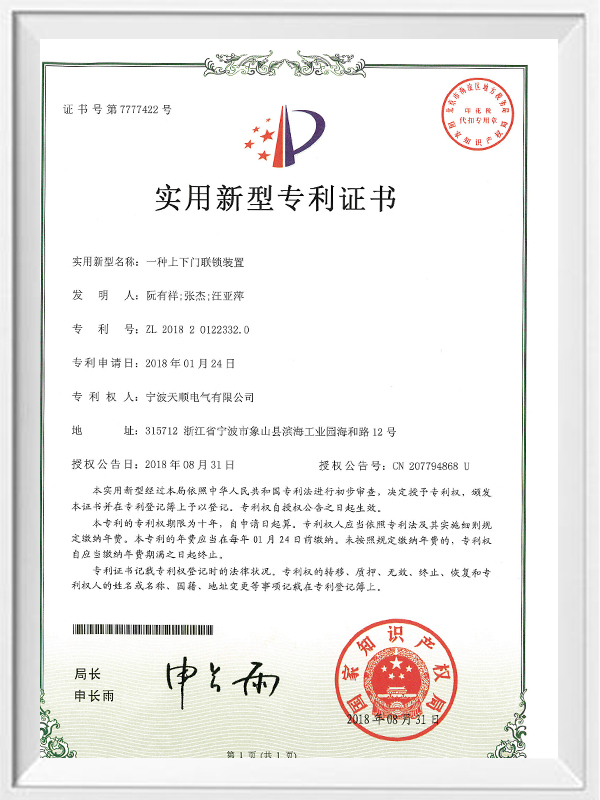
We specialize in a wide range of products, including high- and low-voltage switchgear assemblies and transformers, all of which have obtained multiple authoritative certifications such as CCC and ISO 9001. These products are widely applied across various fields and have earned high recognition from customers. Through technological innovation and standardized operations, we have been honored with numerous accolades, including the AAA-grade "Contract-abiding and Credit-worthy Enterprise" and "Zhejiang High-growth Technology-based SME." We remain committed to manufacturing high-quality, energy-efficient, and eco-friendly power transmission and distribution equipment.
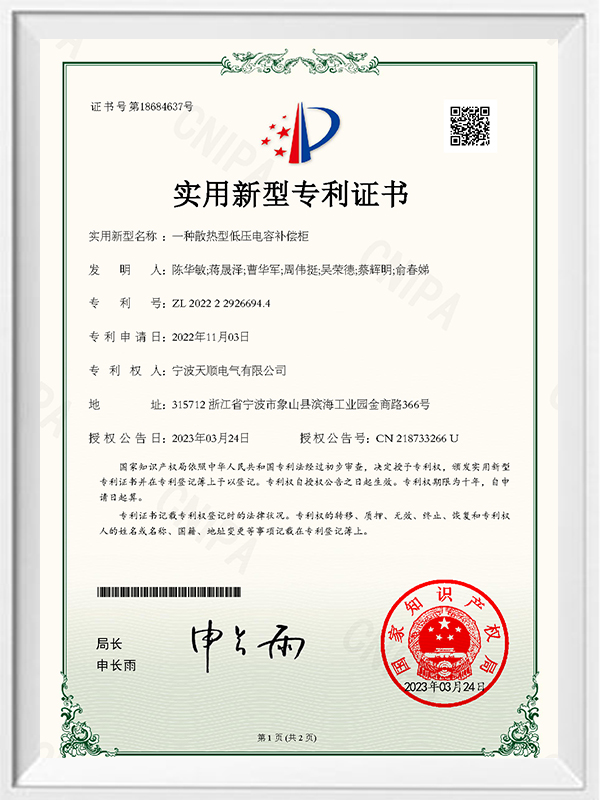
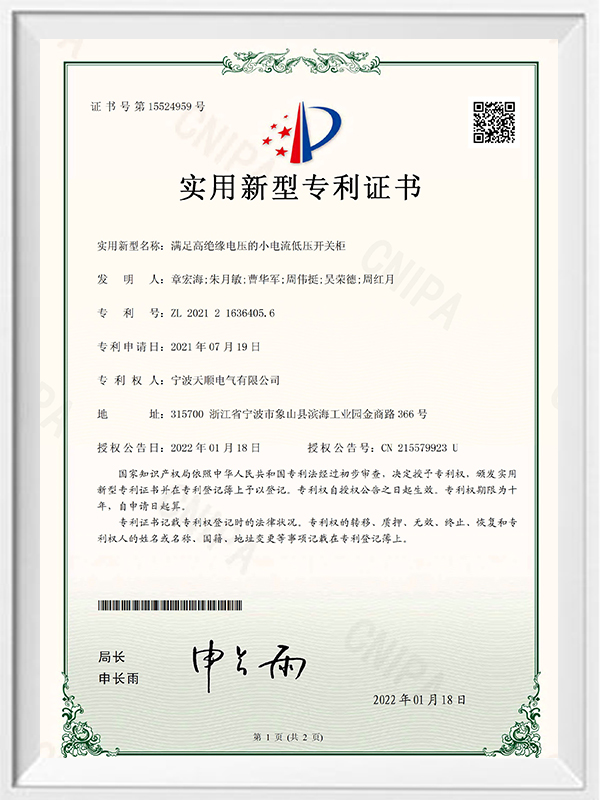
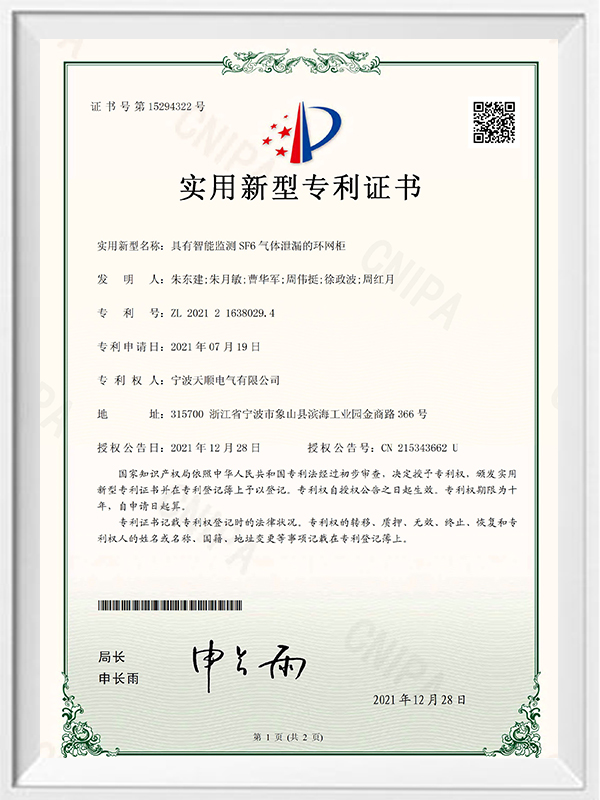
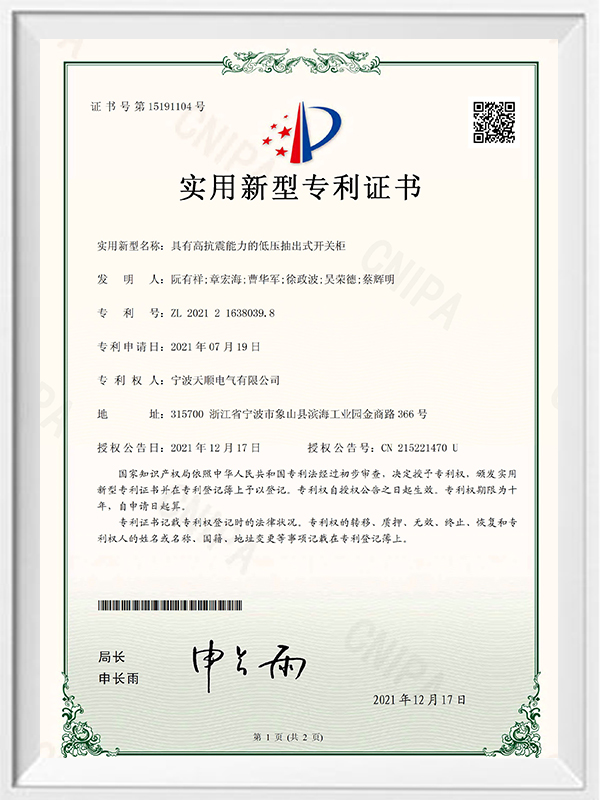
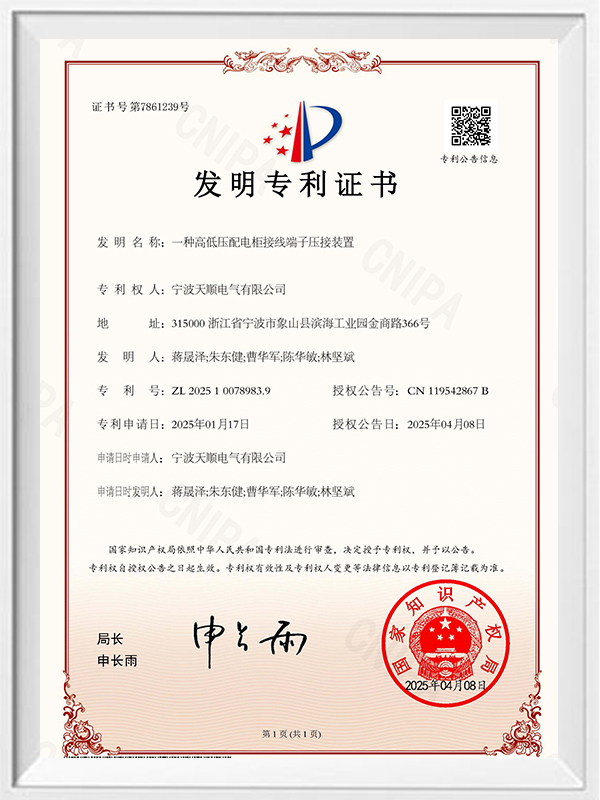
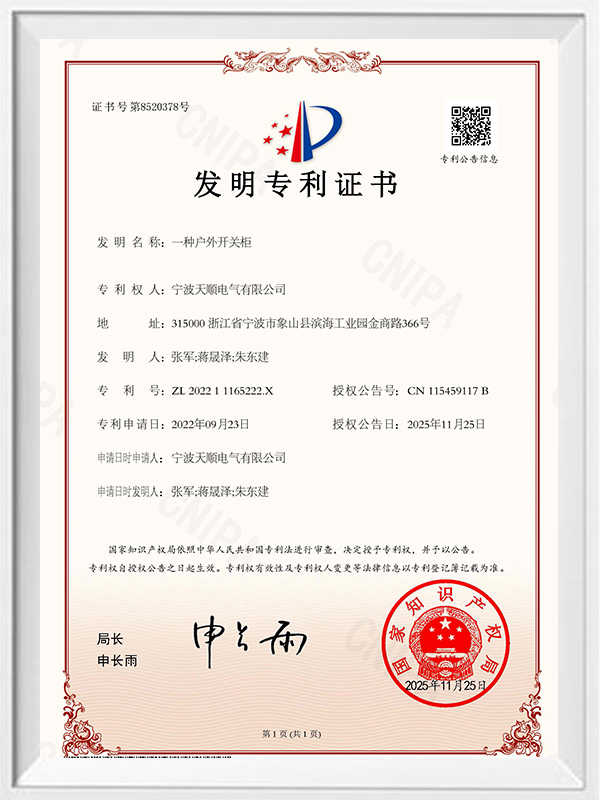
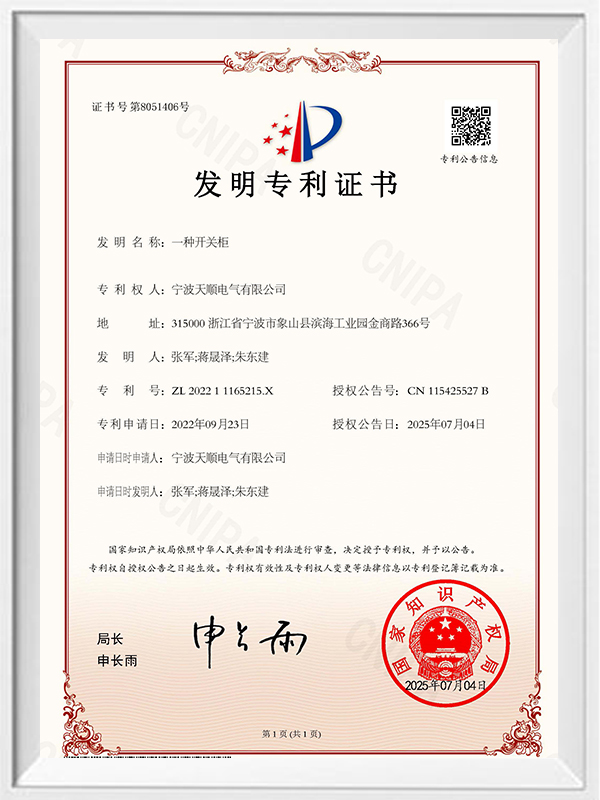
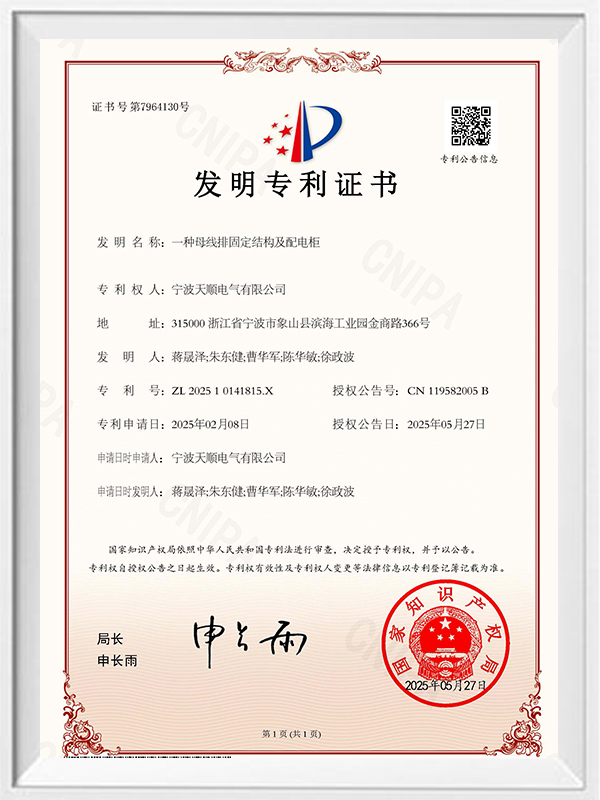
Certificate Of Honor
News
-
-
What Type of Equipment Is a Transformer? A transformer is a category of electrical transformation equipment that changes the voltage of alternating current (AC) power without changing its frequency. ...
READ MORE -
Low Voltage vs. High Voltage Distribution Systems: The Core Difference The main difference between low voltage and high voltage distribution systems comes down to the voltage threshold, equipment des...
READ MORE -
What Is a High-Voltage Distribution System? A high-voltage distribution system is the network of equipment, cables, switchgear, and control devices that carries electrical power from substations to t...
READ MORE
Message Feedback
Products Industry knowledge
What Are Power Distribution Systems
Power Distribution Systems form the critical link between electricity generation and end-use consumption. An Electrical Power Distribution System takes bulk power from substations and delivers it to factories, commercial buildings, and residential areas at usable voltage levels. These systems typically include switchgear, transformers, cables, and protective devices working together to ensure electricity arrives safely and reliably.
Manufacturers with long-term engineering experience in this field understand that a well-designed distribution network must balance safety, efficiency, and cost. Companies rooted in the power transmission and distribution industry, drawing on decades of manufacturing know-how, focus on producing equipment such as high- and low-voltage switchgear assemblies and transformers that meet these practical demands.
Core Advantages of Modern Power Distribution Systems
A properly engineered distribution system delivers measurable benefits across operational, safety, and financial dimensions.
- Improved Reliability: Redundant feeders and protective relays reduce unplanned outages and shorten restoration time.
- Energy Efficiency: Low-loss transformers and optimized cable sizing can meaningfully cut transmission losses over long service periods.
- Scalability: Modular switchgear assemblies allow capacity expansion without a full system overhaul.
- Enhanced Safety: Circuit breakers and fault detection devices isolate faults quickly, protecting both equipment and personnel.
Equipment that has obtained authoritative certifications such as CCC and ISO 9001 provides an added layer of confidence, since compliance with these standards typically indicates consistent manufacturing quality and tested safety performance.
How Power Distribution Systems Work
Primary Distribution
Primary distribution carries medium-voltage electricity, often between 6 kV and 35 kV, from substations toward distribution transformers located near the point of use. High- and low-voltage switchgear assemblies at this stage control, protect, and switch circuits to maintain a stable supply.
Secondary Distribution
After stepping down through transformers, secondary distribution delivers low-voltage power, commonly 220V/380V in many regions, directly to end users. Low-voltage switchgear manages this final stage, ensuring safe metering, load balancing, and protection against overloads or short circuits.
| Stage | Typical Voltage Range | Main Equipment |
|---|---|---|
| Primary Distribution | 6kV–35kV | High-voltage switchgear, transformers |
| Secondary Distribution | 220V/380V | Low-voltage switchgear, meters |
Choosing Reliable Equipment and Support
Because a distribution system operates continuously for years, the manufacturing background of the equipment supplier matters. Ningbo Tianshun Electric Co., Ltd. is one such example, with leadership, sales, technical, and production personnel who have worked in the power transmission and distribution industry for over 20 years, bringing stronger engineering judgment to installation guidance, equipment commissioning, and fault handling. This kind of hands-on experience helps ensure stability and reliability once the system is running in the field.
Recognitions such as the AAA-grade "Contract-abiding and Credit-worthy Enterprise" and provincial "High-growth Technology-based SME" titles are additional indicators worth considering, since they usually reflect sustained investment in technological innovation and standardized operations rather than a single successful project.
Frequently Asked Questions
Q1: What is the main purpose of a Power Distribution System?
Its main purpose is to safely deliver electricity from substations to end users at appropriate voltage levels while protecting the network from faults and overloads.
Q2: How often should switchgear be inspected?
Most industrial facilities schedule switchgear inspections annually, though environments with high humidity or heavy dust loads may require more frequent checks to prevent insulation degradation.
Q3: Why do certifications like CCC and ISO 9001 matter for distribution equipment?
These certifications confirm that products have passed standardized safety and quality testing, which reduces the risk of premature failure and supports long-term operational reliability.
Q4: Can an existing distribution system be expanded later?
Yes, modular switchgear assemblies and transformers are typically designed to allow capacity upgrades without replacing the entire system, which helps control long-term costs.

-
Please feel free to contact us if needed!
Contact Us -
Quick Links
Home About Us Products Applications News Contact -
Contact Us
nbtsdq@163.com +86-15757467313 +86-574-65800646 No. 1, Jiuzhou Road, Xiangshan County, Ningbo City, Zhejiang Province, China -
Get Touch
Copyright © 2026 by Ningbo Tianshun Electric Co., Ltd All Rights Reserved.
OEM Electrical Power Distribution Systems Supplier
Intelligent Switchgear Factory
