

 English
 中文简体
中文简体 Español
 عربى
عربى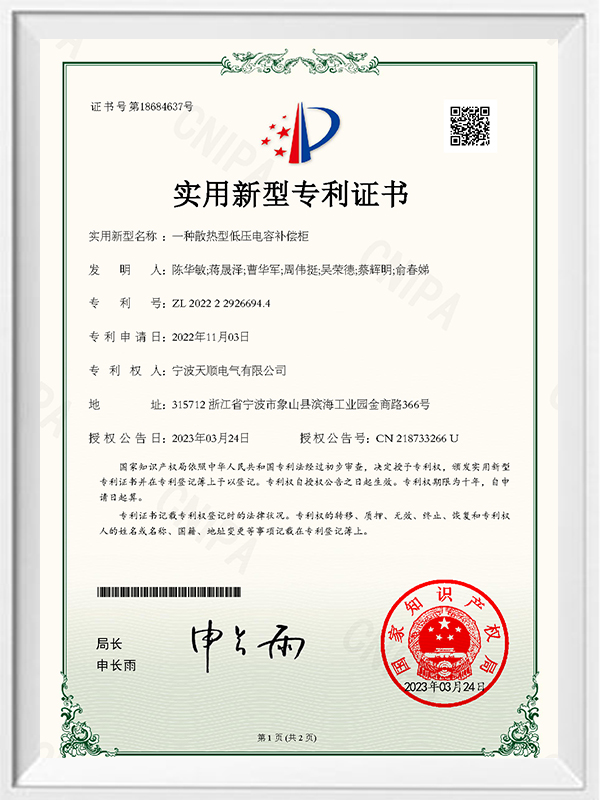
When a 110 kV circuit breaker fails to clear a fault, the consequences do not stay inside the substation fence. Downstream feeders lose supply, the disturbance propagates to neighboring lines, and th...
READ MORE
 Product Category
Power Metering Equipment Factory
Product Category
Power Metering Equipment Factory
1. Category Overview
Power metering equipment is a key component in low-voltage distribution systems, primarily used to measure power consumption, including data such as current, voltage, power, and energy usage. Common types of power metering equipment include smart meters, mechanical meters, power meters, and transmitters. These devices help users and utility companies accurately monitor electricity usage for billing and energy management.
2. Application Areas
Residential Users: Used for measuring household electricity consumption to ensure accurate billing.
Commercial Buildings: Such as office buildings and shopping malls, for monitoring electricity consumption and billing.
Industrial Sector: Used in large factories and production lines to monitor energy consumption and help optimize energy efficiency.
Electricity Companies: Provide electricity usage data to support data analysis, load management, and billing.
Renewable Energy Projects: Such as wind and solar power projects, for measuring electricity production and supply.
3. Production and Manufacturing
Power metering equipment is manufactured by specialized manufacturers, with a focus on high precision, reliability, and stability during production. Leading manufacturers include Schneider, ABB, Chint, and others. The products comply with international power metering standards, ensuring accurate measurement data.
4. Services
Services for power metering equipment include installation, commissioning, data calibration, repair, and maintenance. With the advancement of smart technologies, many power metering devices support remote monitoring and data uploading, allowing users to view real-time electricity consumption and manage their usage remotely.
5. Advantages
Accurate Measurement: High-precision power measurement ensures data accuracy and avoids billing disputes.
Intelligent Features: Supports remote data transmission and real-time monitoring, making it easier for both users and utility companies to manage.
Energy Management: Provides detailed electricity usage data, helping users optimize their power consumption and reduce energy waste.
Ease of Operation: User-friendly interface, simple installation and commissioning, making it convenient for daily use and maintenance.
High Reliability: Designed for high durability, adaptable to various environments and load variations, ensuring long-term stable operation.
information to be updated
About Us
Ningbo Tianshun Electric Co., Ltd
Ningbo Tianshun Electric Co., Ltd. is a China OEM Power Metering Equipment Supplier and Power Metering Equipment Factory, located in Xiangshan Coastal Industrial Park, boasting a superior geographical location and convenient transportation. As a company deeply rooted in the power transmission and distribution industry, we uphold the core values of "Integrity, Innovation, and Excellence." Our team consists of seasoned professionals with over 20 years of industry experience, providing one-stop services covering R&D, production, and after-sales support.
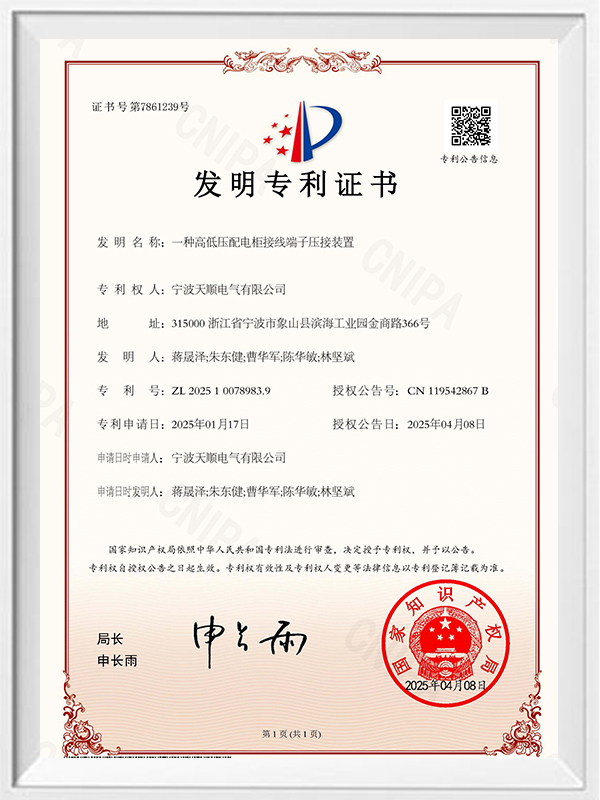
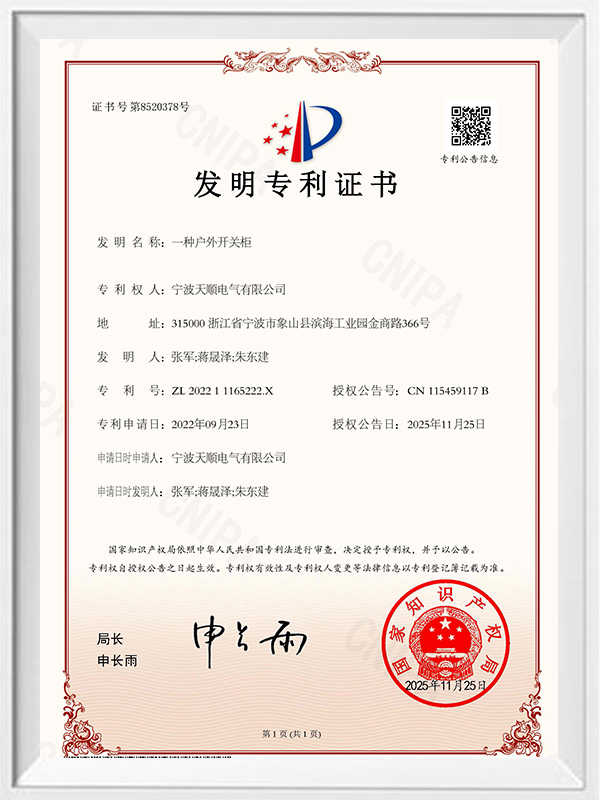
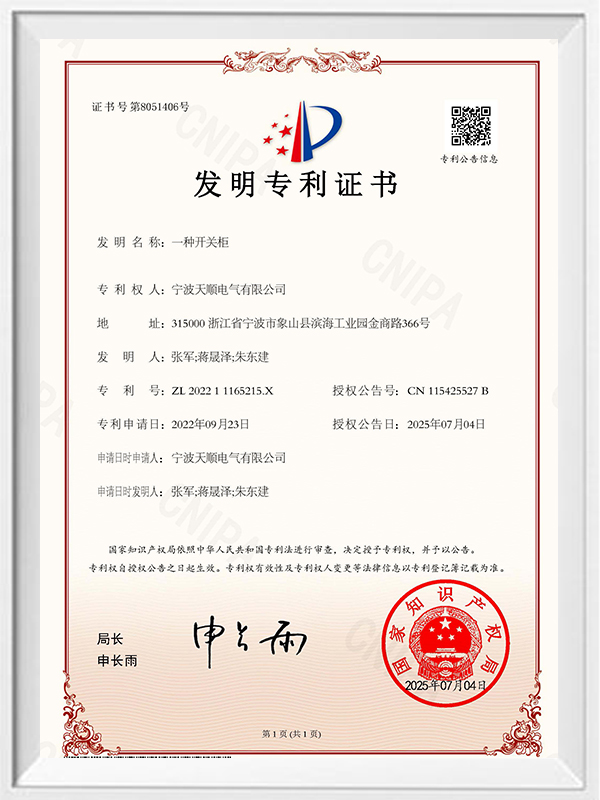
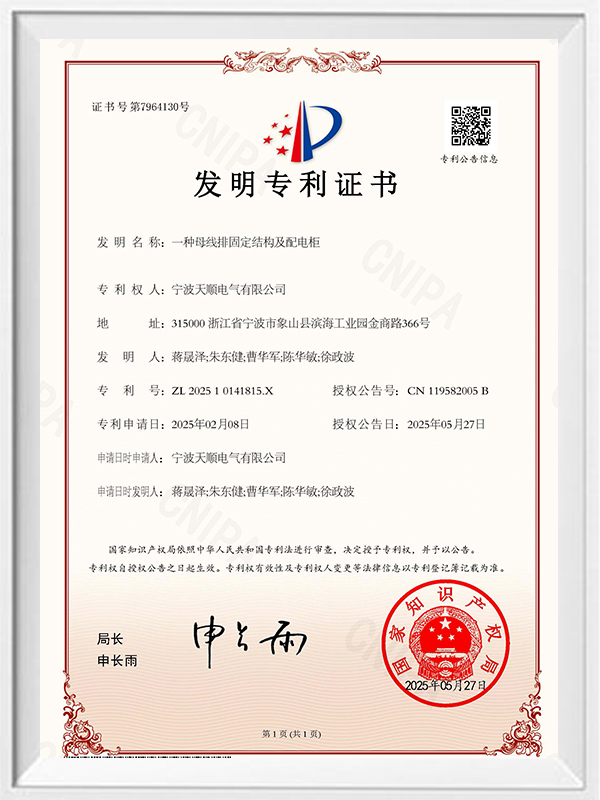
We specialize in a wide range of products, including high- and low-voltage switchgear assemblies and transformers, all of which have obtained multiple authoritative certifications such as CCC and ISO 9001. These products are widely applied across various fields and have earned high recognition from customers. Through technological innovation and standardized operations, we have been honored with numerous accolades, including the AAA-grade "Contract-abiding and Credit-worthy Enterprise" and "Zhejiang High-growth Technology-based SME." We remain committed to manufacturing high-quality, energy-efficient, and eco-friendly power transmission and distribution equipment.
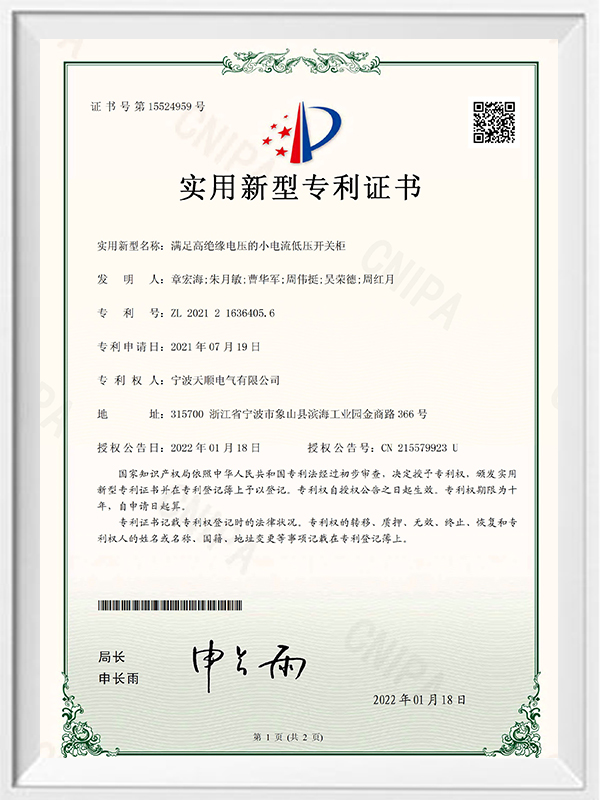
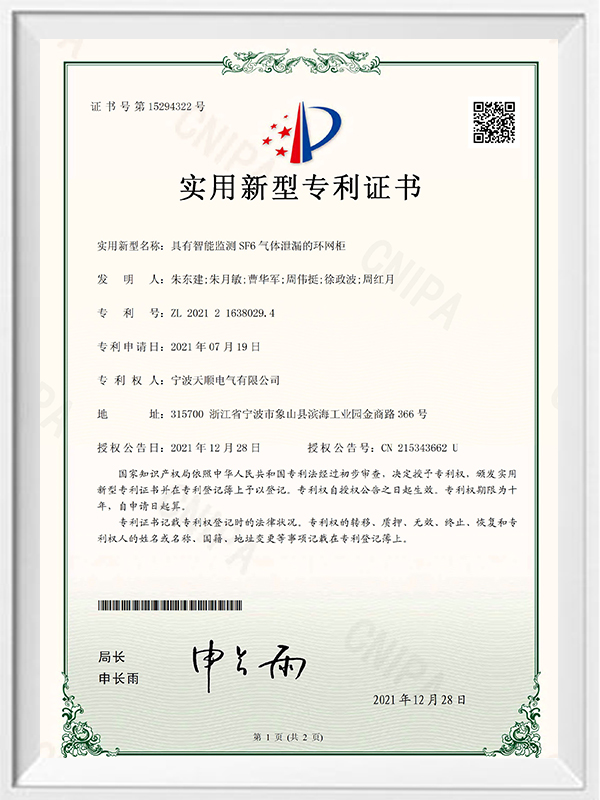
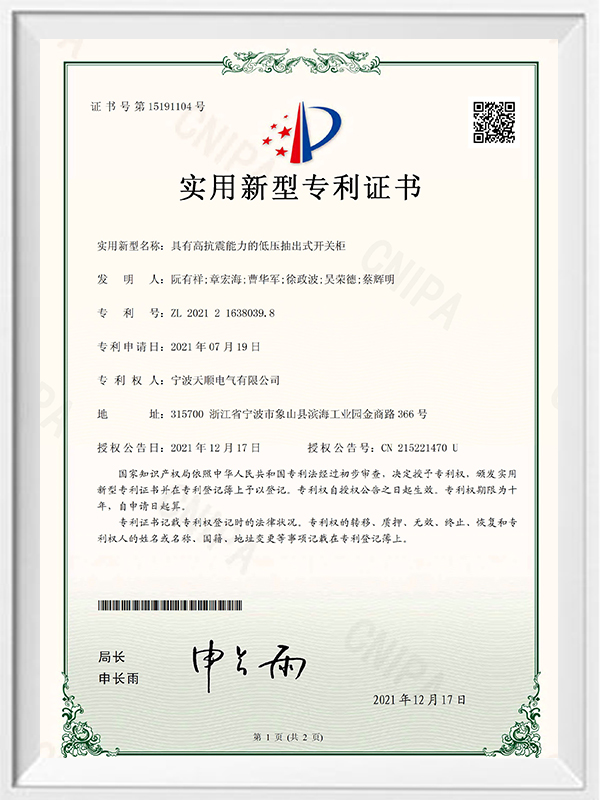
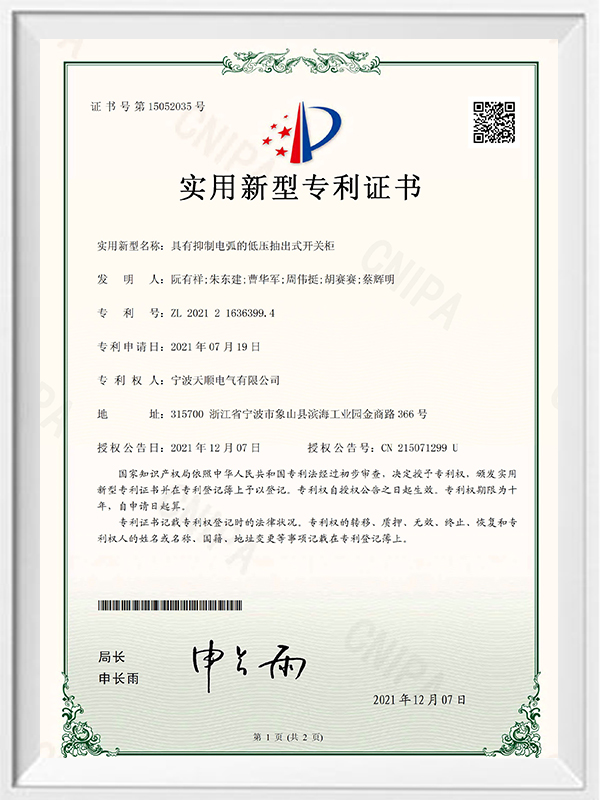
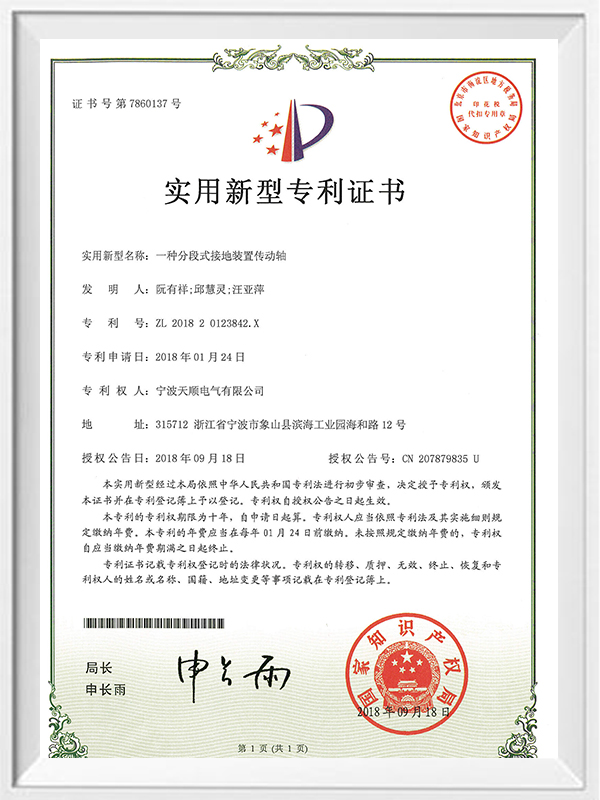
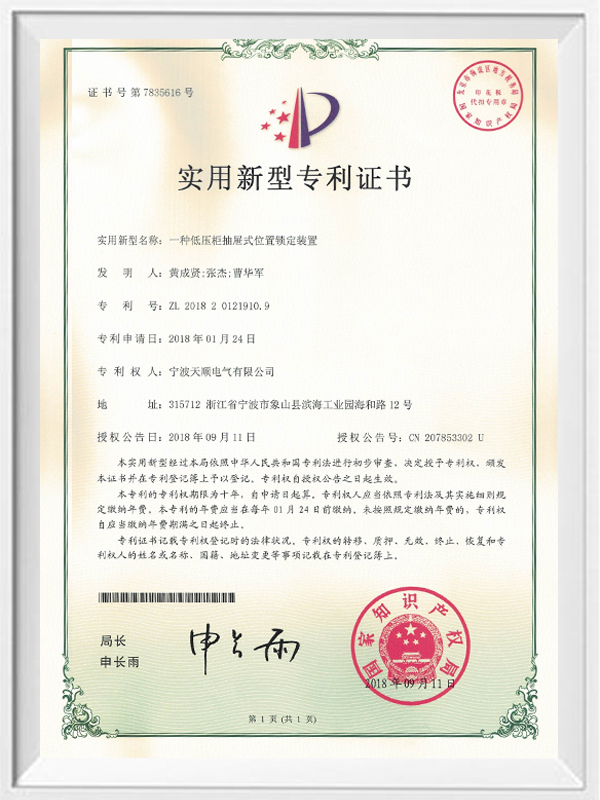
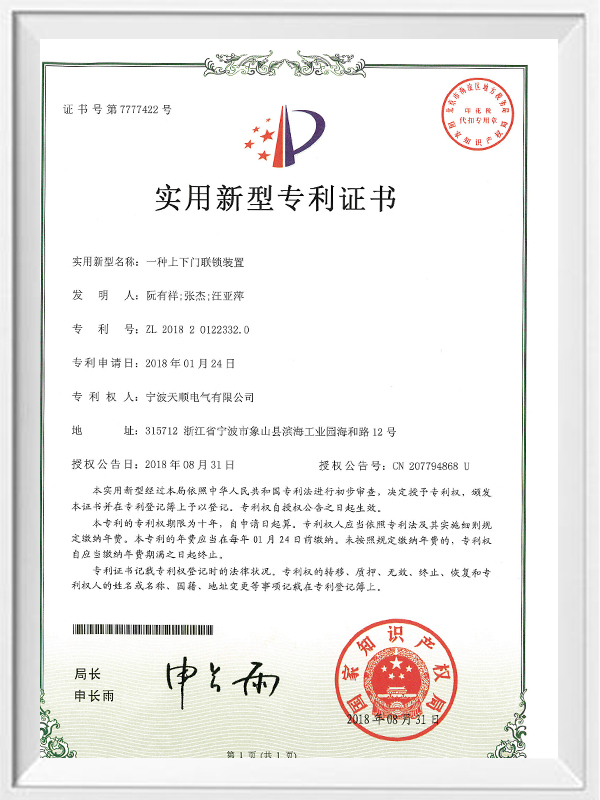
Certificate Of Honor
News
-
-
Electric Power Quality Problems Start Inside the Plant On a hot summer afternoon, an automation packaging line at a metal products plant kept tripping. The electrician confirmed that the incoming vol...
READ MORE -
A 400 kW compressor starts on the far side of the plant, the workshop lights dip for half a second, and three variable speed drives on the packaging line drop out together. Nothing is broken and no b...
READ MORE -
What Is a Dry-Type Transformer? A dry-type transformer is an electrical transformer that cools and insulates its windings using air, resin, or another non-liquid medium instead of oil. Unlike oil-imm...
READ MORE
Message Feedback
Power Metering Equipment Industry knowledge
Core Advantages of Power Metering Equipment
Power Metering Equipment measures and records electrical parameters such as voltage, current, power, and energy consumption, giving facility managers the data needed to control costs and detect abnormal usage patterns. Accurate metering can help identify inefficiencies that, once corrected, commonly reduce unnecessary energy waste by 5% to 15% in commercial and industrial buildings.
Ningbo Tianshun Electric Co., Ltd., located in Xiangshan Coastal Industrial Park with a superior geographical location and convenient transportation, has been deeply rooted in the power transmission and distribution industry for over 20 years. Its experienced technical team integrates metering modules within distribution assemblies to give customers clear visibility over their power usage.
Key Benefits
- Accurate billing and cost allocation across multiple tenants or departments
- Early detection of abnormal load patterns that may indicate equipment faults
- Data-driven support for energy-saving and load-balancing decisions
- Simplified compliance with energy reporting and audit requirements
How Power Metering Equipment Works
Power metering equipment typically uses current transformers and voltage sensors to sample electrical signals without interrupting the main circuit. These signals are processed by a metering module that calculates real and reactive power, energy consumption, and power factor, then displays or transmits the data for monitoring and billing purposes.
Common Parameters Measured
| Parameter | Purpose |
|---|---|
| Voltage & Current | Confirms supply stability and load levels |
| Active Energy (kWh) | Basis for billing and consumption tracking |
| Power Factor | Indicates efficiency of reactive power usage |
| Demand (kW) | Tracks peak load for capacity planning |
Reliable metering depends on properly calibrated sensors and stable communication between metering modules and monitoring systems. With more than 20 years of manufacturing experience, the technical team at Ningbo Tianshun Electric Co., Ltd. applies standardized testing procedures to ensure metering accuracy, and its products have obtained multiple authoritative certifications, including CCC and ISO 9001.
Choosing the Right Metering Solution
Selecting appropriate power metering equipment depends on the number of circuits to be monitored, the required accuracy class, and whether the data needs to be transmitted to a central monitoring system. Multi-tenant buildings and industrial plants with many sub-circuits generally benefit from networked metering that consolidates readings into a single dashboard.
Selection Checklist
- Confirm the required accuracy class matches billing or audit requirements
- Check whether communication protocols are compatible with existing monitoring systems
- Evaluate the number of circuits and current transformer ratios needed
- Verify certification documents such as CCC and ISO 9001 before procurement
Through technological innovation and standardized operations, Ningbo Tianshun Electric Co., Ltd. has been honored with accolades such as the AAA-grade "Contract-abiding and Credit-worthy Enterprise" and "Zhejiang High-growth Technology-based SME," reflecting a sustained commitment to accurate, reliable measurement products.
Frequently Asked Questions
Q1: What is the difference between a basic meter and networked power metering equipment?
A basic meter typically displays local readings only, while networked metering equipment transmits data to a central system, allowing remote monitoring, historical trend analysis, and automated reporting across multiple circuits.
Q2: How often should power metering equipment be calibrated?
Calibration intervals vary by application, but many facilities schedule verification checks annually, or in line with local metrology regulations, to ensure billing and reporting accuracy remain within acceptable tolerances.
Q3: Can metering equipment be added to an existing distribution system?
In most cases, yes. Current transformers and metering modules can typically be retrofitted onto existing circuits without major modifications, provided there is adequate space within the distribution panel.
Q4: What after-sales support should customers expect?
Reliable suppliers should offer installation guidance, commissioning assistance, and prompt fault handling. Ningbo Tianshun Electric Co., Ltd. provides this one-stop support through its experienced technical and production teams, helping ensure stable long-term operation of the installed equipment.

-
Please feel free to contact us if needed!
Contact Us -
Quick Links
Home About Us Products Applications News Contact -
Contact Us
nbtsdq@163.com +86-15757467313 +86-574-65800646 No. 1, Jiuzhou Road, Xiangshan County, Ningbo City, Zhejiang Province, China -
Get Touch
Copyright © 2026 by Ningbo Tianshun Electric Co., Ltd All Rights Reserved.
OEM Power Metering Equipment Supplier
Power Metering Equipment Factory
