

 English
 中文简体
中文简体 Español
 عربى
عربى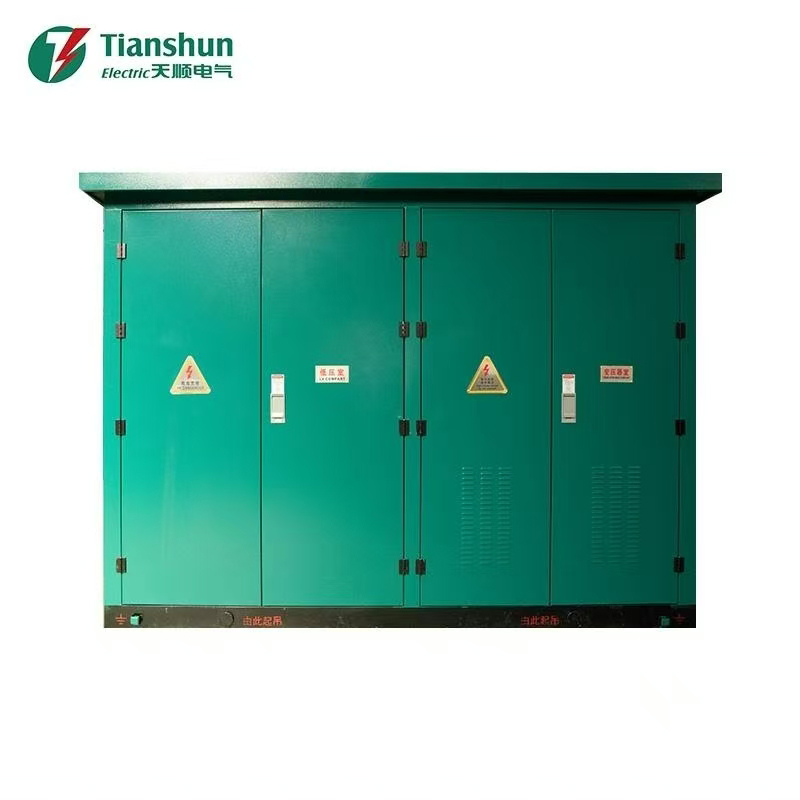
When a 110 kV circuit breaker fails to clear a fault, the consequences do not stay inside the substation fence. Downstream feeders lose supply, the disturbance propagates to neighboring lines, and th...
READ MORE
 Product Category
Transformation Equipment Factory
Product Category
Transformation Equipment Factory
1. Classification Overview
Transformation equipment is important electrical equipment used in power systems for voltage conversion, control, protection, measurement, and distribution of electrical energy. It is commonly applied in power substations and power transmission and distribution systems. Transformation equipment mainly undertakes the task of stepping up or stepping down the high-voltage electrical energy output from power plants and transmitting it safely and stably to various levels of distribution networks, thereby meeting the electricity demands of different users. As an important component of the power system, transformation equipment can effectively improve the efficiency of power transmission and ensure the safety and stability of power grid operation.
2. Application Fields
Power Transmission and Distribution Systems: Transformation equipment is widely used in substations at all levels for voltage conversion, power distribution, and grid protection, and is an important component of power transmission and distribution networks.
Industry and Manufacturing: In large industrial enterprises such as steel, chemical, mining, and manufacturing industries, transformation equipment provides a stable and reliable power supply for production equipment.
Urban Infrastructure: In urban power grids, rail transit, airports, ports, and large public buildings, transformation equipment provides stable power support for critical infrastructure.
New Energy Field: In renewable energy projects such as wind power and photovoltaic power generation, transformation equipment is used to step up electrical energy and connect it to the power grid, enabling efficient transmission of clean energy.
3. Production and Manufacturing
The production of transformation equipment includes multiple stages such as product design, core component manufacturing, complete machine assembly, and quality inspection. The production process strictly follows international power standards and adopts high-quality insulating materials and advanced manufacturing processes to ensure that the equipment has excellent electrical performance and mechanical strength.
With the development of technology, many manufacturing enterprises have introduced automated production lines and intelligent testing systems, effectively improving product consistency, production efficiency, and equipment reliability, thereby meeting the demands of global power engineering projects.
4. Services
The service system of transformation equipment covers multiple stages, including solution design, equipment installation, system commissioning, technical training, operation and maintenance, and equipment upgrading and renovation. To improve the management efficiency of power systems, many modern transformation equipment units are equipped with intelligent monitoring and remote diagnostic systems, which can monitor equipment operating status in real time and promptly detect potential faults. At the same time, through regular inspection and maintenance services, the service life of the equipment can be effectively extended, ensuring the safe and stable operation of the power system.
5. Advantages
Safe and Reliable: Transformation equipment is equipped with comprehensive protection functions such as overload protection, short-circuit protection, and overvoltage protection, effectively ensuring the safety of the power grid and equipment.
Stable Operation: The equipment adopts high-quality materials and advanced design, providing strong anti-interference capability and stable electrical performance.
Intelligent Management: Modern transformation equipment is gradually achieving intelligent and digital management, enabling remote monitoring, automatic control, and data analysis, thereby improving operation and maintenance efficiency.
High Efficiency and Energy Saving: By optimizing voltage levels and power transmission methods, the overall efficiency of the power system is improved, and energy losses are reduced.
Convenient Maintenance: The equipment adopts a modular structural design, making installation, maintenance, and replacement convenient and significantly reducing operation and maintenance costs."
About Us
Ningbo Tianshun Electric Co., Ltd
Ningbo Tianshun Electric Co., Ltd. is a China Custom Transformer Equipment Manufacturer and Power Transformer Supplier, located in Xiangshan Coastal Industrial Park, boasting a superior geographical location and convenient transportation. As a company deeply rooted in the power transmission and distribution industry, we uphold the core values of "Integrity, Innovation, and Excellence." Our team consists of seasoned professionals with over 20 years of industry experience, providing one-stop services covering R&D, production, and after-sales support.
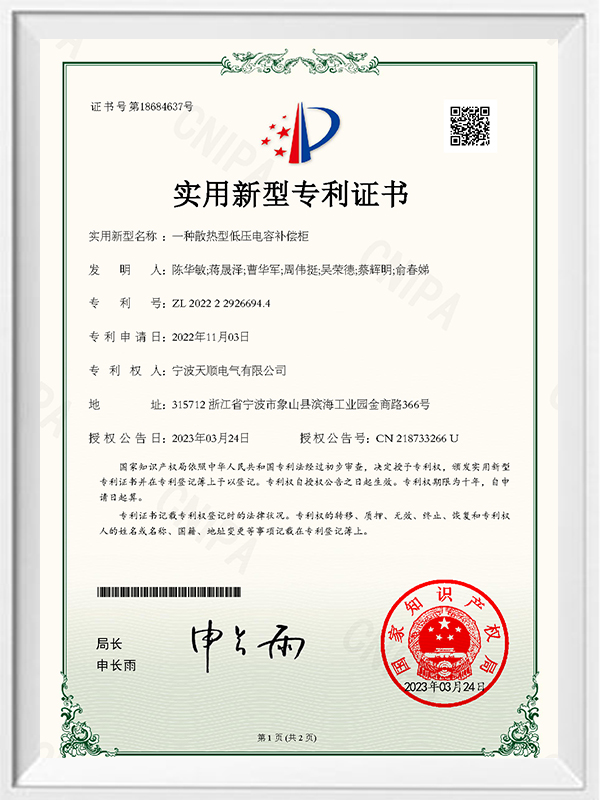
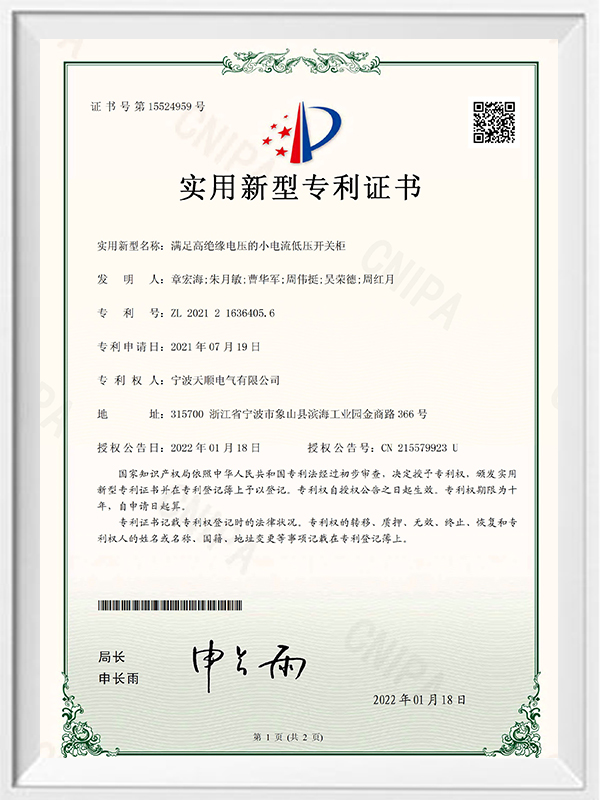
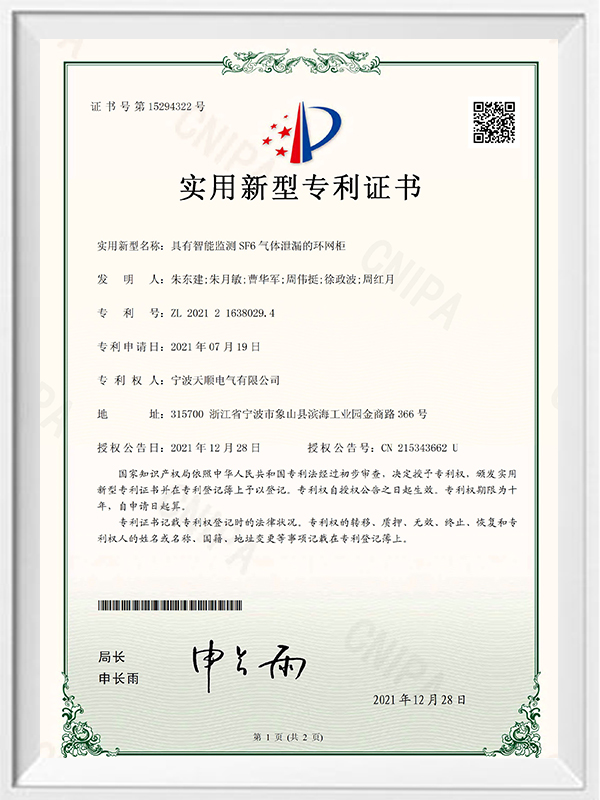
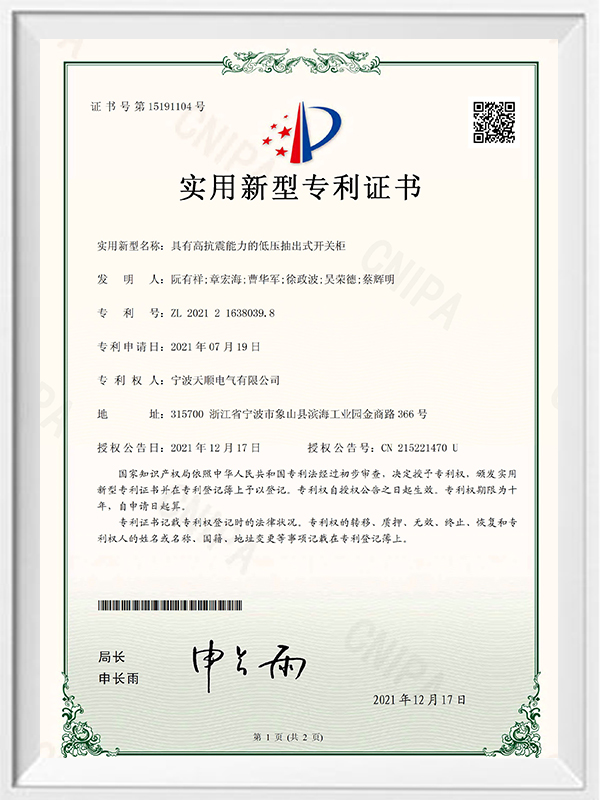
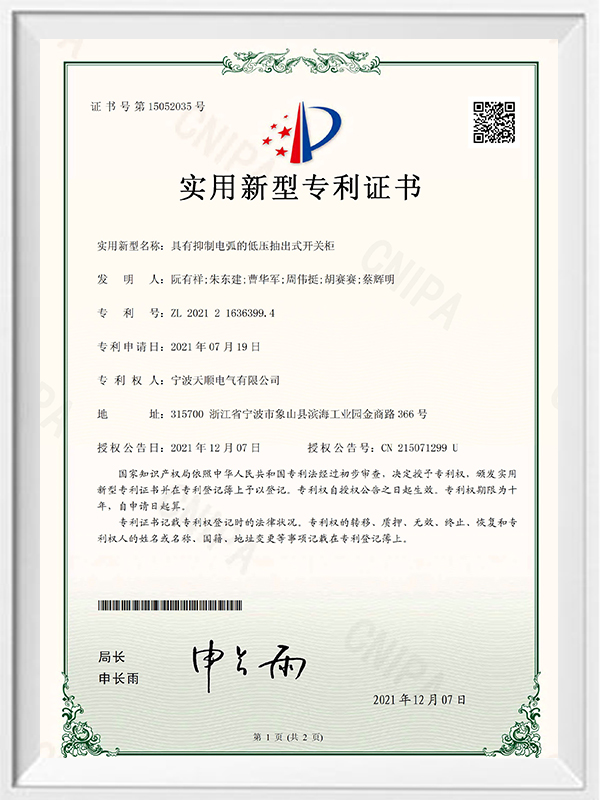
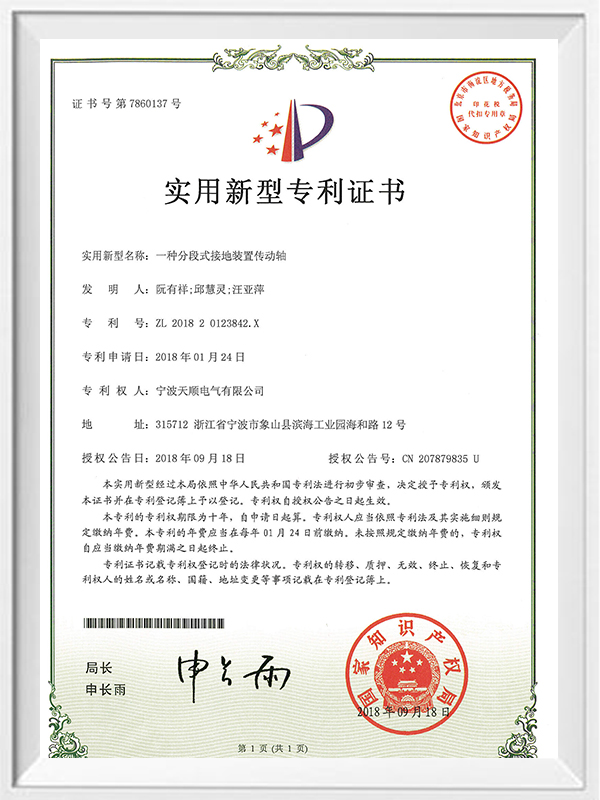
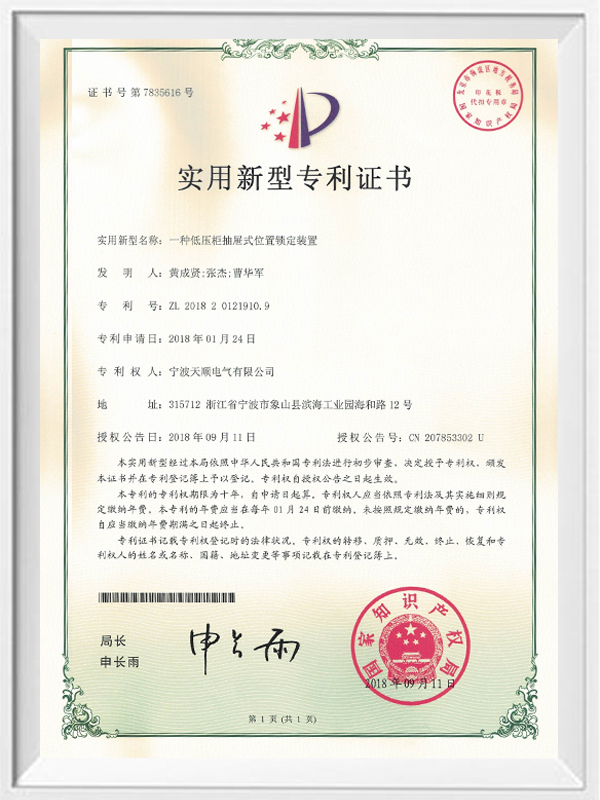
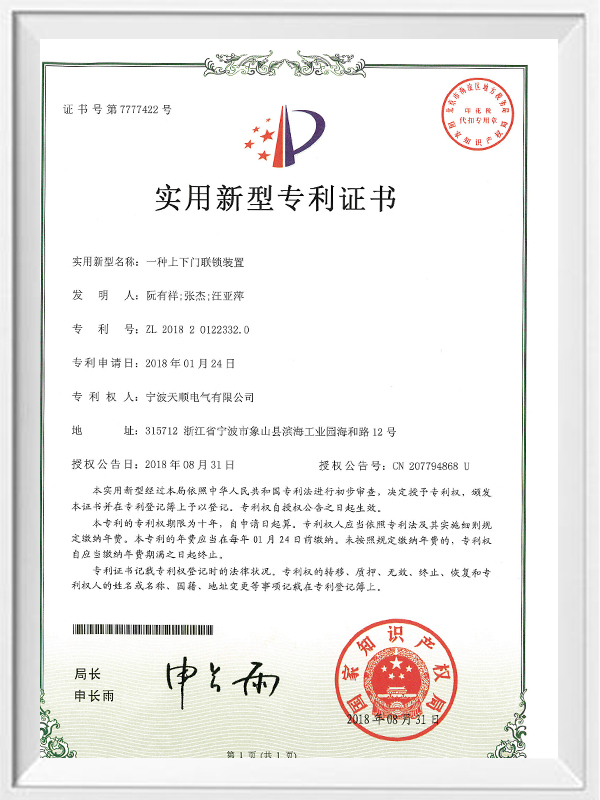
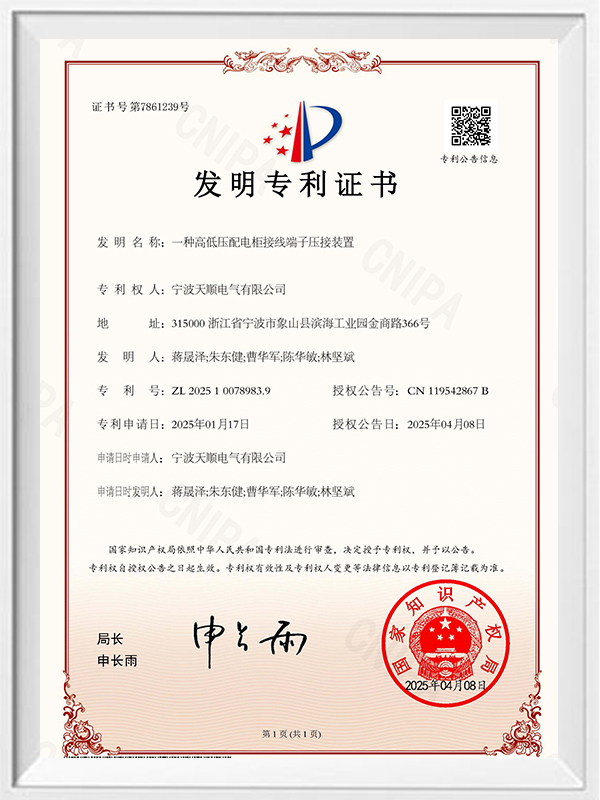
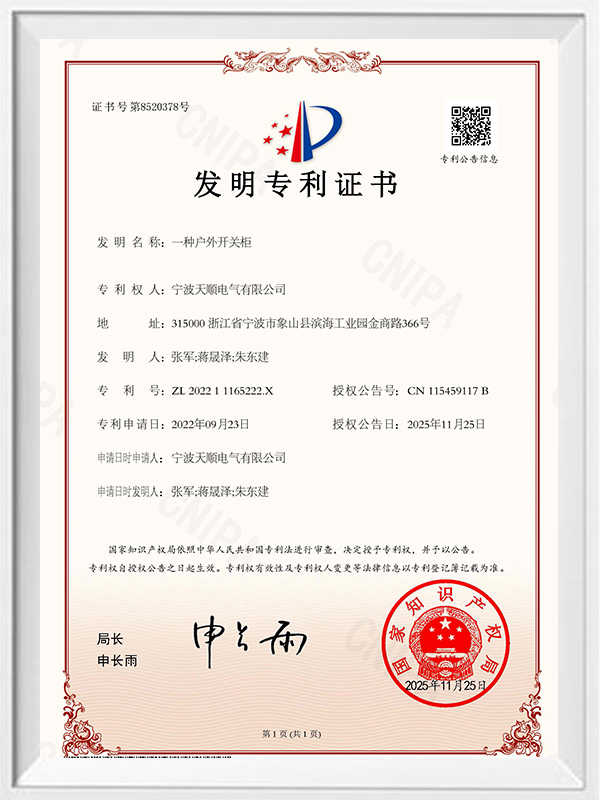
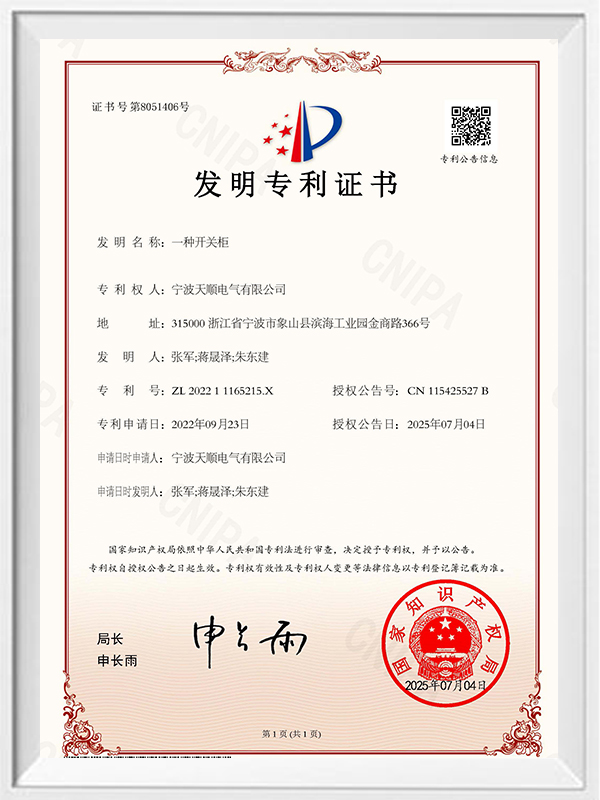
We specialize in a wide range of products, including high- and low-voltage switchgear assemblies and transformers, all of which have obtained multiple authoritative certifications such as CCC and ISO 9001. These products are widely applied across various fields and have earned high recognition from customers. Through technological innovation and standardized operations, we have been honored with numerous accolades, including the AAA-grade "Contract-abiding and Credit-worthy Enterprise" and "Zhejiang High-growth Technology-based SME." We remain committed to manufacturing high-quality, energy-efficient, and eco-friendly power transmission and distribution equipment.
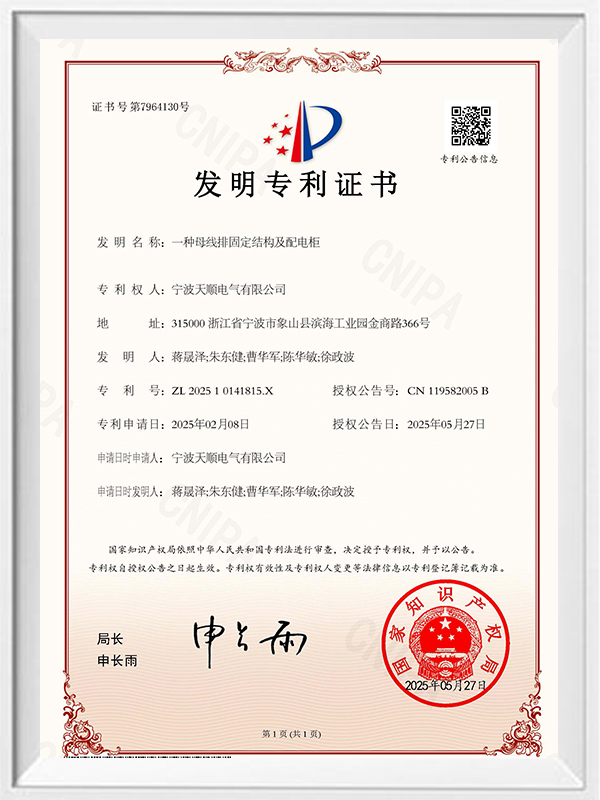
Certificate Of Honor
News
-
-
Electric Power Quality Problems Start Inside the Plant On a hot summer afternoon, an automation packaging line at a metal products plant kept tripping. The electrician confirmed that the incoming vol...
READ MORE -
A 400 kW compressor starts on the far side of the plant, the workshop lights dip for half a second, and three variable speed drives on the packaging line drop out together. Nothing is broken and no b...
READ MORE -
What Is a Dry-Type Transformer? A dry-type transformer is an electrical transformer that cools and insulates its windings using air, resin, or another non-liquid medium instead of oil. Unlike oil-imm...
READ MORE
Message Feedback
Transformation Equipment Industry knowledge
Why Transformer Equipment Matters in Power Networks
Transformer Equipment forms the link between generation, transmission, and end-user consumption, converting electrical energy between different voltage levels while keeping losses to a minimum. A well-designed Power Transformer can achieve efficiency above 98%, meaning only a small fraction of energy is lost as heat during conversion. This efficiency directly affects operating costs for utilities and industrial users alike.
Ningbo Tianshun Electric Co., Ltd., based in Xiangshan Coastal Industrial Park, has been engaged in the power transmission and distribution industry for over 20 years, manufacturing transformers alongside high- and low-voltage switchgear assemblies. This integrated experience allows the company to design transformer solutions that match well with downstream distribution equipment.
Practical Benefits
- Lower energy losses through optimized core lamination and winding design
- Improved voltage stability for connected loads, reducing equipment stress
- Extended service life when combined with proper cooling and insulation systems
- Reduced total cost of ownership through fewer unplanned outages
How a Power Transformer Converts Voltage
A power transformer operates on the principle of electromagnetic induction. Alternating current passing through the primary winding generates a changing magnetic flux in the core, which induces a corresponding voltage in the secondary winding. The ratio between the number of turns on each winding determines whether the transformer steps voltage up or down.
Main Internal Components
| Component | Function |
|---|---|
| Core | Provides a low-reluctance path for magnetic flux |
| Windings | Carry current and set the voltage transformation ratio |
| Insulation System | Prevents short circuits between windings and core |
| Cooling System | Dissipates heat generated during operation |
Precise winding alignment and core assembly are essential to minimize losses. With over 20 years of manufacturing experience, the technical team at Ningbo Tianshun Electric Co., Ltd. applies standardized production and testing procedures to ensure consistent transformer performance across every unit.
Choosing the Right Distribution Transformer
A Distribution Transformer steps down medium voltage to levels suitable for direct use by residential, commercial, or light industrial customers. Selecting the correct unit requires evaluating rated capacity, load type, and installation environment, since oversizing increases upfront cost while undersizing risks overheating and shortened lifespan.
Selection Checklist
- Match rated capacity (kVA) to the actual peak load plus reasonable growth margin
- Confirm the cooling type suits indoor or outdoor installation conditions
- Check impedance value to ensure compatibility with protection equipment
- Verify certification documents such as CCC and ISO 9001 before purchase
Products from Ningbo Tianshun Electric Co., Ltd. have obtained multiple authoritative certifications, and the company has been recognized as an AAA-grade "Contract-abiding and Credit-worthy Enterprise," reflecting a consistent commitment to product quality and reliability.
Frequently Asked Questions
Q1: What is the main difference between a power transformer and a distribution transformer?
Power transformers are typically used at generation and transmission substations to handle high voltage and large capacity, while distribution transformers step voltage down further for direct delivery to end users at lower capacity levels.
Q2: How long does transformer equipment typically last?
With proper maintenance, cooling, and load management, transformers can operate reliably for 20 to 30 years, though actual lifespan depends on operating conditions and loading history.
Q3: How often should transformers be inspected?
Routine visual checks are generally recommended every three to six months, with oil testing or insulation resistance testing performed annually to detect early signs of aging or contamination.
Q4: What after-sales support should customers expect when purchasing transformer equipment?
Reliable suppliers should offer installation guidance, commissioning support, and fault handling services. Ningbo Tianshun Electric Co., Ltd. provides this one-stop support through its experienced technical and production teams, helping ensure long-term stability of installed equipment.

-
Please feel free to contact us if needed!
Contact Us -
Quick Links
Home About Us Products Applications News Contact -
Contact Us
nbtsdq@163.com +86-15757467313 +86-574-65800646 No. 1, Jiuzhou Road, Xiangshan County, Ningbo City, Zhejiang Province, China -
Get Touch
Copyright © 2026 by Ningbo Tianshun Electric Co., Ltd All Rights Reserved.
Custom Transformer Equipment Manufacturer
Power Transformer Supplier
