

 English
 中文简体
中文简体 Español
 عربى
عربى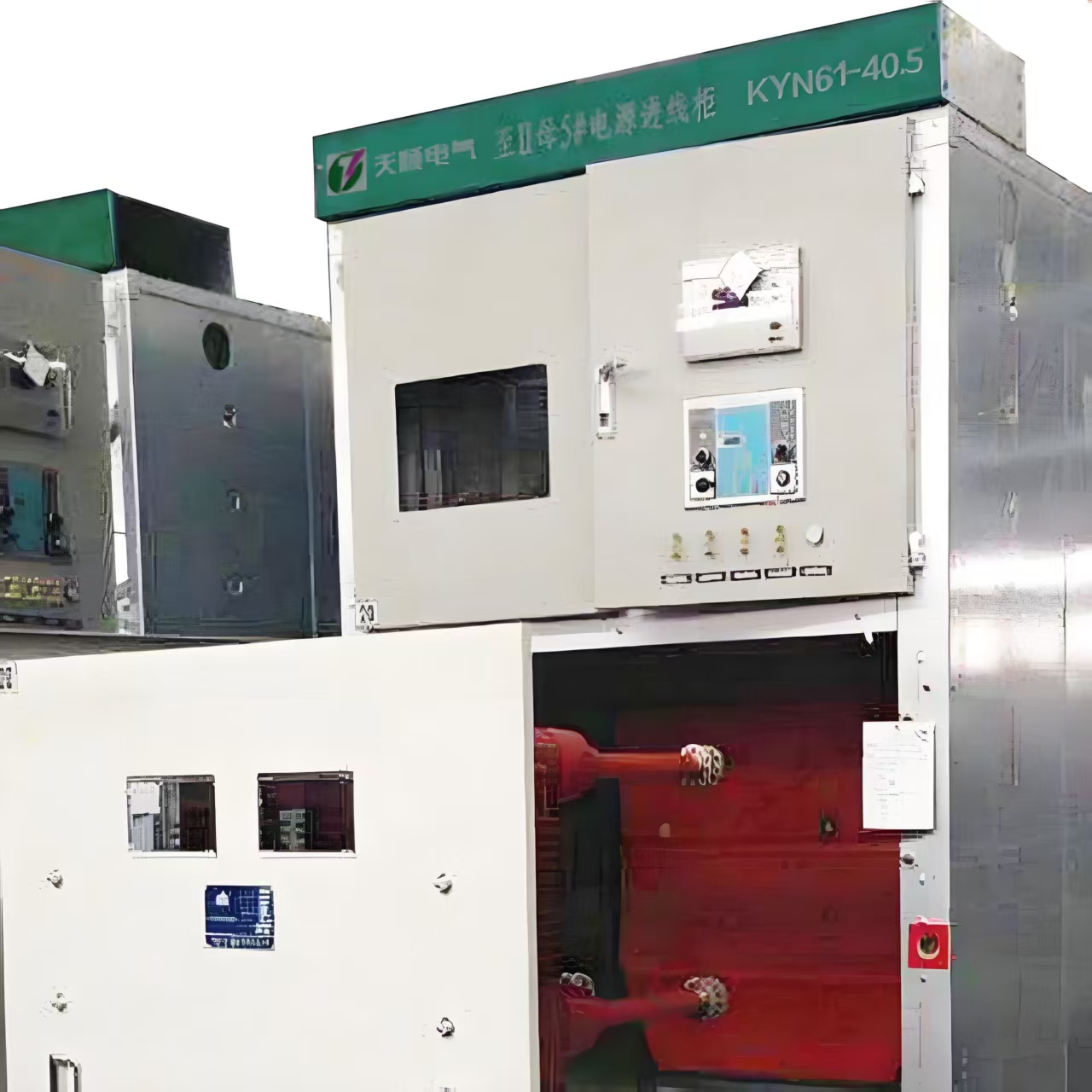
When a 110 kV circuit breaker fails to clear a fault, the consequences do not stay inside the substation fence. Downstream feeders lose supply, the disturbance propagates to neighboring lines, and th...
READ MORE
 Product Category
High-Voltage Switchgear Supplier
Product Category
High-Voltage Switchgear Supplier
1. Classification Overview
High-voltage switchgear is a crucial component of high-voltage distribution equipment, primarily used for switching operations to control the flow of electrical current, disconnect circuits, or connect circuits. It is designed to withstand high voltage and effectively disconnect fault currents or normal load currents, ensuring the safe and stable operation of the power system. Common types of high-voltage switchgear include vacuum switches, SF6 gas switches, oil-immersed switches, and more.
2. Application Areas
Power System: Used in the transmission and distribution of electrical power, controlling the direction of current flow and ensuring the safe operation of electrical equipment.
Industrial Sector: Applied in large-scale industrial production lines and electrical equipment for power control and protection.
Grid Systems: Used as a core control and protection device in substations, distribution networks, and other areas of the power grid.
New Energy Projects: In renewable energy projects such as wind power and photovoltaic systems, ensuring the connection and disconnection of power, and maintaining system safety.
3. Production and Manufacturing
The production of high-voltage switchgear must comply with strict electrical standards and is typically carried out by specialized electrical equipment manufacturers. Advanced materials and technologies are employed in the production process to ensure that the switchgear operates reliably in high-voltage and high-current environments. Common manufacturers include Schneider Electric, ABB, GE, and others.
4. Services
Services for high-voltage switchgear include installation, commissioning, maintenance, and troubleshooting. With the development of smart technologies, many high-voltage switchgear units now support remote monitoring and fault diagnosis services, making it easier to detect issues and carry out maintenance. Regular inspections and upgrades can extend the lifespan of the equipment and improve operational efficiency.
5. Advantages
High Safety: High-voltage switchgear can effectively disconnect fault currents, preventing equipment damage and the spread of faults in the power system.
Strong Reliability: It has high durability and resistance to interference, allowing stable operation in harsh environments.
Rapid Response: High-voltage switchgear can quickly respond and execute switching operations, reducing downtime and system damage.
Intelligent Features: Modern high-voltage switchgear can integrate smart monitoring systems for remote control and real-time status feedback.
Energy Efficiency: By controlling current flow effectively, high-voltage switchgear reduces energy waste, improving the overall system efficiency.
Product Category
High-Voltage Isolating Switchgear Supplier
1. Classification Overview
A high-voltage disconnector is an electrical switching device used in high-voltage distribution systems, primarily for isolating circuits during power shutdowns to ensure electrical safety during maintenance or repairs. Its function is to completely disconnect the circuit from the power supply, preventing electrical equipment from being affected by current. Common types include manual disconnectors and automatic disconnectors.
2. Application Areas
Power System: Used in substations, distribution networks, and other high-voltage electrical facilities to ensure the safe operation of the power system.
Industrial Applications: Applied to isolate power in large industrial equipment, protecting both the equipment and the personnel's safety.
New Energy Projects: Used in renewable energy systems such as wind and photovoltaic power generation, isolating circuits to ensure safe connection or disconnection.
3. Production and Manufacturing
High-voltage disconnectors are produced by specialized electrical equipment manufacturers. The production process follows strict electrical standards to ensure the devices possess excellent withstand voltage and durability. Common manufacturers include Schneider Electric, ABB, and others. The products typically use high-strength materials, ensuring good insulation and stability.
4. Services
Services for high-voltage disconnectors include equipment installation, commissioning, routine maintenance, troubleshooting, and technical support. Some intelligent disconnectors also support remote monitoring and operation, improving maintenance efficiency and equipment management.
5. Advantages
High Safety: Effectively isolates circuits, ensuring the safety of operators during maintenance.
Strong Reliability: Withstands high voltage, adapts to harsh environments, ensuring system stability.
Simple and Easy to Use: Easy operation allows for quick circuit isolation.
Low Maintenance Cost: Simple structure and low failure rate, reducing maintenance costs and downtime.
Intelligent Features: Some high-voltage disconnectors are equipped with smart monitoring systems, enabling remote control and automation.
Product Category
Prefabricated Box-type Substation Supplier
1. Classification Overview
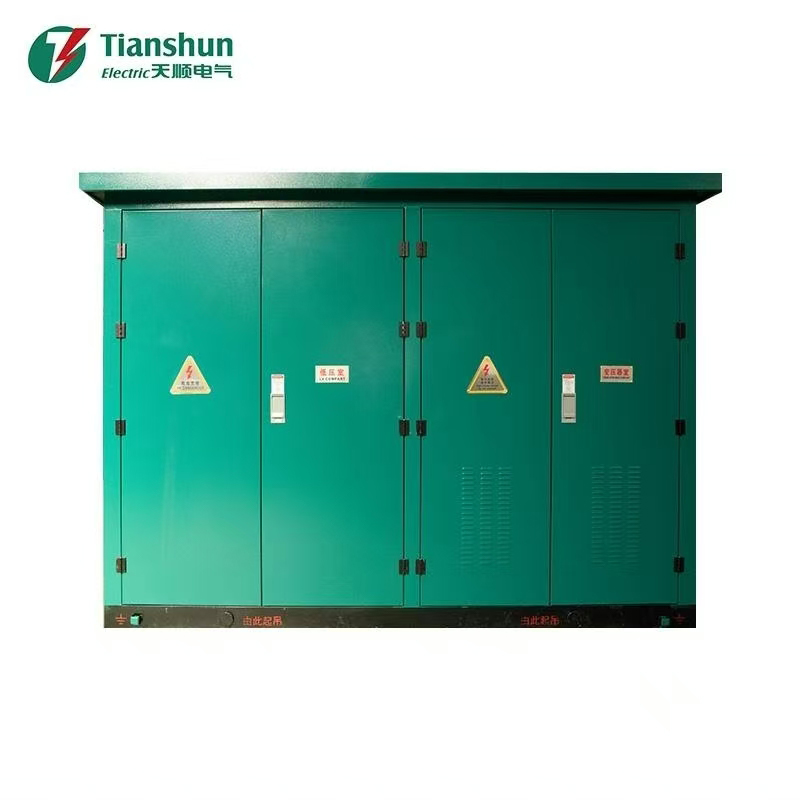
A prefabricated box-type substation is an integrated high-voltage distribution device, typically consisting of a transformer, switching equipment, protective devices, and control systems, all pre-assembled in a box form. Its design aims to enable quick deployment and is suitable for various environments, especially in urban or rural power distribution. The equipment provides protection functions to ensure the safety and stability of the substation process.
2. Application Areas
Urban Power Grid: Widely used in urban power distribution, especially in densely populated areas or regions with fluctuating electricity demand.
Industrial Zones: Applied in factories, industrial parks, and other sites to provide a stable power supply.
New Energy Projects: Used in wind power, photovoltaic, and other renewable energy sites for power conversion and distribution.
Infrastructure Construction: Used in underground, bridge, and power facility applications to meet complex geographical and environmental requirements.
3. Production and Manufacturing
Prefabricated box-type substations are produced by specialized electrical equipment manufacturers using modular design, with pre-assembly and testing done in the factory. High-quality materials are used during production to ensure protection ratings and durability. Common manufacturers include ABB, Schneider, and Chint.
4. Services
Services for prefabricated box-type substations include custom design, installation, commissioning, routine maintenance, and remote monitoring. Many products are now equipped with intelligent systems, supporting real-time monitoring and fault diagnosis to enhance operation and maintenance efficiency.
5. Advantages
Quick Deployment: Pre-assembled for faster installation, meeting urgent power demands.
Space-saving: The box-type design integrates multiple electrical components, saving floor space, making it suitable for compact areas.
High Reliability: Equipped with functions like waterproof, dustproof, and anti-theft, suitable for use in various environments.
Intelligent Management: Supports remote monitoring, automated control, and fault diagnosis, improving power system management efficiency.
Low Maintenance Cost: The integrated design reduces maintenance difficulty and makes it easy to repair and replace components.
About Us
Ningbo Tianshun Electric Co., Ltd
Ningbo Tianshun Electric Co., Ltd. is a China High-Voltage Distribution Assemblies Manufacturer and High-Voltage Distribution Cabinet Supplier, located in Xiangshan Coastal Industrial Park, boasting a superior geographical location and convenient transportation. As a company deeply rooted in the power transmission and distribution industry, we uphold the core values of "Integrity, Innovation, and Excellence." Our team consists of seasoned professionals with over 20 years of industry experience, providing one-stop services covering R&D, production, and after-sales support.
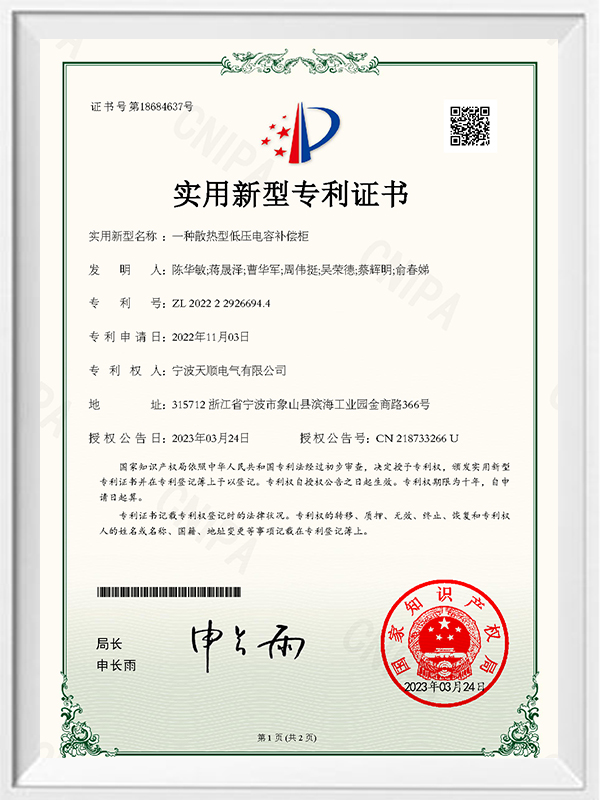
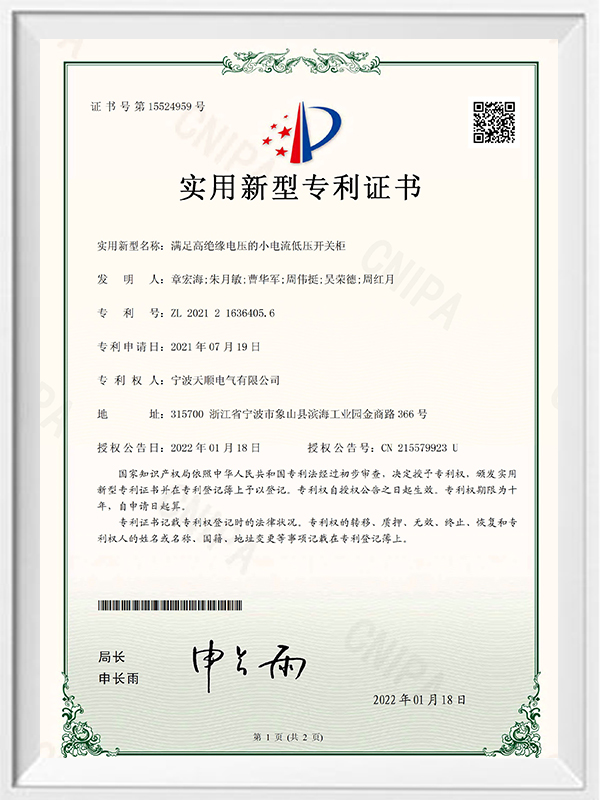
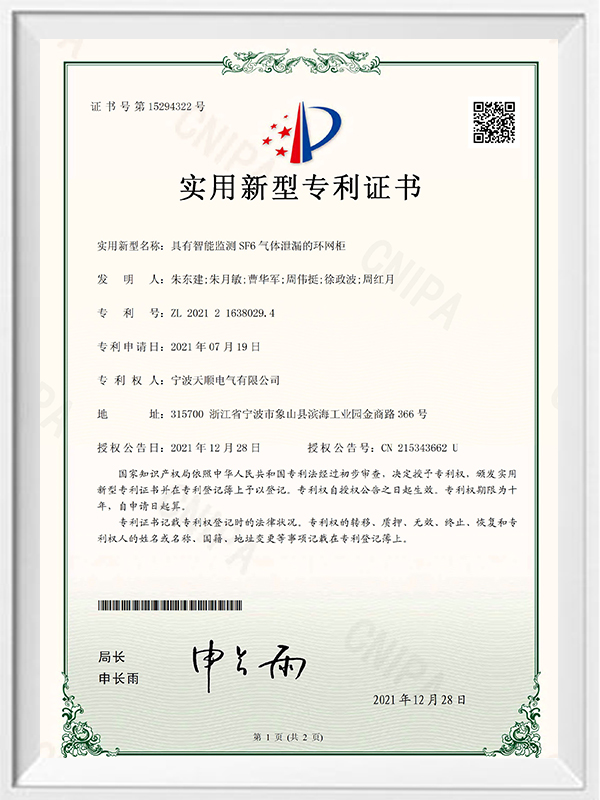
We specialize in a wide range of products, including high- and low-voltage switchgear assemblies and transformers, all of which have obtained multiple authoritative certifications such as CCC and ISO 9001. These products are widely applied across various fields and have earned high recognition from customers. Through technological innovation and standardized operations, we have been honored with numerous accolades, including the AAA-grade "Contract-abiding and Credit-worthy Enterprise" and "Zhejiang High-growth Technology-based SME." We remain committed to manufacturing high-quality, energy-efficient, and eco-friendly power transmission and distribution equipment.
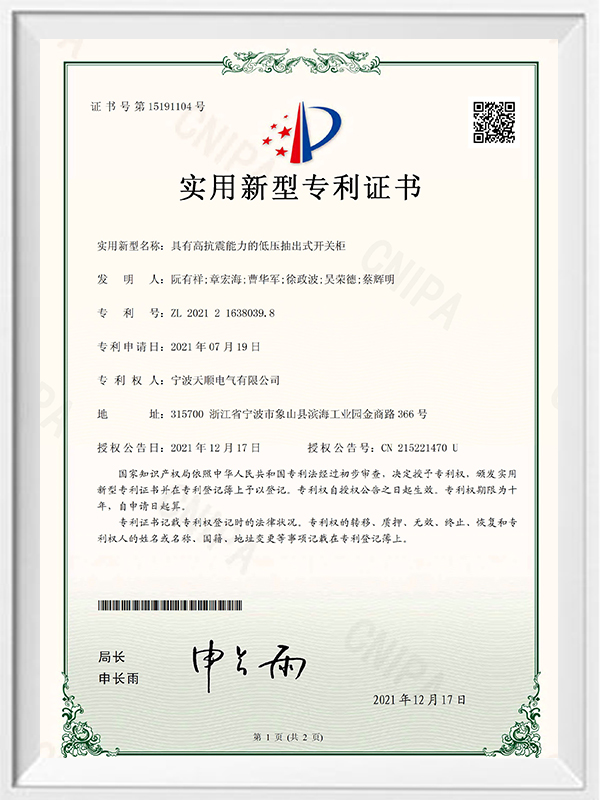
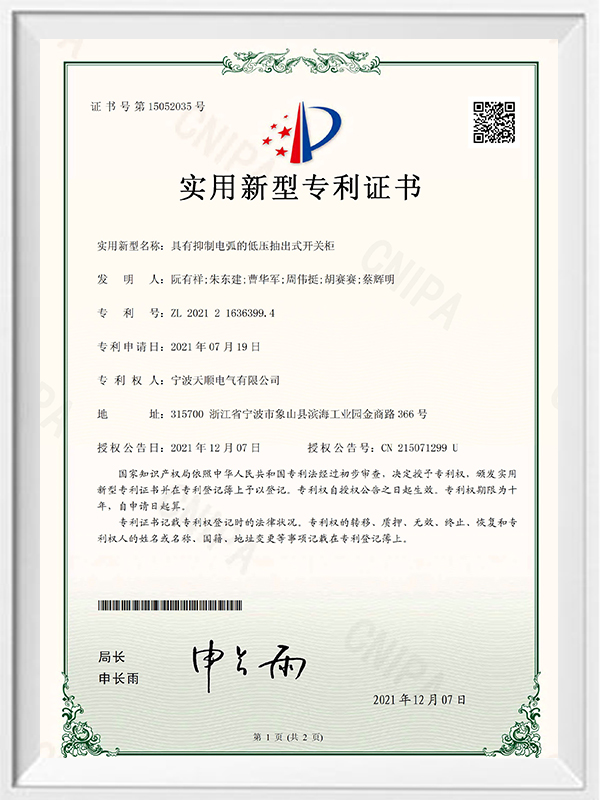
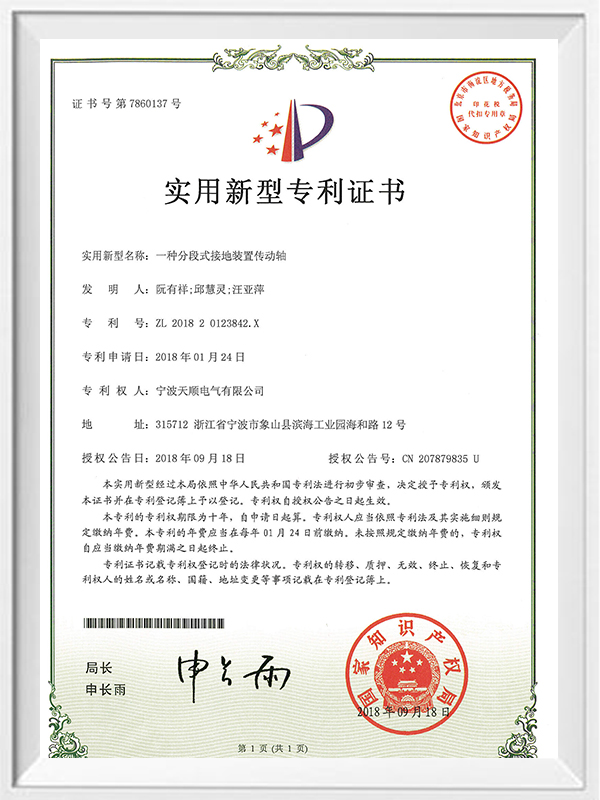
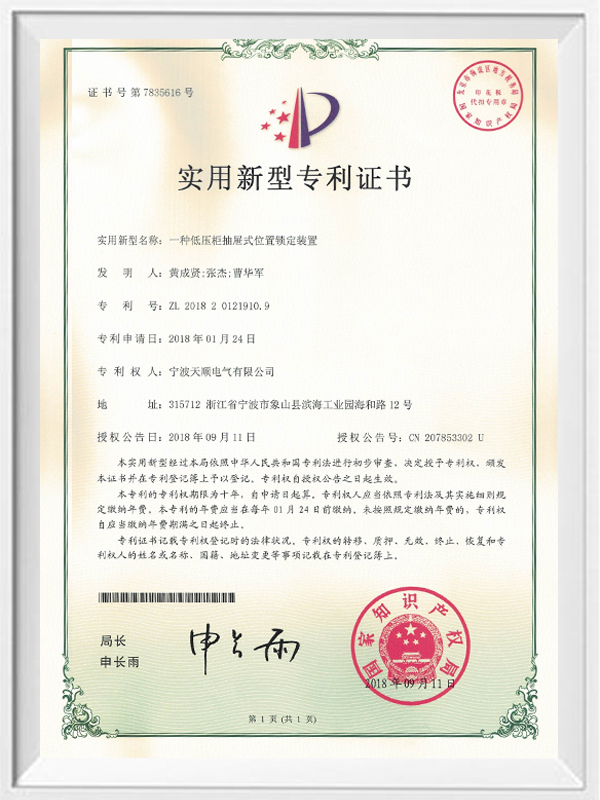
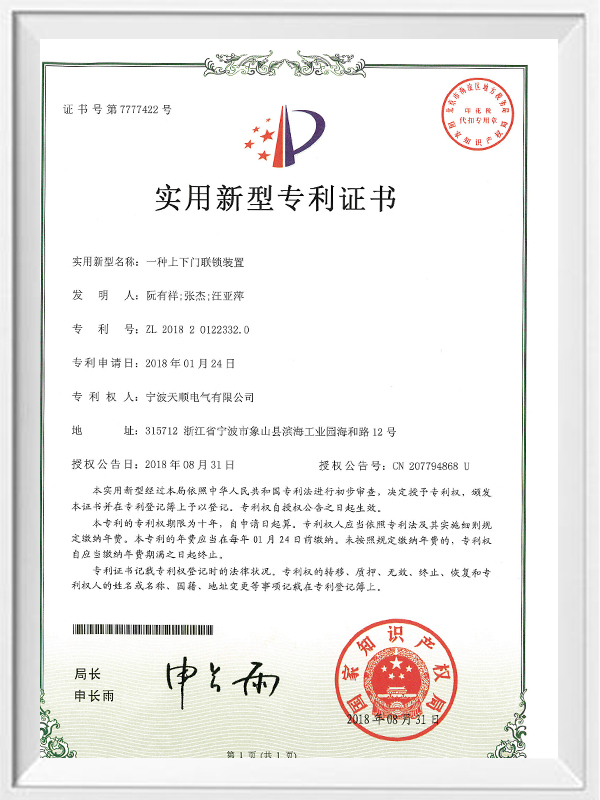
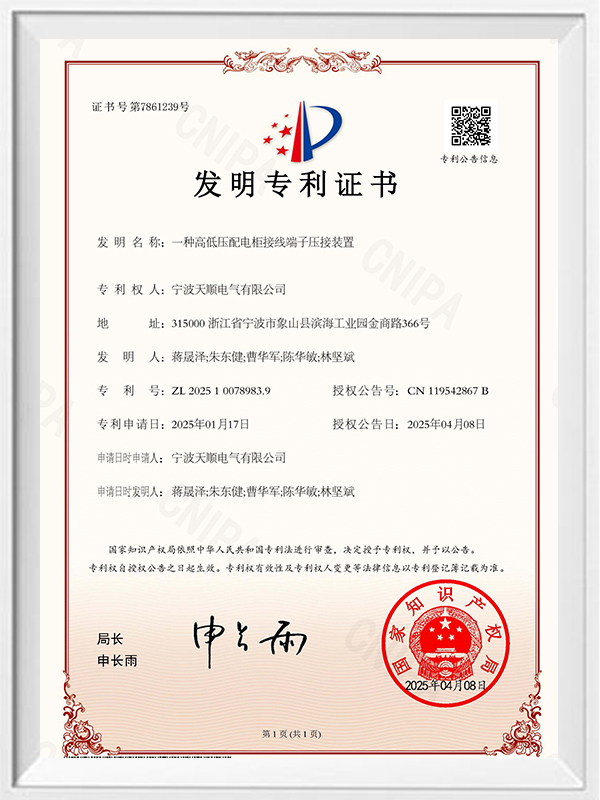
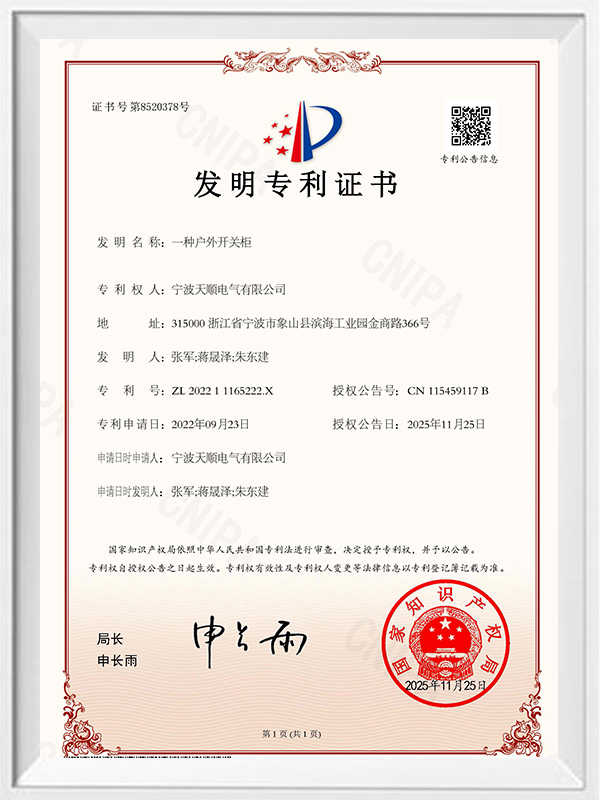
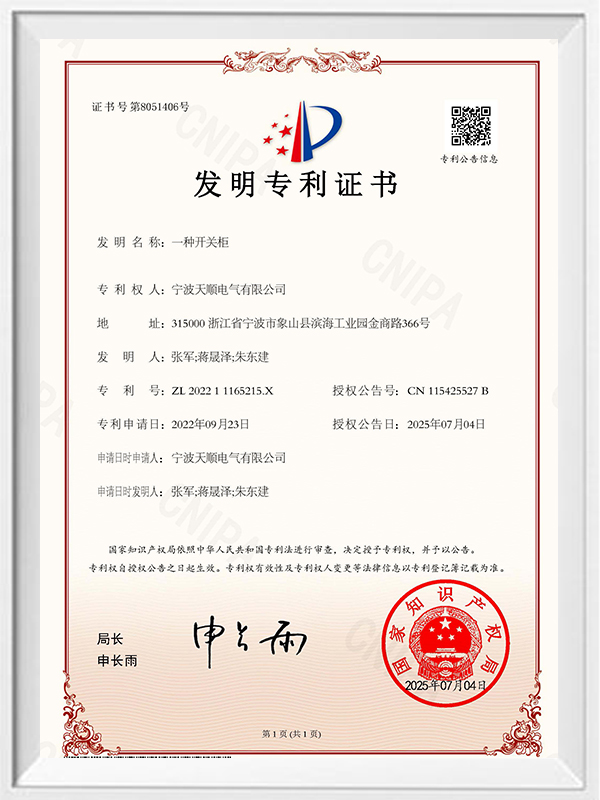
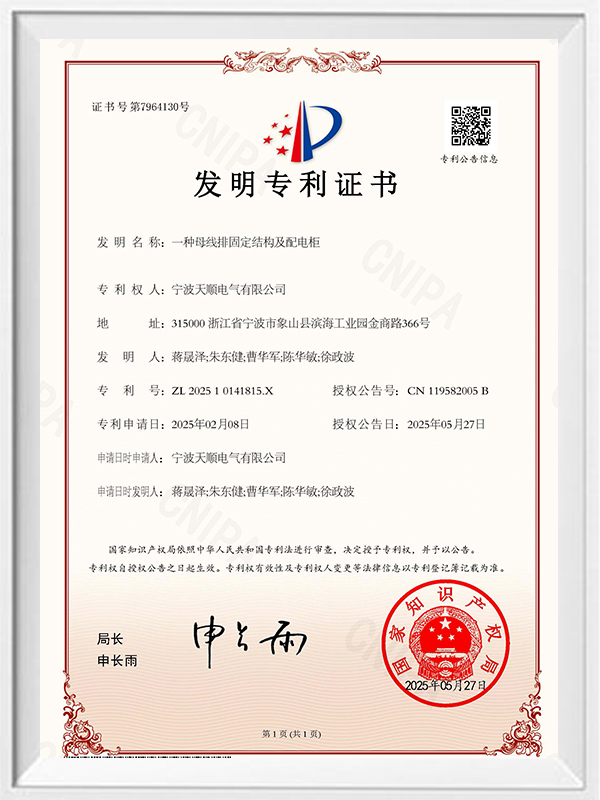
Certificate Of Honor
News
-
-
Electric Power Quality Problems Start Inside the Plant On a hot summer afternoon, an automation packaging line at a metal products plant kept tripping. The electrician confirmed that the incoming vol...
READ MORE -
A 400 kW compressor starts on the far side of the plant, the workshop lights dip for half a second, and three variable speed drives on the packaging line drop out together. Nothing is broken and no b...
READ MORE -
What Is a Dry-Type Transformer? A dry-type transformer is an electrical transformer that cools and insulates its windings using air, resin, or another non-liquid medium instead of oil. Unlike oil-imm...
READ MORE
Message Feedback
High-Voltage Distribution Equipment Industry knowledge
What Are High-Voltage Switchgear And Controlgear Assemblies
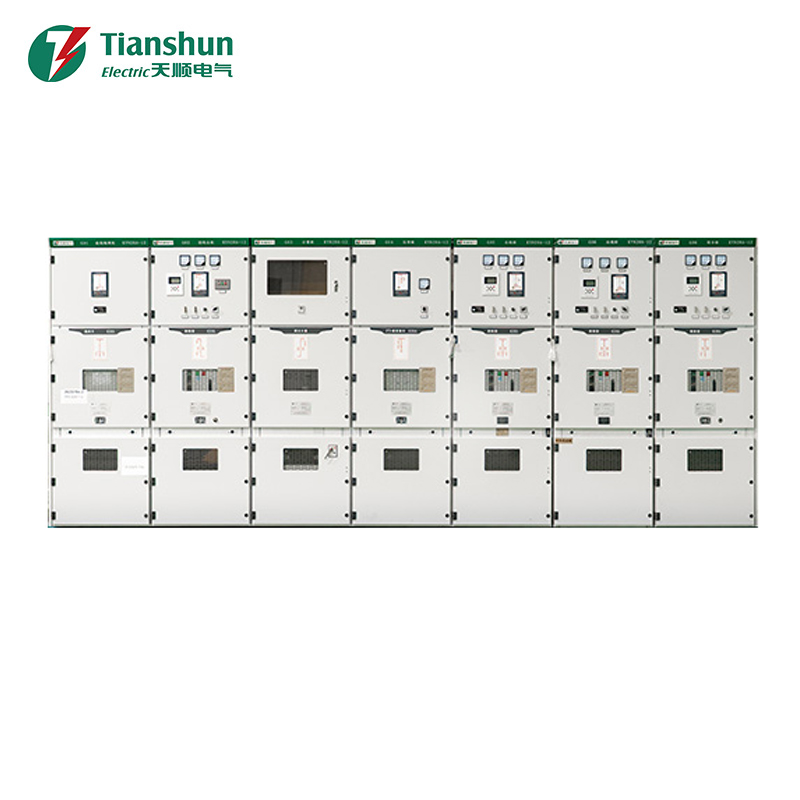
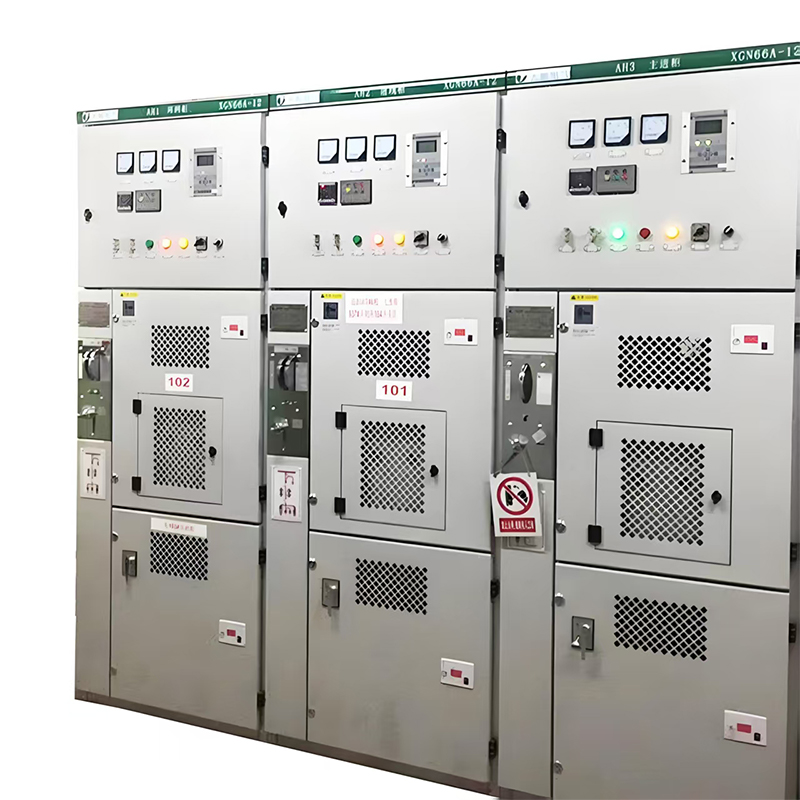
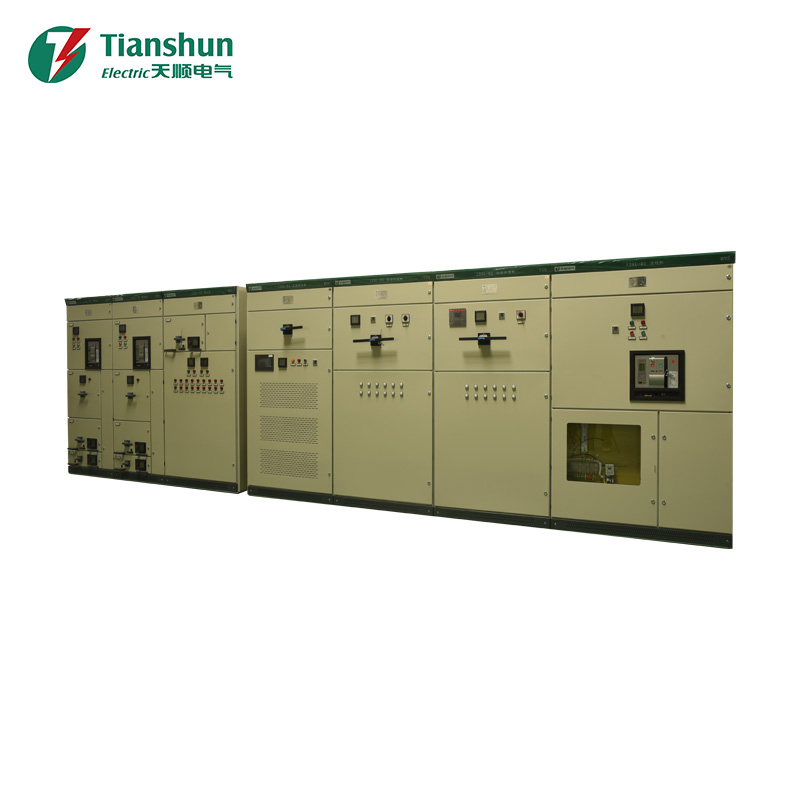
High-Voltage Switchgear And Controlgear Assemblies are factory-built combinations of circuit breakers, disconnectors, busbars, protection relays, and metering devices that control, protect, and isolate sections of a power network. They typically cover the 3.6 kV to 40.5 kV range and are used at substations, industrial plants, renewable energy stations, and utility distribution points to route power safely between the grid and downstream loads.
Ningbo Tianshun Electric Co., Ltd., based in Xiangshan Coastal Industrial Park with convenient transportation access, has been dedicated to the power transmission and distribution industry for over 20 years. The company's high- and low-voltage switchgear assemblies and transformers have obtained multiple authoritative certifications, including CCC and ISO 9001, reflecting consistent quality control across design, manufacturing, and testing.
Key Advantages of High-Voltage Distribution Assemblies
- Compact footprint: modular cell design can reduce substation floor space by roughly 30-40% versus open-type layouts.
- Enhanced safety: mechanical interlocking and metal partitioning prevent maloperation and arc propagation between cells.
- Faster commissioning: pre-assembled, factory-tested units shorten on-site installation time.
- Lower lifecycle cost: standardized modules simplify spare-part management and maintenance.
With leadership, sales, and production staff each holding over 20 years of industry experience, the company applies these principles so every assembly meets both performance and safety expectations across diverse project environments.
How A High-Voltage Distribution Cabinet Works
Insulation and Arc Control
Inside a High-Voltage Distribution Cabinet, busbars and switching devices are separated into independent compartments using metal or insulated barriers. When a circuit breaker interrupts fault current, arc energy is directed into a dedicated arc-extinguishing chamber, preventing damage from spreading to adjacent cells.
Protection and Interlocking Logic
Current transformers and relays continuously monitor load conditions. If current or voltage exceeds set thresholds, the protection relay trips the breaker within milliseconds. Mechanical and electrical interlocks ensure that grounding switches, breakers, and cabinet doors can only be operated in the correct sequence.
Choosing The Right Configuration
Selection typically depends on rated voltage, rated current, and installation environment, as outlined below.
| Application Scenario | Typical Rated Voltage | Recommended Feature |
|---|---|---|
| Industrial Plant | 10 kV | Compact metal-clad structure |
| Utility Substation | 35 kV | Enhanced arc-fault containment |
| Renewable Energy Station | 6-20 kV | Remote monitoring compatibility |
Guided by the core values of "Integrity, Innovation, and Excellence," the company has been recognized with awards such as the AAA-grade "Contract-abiding and Credit-worthy Enterprise" and "Zhejiang High-growth Technology-based SME." As a one-stop provider covering R&D, production, and after-sales support, it helps customers move from technical selection through installation and commissioning with a configuration matched to actual site conditions.
After-Sales Support and Long-Term Reliability
Long-term reliability depends not only on manufacturing quality but also on ongoing technical support. Because leadership, sales, technical, and production personnel have each spent over 20 years in this field, installation guidance, equipment commissioning, and fault handling can be addressed with practical, field-tested solutions, ensuring stable operation and comprehensive after-sales assurance throughout the product lifecycle.
Frequently Asked Questions
Q1: What is the difference between High-Voltage Switchgear And Controlgear Assemblies and low-voltage panels?
High-voltage assemblies operate above 1 kV and require stronger insulation clearances and interlocking, while low-voltage panels use simpler protection schemes.
Q2: How often should a High-Voltage Distribution Cabinet be inspected?
Routine visual and thermal inspections are commonly recommended every 6-12 months, with a full test cycle every 3-5 years.
Q3: Can High-Voltage Distribution Assemblies be customized for specific site conditions?
Yes, cabinet dimensions, busbar ratings, and protection schemes can be tailored to site voltage class and space constraints.
Q4: What certifications should buyers look for? ISO 9001 and CCC certification are widely regarded as baseline references for manufacturing consistency and safety compliance.

-
Please feel free to contact us if needed!
Contact Us -
Quick Links
Home About Us Products Applications News Contact -
Contact Us
nbtsdq@163.com +86-15757467313 +86-574-65800646 No. 1, Jiuzhou Road, Xiangshan County, Ningbo City, Zhejiang Province, China -
Get Touch
Copyright © 2026 by Ningbo Tianshun Electric Co., Ltd All Rights Reserved.
High-Voltage Distribution Assemblies Manufacturer
High-Voltage Distribution Cabinet Supplier
