

 English
 中文简体
中文简体 Español
 عربى
عربى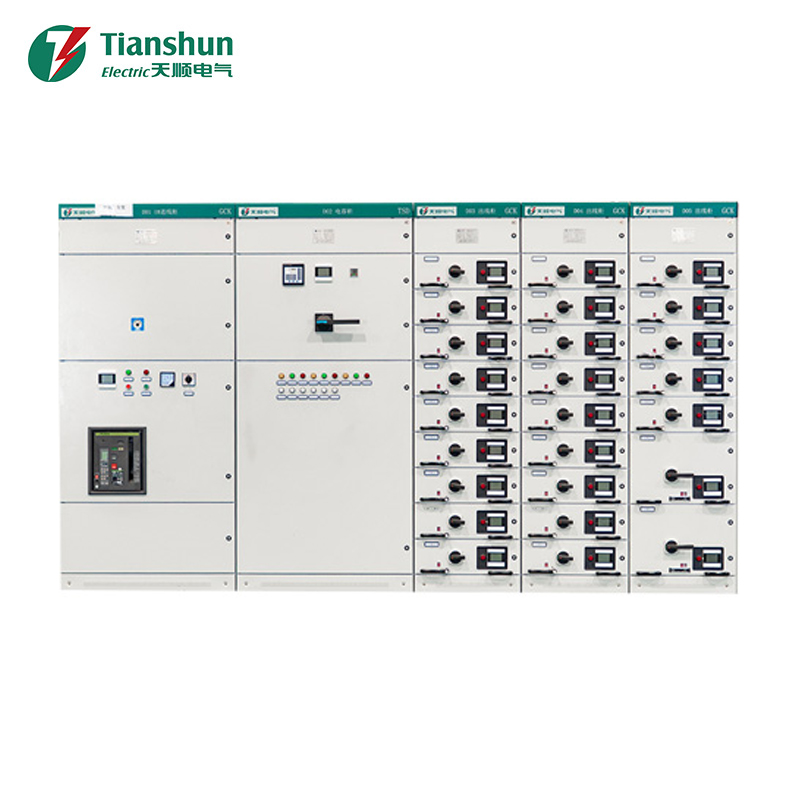
When a 110 kV circuit breaker fails to clear a fault, the consequences do not stay inside the substation fence. Downstream feeders lose supply, the disturbance propagates to neighboring lines, and th...
READ MORE
 Product Category
Low-Voltage Switchgear Factory
Product Category
Low-Voltage Switchgear Factory
1. Category Overview
Low-voltage switches are key components of low-voltage distribution equipment, primarily used to control and protect the current in electrical systems, ensuring the safe connection and disconnection of circuits. Low-voltage switches can withstand voltages of 1000V and below. Common types include circuit breakers, air switches, load switches, and residual current protection switches.
2. Application Areas
Residential and Commercial Buildings: Used for switch control at power access points to ensure user safety.
Industrial Electrical: In factories, production lines, and other equipment, responsible for switching currents and overload protection.
Infrastructure Construction: Used in fields such as power systems, transportation equipment, and public facilities to ensure the stable operation of electrical equipment.
Home Appliances and Small Devices: Used in household appliances for current control and fault protection.
3. Production and Manufacturing
The production of low-voltage switches is handled by professional electrical equipment manufacturers. The manufacturing process uses high-quality materials and strictly follows international electrical standards. Common manufacturers include Schneider, ABB, Siemens, etc. Products undergo rigorous testing to ensure reliability under high-frequency operation.
4. Services
Services for low-voltage switches include product installation, commissioning, regular inspection, and maintenance. Intelligent low-voltage switches can also support remote monitoring to detect and address faults promptly. The equipment typically features simple fault diagnosis functions, making it easier to operate and manage.
5. Advantages
High Safety: Equipped with overload protection, short-circuit protection, and residual current protection to ensure the safety of electrical devices and personnel.
Easy Operation: Well-designed for easy daily operation and fault diagnosis.
Strong Reliability: Robust structure and high durability, suitable for various working environments.
Intelligent Features: Intelligent low-voltage switches offer automation control, remote monitoring, and fault alerts.
Cost-Effective: Low maintenance cost, long product lifespan, and high cost-performance ratio.
About Us
Ningbo Tianshun Electric Co., Ltd
Ningbo Tianshun Electric Co., Ltd. is a China OEM Industrial Low Voltage Switchgear Supplier and Low-Voltage Switchgear Factory, located in Xiangshan Coastal Industrial Park, boasting a superior geographical location and convenient transportation. As a company deeply rooted in the power transmission and distribution industry, we uphold the core values of "Integrity, Innovation, and Excellence." Our team consists of seasoned professionals with over 20 years of industry experience, providing one-stop services covering R&D, production, and after-sales support.
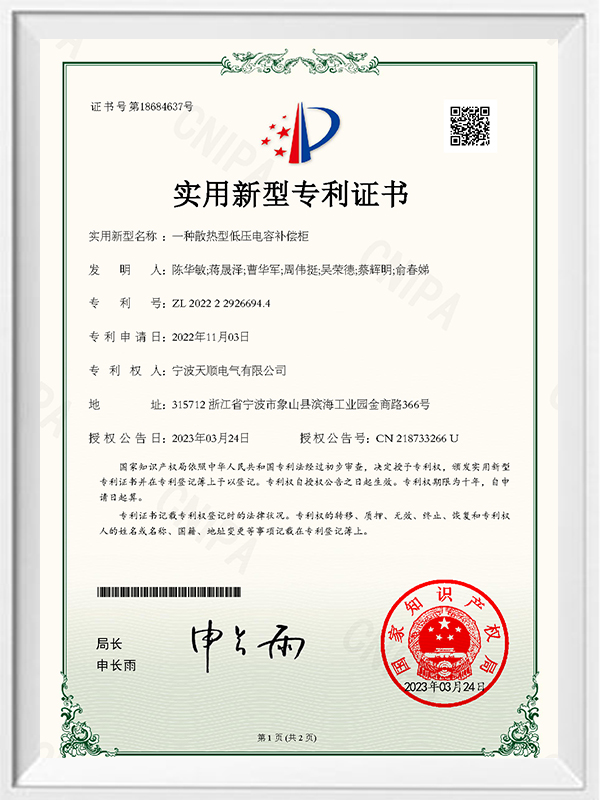
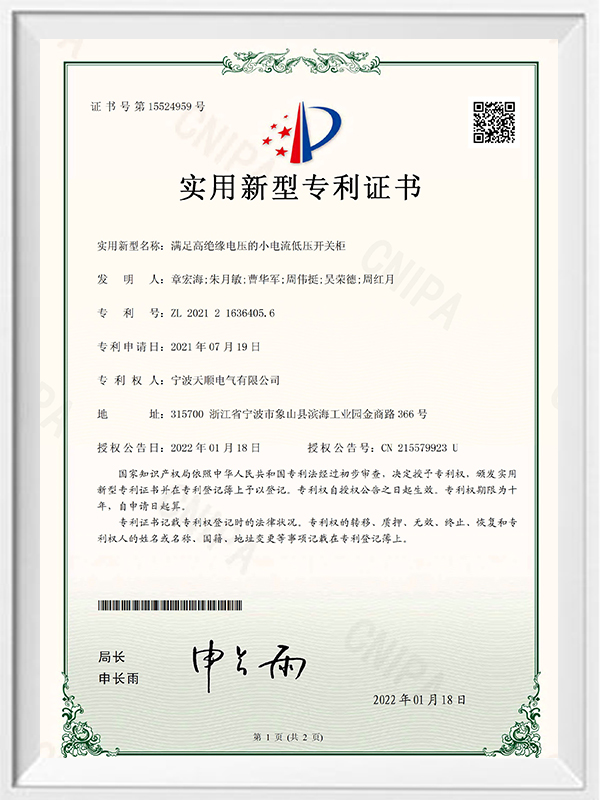
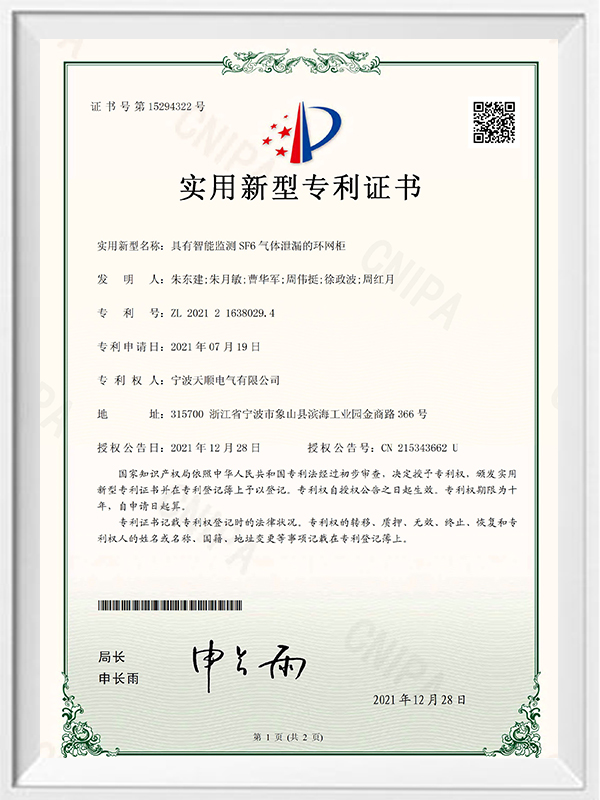
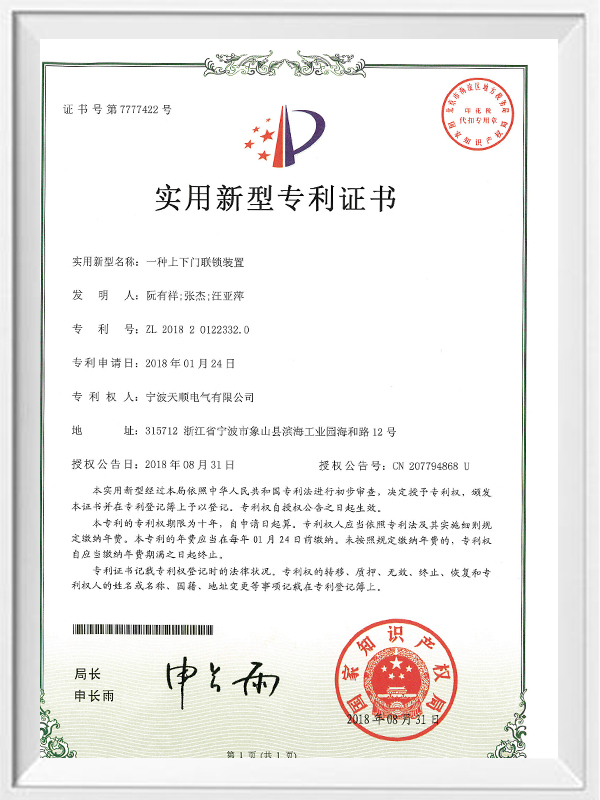
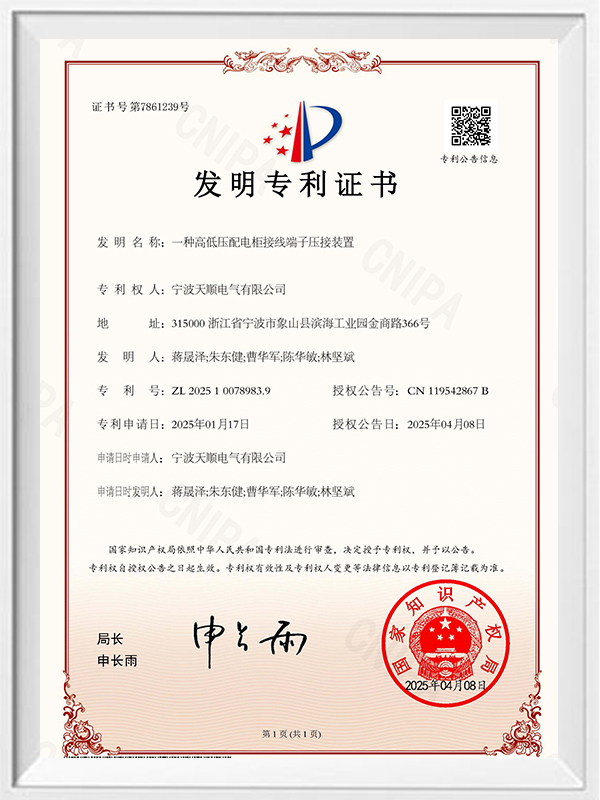
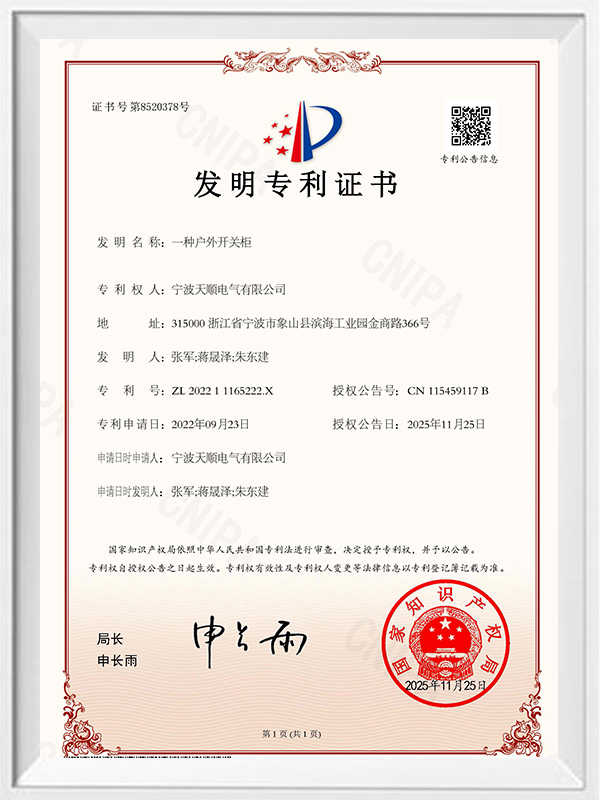
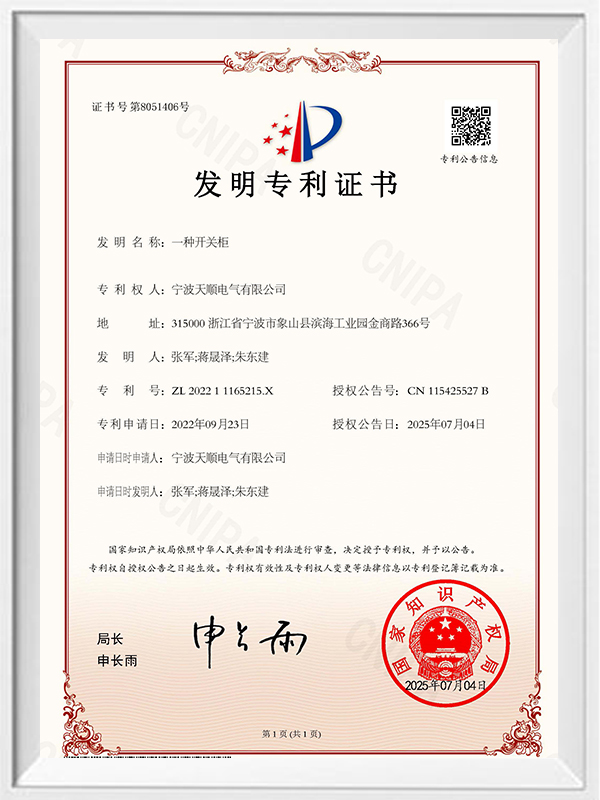
We specialize in a wide range of products, including high- and low-voltage switchgear assemblies and transformers, all of which have obtained multiple authoritative certifications such as CCC and ISO 9001. These products are widely applied across various fields and have earned high recognition from customers. Through technological innovation and standardized operations, we have been honored with numerous accolades, including the AAA-grade "Contract-abiding and Credit-worthy Enterprise" and "Zhejiang High-growth Technology-based SME." We remain committed to manufacturing high-quality, energy-efficient, and eco-friendly power transmission and distribution equipment.
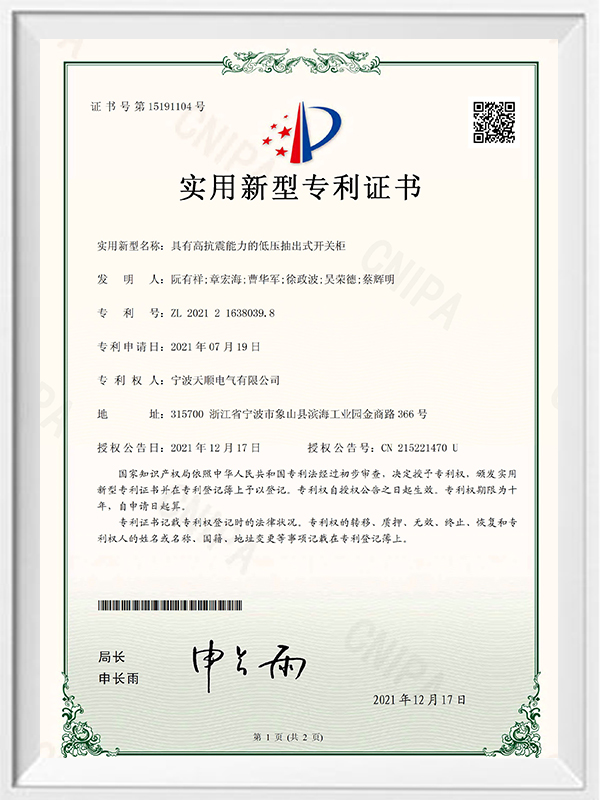
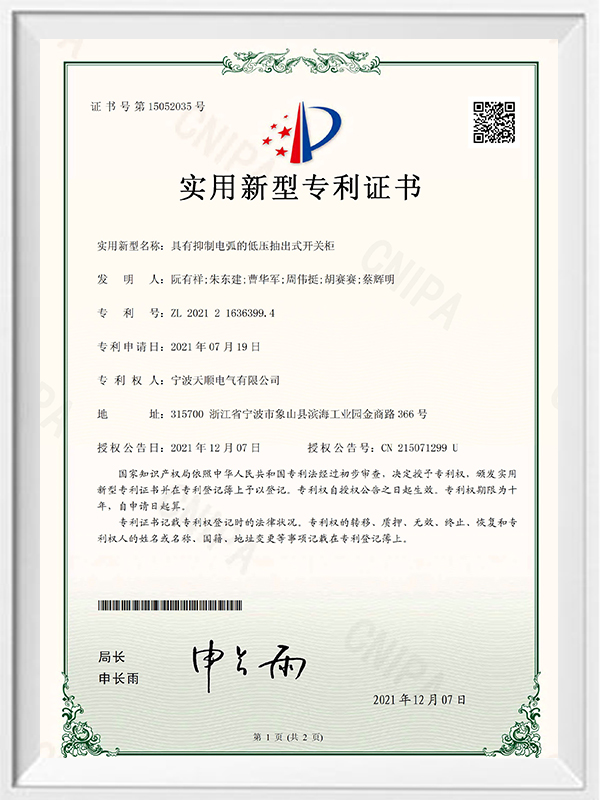
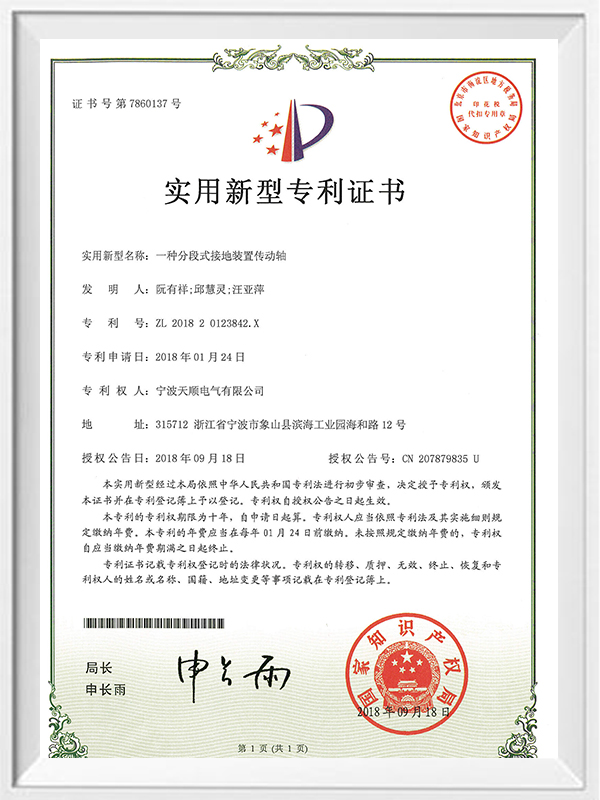
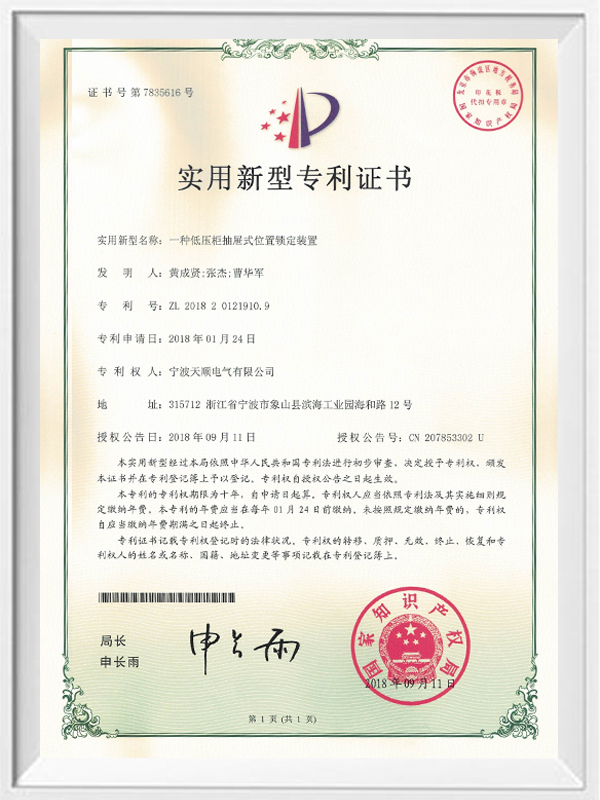
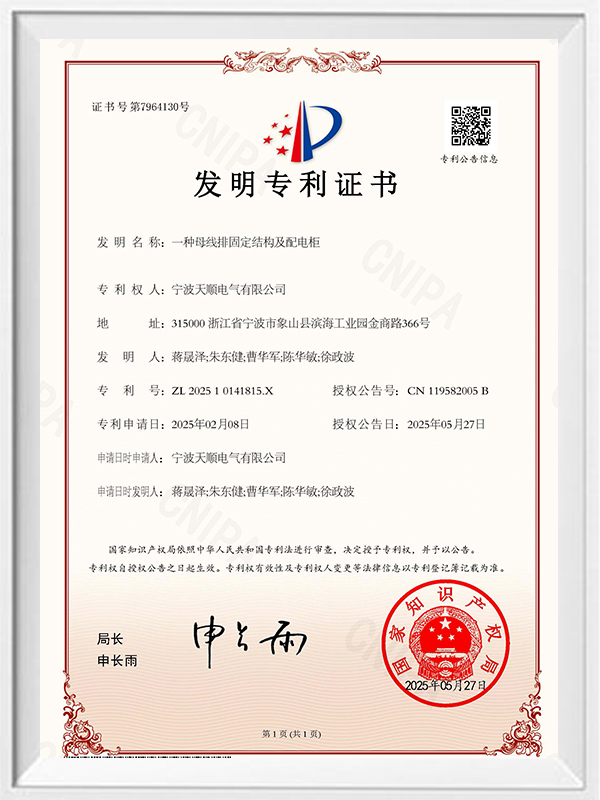
Certificate Of Honor
News
-
-
Electric Power Quality Problems Start Inside the Plant On a hot summer afternoon, an automation packaging line at a metal products plant kept tripping. The electrician confirmed that the incoming vol...
READ MORE -
A 400 kW compressor starts on the far side of the plant, the workshop lights dip for half a second, and three variable speed drives on the packaging line drop out together. Nothing is broken and no b...
READ MORE -
What Is a Dry-Type Transformer? A dry-type transformer is an electrical transformer that cools and insulates its windings using air, resin, or another non-liquid medium instead of oil. Unlike oil-imm...
READ MORE
Message Feedback
Low-Voltage Switchgear Industry knowledge
Core Advantages of Low-Voltage Switchgear
Low-Voltage Switchgear controls, protects, and distributes electrical power at 1kV and below, forming the final layer of protection between the power supply and connected equipment. A properly coordinated switchgear panel can clear a short-circuit fault in under 50 milliseconds, limiting thermal and mechanical stress on cables, motors, and other downstream devices.
Ningbo Tianshun Electric Co., Ltd., located in Xiangshan Coastal Industrial Park with a superior geographical location and convenient transportation, has been deeply rooted in the power transmission and distribution industry for over 20 years. The company's leadership, sales, technical, and production personnel bring extensive engineering and manufacturing experience to the design of low-voltage switchgear panels.
Key Benefits
- Fast fault clearance that protects downstream cables and equipment from damage
- Improved operator safety through clear labeling, interlocking, and arc-flash mitigation
- Flexible circuit configuration to match load requirements across different areas
- Lower maintenance costs due to compact, standardized panel construction
How Low-Voltage Switchgear Operates
A low-voltage switchgear panel combines circuit breakers, contactors, and protection relays that continuously monitor current and voltage. When a relay detects an overcurrent, short circuit, or earth fault, it sends a trip signal that opens the associated breaker within milliseconds, isolating the faulty circuit while leaving the rest of the system energized and operational.
Main Functional Sections
| Section | Function |
|---|---|
| Incoming Section | Receives supply from the transformer or upstream source |
| Busbar Section | Carries and distributes current to individual feeders |
| Outgoing Feeders | Supplies branch circuits with dedicated protection devices |
| Protection & Control | Monitors electrical parameters and triggers trip signals |
Precise coordination between breaker ratings and relay settings is essential to ensure only the faulty section trips, rather than shutting down the entire system. With more than 20 years of manufacturing experience, the technical team at Ningbo Tianshun Electric Co., Ltd. applies standardized wiring and testing procedures, and the company's switchgear products have obtained multiple authoritative certifications, including CCC and ISO 9001.
Selecting and Maintaining Low-Voltage Switchgear
Choosing the right switchgear panel depends on rated current, the number of outgoing circuits, short-circuit withstand capability, and the installation environment. Facilities with sensitive equipment, such as data centers or hospitals, often require faster trip times and more granular protection zoning compared with general industrial applications.
Selection and Maintenance Checklist
- Match rated current and short-circuit capacity to the actual load and fault level
- Confirm enclosure protection rating suits the installation environment
- Schedule regular thermal imaging checks to detect loose connections early
- Verify certification documents such as CCC and ISO 9001 before procurement
Through technological innovation and standardized operations, Ningbo Tianshun Electric Co., Ltd. has been honored with accolades such as the AAA-grade "Contract-abiding and Credit-worthy Enterprise" and "Zhejiang High-growth Technology-based SME," reflecting a sustained focus on manufacturing quality across its switchgear product lines.
Frequently Asked Questions
Q1: What voltage range does low-voltage switchgear typically cover?
Low-voltage switchgear generally covers systems operating at 1kV and below, which includes most commercial, residential, and light industrial distribution networks.
Q2: How often should low-voltage switchgear be inspected?
Routine visual inspections are generally recommended every three to six months, with a more thorough electrical test performed annually to check breaker operation, insulation resistance, and connection tightness.
Q3: Can low-voltage switchgear panels be expanded after installation?
In many cases, yes. Modular panel designs allow additional feeder units to be added later, provided the busbar rating and enclosure space can accommodate the increased load.
Q4: What after-sales support should customers expect?
Reliable suppliers should offer installation guidance, commissioning assistance, and prompt fault handling. Ningbo Tianshun Electric Co., Ltd. provides this one-stop support through its experienced technical and production teams, helping ensure stable long-term operation of the installed equipment.

-
Please feel free to contact us if needed!
Contact Us -
Quick Links
Home About Us Products Applications News Contact -
Contact Us
nbtsdq@163.com +86-15757467313 +86-574-65800646 No. 1, Jiuzhou Road, Xiangshan County, Ningbo City, Zhejiang Province, China -
Get Touch
Copyright © 2026 by Ningbo Tianshun Electric Co., Ltd All Rights Reserved.
OEM Industrial Low Voltage Switchgear Supplier
Low-Voltage Switchgear Factory
