

 English
 中文简体
 Español
 عربى

What Is Considered High Voltage Electrical Work? Voltage Limits Explained
Admin 2026-10-16Content
Ask five people in the electrical trade what counts as high voltage work and you will get five answers. A plant technician changing a 480 V feeder breaker calls his job high voltage every day. A substation crew racking out a 12 kV circuit breaker says exactly the same thing and means something completely different. Both are quoting a rulebook, and that rulebook decides who may open the panel, what they wear, and how close they may stand.
The short answer: in IEC based regions, high voltage electrical work generally means work on or near equipment rated above 1,000 V AC or 1,500 V DC. In North American practice the practical break line is 600 V, which leaves 480 V industrial work classified as low voltage. That label is a procedural category, not a measure of danger.
Where the high voltage line is drawn
The 1,000 V threshold comes from IEC 60038, which sets the low voltage band at up to 1,000 V AC and 1,500 V DC. North American utility practice splits the same scale differently, running medium voltage from 600 V to 69 kV and treating high voltage as starting around 115 kV. These are not competing facts, they are different scopes of work, and the scope decides which procedures apply.
| Standard or region | Low voltage | Medium voltage | High voltage |
|---|---|---|---|
| IEC 60038, international | Up to 1,000 V AC or 1,500 V DC | 1 kV to 36 kV | 36 kV to 245 kV, extra high above 245 kV |
| IEEE and ANSI utility practice, North America | Up to 600 V | 600 V to 69 kV | 115 kV to 230 kV, extra high above 230 kV |
| United Kingdom, BS 7671 and network practice | Up to 1,000 V AC | Not used as a formal legal band | Above 1,000 V AC |
| Australia and New Zealand, AS/NZS 3000 and utility practice | Up to 1,000 V AC | 1 kV to 22 kV in distribution practice | Above 1,000 V AC |
| China, GB standards | Up to 1 kV | 1 kV to 35 kV | 110 kV to 220 kV, extra high 330 kV to 750 kV |
The same 12 kV switchgear therefore carries three names. In IEC documents it is medium voltage, in North America usually medium voltage as well, and in the United Kingdom, Australia and much of Asia simply high voltage, because the only formal line there sits at 1,000 V. When a tender, a job description or a risk assessment uses the term high voltage, confirm which standard the author had in mind before quoting, staffing or scheduling the work.
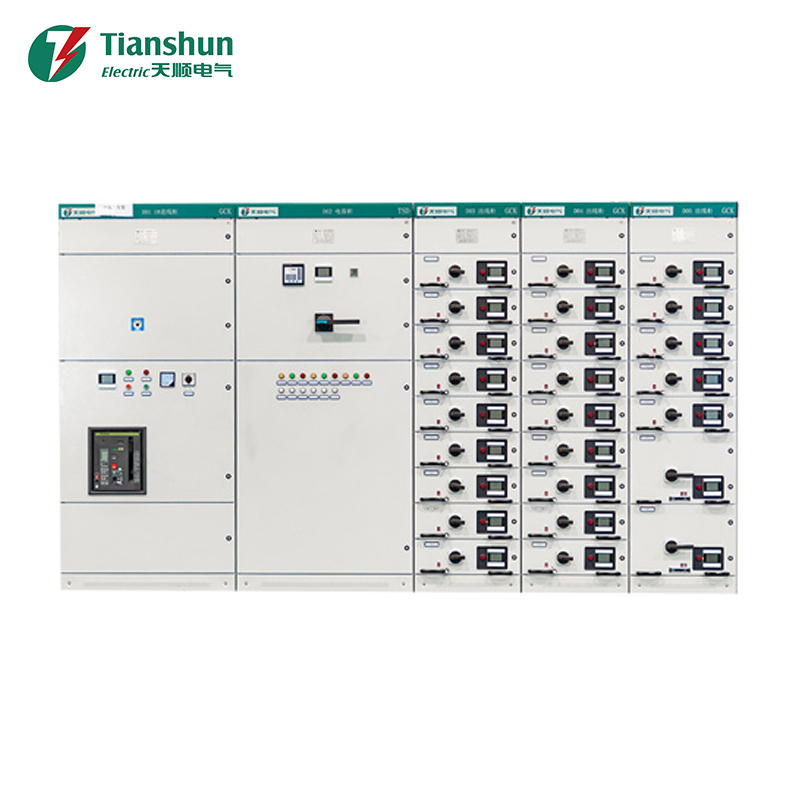
It also helps to picture the full scope. A high voltage distribution system includes the incoming switchgear, the busbars, protection and metering, the transformer, and the cabling and earthing that tie them together, and each element carries its own working rules and its own boundary distances.
Why 480 V work is not low risk
The classification is about rules, not lethality. A 480 V panel can produce an arc flash with incident energy well above the 8 cal/cm2 level at which arc rated clothing becomes mandatory, and contact with a 480 V busbar is no more forgiving than contact with a 4 kV one. Voltage sets the size of the boundary, not the existence of the hazard.
Approach boundaries are graduated rather than binary. The limited approach boundary for exposed fixed circuit parts in the 751 V to 15 kV range is commonly listed at 5 ft 0 in, against 3 ft 6 in at 480 V, and the restricted approach boundary moves from 1 ft 0 in to 2 ft 2 in across the same step. Those distances sit in the same task tables used for high voltage work, which is why many plants write one procedure for both bands.
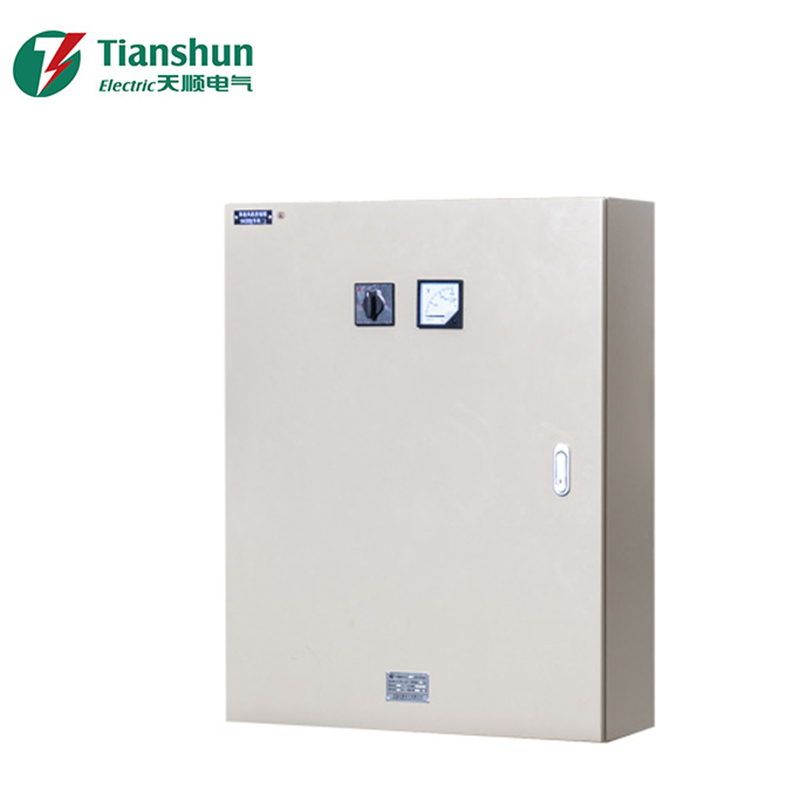
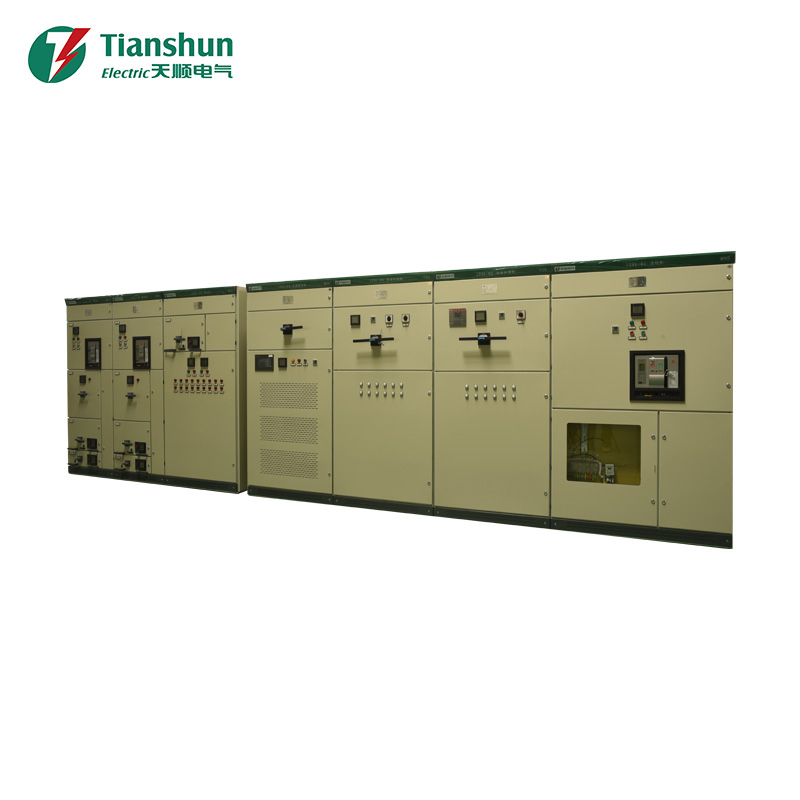
The task matters as much as the voltage. Racking a breaker, opening a disconnect under load, taking a live voltage reading and pulling cable into an energised compartment all carry different risk profiles at identical voltage. On the low voltage side, the switchboards, feeder breakers, busbars and cable boxes that make up a typical low voltage distribution equipment line-up can still call for arc rated PPE, insulated tools and a written job plan.
Medium voltage or high voltage: what the equipment label actually means
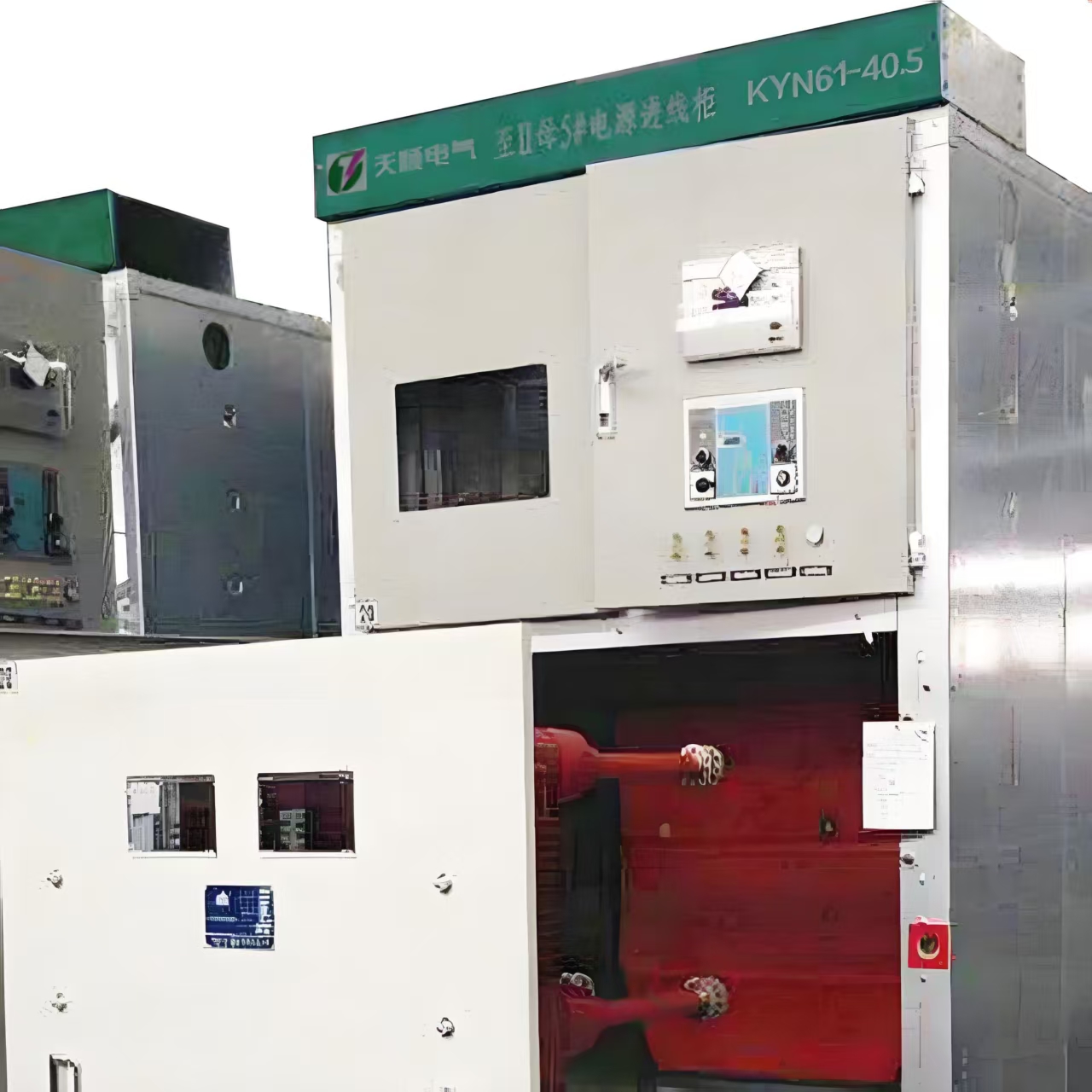
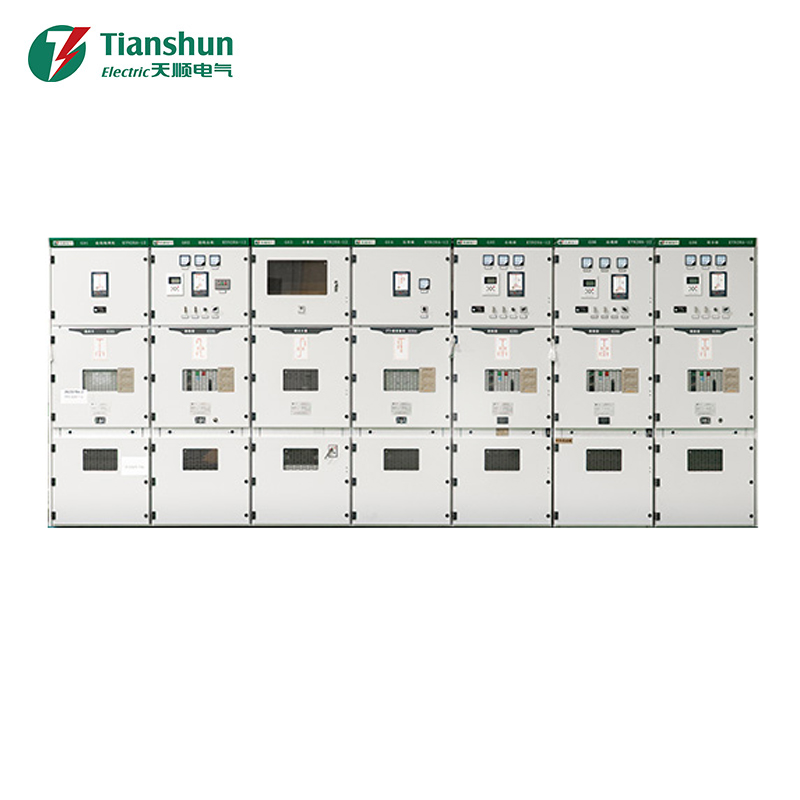
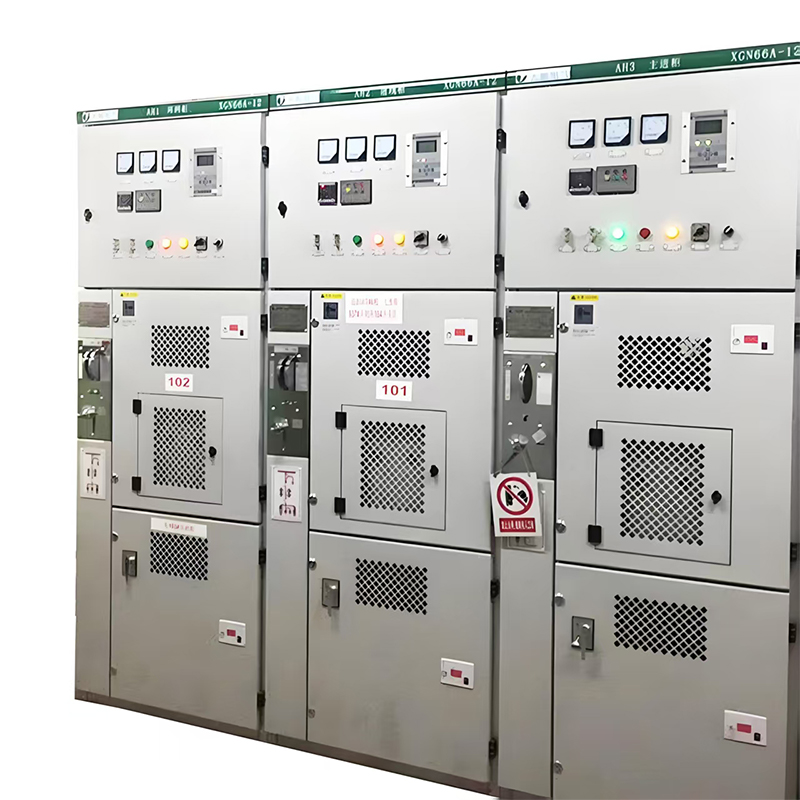
In IEC language, 12 kV and 24 kV switchgear is medium voltage. In catalogues and in many Asian and Middle Eastern markets the same product is sold as high voltage switchgear, and buyers search for it under that name. A specification that says high voltage switchgear usually means equipment from 3.6 kV to 40.5 kV that needs voltage rated test instruments, trained personnel, and the earthing and isolation discipline that goes with them.
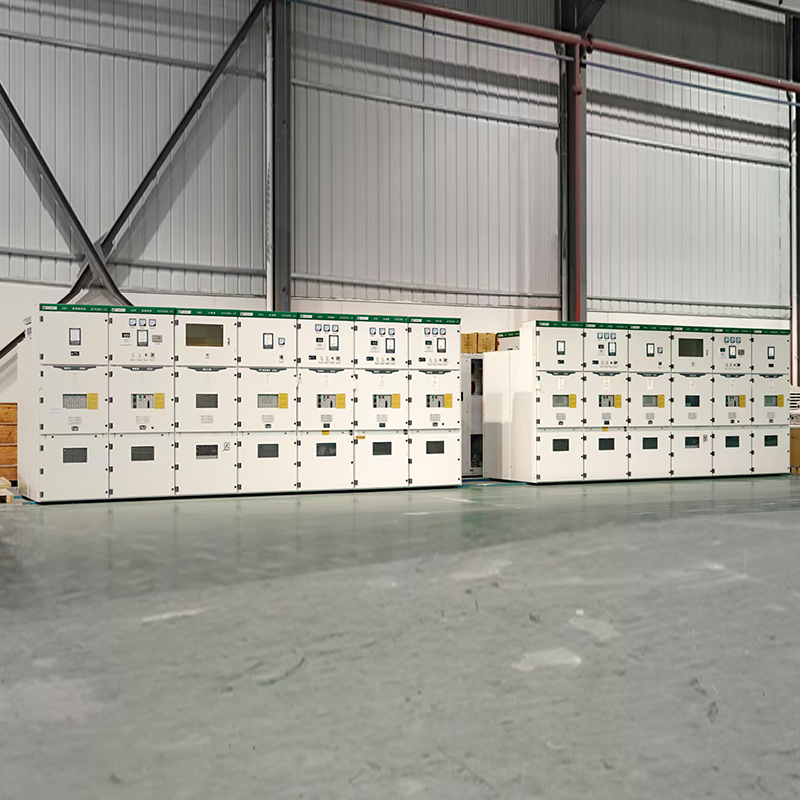 KYN28A-12 12 kV Indoor Metal-Clad Withdrawable SwitchgearA common 12 kV indoor metal-clad withdrawable switchgear with segregated compartments and a withdrawable circuit breaker for distribution substations and industrial plants.View Product →
A common indoor example is the KYN28A-12, a 12 kV metal clad withdrawable switchgear used in distribution substations, industrial plants and commercial complexes. Its compartments are segregated, so the busbars, the withdrawable circuit breaker, the cable terminations and the low voltage control area are physically separated; an arc in one compartment is contained, and the breaker can be withdrawn for service while the busbars stay energised.
- 3.6 kV to 12 kV: indoor metal clad switchgear and ring main units, the most common class in industrial and commercial distribution.
- 24 kV to 40.5 kV: larger plants, utility secondary substations and longer cable runs.
- 72.5 kV and above: outdoor air insulated or gas insulated switchgear, usually on the transmission side of the network.
The voltage class also fixes what the equipment must survive. A 12 kV rated unit is typically tested at a 75 kV lightning impulse level and a 28 kV power frequency withstand for one minute, while a 40.5 kV unit moves up to 185 kV impulse. Rated short time withstand current, commonly 20 kA, 25 kA or 31.5 kA for one to four seconds, decides whether the assembly survives a real fault rather than a test.
What changes on site once work is classed as high voltage
Above the threshold the difference is procedural rather than dramatic, but it is not optional.
- A written switching program and a permit to work, with every operation sequenced and authorised before anyone touches the equipment.
- Isolation, locking, proving dead with a detector rated for the voltage class, then earthing at the point of work.
- Larger approach boundaries and a formal justification for live work, normally allowed only where de-energising would create greater risk.
- Authorised persons only, frequently under a two person rule with a named operator and a named supervisor.
- Matched tools and PPE: insulated gloves with in date test labels, voltage rated detectors, and arc rated clothing sized to the calculated incident energy.
- Recorded testing at handover, covering insulation resistance, dielectric withstand, relay secondary injection and interlock checks.
One reliable way to cut down the high voltage work a site has to perform is to move it into the factory. A prefabricated box type substation arrives assembled and factory tested, with the switchgear, transformer and low voltage distribution already wired and documented, which leaves foundations, cable termination, earthing and final commissioning as the site scope.
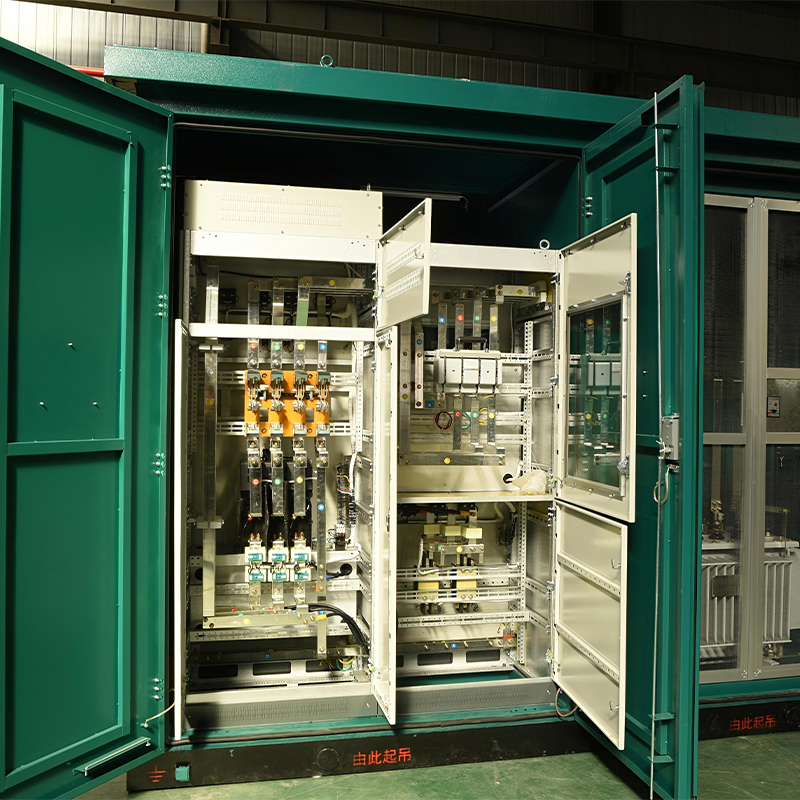 YB-12/0.4 Outdoor Prefabricated Box-Type Package SubstationFactory-assembled 12 kV/0.4 kV outdoor package substation integrating high-voltage distribution, transformer, and low-voltage distribution for faster on-site deployment.View Product →
A procurement checklist that follows the classification
The label changes who may work on the asset. It does not change what the asset has to withstand, so the same questions apply on both sides of the line.
- Rated voltage and insulation level, expressed in the standard the site actually uses.
- Rated short time withstand current, matched to the calculated fault level at the point of installation, with the duration stated in seconds.
- Internal arc classification and degree of protection, especially for equipment installed in accessible areas.
- Busbar material and current density, plus the temperature rise limit the design has to respect.
- Protection, metering and control wiring, including the interface to the site protection scheme or SCADA system.
- Ambient conditions, altitude derating, humidity and pollution level, all of which change insulation and cooling requirements.
- Cable entry direction, earthing bar arrangement and the maintenance space needed for safe withdrawal.
Transformers sit exactly on that boundary. A dry type transformer avoids oil, which suits indoor installation in buildings and plants, and its insulation class, temperature rise, cooling method and impedance have to be matched to the load profile and to the protection settings upstream.
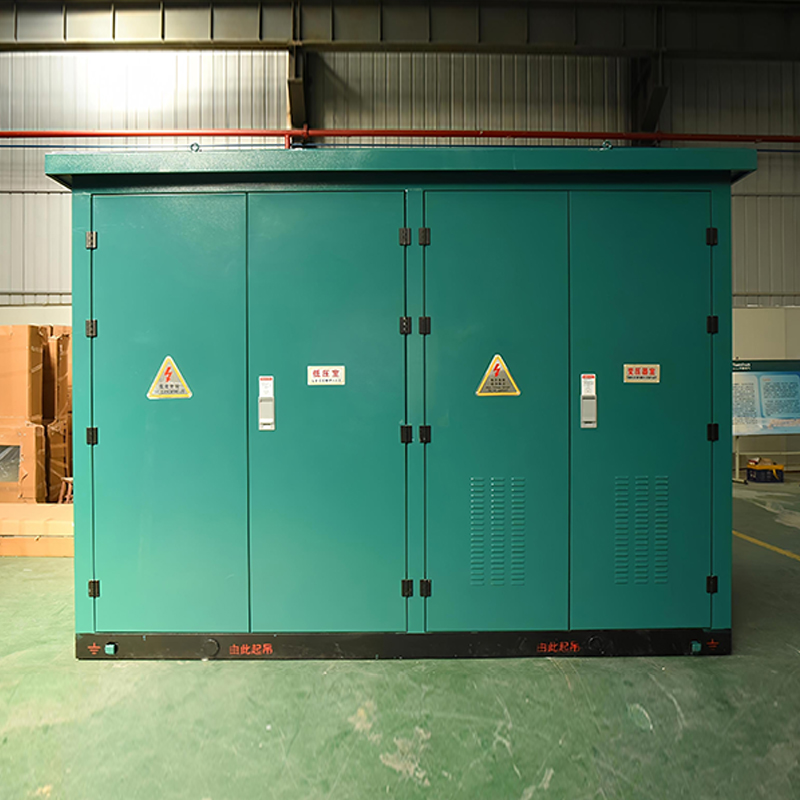 SCB13 and SCB14 10 kV Dry-Type Distribution TransformersEpoxy resin cast dry-type transformers from 630 to 2000 kVA for indoor distribution where oil fire and leakage risks are restricted.View Product →
The honest answer to what is considered high voltage electrical work is a question rather than a number: which standard governs this site, and what does it say about this voltage and this task? Under IEC rules the answer starts at 1,000 V, in North America at 600 V, and in every case the permits, the boundaries and the protective equipment follow the number.
Settle that classification while the drawings are still open, and the equipment ratings, the isolation scheme and the training plan fall into line before anyone removes a cover.
For exclusive deals and latest offers, sign up by entering your email address below.

-
Please feel free to contact us if needed!
Contact Us -
Quick Links
Home About Us Products Applications News Contact -
Contact Us
nbtsdq@163.com +86-15757467313 +86-574-65800646 No. 1, Jiuzhou Road, Xiangshan County, Ningbo City, Zhejiang Province, China -
Get Touch
