

 English
 中文简体
中文简体 Español
 عربى
عربى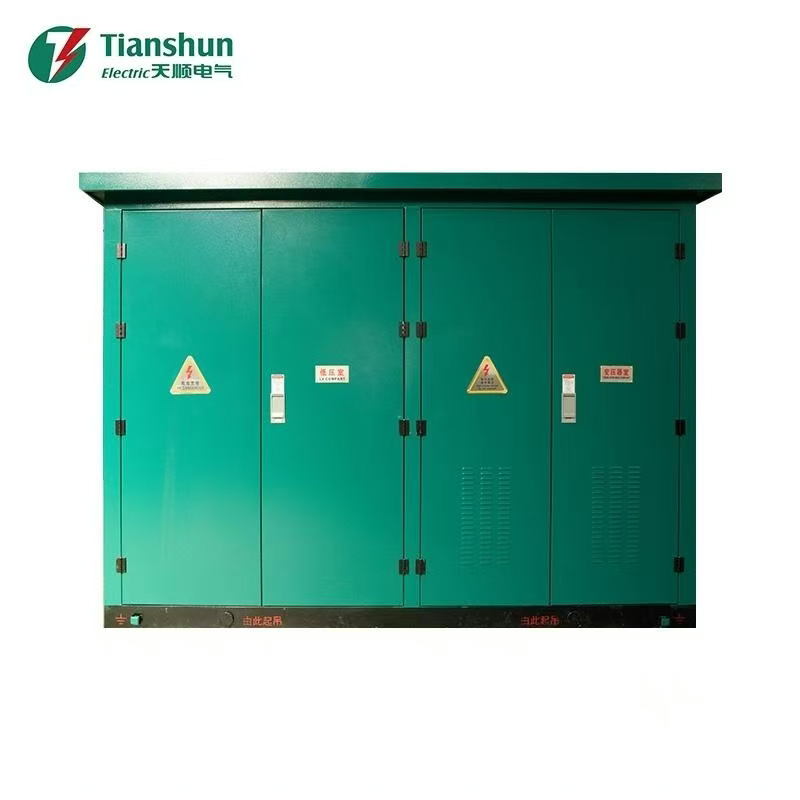
When a 110 kV circuit breaker fails to clear a fault, the consequences do not stay inside the substation fence. Downstream feeders lose supply, the disturbance propagates to neighboring lines, and the investigation eventually points back to equipment decisions made years earlier...
READ MORE
 Prefabricated Box-type Substation
Package Substation
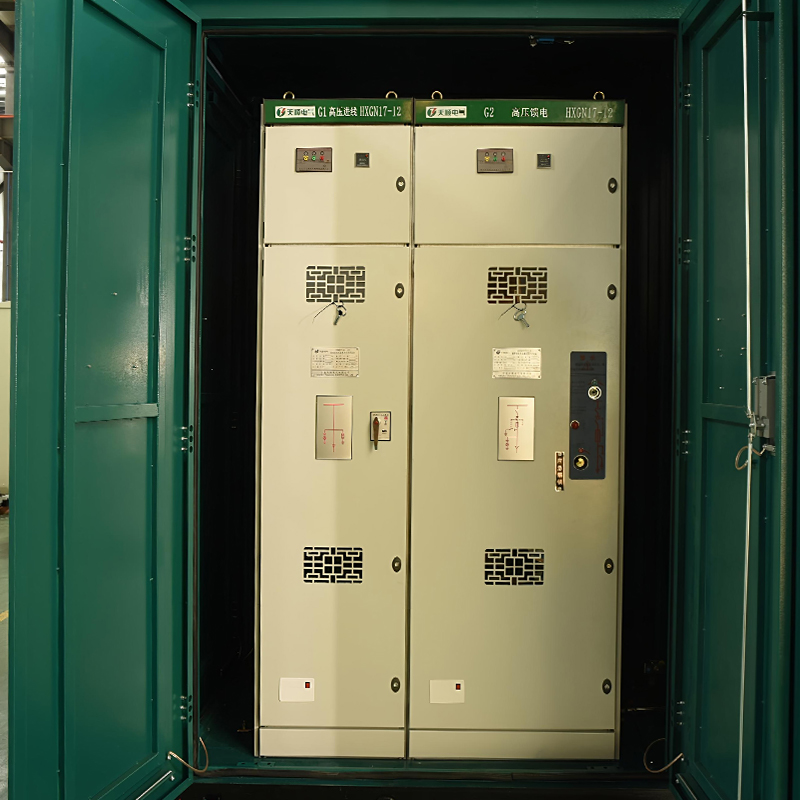
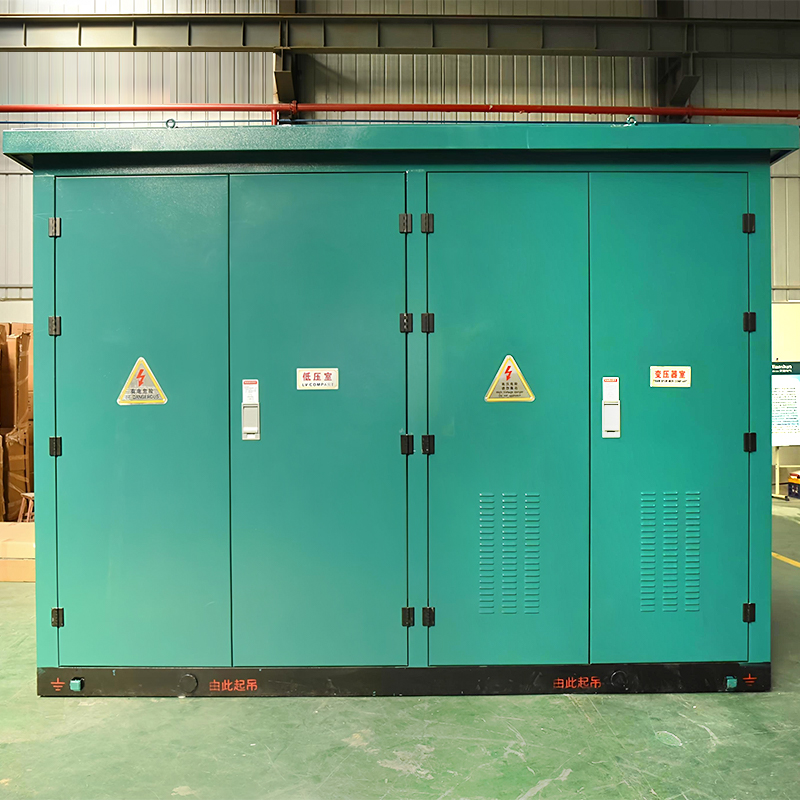
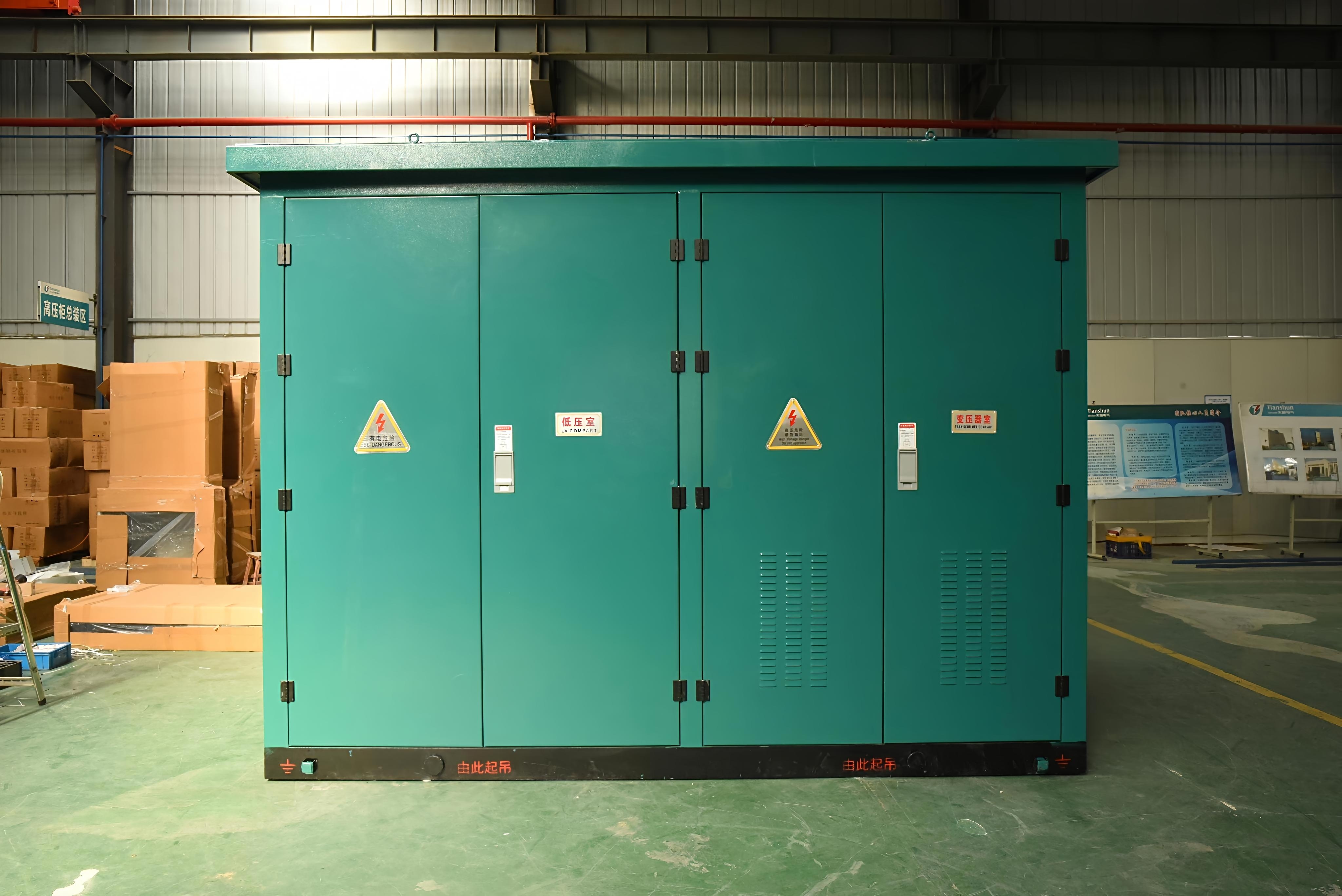
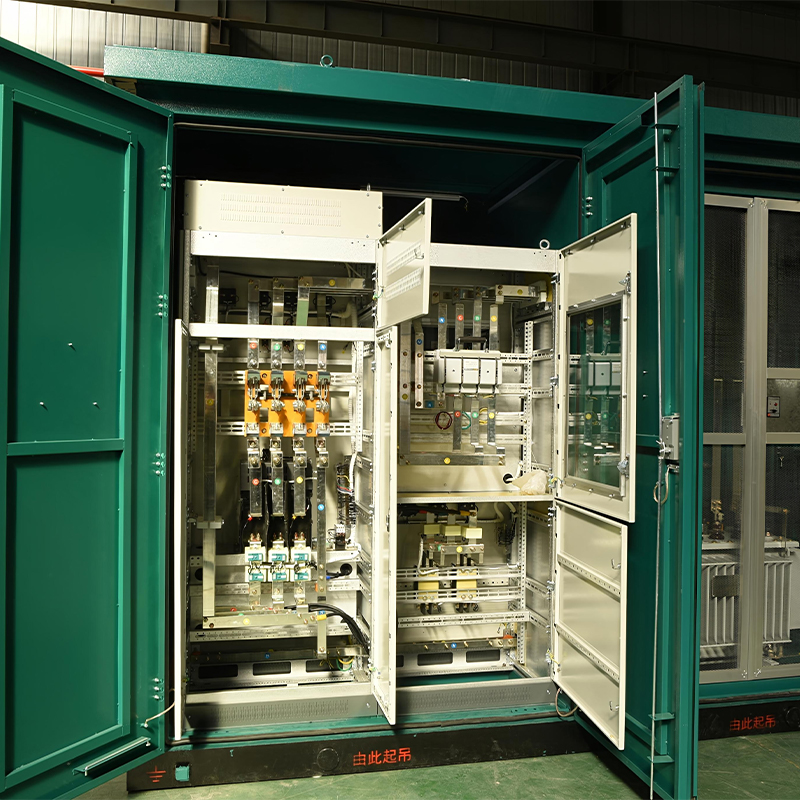
The YB-12/0.4 is a 12kV/0.4kV outdoor prefabricated package substation (box substation). It integrates high-voltage distribution, transformers, and low-voltage distribution into a complete power supply system, with the entire unit produced in the factory and directly deployed on-site.
 Application Scenarios
Production Features
Product Advantages
Application Scenarios
Production Features
Product Advantages
Residential communities, commercial districts, industrial parks, rural power grids
Municipal engineering: road lighting, parks, squares, schools, hospitals
Construction sites, mines, and temporary power supply locations
Renewable energy support: photovoltaic, wind power, charging stations, etc.
Outdoor distribution projects with high requirements for construction period, land area, and aesthetics
Integrated Design:
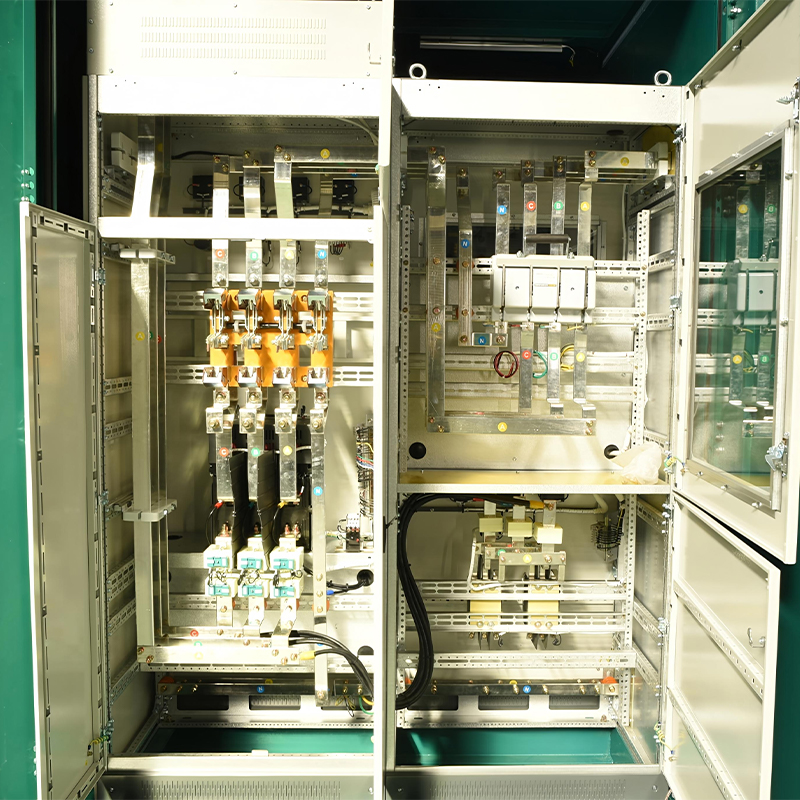
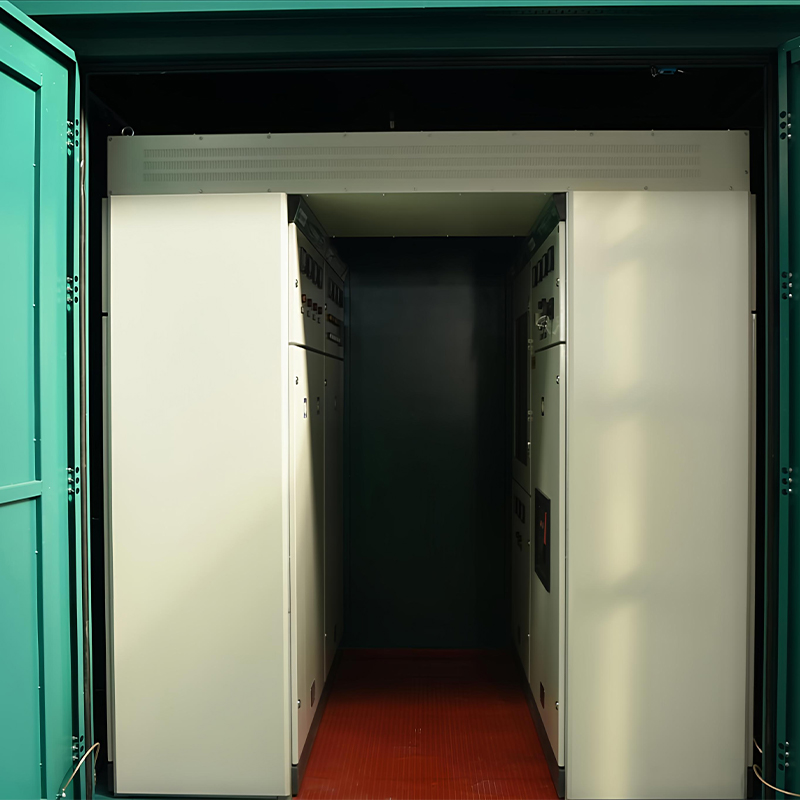
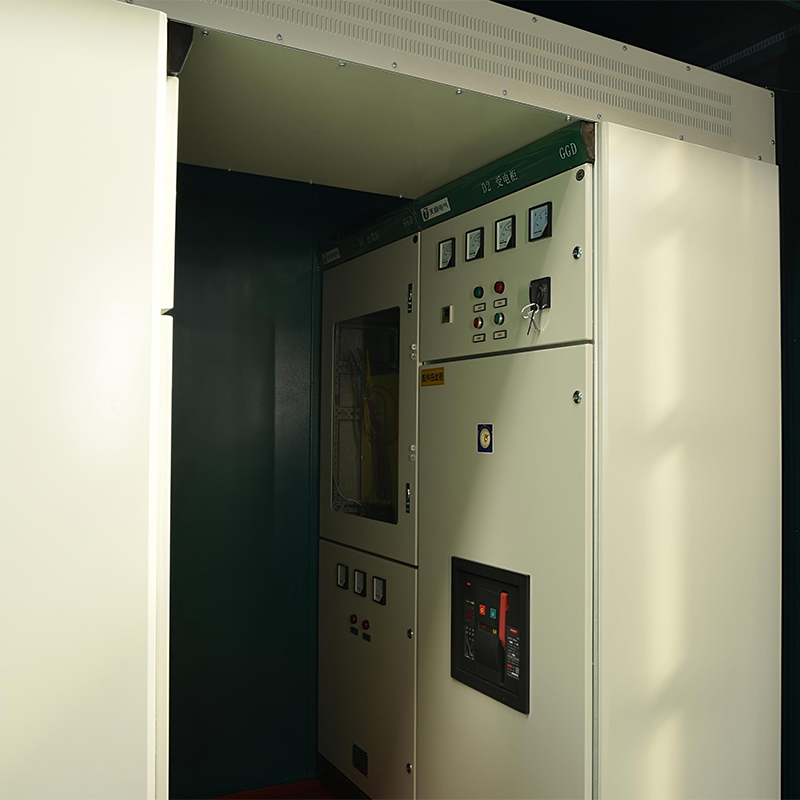
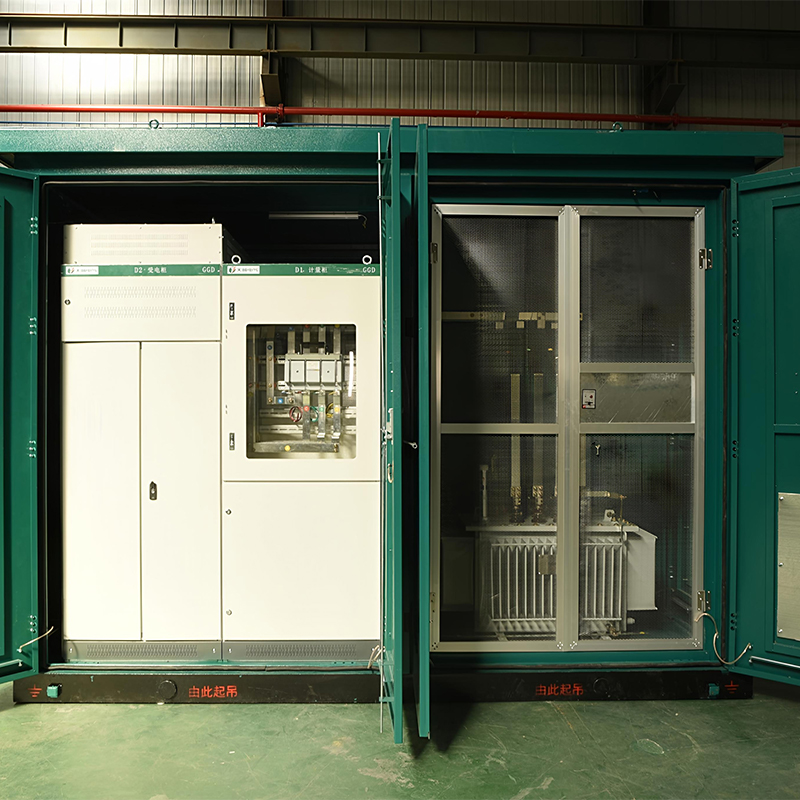
Composed of a high-voltage room, transformer room, and low-voltage room, with a compact structure.
Factory Prefabrication:
All cabinet assembly, electrical wiring, and testing are completed in the factory before shipment.
Material Technology:
The exterior can be made from composite panels, stainless steel, or aluminum alloy for corrosion resistance, rainproof, and sunproof.
Flexible Configuration:
The high-voltage section can be equipped with ring main units or fixed switchgear; the transformer can be oil-immersed or dry-type.
Fast Construction, Ready for Use:
Only foundation work and wiring are needed on-site before the system can be energized, significantly reducing construction time.
Small Footprint, Low Cost:
The integrated design saves land area and investment compared to traditional civil-constructed substations.
Outdoor Use, Strong Environmental Adaptability:
With a high protection rating, the substation is resistant to rain, dust, corrosion, and sun, making it suitable for long-term outdoor operation.
Aesthetic Design, Easy Integration with Environment:
The substation can be designed with various external appearances to blend seamlessly with residential or municipal landscapes.
Simple Maintenance, Reliable Operation:
Equipped with complete protection configurations and high automation, it requires minimal daily maintenance.
Contact us
If you need assistance, please enter your information below and we will contact you as soon as possible.
Related products
About Us
Ningbo Tianshun Electric Co., Ltd
Ningbo Tianshun Electric Co., Ltd. is a China Package Substation Manufacturer and OEM Package Substation factory, located in Xiangshan Coastal Industrial Park, boasting a superior geographical location and convenient transportation. As a company deeply rooted in the power transmission and distribution industry, we uphold the core values of "Integrity, Innovation, and Excellence." Our team consists of seasoned professionals with over 20 years of industry experience, providing one-stop services covering R&D, production, and after-sales support.
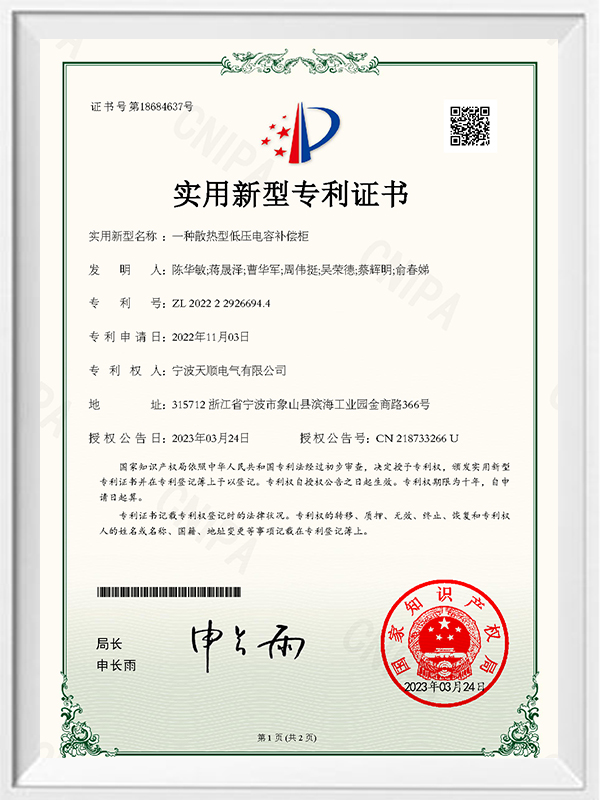
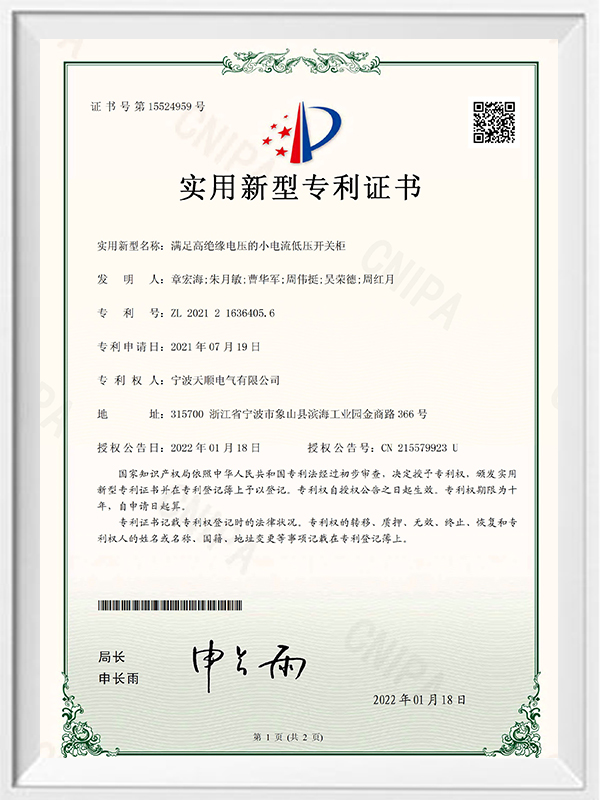
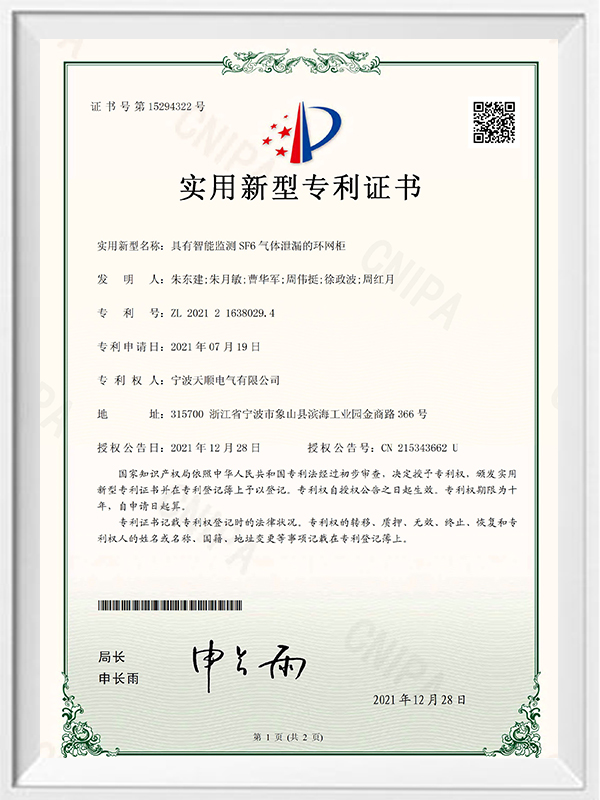
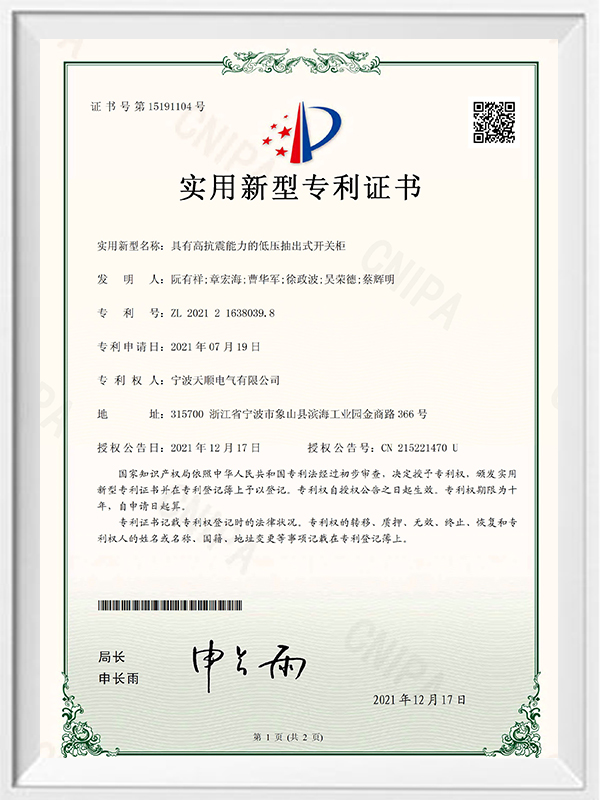
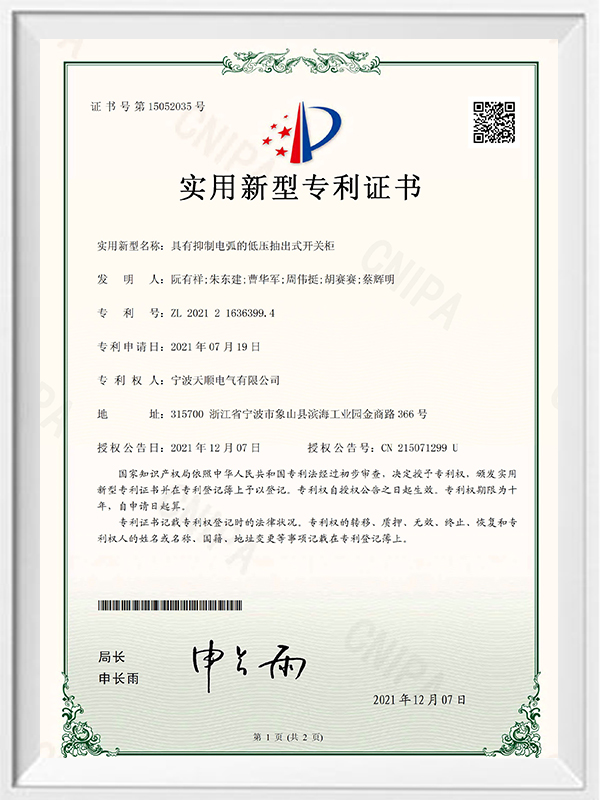
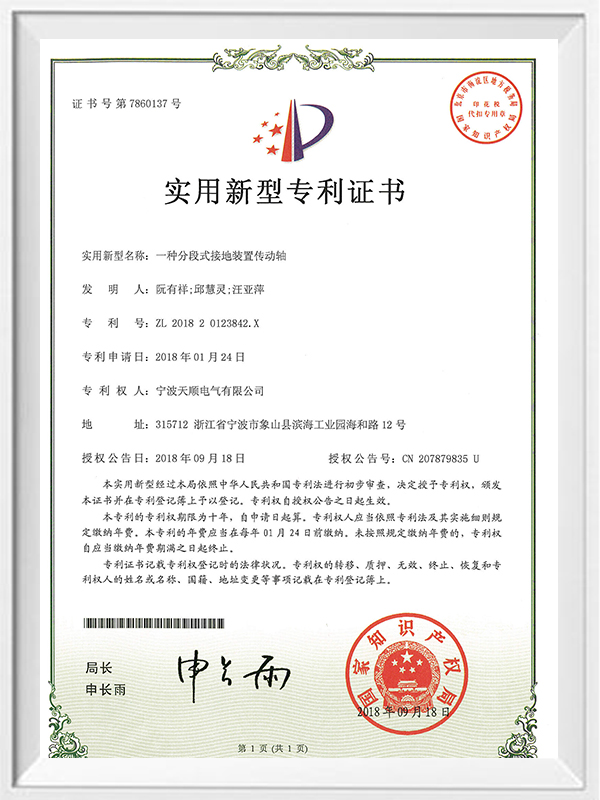
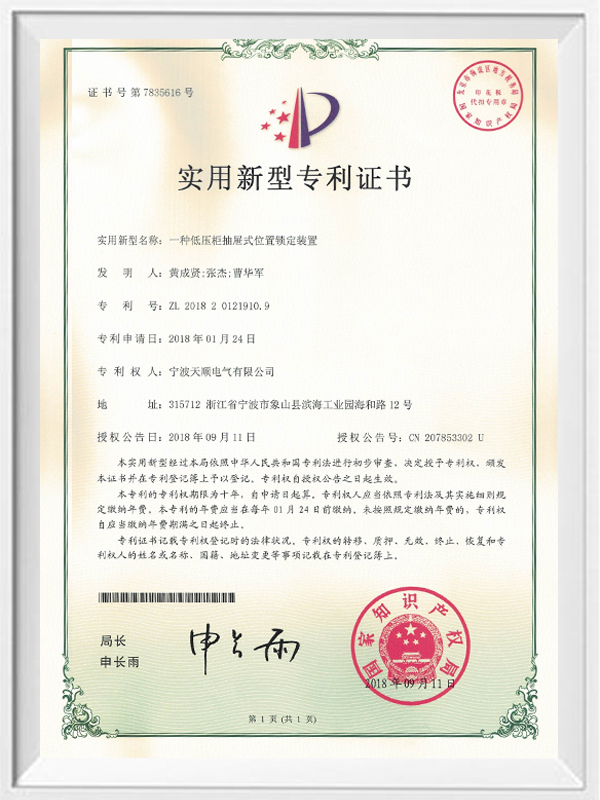
We specialize in a wide range of products, including high- and low-voltage switchgear assemblies and transformers, all of which have obtained multiple authoritative certifications such as CCC and ISO 9001. These products are widely applied across various fields and have earned high recognition from customers. Through technological innovation and standardized operations, we have been honored with numerous accolades, including the AAA-grade "Contract-abiding and Credit-worthy Enterprise" and "Zhejiang High-growth Technology-based SME." We remain committed to manufacturing high-quality, energy-efficient, and eco-friendly power transmission and distribution equipment.
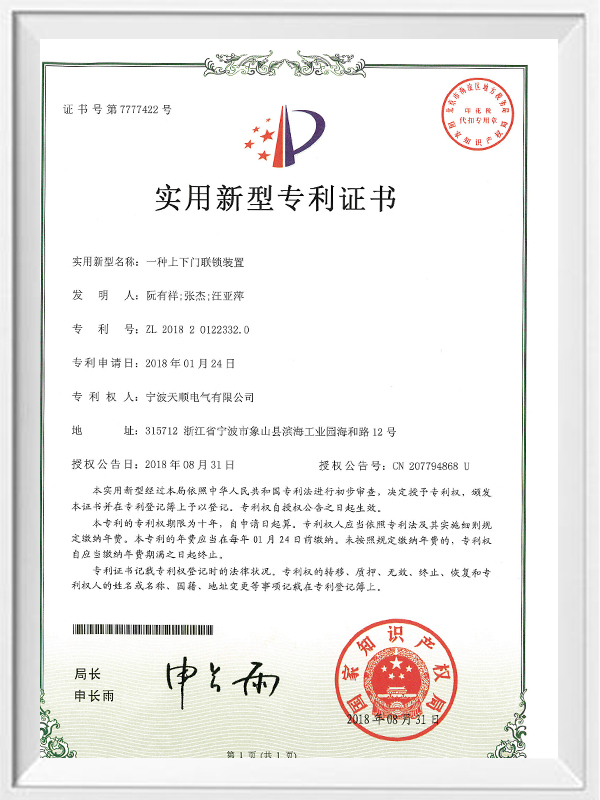
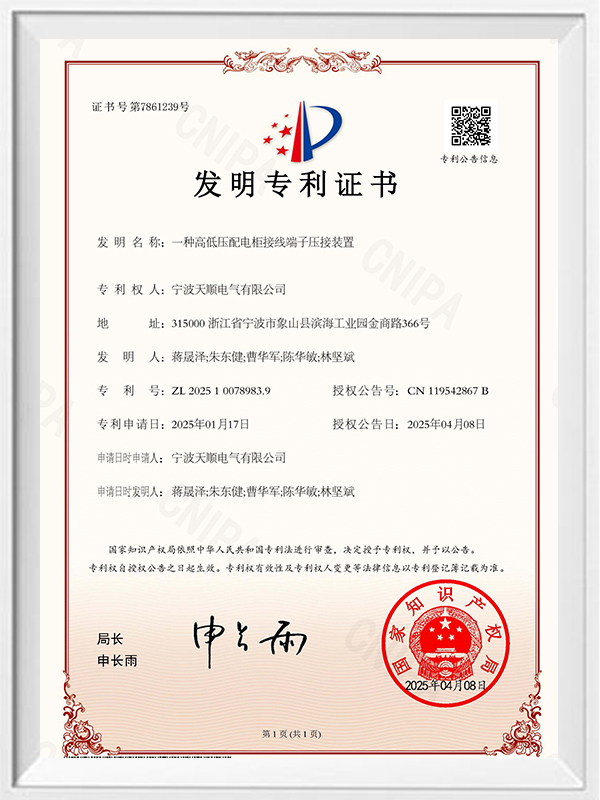
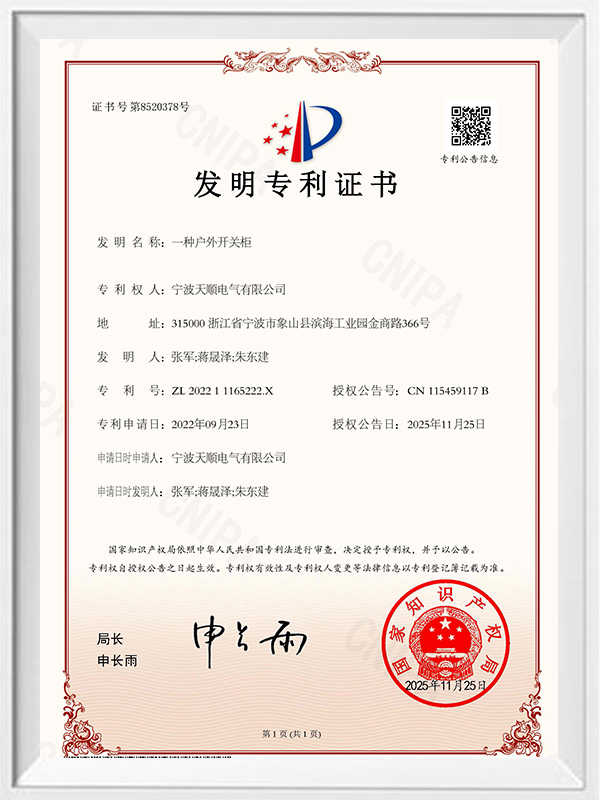
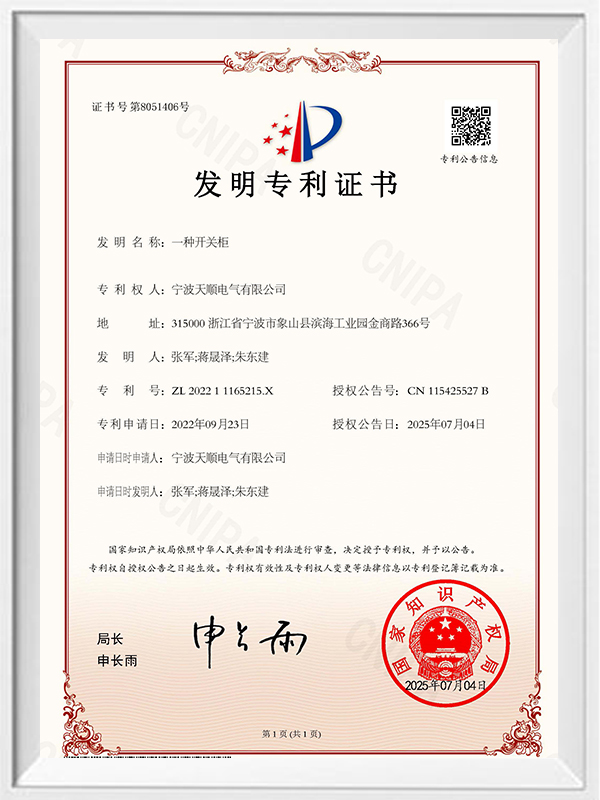
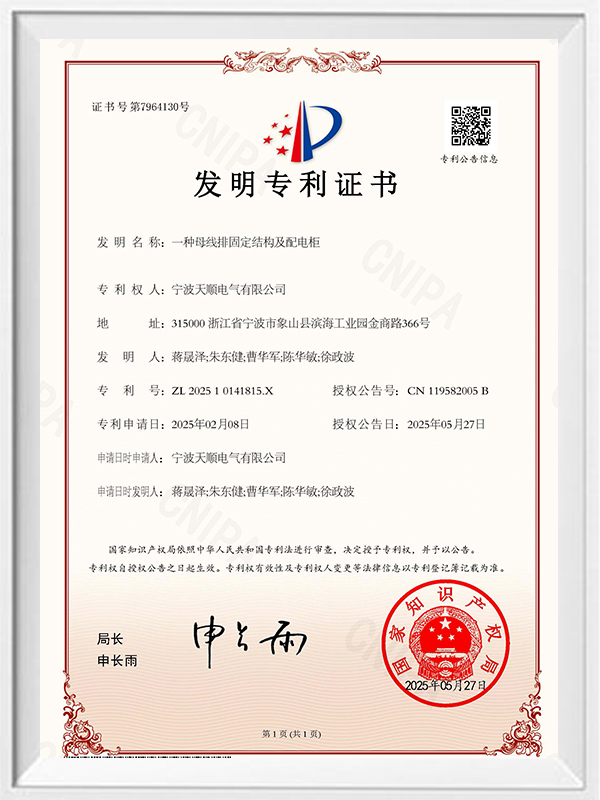
Certificate Of Honor
News
-
-
Electric Power Quality Problems Start Inside the Plant On a hot summer afternoon, an automation packaging line at a metal products plant kept tripping. The electrician confirmed that the incoming voltage dropped from 400V to 358V during the midday peak, lasting less than 100ms. ...
READ MORE -
A 400 kW compressor starts on the far side of the plant, the workshop lights dip for half a second, and three variable speed drives on the packaging line drop out together. Nothing is broken and no breaker has tripped on fault current, yet the line is down. That, in one sentence...
READ MORE
Message Feedback
Package Substation Industry knowledge
What Is a Package Substation and How Does It Work
A package substation is a fully enclosed, factory-assembled power distribution unit that integrates a transformer, high-voltage switchgear, and low-voltage switchgear into a single compact housing. Unlike traditional substations that require separate civil construction for each component, a package substation is manufactured and tested as one complete system before it ever reaches the installation site.
The working principle is straightforward: incoming high-voltage power enters the high-voltage switchgear compartment, where it is metered, protected, and switched. It then passes into the transformer compartment, where the voltage is stepped down to a usable level. Finally, the transformed power flows into the low-voltage switchgear compartment, where it is distributed to feeders, metering panels, or end-user circuits. Because all three functional sections share a common enclosure, cabling distances are minimized and internal losses are reduced.
Ningbo Tianshun Electric Co., Ltd. designs and produces package substations as part of its broader line of high- and low-voltage switchgear assemblies and transformers, drawing on decades of accumulated engineering experience in the power transmission and distribution sector.
Key Advantages of a Package Substation
Because a package substation is built and pre-tested in a controlled factory environment, it offers several practical benefits over conventional site-built substations:
- Faster deployment — since assembly and internal wiring are completed before delivery, on-site installation time can be reduced by roughly 60-70% compared with traditional brick-and-mortar substations.
- Smaller footprint — the compact enclosure allows installation in locations with limited space, such as urban commercial districts, industrial parks, or construction sites.
- Improved safety — the fully enclosed structure keeps live components isolated from the surrounding environment, reducing the risk of accidental contact and weather-related faults.
- Consistent quality — factory assembly means every unit undergoes the same testing procedures, which helps ensure stable performance once the equipment is energized.
- Lower long-term maintenance costs — integrated protection and monitoring components make it easier to detect faults early and schedule preventive maintenance.
Products from Ningbo Tianshun Electric Co., Ltd. carry certifications including CCC and ISO 9001, giving customers additional assurance regarding manufacturing quality and safety compliance.
Core Structural Components
A typical package substation is organized into three main functional compartments, each serving a distinct role in the power delivery chain.
| Compartment | Main Function | Typical Components |
|---|---|---|
| High-voltage compartment | Receiving, metering, and protecting incoming power | Switchgear, fuses, disconnectors |
| Transformer compartment | Stepping down voltage to usable levels | Oil-immersed or dry-type transformer |
| Low-voltage compartment | Distributing power to end circuits | Circuit breakers, metering panels, feeders |
Enclosure and Protection Level
The outer enclosure is typically rated for outdoor use, with protection levels commonly reaching IP33 to IP54 depending on the installation environment, helping the equipment withstand rain, dust, and humidity without compromising internal components.
Common Application Scenarios
Package substations are suited to situations where reliable power distribution is needed quickly and within a limited physical space. Common scenarios include:
- Industrial parks and manufacturing facilities requiring dedicated local power supply
- Commercial buildings, shopping centers, and residential complexes
- Temporary power needs on construction sites
- Renewable energy projects such as solar or wind farms that need step-up or step-down units near the generation point
Drawing on more than 20 years of engineering experience across leadership, sales, technical, and production teams, Ningbo Tianshun Electric Co., Ltd. supports customers with installation guidance, equipment commissioning, and fault handling to help ensure the package substation performs reliably once it is in service.
Selection Considerations Before Purchase
Choosing the right package substation depends on matching the equipment's specifications to the actual load and environmental conditions at the site. Key factors to evaluate include:
- Rated capacity — the transformer capacity should cover current load plus a reasonable margin for future expansion.
- Voltage class — confirm both the incoming high-voltage level and the required low-voltage output.
- Environmental rating — outdoor installations in humid or coastal areas benefit from higher enclosure protection ratings and corrosion-resistant materials.
- Certification requirements — verify that the unit meets applicable national and industry standards for the intended region.
With one-stop capability spanning R&D, production, and after-sales support, manufacturers such as Ningbo Tianshun Electric Co., Ltd. can help customers work through these considerations before finalizing a specification.
Frequently Asked Questions
Q1: How long does it take to install a package substation on site?
Because the unit arrives pre-assembled and factory-tested, on-site installation typically involves foundation preparation, cable connection, and commissioning, which can often be completed within a few days rather than the weeks required for a conventional substation.
Q2: Can a package substation be used outdoors year-round?
Yes, most units are designed with weatherproof enclosures rated for continuous outdoor exposure, though the specific protection level should be matched to local climate conditions such as rainfall, humidity, and temperature extremes.
Q3: What maintenance does a package substation require?
Routine maintenance generally includes periodic inspection of switchgear contacts, transformer oil or insulation condition checks, and cleaning of ventilation openings, with a full inspection recommended at least once a year.
Q4: Is customization available for special load requirements?
Many manufacturers offer configurable capacity, voltage class, and compartment layout options so the substation can be tailored to specific site and load conditions rather than relying on a single fixed design.

-
Please feel free to contact us if needed!
Contact Us -
Quick Links
Home About Us Products Applications News Contact -
Contact Us
nbtsdq@163.com +86-15757467313 +86-574-65800646 No. 1, Jiuzhou Road, Xiangshan County, Ningbo City, Zhejiang Province, China -
Get Touch
Copyright © 2026 by Ningbo Tianshun Electric Co., Ltd All Rights Reserved.
Package Substation Manufacturer
OEM Package Substation factory
