

 English
 中文简体
中文简体 Español
 عربى
عربى
When a 110 kV circuit breaker fails to clear a fault, the consequences do not stay inside the substation fence. Downstream feeders lose supply, the disturbance propagates to neighboring lines, and the investigation eventually points back to equipment decisions made years earlier...
READ MORE
 Transformation Equipment
Dry-type Transformer
The SCB13-630~2000/10 and SCB14-630~2000/10 are 10kV three-phase epoxy resin cast dry-type transformers, with capacities ranging from 630kVA to 2000kVA. These transformers are currently the mainstream efficient, energy-saving, and fire-safe dry-type transformers used in distribution engineering.
 Application Scenarios
Production Features
Product Advantages
Application Scenarios
Production Features
Product Advantages
Indoor Key Locations:
High-rise buildings, residential communities, commercial complexes, hospitals, schools, subways, airports, etc.
Industrial & Infrastructure:
Factories, industrial parks, data centers, renewable energy (solar, wind, storage) applications.
Projects Requiring High Fire, Moisture, Explosion, Low Noise, and Maintenance-free Specifications:
Distribution projects requiring safety and environmental considerations.
Urban Grid Renovation, Substations, and Box-type Substations:
Main transformers in these installations.
Core:
Uses high-permeability, oriented silicon steel sheets with 45° full bevel joints and a step-lap core structure.
Low no-load loss, low noise, and good magnetization performance.
Windings:
High Voltage: Copper wire/copper foil winding.
Low Voltage: Foil-type structure for better heat dissipation and strong short-circuit resistance.
Epoxy resin vacuum casting ensures high insulation strength and bubble-free design.
Structure and Craftsmanship:
Fully dry-type, oil-free, fire-resistant, and environmentally friendly.
Corrosion-resistant fasteners, high structural strength.
Temperature control, fan (optional), temperature display, and protection.
Protection class: IP20 / IP23 / IP30 / IP54 optional.
Manufacturing Standards:
Complies with GB/T 10228 and GB 20052 energy efficiency standards.
Each unit undergoes factory testing: dielectric strength, turn ratio, DC resistance, loss, partial discharge, etc.
SCB13-630~2000/10 Advantages:
Meets national Class 3 energy efficiency standards, with loss indicators better than the national standard.
High cost-performance ratio, suitable for most conventional distribution projects.
Fire-resistant, moisture-resistant, dustproof, short-circuit resistant, and reliable operation.
Oil-free, pollution-free, maintenance-free, and long lifespan.
Compact in size, low noise, ideal for dense indoor installations.
SCB14-630~2000/10 Advantages:
Meets national Class 2 energy efficiency standards, more energy-efficient than SCB13.
Significantly lower no-load and load losses, leading to reduced electricity costs over the long term.
Superior core materials and processes, resulting in even lower noise.
Suitable for long-term full-load operation, high electricity prices, and energy-saving-focused projects.
Environmentally friendly, safe, strong short-circuit resistance, suitable for high-end projects and renewable energy applications.
Contact us
If you need assistance, please enter your information below and we will contact you as soon as possible.
Related products
About Us
Ningbo Tianshun Electric Co., Ltd
Ningbo Tianshun Electric Co., Ltd. is a China Dry-type Transformer Manufacturer and OEM Dry-type Transformer factory, located in Xiangshan Coastal Industrial Park, boasting a superior geographical location and convenient transportation. As a company deeply rooted in the power transmission and distribution industry, we uphold the core values of "Integrity, Innovation, and Excellence." Our team consists of seasoned professionals with over 20 years of industry experience, providing one-stop services covering R&D, production, and after-sales support.
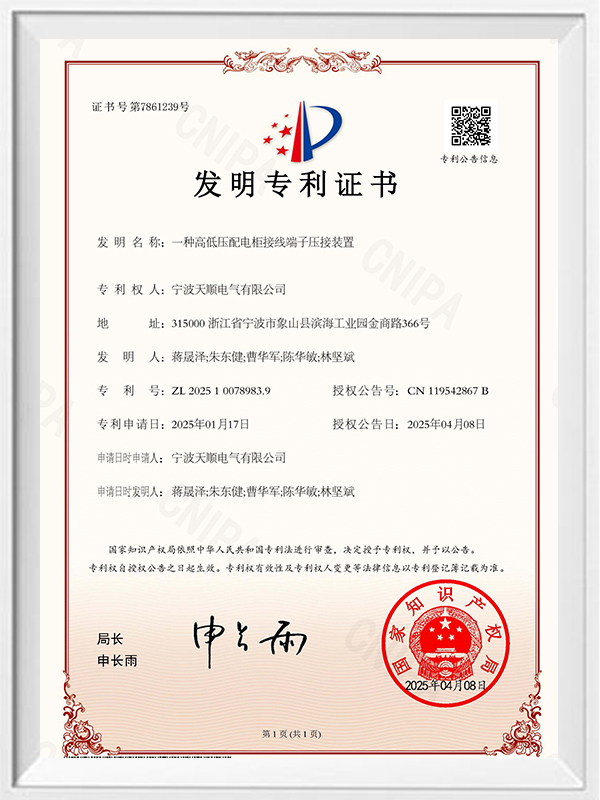
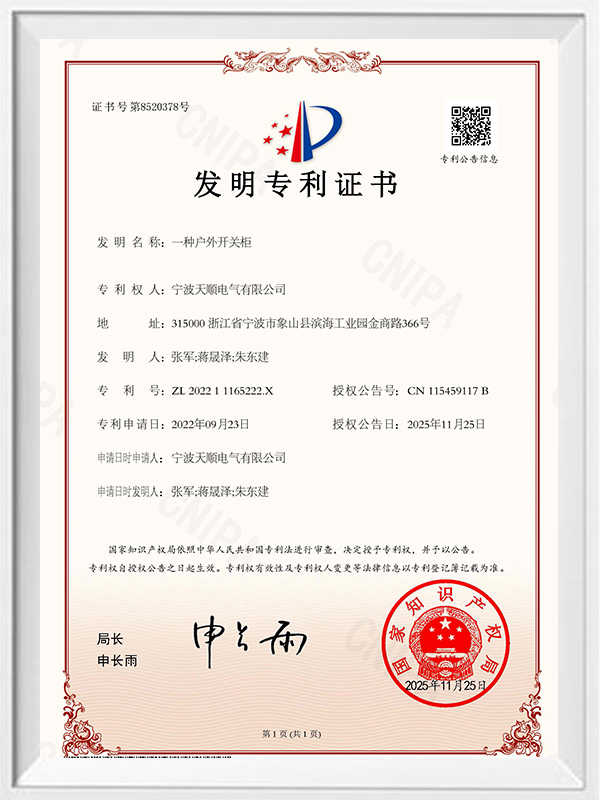
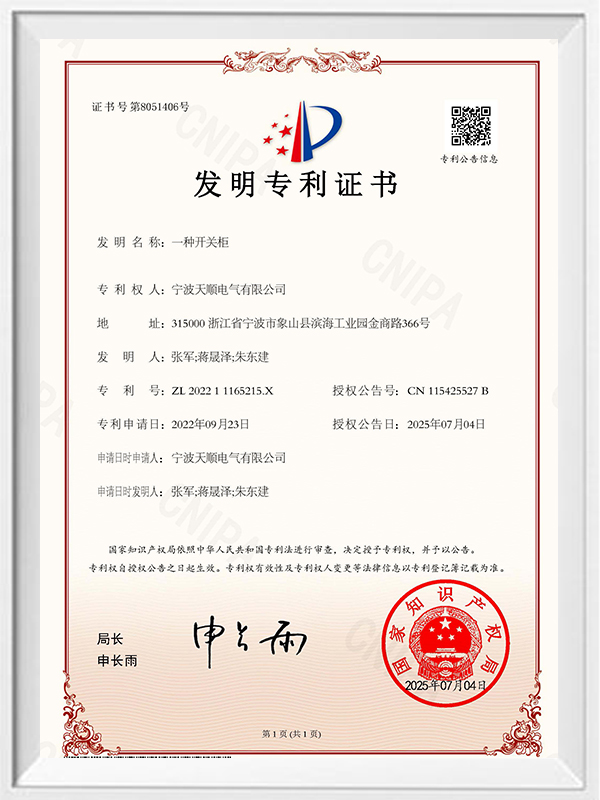
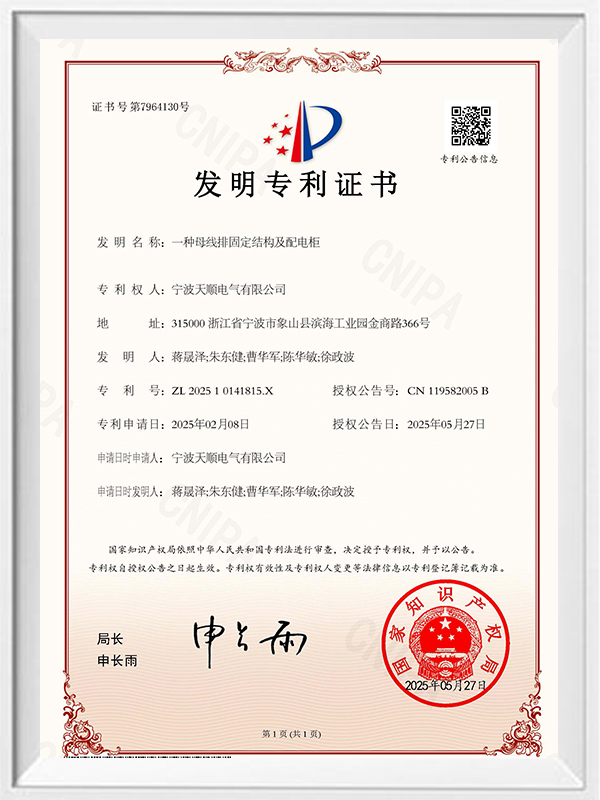
We specialize in a wide range of products, including high- and low-voltage switchgear assemblies and transformers, all of which have obtained multiple authoritative certifications such as CCC and ISO 9001. These products are widely applied across various fields and have earned high recognition from customers. Through technological innovation and standardized operations, we have been honored with numerous accolades, including the AAA-grade "Contract-abiding and Credit-worthy Enterprise" and "Zhejiang High-growth Technology-based SME." We remain committed to manufacturing high-quality, energy-efficient, and eco-friendly power transmission and distribution equipment.
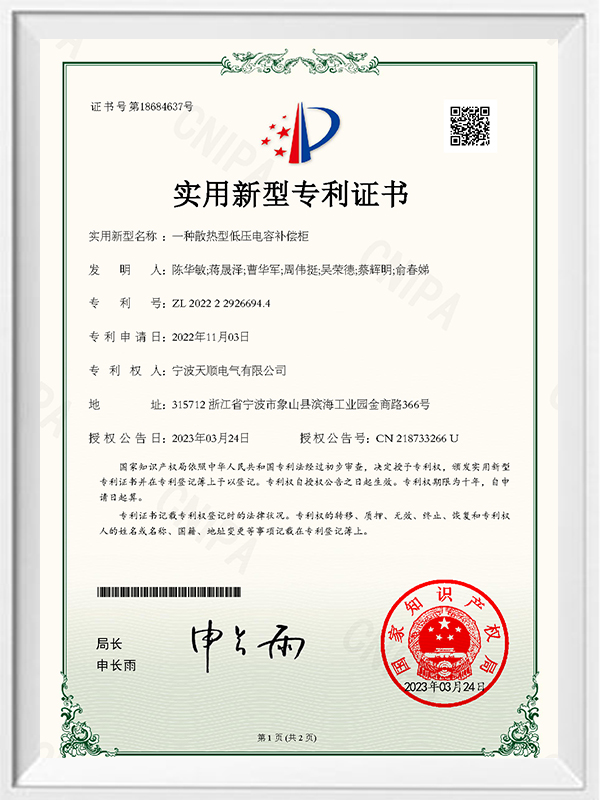
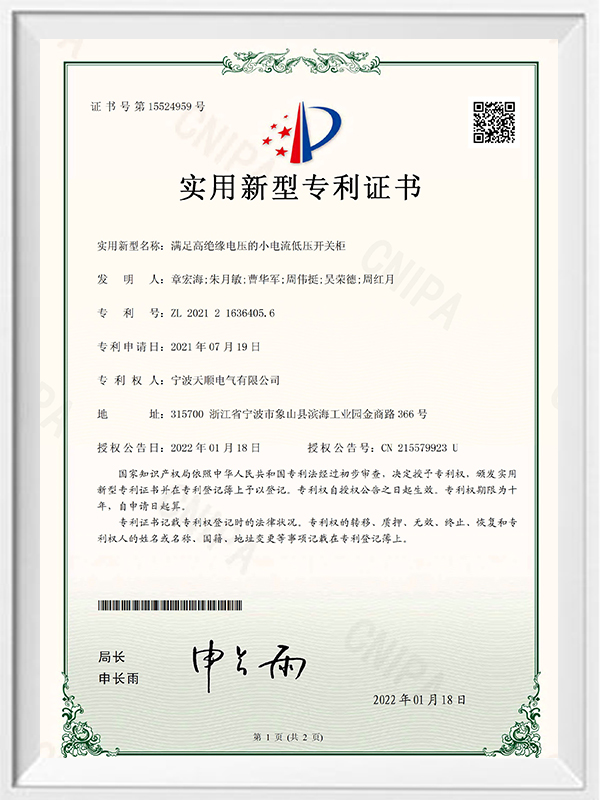
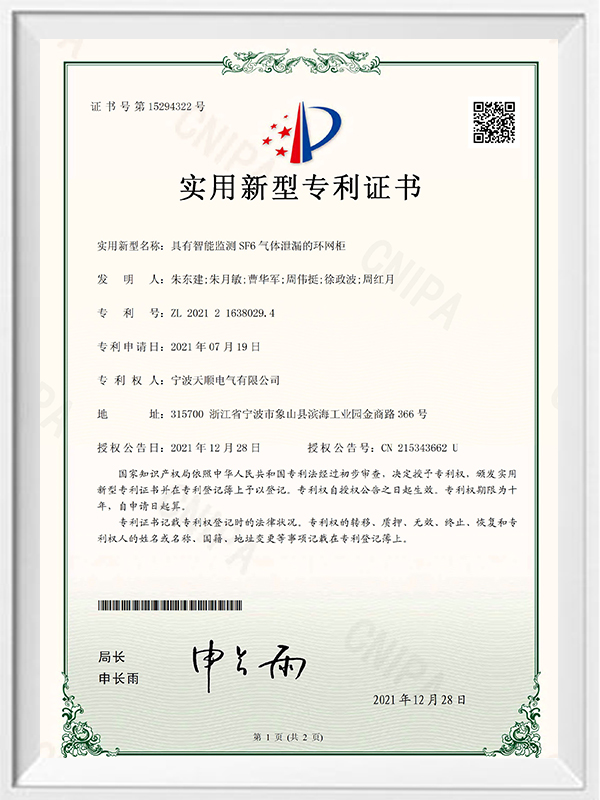
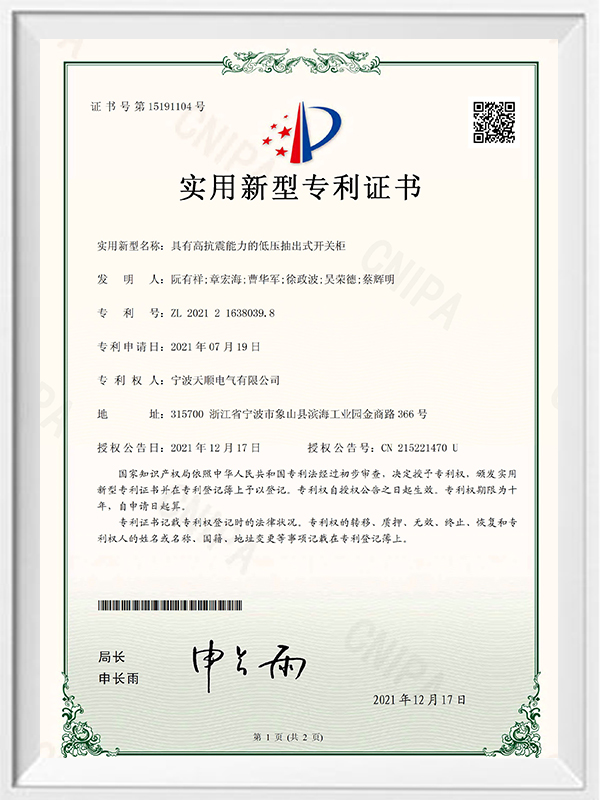
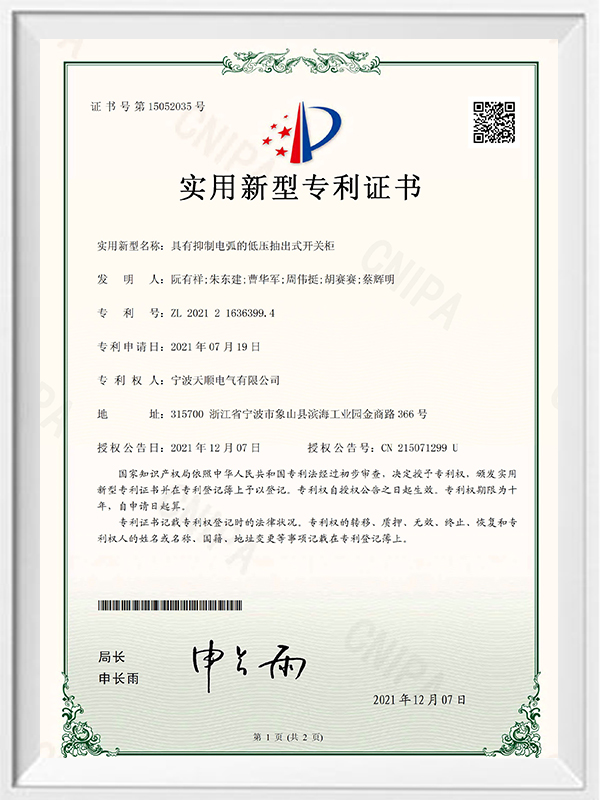
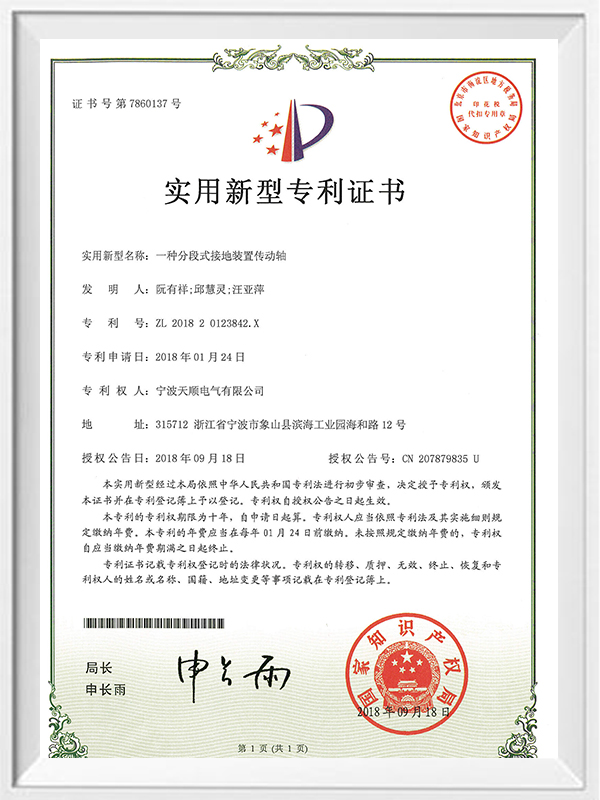
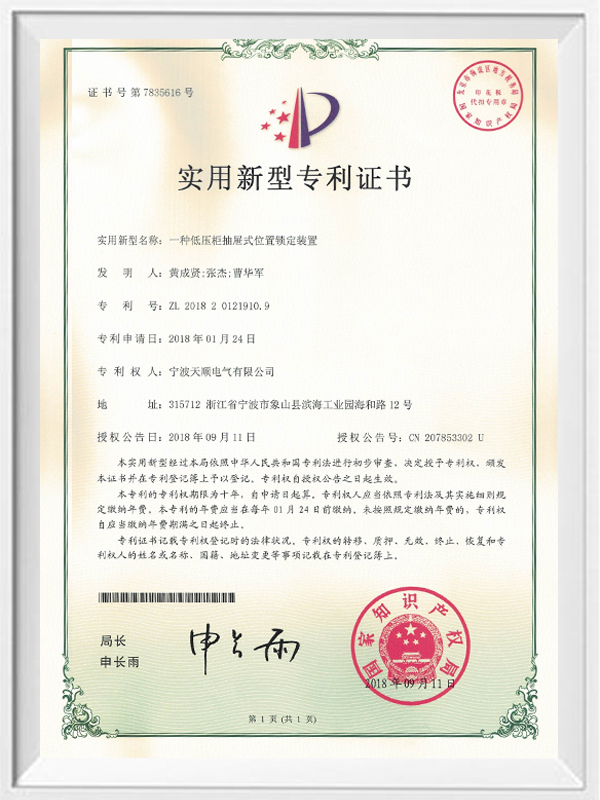
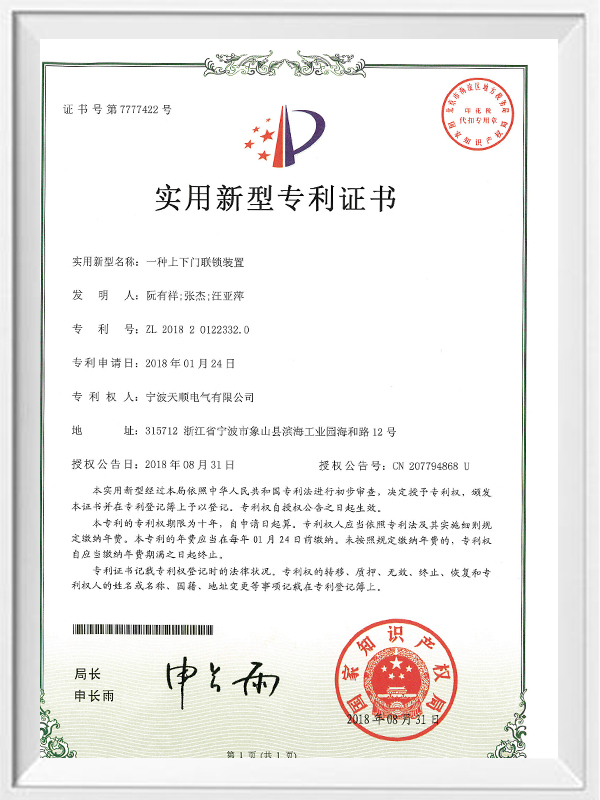
Certificate Of Honor
News
-
-
Electric Power Quality Problems Start Inside the Plant On a hot summer afternoon, an automation packaging line at a metal products plant kept tripping. The electrician confirmed that the incoming voltage dropped from 400V to 358V during the midday peak, lasting less than 100ms. ...
READ MORE -
A 400 kW compressor starts on the far side of the plant, the workshop lights dip for half a second, and three variable speed drives on the packaging line drop out together. Nothing is broken and no breaker has tripped on fault current, yet the line is down. That, in one sentence...
READ MORE
Message Feedback
Dry-type Transformer Industry knowledge
What Is a Dry-type Transformer
A Dry-type Transformer uses air, epoxy resin, or a similar solid insulating material to cool and insulate its windings, instead of the mineral oil found in oil-immersed transformers. Because there is no liquid dielectric involved, this type of transformer avoids the fire and leakage risks associated with oil, which is why it is widely selected for substations located inside occupied buildings, hospitals, shopping centers, high-rise towers, and other sites where flammable liquids are restricted or undesirable in the electrical room.
Ningbo Tianshun Electric Co., Ltd., a company with production based in Xiangshan Coastal Industrial Park and a technical team averaging over 20 years of industry experience, manufactures dry-type transformers as part of its broader range of power transmission and distribution equipment.
Key Advantages of a Dry-type Transformer
- Improved fire safety — without oil as fuel, the transformer significantly reduces the risk of an oil fire, allowing safer indoor placement close to occupied areas.
- No oil leakage or spill risk — this removes the need for oil containment pits and simplifies environmental compliance at the installation site.
- Lower maintenance requirement — there is no oil to sample, filter, or replace over the transformer's service life, reducing routine maintenance tasks.
- Better humidity and dust tolerance — encapsulated or cast-resin winding designs can withstand humid coastal climates and dusty industrial environments better than some open winding types.
- Shorter installation time indoors — since fire-rated oil barriers and containment structures are not required, installation inside a building's electrical room is generally more straightforward.
How a Dry-type Transformer Works
Like any power transformer, a dry-type unit transfers electrical energy between two voltage levels through electromagnetic induction: an alternating current in the primary winding creates a changing magnetic field in the iron core, which induces a corresponding voltage in the secondary winding at a different turns ratio. The key difference lies in how the heat generated by this process is removed. Instead of circulating oil around the windings, a dry-type transformer relies on natural or forced air circulation, aided by ventilation ducts built into the winding structure, to carry heat away to the surrounding air.
Cast-Resin and Vacuum-Pressure Impregnated Designs
Two common winding designs are used in dry-type transformers. Cast-resin windings are fully encapsulated in epoxy resin under vacuum, forming a solid, moisture-resistant block around the conductor. Vacuum-pressure impregnated (VPI) windings are instead coated with resin and cured, leaving a thinner insulating layer while still protecting against moisture and contamination. Both approaches aim to combine reliable insulation with efficient air-cooling paths through the winding.
Temperature Monitoring
Because there is no oil temperature to reference, dry-type transformers typically rely on embedded winding temperature sensors connected to a control relay. If winding temperature rises above a preset threshold, the relay can trigger a cooling fan, an alarm, or, in extreme cases, a trip signal to protect the transformer from thermal damage.
Dry-type vs. Oil-Immersed Transformer
The table below highlights the practical differences that typically guide the choice between a dry-type and an oil-immersed transformer for a given project.
| Factor | Dry-type Transformer | Oil-Immersed Transformer |
|---|---|---|
| Fire risk | Low | Higher, oil is combustible |
| Indoor installation suitability | Well suited | Requires oil containment measures |
| Routine maintenance | Lower, no oil testing | Includes periodic oil sampling |
| Typical unit cost | Higher | Lower for the same rating |
Selection and Installation Guidance
- Confirm the rated capacity and voltage ratio required by the load, allowing headroom for planned future expansion.
- Check the local fire code and building regulations, since many jurisdictions specifically require dry-type transformers for installation inside occupied buildings above a certain floor level.
- Ensure adequate ventilation clearance around the unit, as insufficient airflow can raise operating temperature and shorten insulation life.
- Plan for professional commissioning, including insulation resistance testing and temperature sensor calibration, before the transformer is energized.
Working with a supplier able to provide installation guidance, equipment commissioning, and after-sales fault handling can help ensure the transformer performs reliably from the first day of operation through its full service life.
Frequently Asked Questions
Q1: Why are dry-type transformers preferred for indoor installations?
Since there is no oil involved, the risk of fire and leakage is significantly reduced, which allows the transformer to be placed inside occupied buildings without the fire-rated barriers and oil containment structures that oil-immersed units typically require.
Q2: Do dry-type transformers need forced-air cooling fans?
Many units rely on natural air circulation for normal loads, but cooling fans can be added to increase capacity temporarily or to keep winding temperature within limits during periods of higher-than-normal load.
Q3: How does humidity affect a dry-type transformer's performance?
Cast-resin and vacuum-pressure impregnated winding designs are specifically intended to resist moisture absorption, which helps the transformer maintain stable insulation performance even in humid coastal or tropical environments.
Q4: What certifications indicate a reliable dry-type transformer manufacturer?
Buyers can look for recognized certifications such as CCC and ISO 9001, which confirm that the transformer has passed relevant national safety testing and is produced under a consistent quality management system.

-
Please feel free to contact us if needed!
Contact Us -
Quick Links
Home About Us Products Applications News Contact -
Contact Us
nbtsdq@163.com +86-15757467313 +86-574-65800646 No. 1, Jiuzhou Road, Xiangshan County, Ningbo City, Zhejiang Province, China -
Get Touch
Copyright © 2026 by Ningbo Tianshun Electric Co., Ltd All Rights Reserved.
Dry-type Transformer Manufacturer
OEM Dry-type Transformer factory
