

 English
 中文简体
中文简体 Español
 عربى
عربى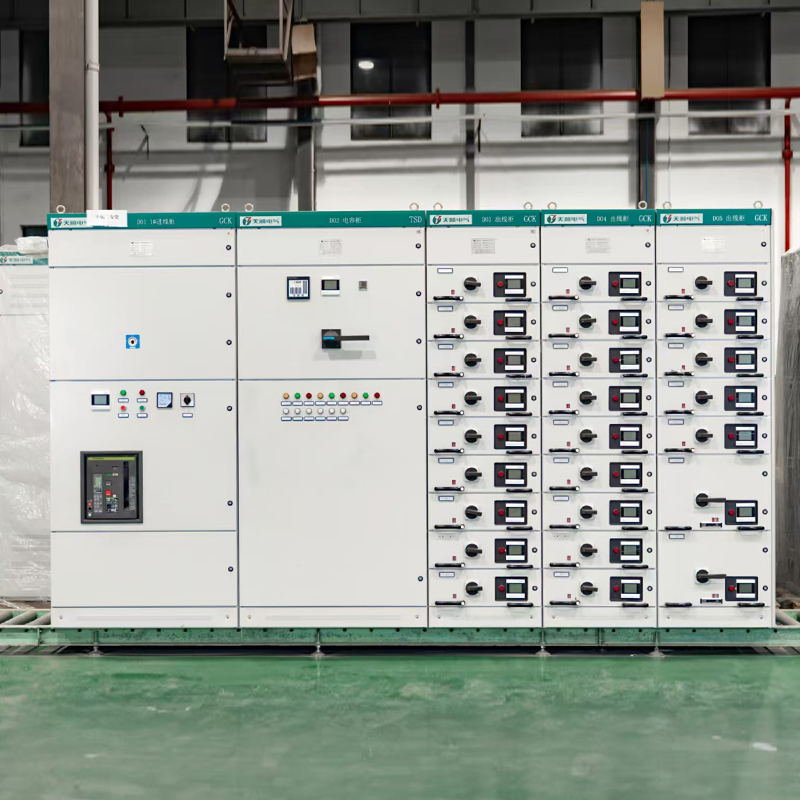
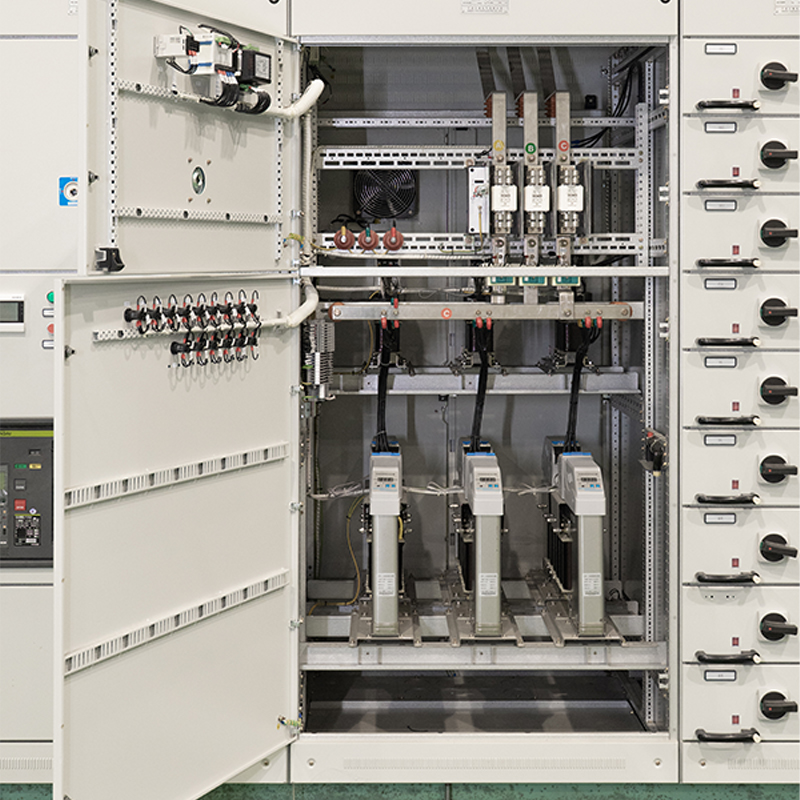
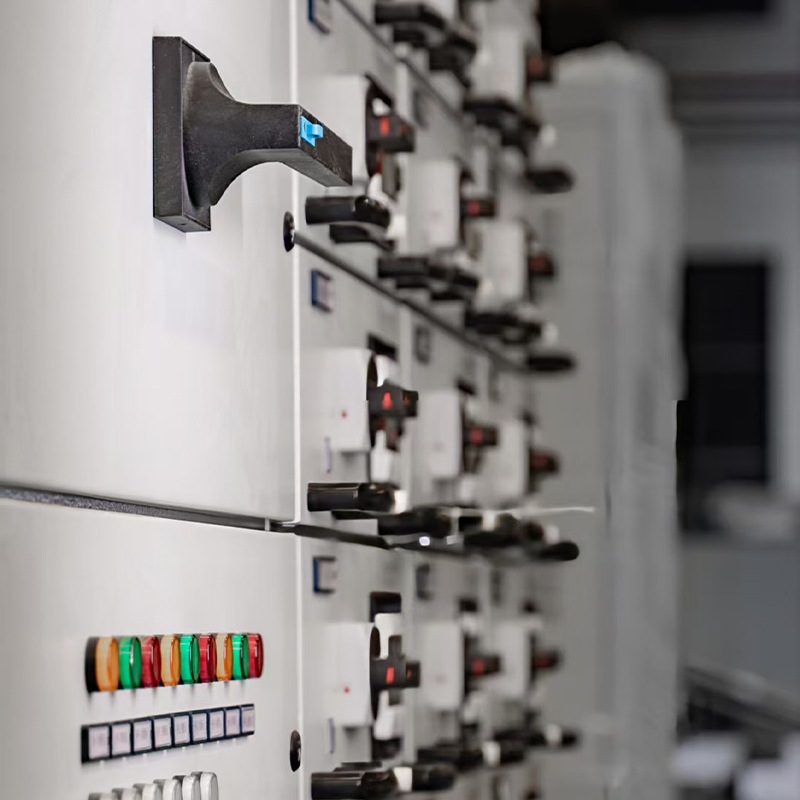
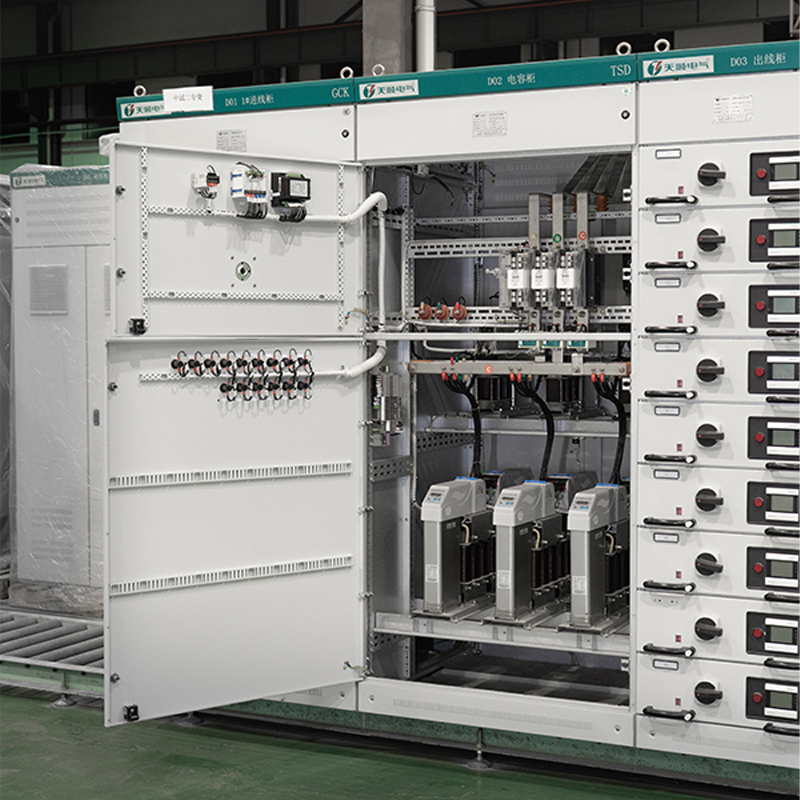
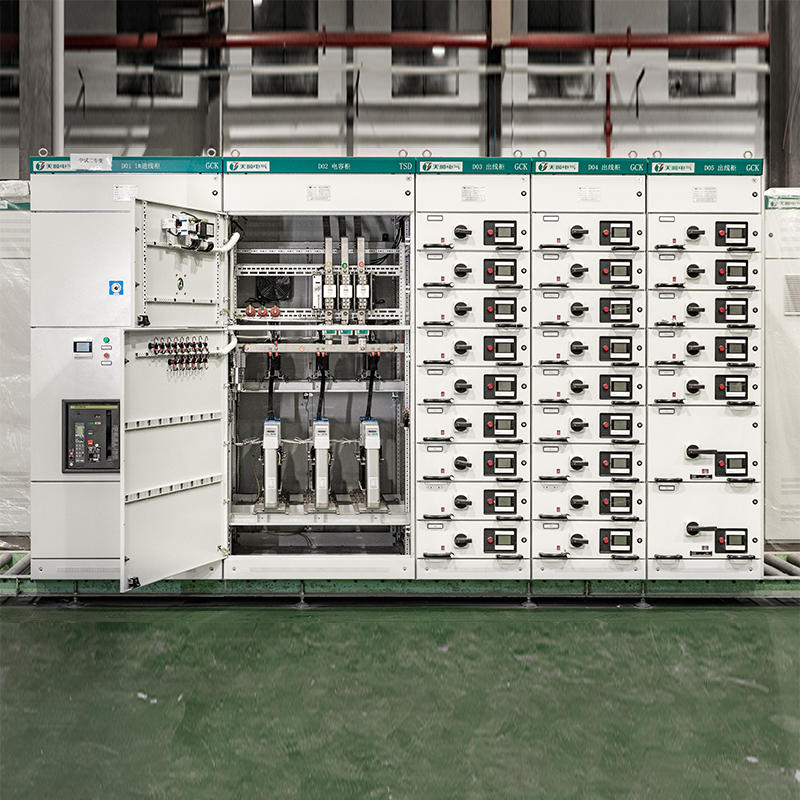
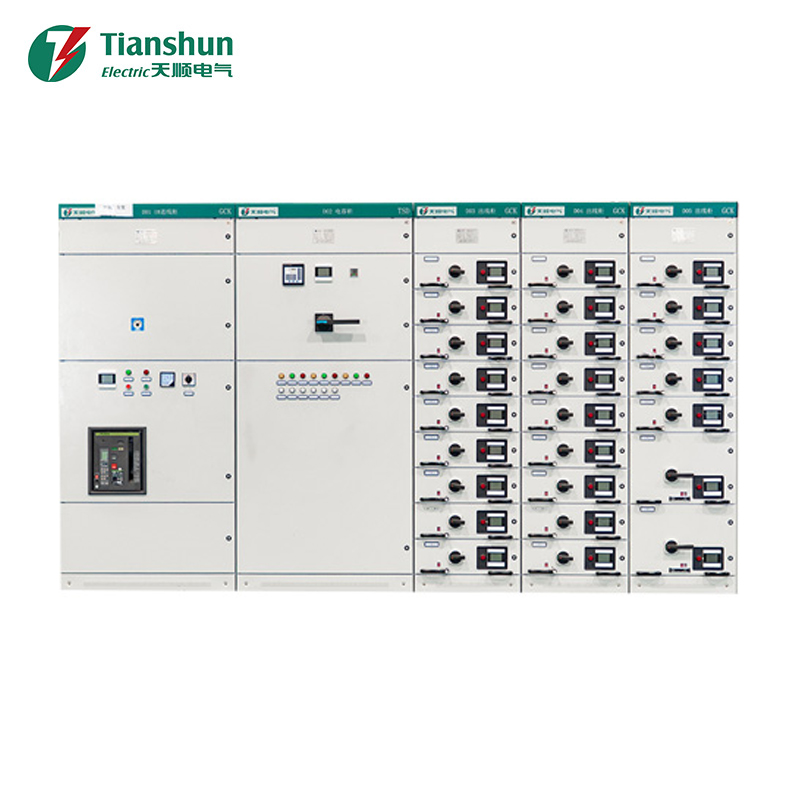
 Low-Voltage Switchgear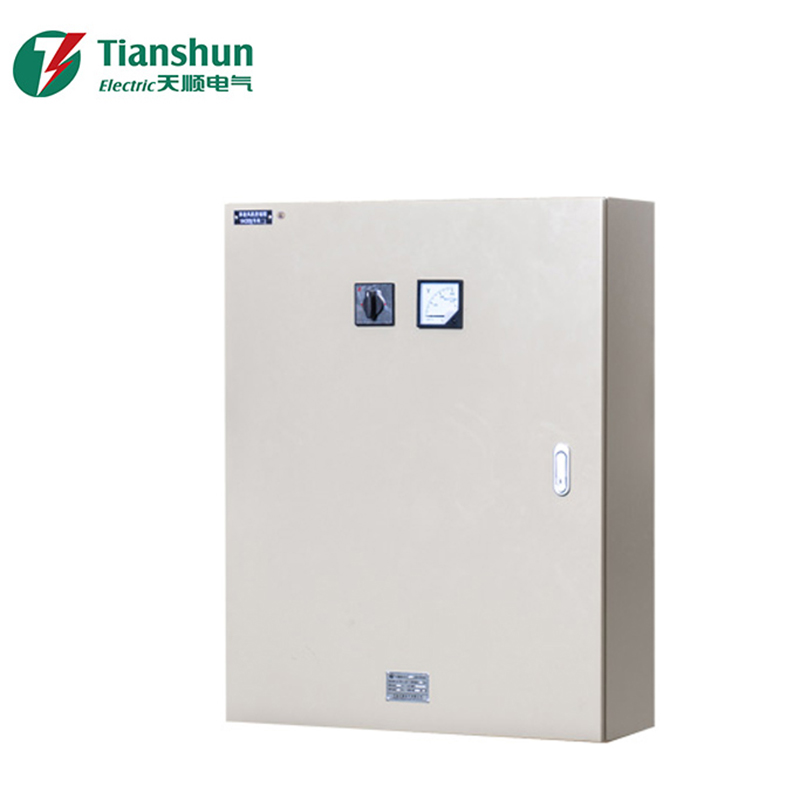
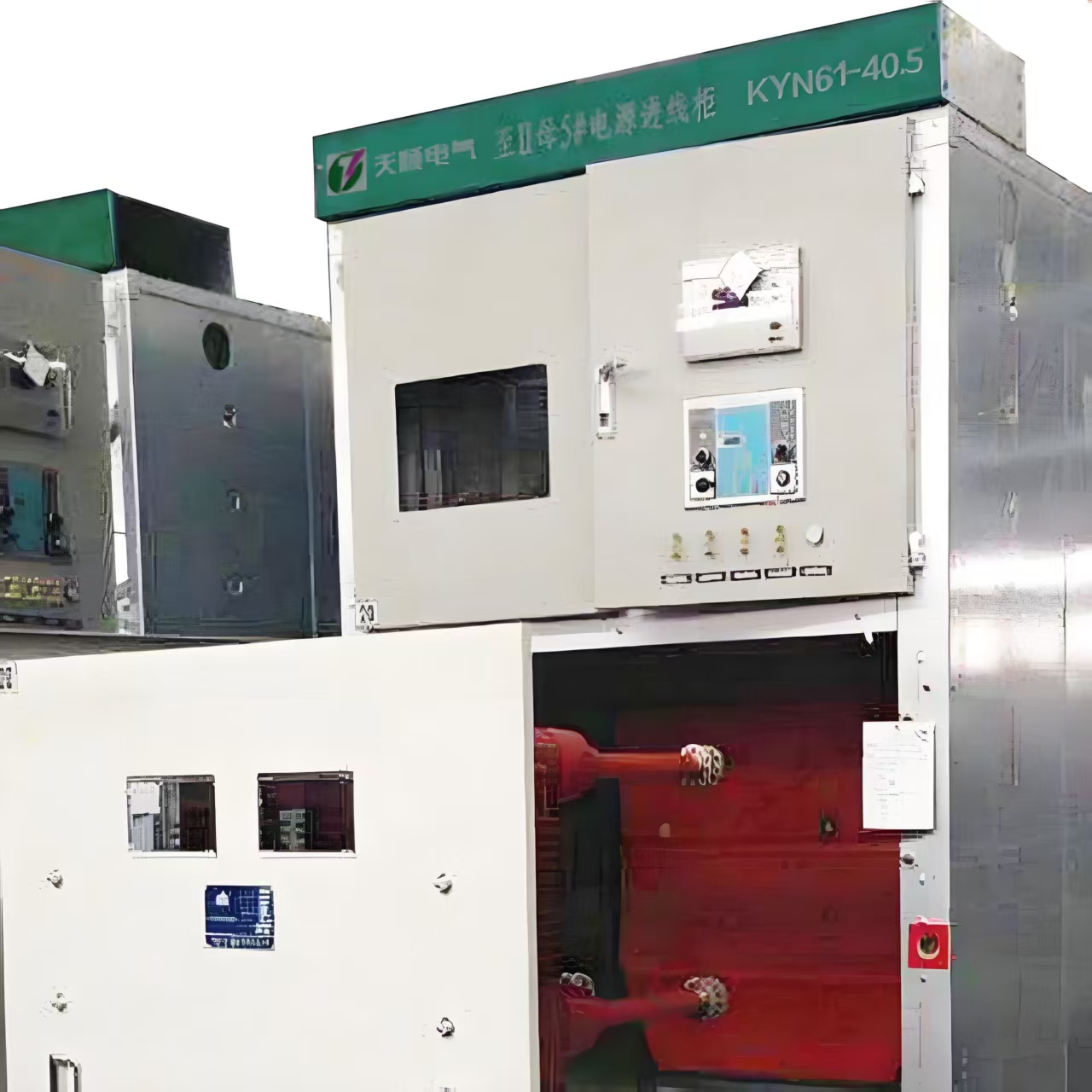
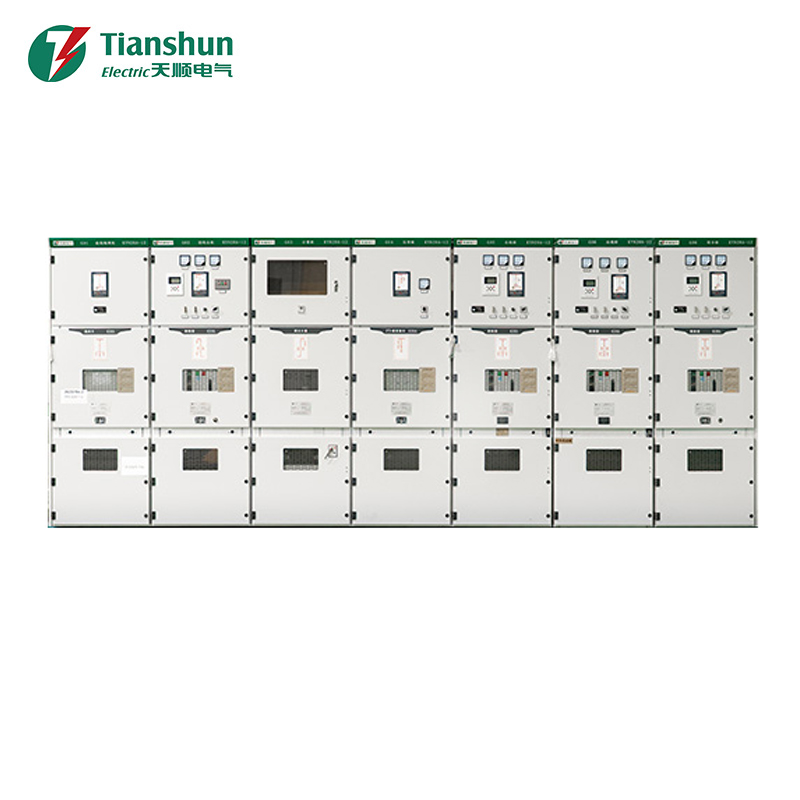
When a 110 kV circuit breaker fails to clear a fault, the consequences do not stay inside the substation fence. Downstream feeders lose supply, the disturbance propagates to neighboring lines, and the investigation eventually points back to equipment decisions made years earlier...
READ MORE
GCK
 Application Scenarios
Production Features
Product Advantages
Application Scenarios
Production Features
Product Advantages
General industrial plants, small and medium-sized commercial buildings, and residential complexes for power and lighting distribution.
Motor control in factory workshops, pump/fan equipment distribution.
Conventional distribution projects have high cost-performance and convenient maintenance requirements.
Single-sided operation structure with a cabinet depth of 800/1000mm, compact design.
Drawers use a screw-push mechanism, ensuring reliable operation.
Frame made of welded profiles/bolted connections, with mature technology and controllable cost.
Protection rating IP30, suitable for conventional industrial and residential environments.
High Cost-Effectiveness:
Simple structure, moderate cost, ideal for mass production projects.
Convenient Maintenance:
Drawers can be extracted without affecting the overall power supply for single-circuit maintenance.
High Versatility:
Compatible with circuit breakers, contactors, thermal relays, and other devices, suitable for a variety of distribution schemes.
Flexible Installation:
Suitable for distribution rooms with limited space due to moderate size.
MNS
Application Scenarios
Production Features
Product Advantages
Industrial plants, data centers, hospitals, airports, rail transportation, and other high-reliability, high-automation power distribution scenarios.
Power and control distribution for large commercial complexes, high-rise buildings, and precision production lines.
Critical load systems require dual power switching, an uninterrupted power supply, and remote monitoring.
Assembled C-type frame, modularized with 25mm as the module, and highly standardized.
Dual-sided operation design, with a cabinet depth of 1000mm, capable of arranging drawer units on both sides.
Modular drawer units with strong interchangeability, allowing for quick replacement of spare units.
Protection rating up to IP40, fully enclosed with an independent, multi-compartment design.
Strong Breaking Capacity:
Rated short-circuit breaking current up to 65kA with excellent dynamic and thermal stability.
High Space Utilization:
600mm wide cabinets can accommodate multiple circuits, significantly saving space in the distribution room.
Convenient Maintenance:
Drawer units can be extracted without power interruption, allowing for maintenance without affecting system power.
Intelligent Compatibility:
Reserved communication interfaces for easy integration with intelligent power distribution management systems.
Strong Expandability:
Flexible configurations for incoming lines, feeder circuits, capacitor compensation, and motor control centers (MCC).
GCS
Application Scenarios
Production Features
Product Advantages
Medium and large industrial power distribution systems such as power plants, petrochemical, metallurgical, textiles, etc.
Power distribution and centralized control for high-rise buildings, data centers, and automated production lines.
Distribution scenarios requiring high dynamic and thermal stability, and intelligent power distribution systems interfacing with computers.
8MF-type open steel frame with high mechanical strength and precision.
Single-sided operation, compact structure with a cabinet depth of 800mm, and reasonable layout.
Drawers with a direct push mechanism, simple operation, and accurate positioning.
Fully separated compartments, including busbar room, breaker room, cable room, and secondary room.
Excellent Dynamic and Thermal Stability:
Can withstand large short-circuit currents, ensuring high safety and reliability.
High Protection Rating:
IP30 and above, with excellent dustproof and touch-proof performance.
Flexible Solutions:
Can be configured into multiple types of cabinets, such as incoming lines, feeders, capacitor compensation, and MCC.
Good Interchangeability:
Standardized drawer units, easy to manage spare parts.
Advanced Technical Specifications:
Close to international standards, able to replace some imported cabinets.
GGD
Application Scenarios
Production Features
Product Advantages
Power plants, substations, and industrial enterprises for conventional power and lighting distribution.
Projects with low cost sensitivity, fewer circuits, and low maintenance frequency.
Rural power grids, small factories, temporary power distribution, and reactive power compensation.
Fixed structure with components directly installed in the cabinet without drawer units.
Frame made of angle steel/profile welding, simple craftsmanship, and high production efficiency.
Cabinet depth of 800mm, single-sided operation with front maintenance.
Protection rating IP30, sturdy structure with low cost.
Lowest Cost:
Simple structure and material savings make it the preferred option for economical distribution.
Intuitive Maintenance:
Exposed components make fault diagnosis and replacement easy.
High Reliability:
No mechanical failure points from drawers, suitable for long-term stable operation.
Easy Installation:
Fast on-site wiring and commissioning, ideal for quick deployment projects.
Wide Applicability:
Meets distribution needs up to 380/660V and current up to 3150A.
GFB2-2008
Application Scenarios
Production Features
Product Advantages
Designed specifically for power companies and low-voltage distribution networks in Beijing, suitable for low-base distribution rooms.
Power systems with high safety requirements, such as power plants, petrochemical, metallurgical, finance, and high-rise buildings.
Critical circuit distribution in data centers, UPS inputs/outputs, and reactive power compensation.
Fully enclosed fixed-separation structure with independent busbar room, breaker room, cable room, and secondary room.
Frame made of aluminum-zinc plates/cold-rolled steel plates, bolted assembly, high precision, and strong versatility.
Functional units can be extracted, with clear disconnection points and good breaker interchangeability.
The cable terminal is 600mm above the base, convenient for connecting large-section cables (240mm²).
Extremely High Safety:
Fully enclosed with multi-compartment separation, effectively limits fault spread, and enhances shock protection.
Safe Maintenance:
Extractable units allow breaker replacement without power interruption, and the busbar does not need to be powered off.
Standardized Management:
Unified appearance and reliable interlocking, suitable for standardized management in power systems.
Protection Rating IP31:
Strong environmental adaptability, suitable for outdoor/semi-outdoor distribution rooms.
Dedicated to Beijing Power Grid:
Complies with local utility technical specifications, ensuring good network compatibility.
Contact us
If you need assistance, please enter your information below and we will contact you as soon as possible.
About Us
Ningbo Tianshun Electric Co., Ltd
Ningbo Tianshun Electric Co., Ltd. is a China GGD Low Voltage Distribution Cabinet Manufacturer and OEM GCK Low Voltage Switchgear Company, located in Xiangshan Coastal Industrial Park, boasting a superior geographical location and convenient transportation. As a company deeply rooted in the power transmission and distribution industry, we uphold the core values of "Integrity, Innovation, and Excellence." Our team consists of seasoned professionals with over 20 years of industry experience, providing one-stop services covering R&D, production, and after-sales support.
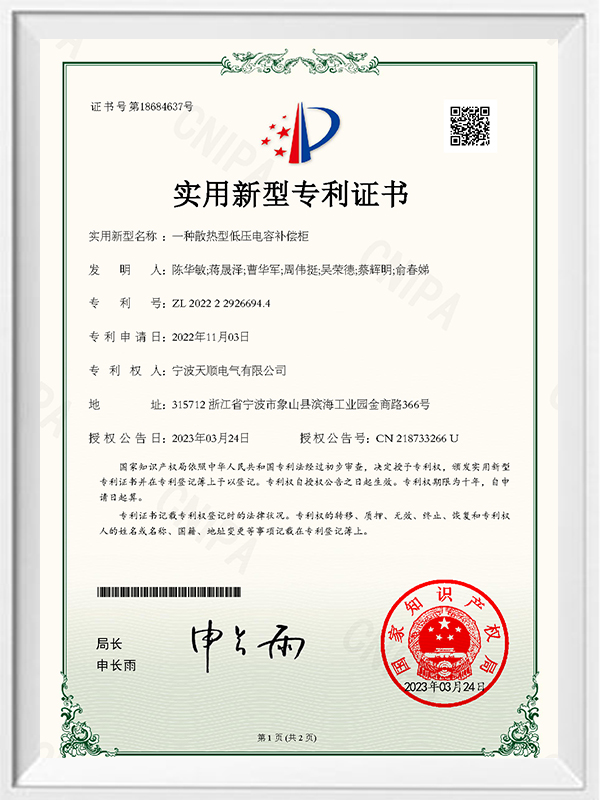
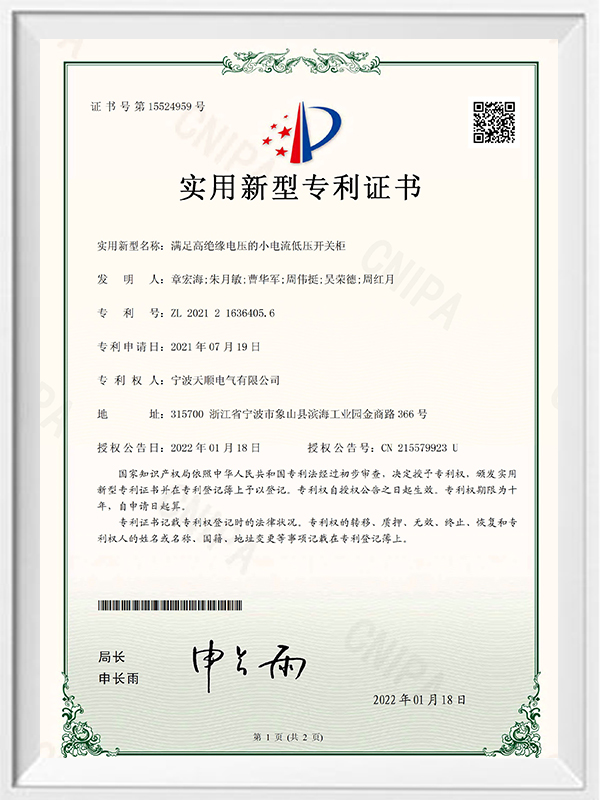
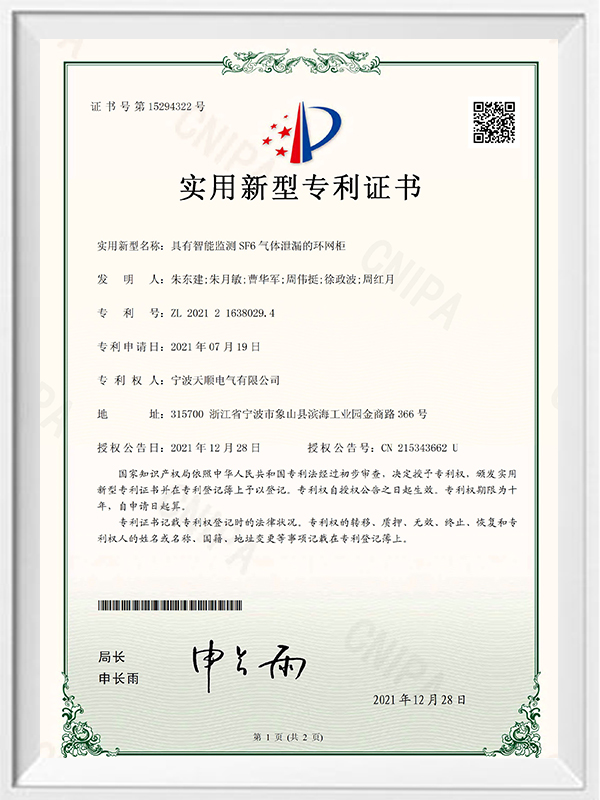
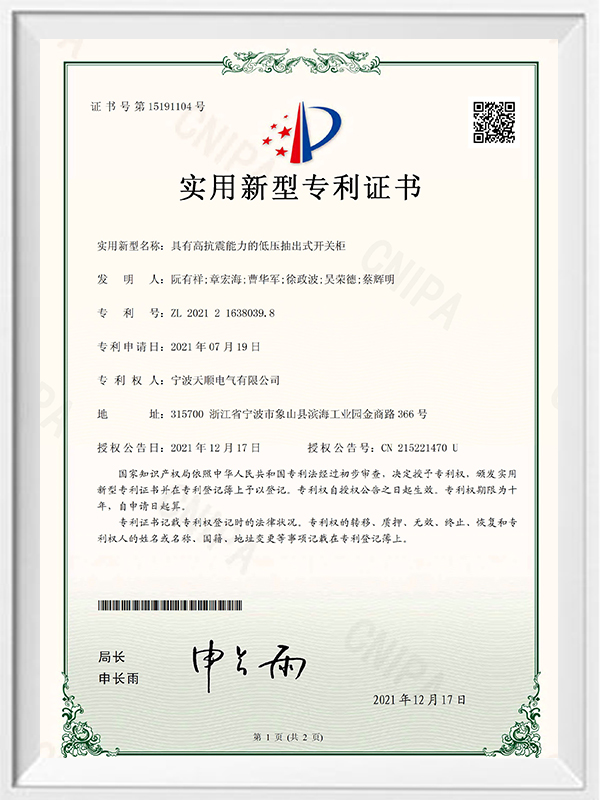
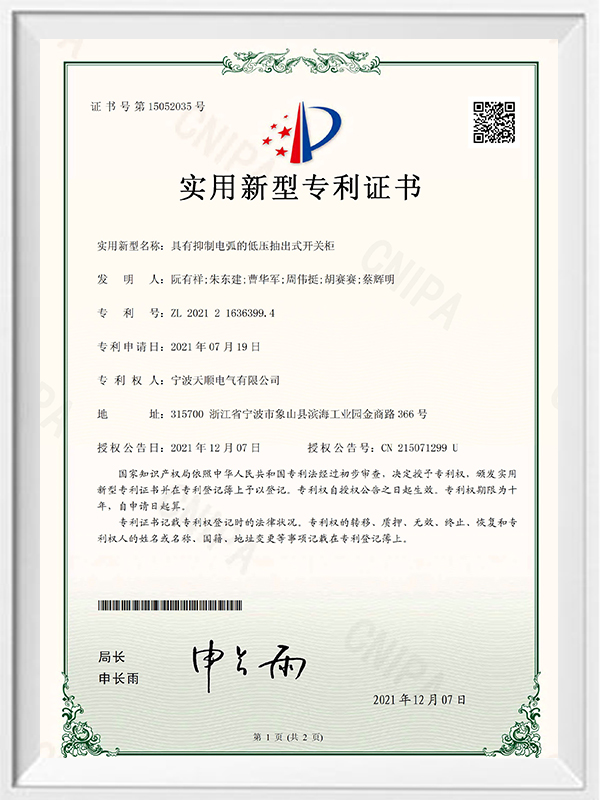
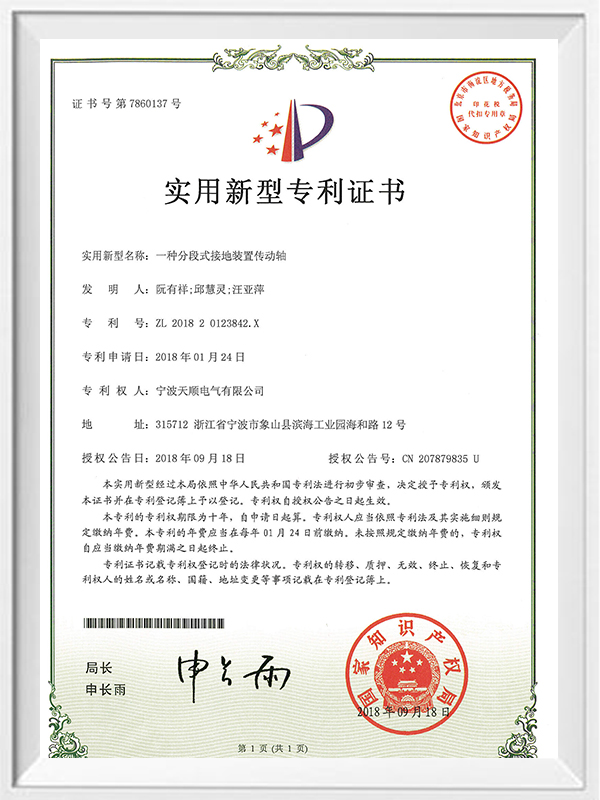
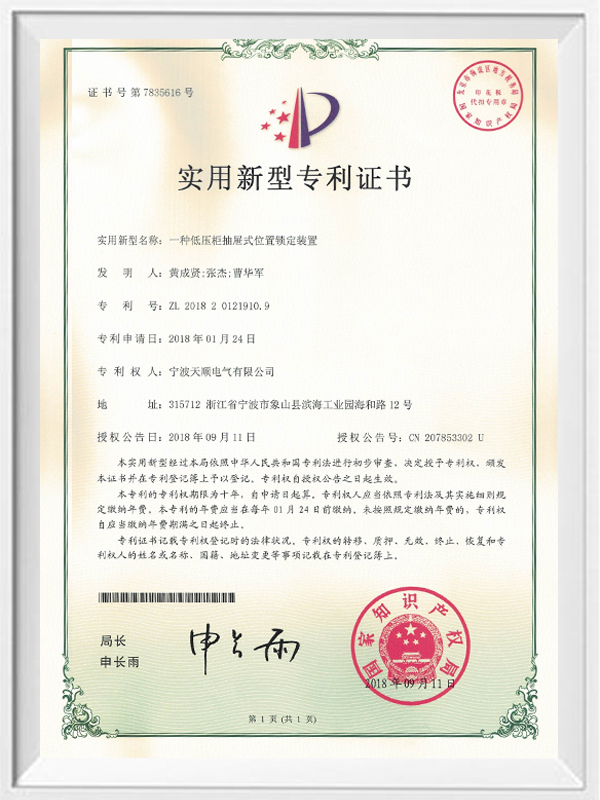
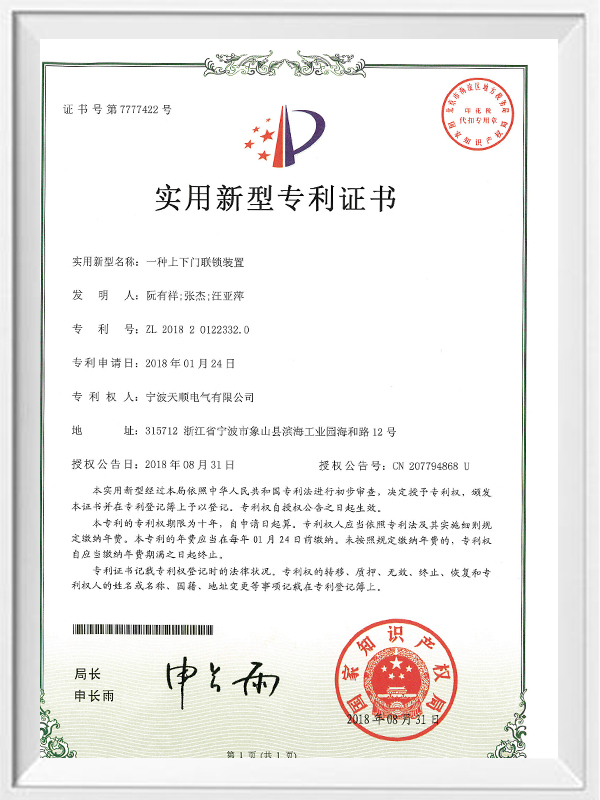
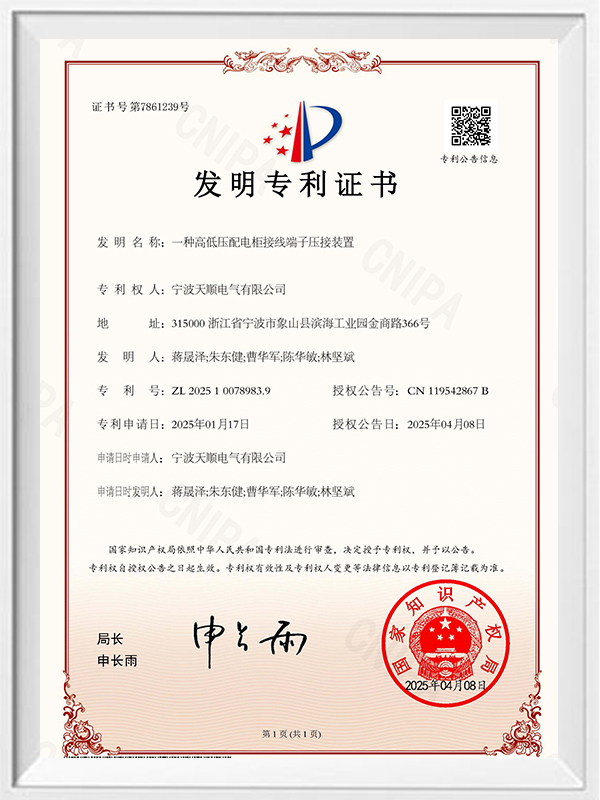
We specialize in a wide range of products, including high- and low-voltage switchgear assemblies and transformers, all of which have obtained multiple authoritative certifications such as CCC and ISO 9001. These products are widely applied across various fields and have earned high recognition from customers. Through technological innovation and standardized operations, we have been honored with numerous accolades, including the AAA-grade "Contract-abiding and Credit-worthy Enterprise" and "Zhejiang High-growth Technology-based SME." We remain committed to manufacturing high-quality, energy-efficient, and eco-friendly power transmission and distribution equipment.
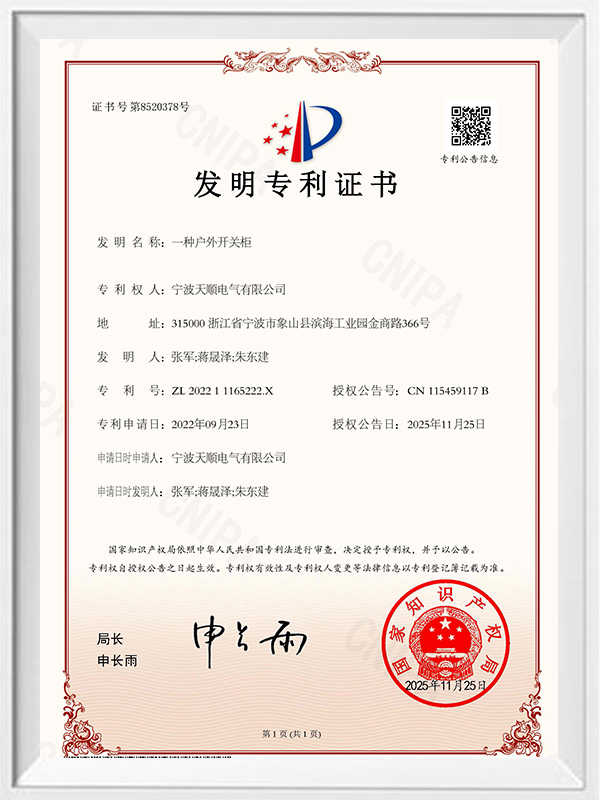
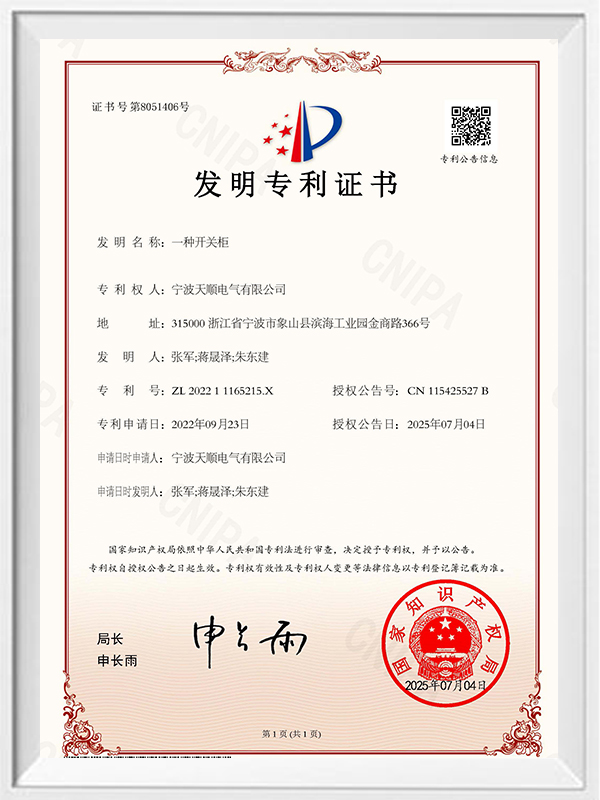
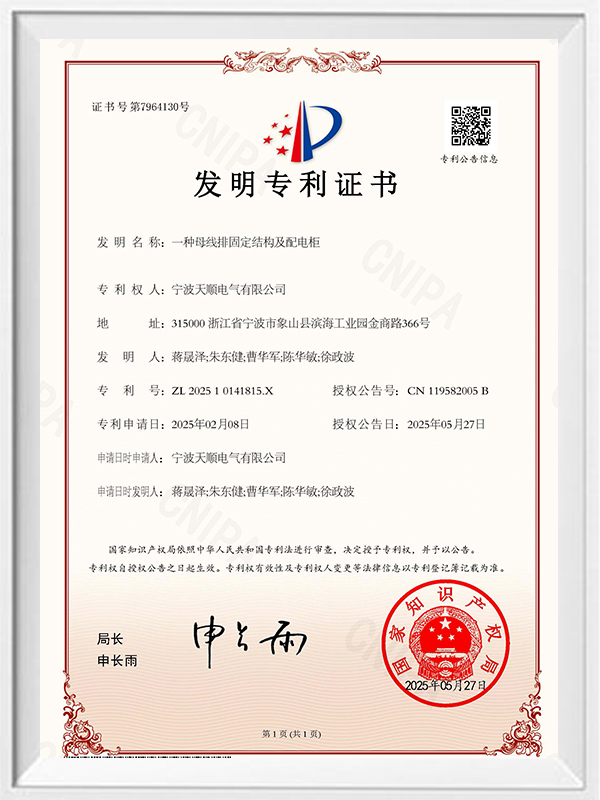
Certificate Of Honor
News
-
-
Electric Power Quality Problems Start Inside the Plant On a hot summer afternoon, an automation packaging line at a metal products plant kept tripping. The electrician confirmed that the incoming voltage dropped from 400V to 358V during the midday peak, lasting less than 100ms. ...
READ MORE -
A 400 kW compressor starts on the far side of the plant, the workshop lights dip for half a second, and three variable speed drives on the packaging line drop out together. Nothing is broken and no breaker has tripped on fault current, yet the line is down. That, in one sentence...
READ MORE
Message Feedback
Low-Voltage (LV) Switchgear Industry knowledge
Understanding GCK and GGD Low-Voltage Switchgear
Low-voltage switchgear is the backbone of power distribution inside factories, commercial buildings, and utility substations, responsible for splitting incoming power into multiple protected outgoing circuits. Among the most common series in this field, GCK Low Voltage Switchgear and GGD-type cabinets stand out for very different design philosophies: GCK adopts a withdrawable drawer structure, while GGD relies on fixed-mounted components. Choosing between them usually depends on how critical continuous power supply is to the facility and how much budget is available for equipment and maintenance.
Ningbo Tianshun Electric Co., Ltd., rooted in the power transmission and distribution industry with a team holding over 20 years of hands-on experience, produces both cabinet types to serve projects ranging from small workshops to large distribution stations.
Advantages of GCK Drawer Type Switchgear
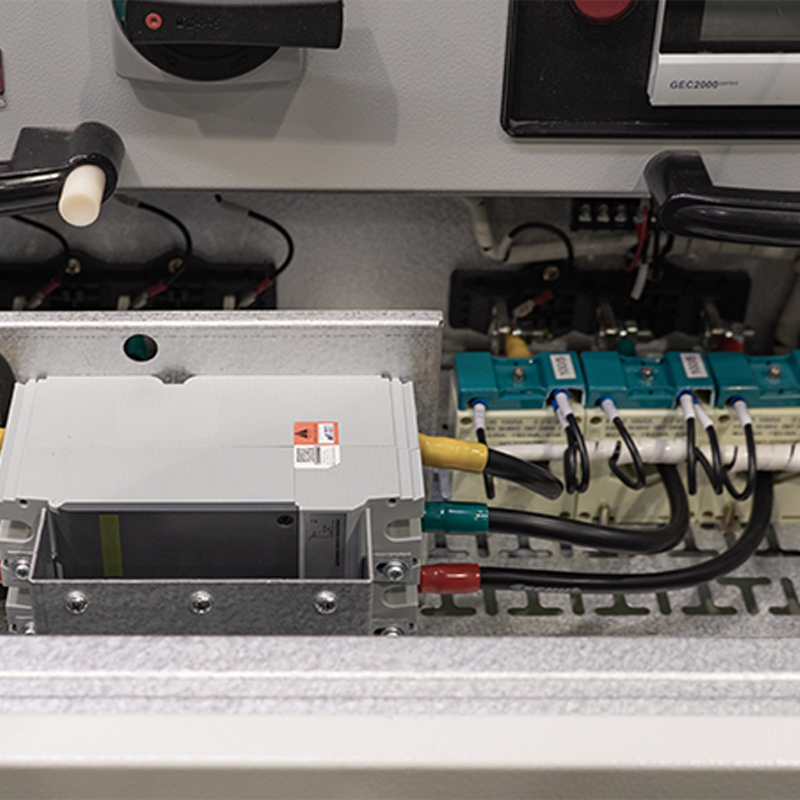
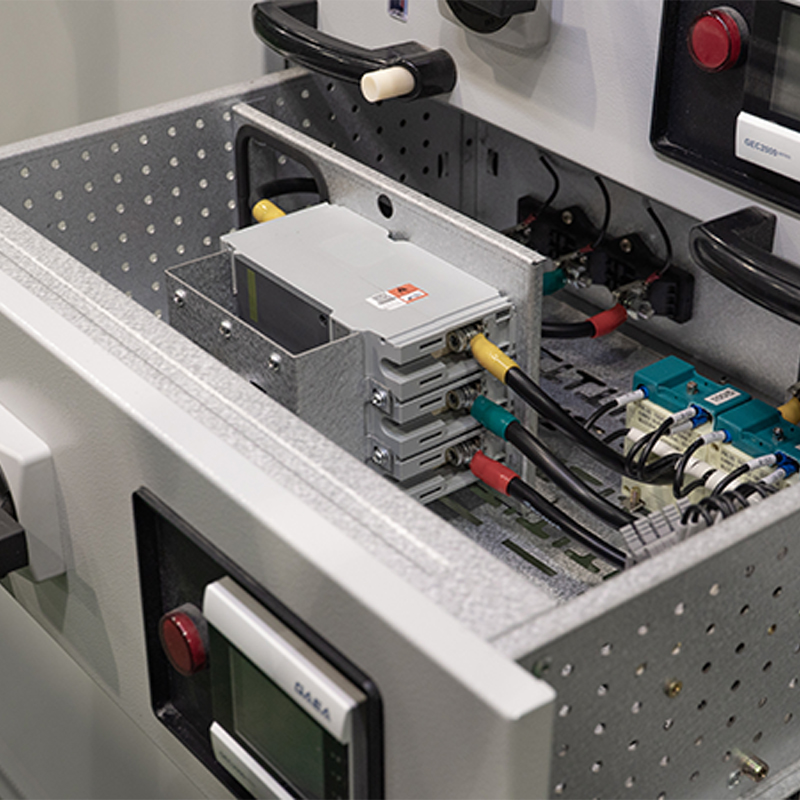
The defining feature of GCK Drawer Type Switchgear is that its functional units — such as feeder circuits, motor starters, or metering modules — are mounted on individual drawers that can be pulled out from the cabinet without shutting down the entire busbar system. This design brings several practical advantages:
- Minimal downtime — a faulty drawer unit can be isolated and withdrawn for repair while neighboring circuits keep running, which is valuable for continuous production lines.
- Easy expansion — additional drawer units can be added into spare compartments as load demand grows, without redesigning the whole cabinet.
- Built-in safety interlocks — mechanical interlocks prevent a drawer from being withdrawn while its switch is still closed, reducing the risk of arc flash during maintenance.
- Standardized module sizes — drawers are typically manufactured in a few fixed width and height combinations, which simplifies spare-parts stocking and future replacement.
How GCK Low Voltage Switchgear Works
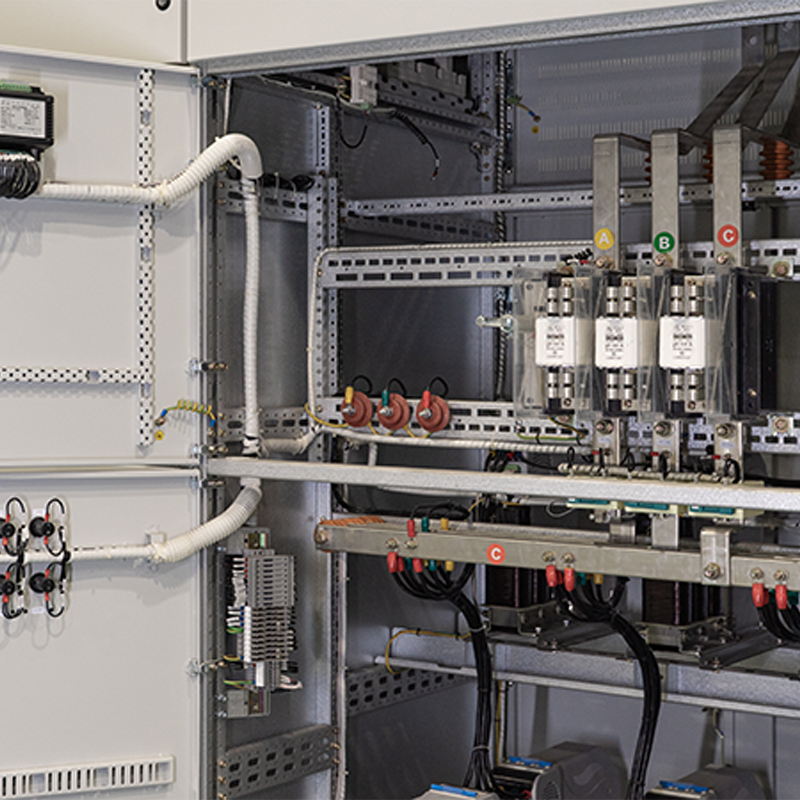
Inside a GCK cabinet, the horizontal main busbar runs along the top or rear of the frame and connects to a vertical busbar in each vertical section. Each drawer unit plugs into this vertical busbar through a set of contact fingers when pushed into the "connected" position. Current then flows from the main busbar, through the drawer's circuit breaker or contactor, and out to the load cable at the bottom of the cabinet. When the drawer is pulled to the "test" or "disconnected" position, the contact fingers separate from the busbar, isolating the unit while still allowing its control circuit to be tested safely.
Three Operating Positions
Most GCK drawers support three positions: working (fully connected to the busbar), test (control circuit active but power circuit disconnected), and removed (drawer taken out for maintenance). This staged design allows technicians to verify protection settings before re-energizing a circuit.
GGD Power Distribution Cabinet: A Fixed-Type Alternative
Unlike GCK, the GGD-type cabinet uses fixed-mounted breakers and switches rather than withdrawable drawers. As a long-standing GGD Power Distribution Cabinet Manufacturer, a supplier typically positions this series for applications where load changes are infrequent and cost control matters more than component-level swap speed, such as general lighting distribution, small workshops, and secondary distribution points within a larger facility.
The table below compares the two series across factors commonly considered during equipment selection.
| Factor | GCK (Drawer Type) | GGD (Fixed Type) |
|---|---|---|
| Maintenance downtime | Low, unit-level isolation | Higher, may need partial shutdown |
| Initial cost | Higher | Lower |
| Structural complexity | Higher | Simpler |
| Typical use case | Frequent load changes, critical loads | Stable loads, general distribution |
Choosing Between GCK and GGD for Your Project
Selecting the right cabinet series starts with mapping out how the facility's load will behave over the equipment's lifetime. The following steps offer a practical starting point:
- List all circuits that require frequent switching, testing, or capacity upgrades — these are strong candidates for GCK drawer units.
- Identify stable, low-priority circuits such as general lighting or auxiliary loads, which are usually well served by GGD fixed cabinets.
- Confirm the rated current and short-circuit withstand capacity needed at each distribution point before finalizing the cabinet specification.
- Work with a manufacturer that can provide installation guidance and commissioning support, since correct busbar torque and interlock adjustment directly affect long-term reliability.
Many facilities end up combining both series in a single distribution room: GCK cabinets for critical feeders and motor circuits, and GGD cabinets for the remaining general-purpose distribution, balancing performance and cost across the whole installation.
Frequently Asked Questions
Q1: Can a GCK drawer unit be replaced without shutting down the whole cabinet?
Yes. Because each drawer connects to the busbar through its own contact fingers, it can be moved to the disconnected position and withdrawn for repair while the rest of the cabinet, including neighboring drawers, continues to operate normally.
Q2: Is GGD switchgear less safe than GCK because it uses fixed components?
Not necessarily. GGD cabinets still include standard protective devices and enclosure-level safety features; the main difference is that maintenance on a fixed component may require isolating a larger section of the cabinet rather than a single drawer.
Q3: How do I know if I need a GCK Low Voltage Switchgear cabinet instead of GGD?
If the facility cannot tolerate downtime during maintenance, or if circuits are expected to change frequently as equipment is added or reconfigured, GCK's withdrawable drawer structure generally provides more operational flexibility than a fixed GGD cabinet.
Q4: What certifications should be checked when choosing a switchgear manufacturer?
It is advisable to confirm that the manufacturer's low-voltage switchgear assemblies hold recognized certifications such as CCC and ISO 9001, which indicate compliance with national safety requirements and consistent quality control across production batches.

-
Please feel free to contact us if needed!
Contact Us -
Quick Links
Home About Us Products Applications News Contact -
Contact Us
nbtsdq@163.com +86-15757467313 +86-574-65800646 No. 1, Jiuzhou Road, Xiangshan County, Ningbo City, Zhejiang Province, China -
Get Touch
Copyright © 2026 by Ningbo Tianshun Electric Co., Ltd All Rights Reserved.
GGD Low Voltage Distribution Cabinet Manufacturer
OEM GCK Low Voltage Switchgear Company
