

 English
 中文简体
中文简体 Español
 عربى
عربى
Low Voltage vs. High Voltage Distribution Systems Compared
Admin 2026-07-23Content
- 1 Low Voltage vs. High Voltage Distribution Systems: The Core Difference
- 2 Voltage Ranges and Classification
- 3 Equipment Design Differences
- 4 Efficiency and Power Loss Considerations
- 5 Safety Requirements and Risk Profile
- 6 Typical Applications for Each System
- 7 Cost and Installation Factors
- 8 How to Decide Which System Fits Your Facility
Low Voltage vs. High Voltage Distribution Systems: The Core Difference
The main difference between low voltage and high voltage distribution systems comes down to the voltage threshold, equipment design, and intended application. Low voltage distribution systems generally operate below 1,000 volts and are used to deliver power directly to lighting, outlets, and machinery within a building. High voltage distribution systems operate above that threshold, often into the tens of kilovolts, and are used to move power efficiently across substations, industrial complexes, and utility networks before it is stepped down for final use.
Both systems exist for a reason: high voltage minimizes energy loss over distance, while low voltage keeps equipment safer and more practical for direct human interaction. Choosing between low-voltage distribution equipment and high-voltage distribution equipment is not about which is "better" — it is about matching the right voltage class to the right stage of power delivery.
Voltage Ranges and Classification
Understanding where the line is drawn between these two systems starts with voltage classification. While exact thresholds vary slightly by regional standards, the general breakdown looks like this:
| Classification | Typical Voltage Range | Typical Use |
|---|---|---|
| Low Voltage | Below 1 kV | Building wiring, lighting, motors, panels |
| Medium Voltage | 1 kV to 38 kV | Industrial feeders, local substations |
| High Voltage | Above 38 kV up to around 230 kV | Substation distribution, regional grid tie-ins |
In practice, most commercial and residential distribution equipment falls into the low voltage category, while industrial plants, utilities, and large campuses often rely on medium or high voltage equipment somewhere upstream of the final low-voltage delivery point.
Equipment Design Differences
The physical construction of distribution equipment changes significantly with voltage class. These differences are not cosmetic — they directly affect safety, footprint, and maintenance requirements.
Insulation and Clearance
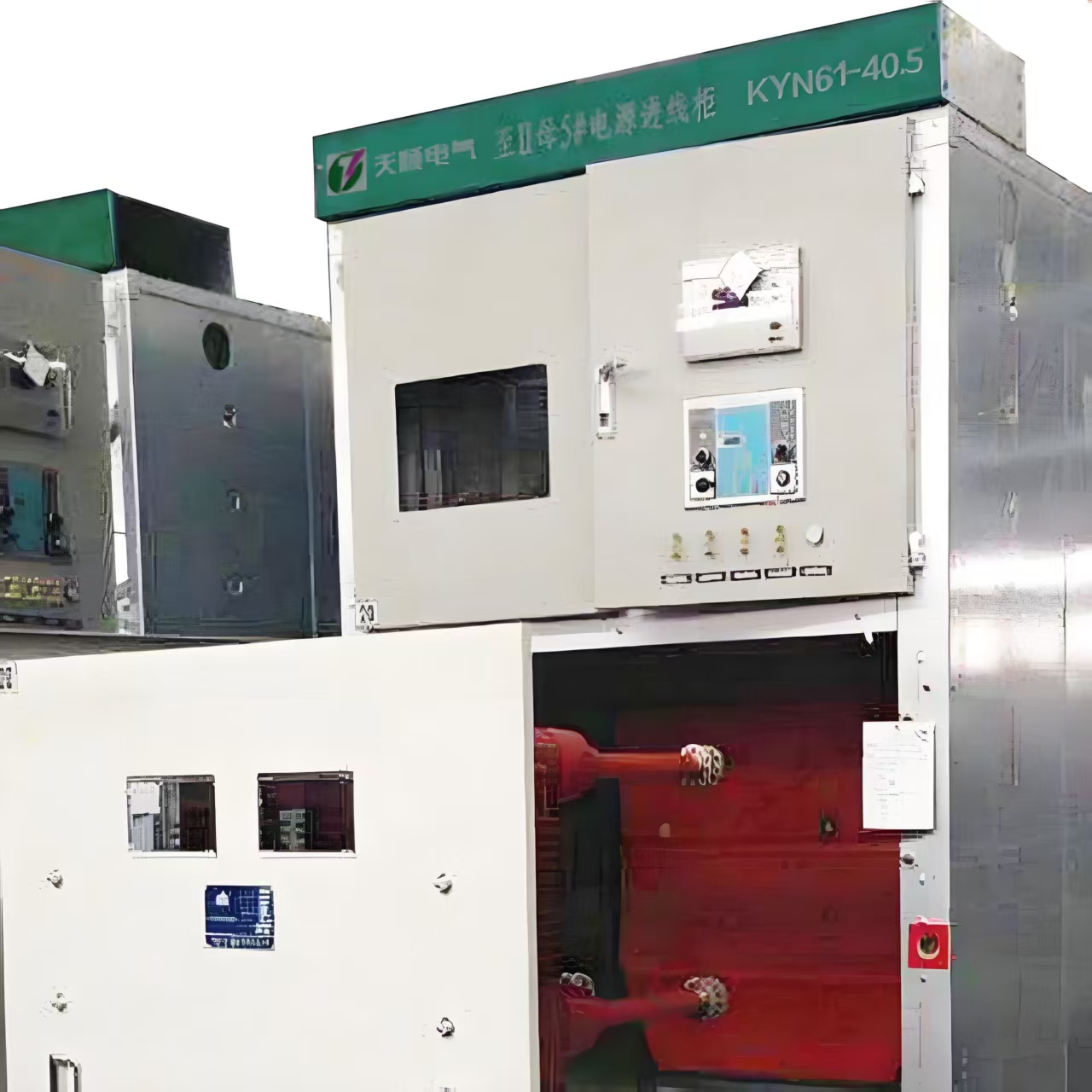
High-voltage distribution equipment requires substantially more insulation thickness and physical clearance between energized parts and grounded surfaces. As voltage increases, the risk of flashover increases as well, so equipment must be designed with larger air gaps or more robust insulating materials.
Enclosure Size and Footprint
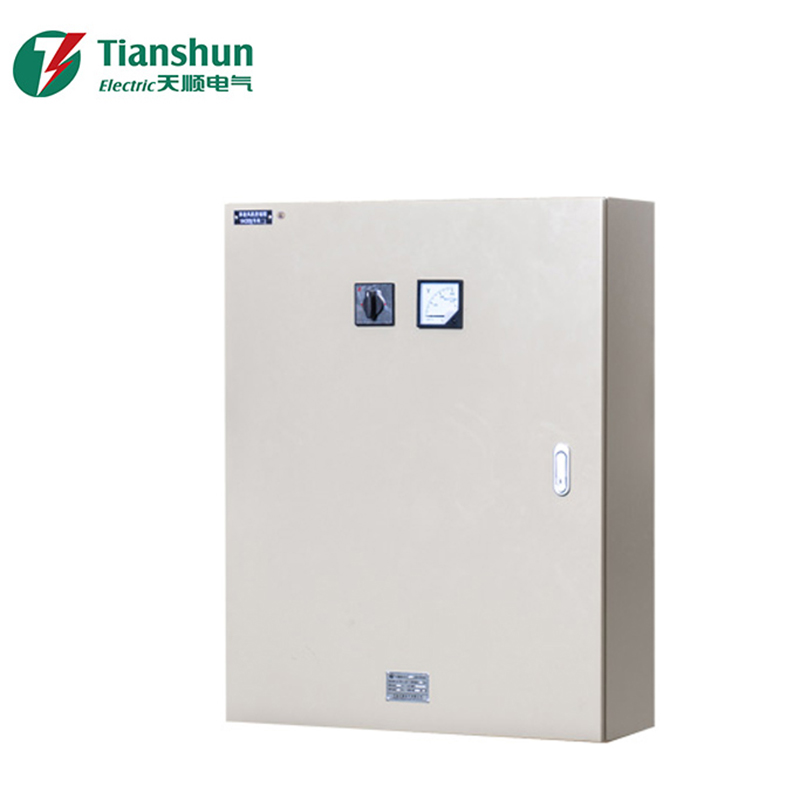
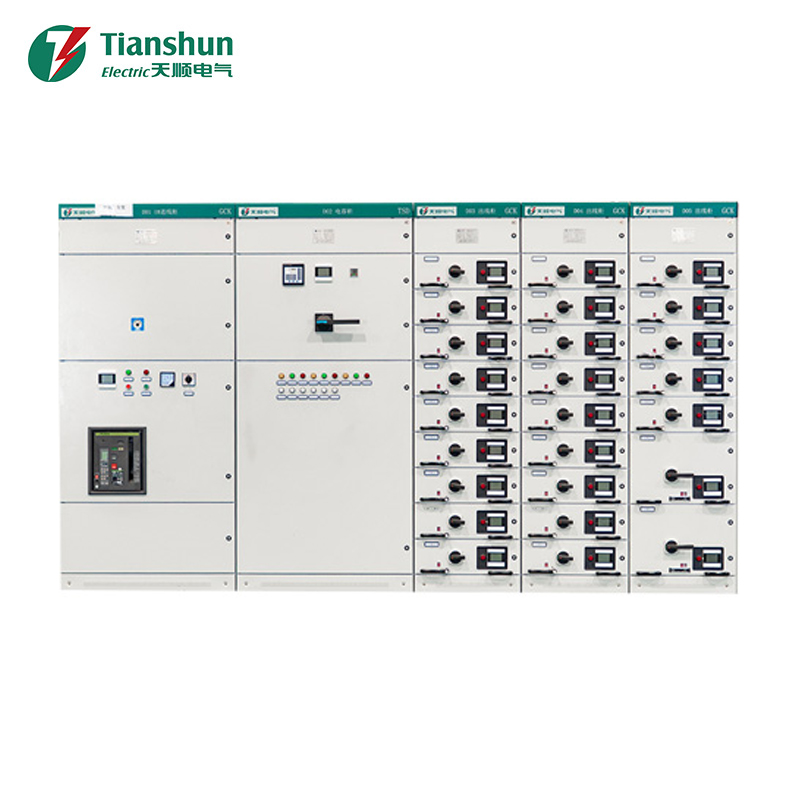
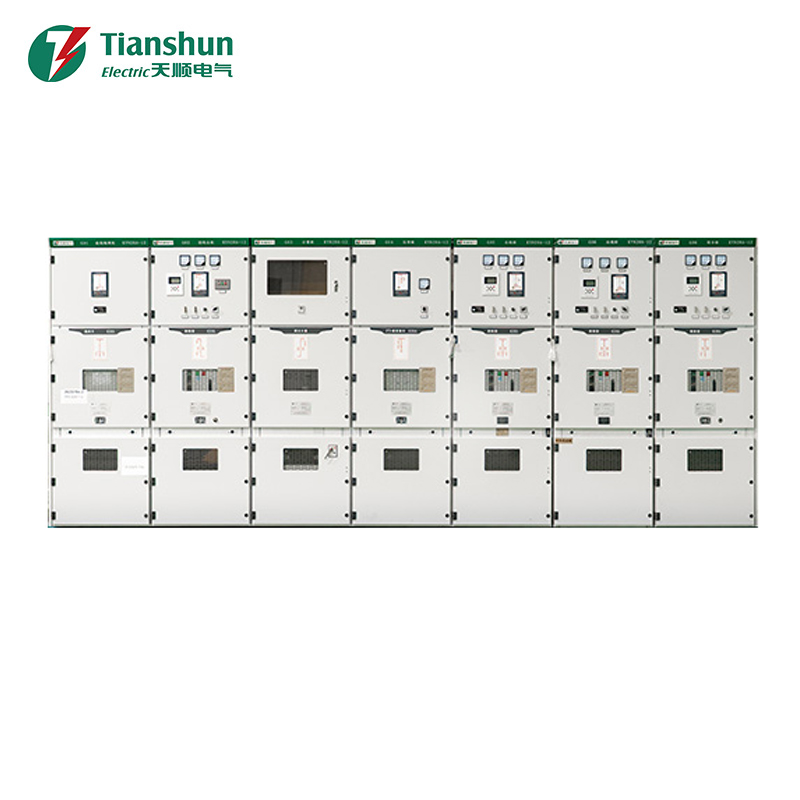
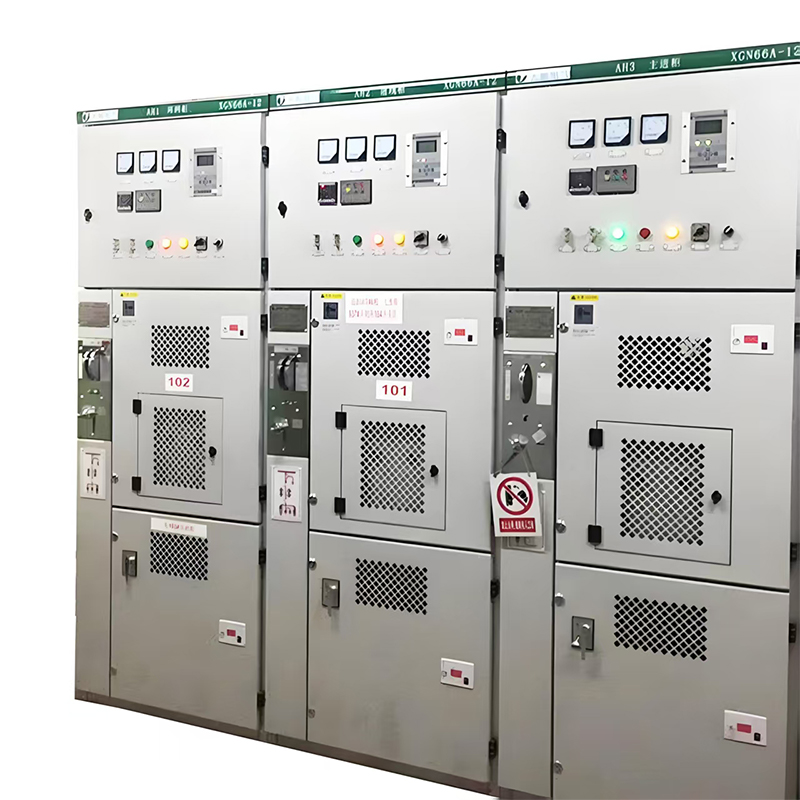
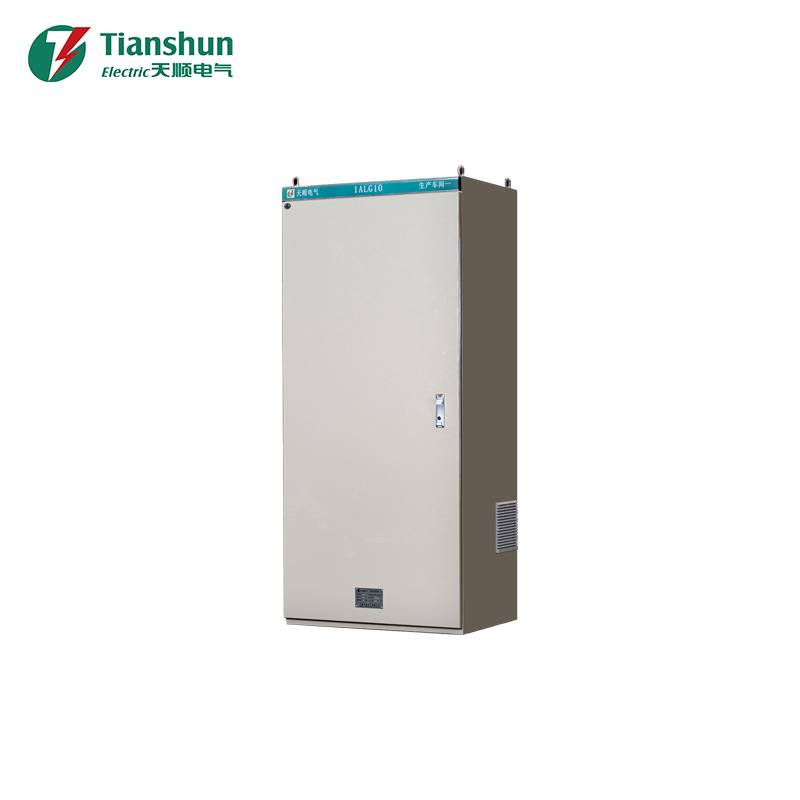
Because of the added clearance requirements, high-voltage equipment is generally larger and heavier than its low-voltage counterpart. Low-voltage distribution equipment can often be installed in compact indoor panels, while high-voltage assemblies frequently require dedicated switchyards or enclosed switchgear rooms.
Protection and Switching Devices
Low-voltage systems typically use molded-case circuit breakers and fused disconnects, which are compact and relatively simple to operate. High-voltage systems rely on more specialized devices such as vacuum or gas-insulated circuit breakers, which are engineered to interrupt much larger fault currents safely.
Efficiency and Power Loss Considerations
One of the clearest engineering advantages of high voltage distribution is reduced power loss over distance. Since power loss in a conductor is proportional to the square of current, transmitting the same amount of power at a higher voltage and lower current significantly reduces resistive losses in cables and lines.
This is why utilities and large industrial sites use high voltage distribution for the "backbone" of their network, then step voltage down closer to the point of use. Low voltage distribution equipment, while less efficient over long distances, is far more practical and cost-effective for the final stretch of delivery to individual loads, where distances are short and safety around personnel is the priority.
Safety Requirements and Risk Profile
Safety procedures differ substantially between the two voltage classes, largely because the consequences of contact or arc flash scale with voltage.
| Factor | Low Voltage Distribution | High Voltage Distribution |
|---|---|---|
| Arc Flash Risk | Lower, but still present | Significantly higher |
| Required PPE | Basic to moderate | Extensive, specialized |
| Clearance Distances | Minimal | Substantial |
| Personnel Access | More frequent, direct interaction | Restricted, controlled access only |
Regardless of voltage class, lockout-tagout procedures and proper isolation before maintenance remain essential and non-negotiable. The difference lies in the scale of precaution: high voltage work typically requires additional grounding steps, remote switching where possible, and stricter access control around the equipment.
Typical Applications for Each System
Choosing between low-voltage and high-voltage distribution equipment usually depends on the scale and purpose of the installation.
Where Low Voltage Distribution Equipment Fits
- Commercial office buildings and retail spaces
- Residential complexes and small facilities
- Lighting, HVAC, and general power circuits
- Small workshops and light manufacturing areas
Where High Voltage Distribution Equipment Fits
- Utility substations and regional grid interconnections
- Large industrial plants with heavy motor loads or furnaces
- Data centers requiring high-capacity, redundant feeds
- Renewable energy collection points, such as wind or solar farms
Many large facilities actually use both: high voltage equipment brings power to the site efficiently, and low voltage equipment handles the final distribution to individual loads once the voltage has been stepped down through on-site transformers.
Cost and Installation Factors
Cost considerations differ meaningfully between the two systems, and understanding these differences helps with budgeting and long-term planning.
Low-voltage distribution equipment is generally less expensive per unit and faster to install, since it involves smaller enclosures, simpler protective devices, and fewer specialized labor requirements. High-voltage distribution equipment carries a higher upfront cost due to larger enclosures, more advanced protection schemes, and the need for specialized installation and testing procedures. However, the efficiency gains from reduced transmission losses often justify this investment for larger facilities or longer distribution runs, where the cost of wasted energy over time can outweigh the initial equipment premium.
Maintenance costs also scale differently. Low-voltage equipment tends to require more frequent, lower-cost servicing due to higher usage cycles, while high-voltage equipment is serviced less often but each service event typically involves more specialized personnel and equipment.
How to Decide Which System Fits Your Facility
Deciding between low-voltage and high-voltage distribution equipment — or determining how much of each you need — comes down to a few practical questions:
- What is the total connected load, and how far does power need to travel from the source to the point of use?
- Are there large motors, furnaces, or other equipment that draw substantial current and may justify a medium or high voltage feed?
- What level of safety infrastructure and trained personnel is available to manage higher voltage equipment safely?
- Is future load growth expected, and would a higher voltage backbone make future expansion easier?
In most real-world facilities, the answer is not "one or the other," but rather a layered approach: high voltage equipment handles bulk power delivery efficiently, while low voltage equipment manages the final, safer distribution to individual loads. Understanding this relationship helps facility planners avoid over-specifying expensive high-voltage infrastructure where it isn't needed, while still ensuring the backbone of the system is efficient enough to support long-term growth.
For exclusive deals and latest offers, sign up by entering your email address below.

-
Please feel free to contact us if needed!
Contact Us -
Quick Links
Home About Us Products Applications News Contact -
Contact Us
nbtsdq@163.com +86-15757467313 +86-574-65800646 No. 1, Jiuzhou Road, Xiangshan County, Ningbo City, Zhejiang Province, China -
Get Touch
