

 English
 中文简体
中文简体 Español
 عربى
عربى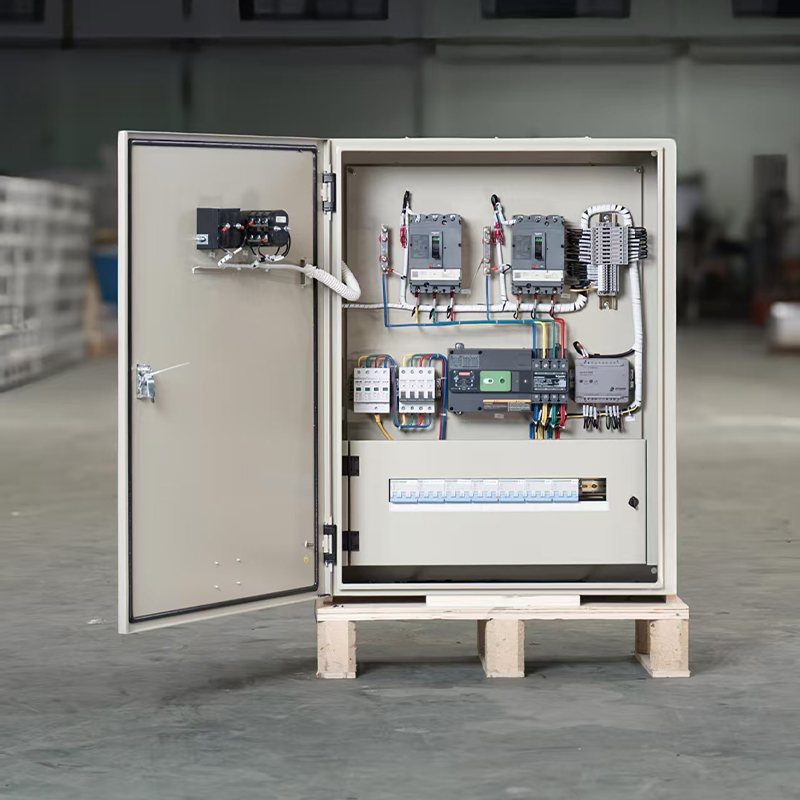
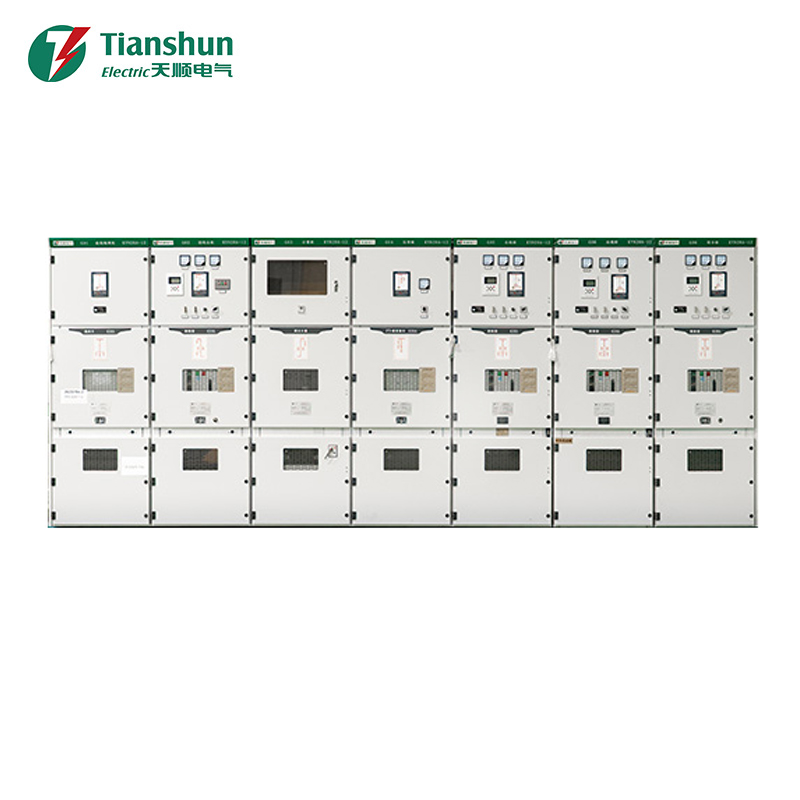
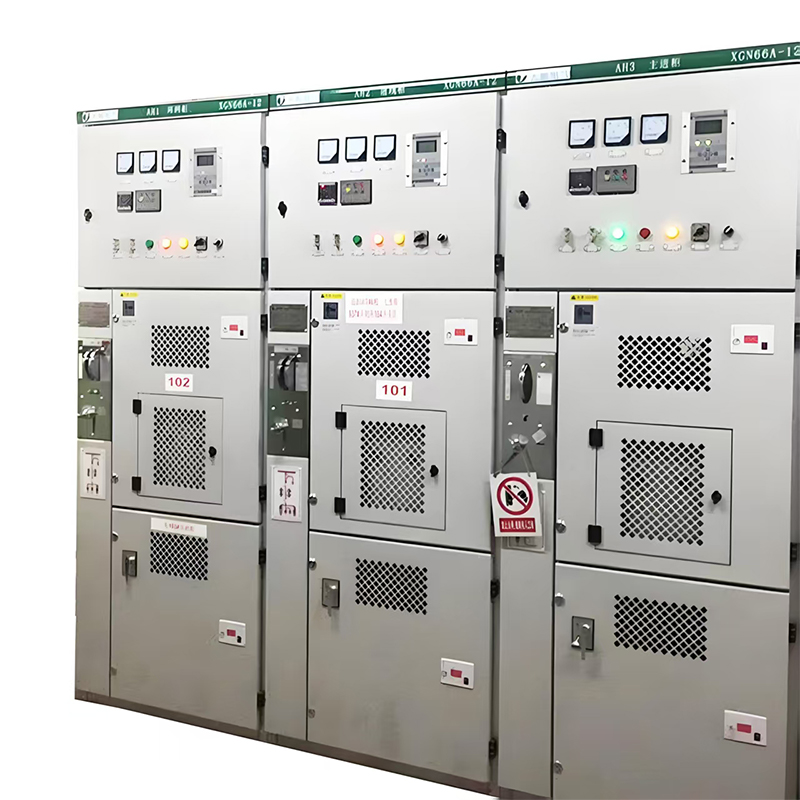
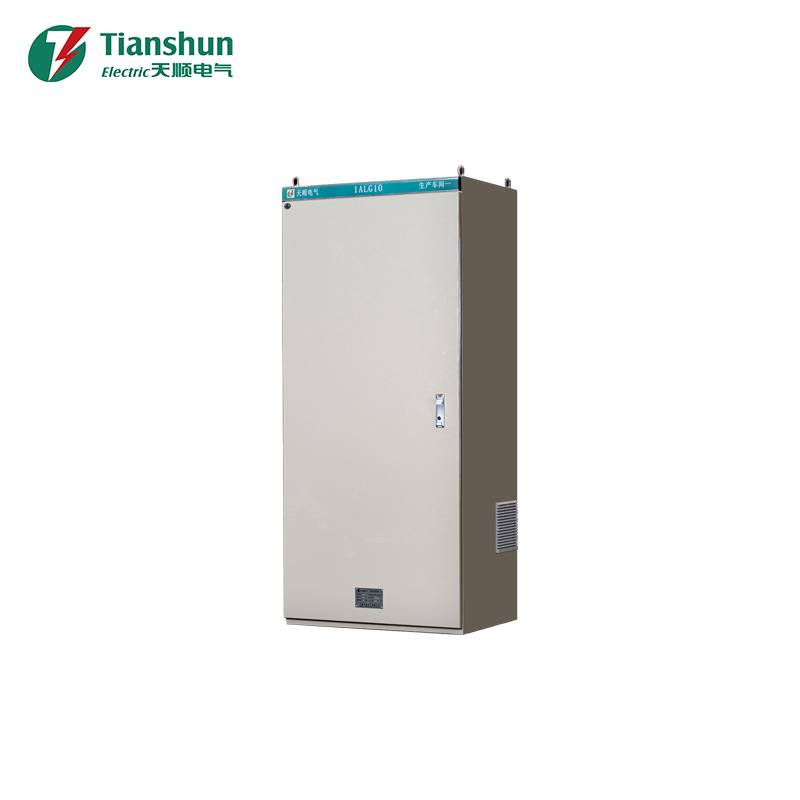
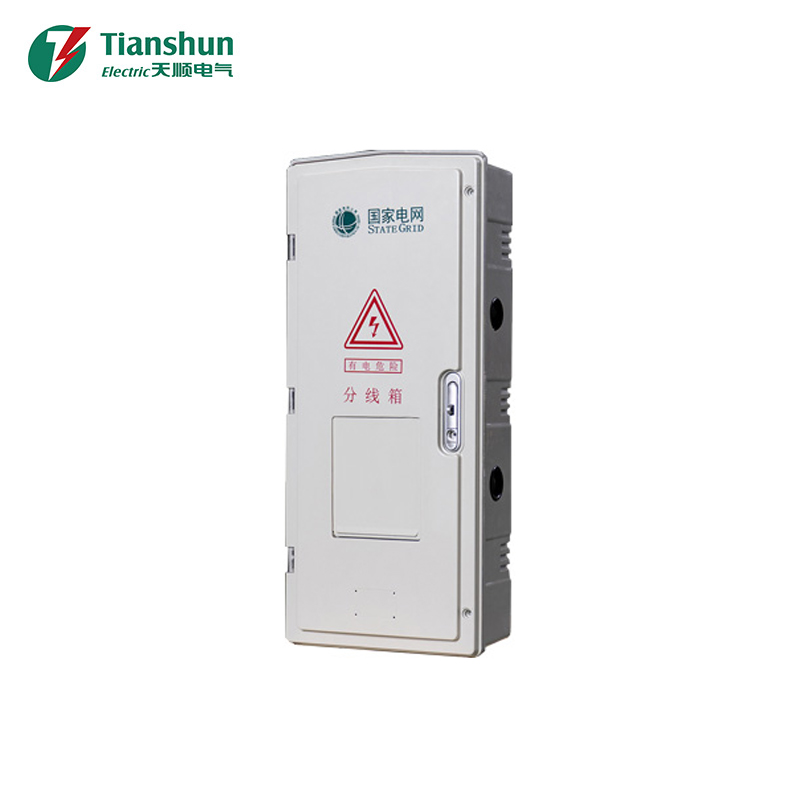
Ask five people in the electrical trade what counts as high voltage work and you will get five answers. A plant technician changing a 480 V feeder breaker calls his job high voltage every day. A substation crew racking out a 12 kV circuit breaker says exactly the same thing and ...
READ MORE
 Terminal Power Distribution Equipment
Low Voltage Distribution Box
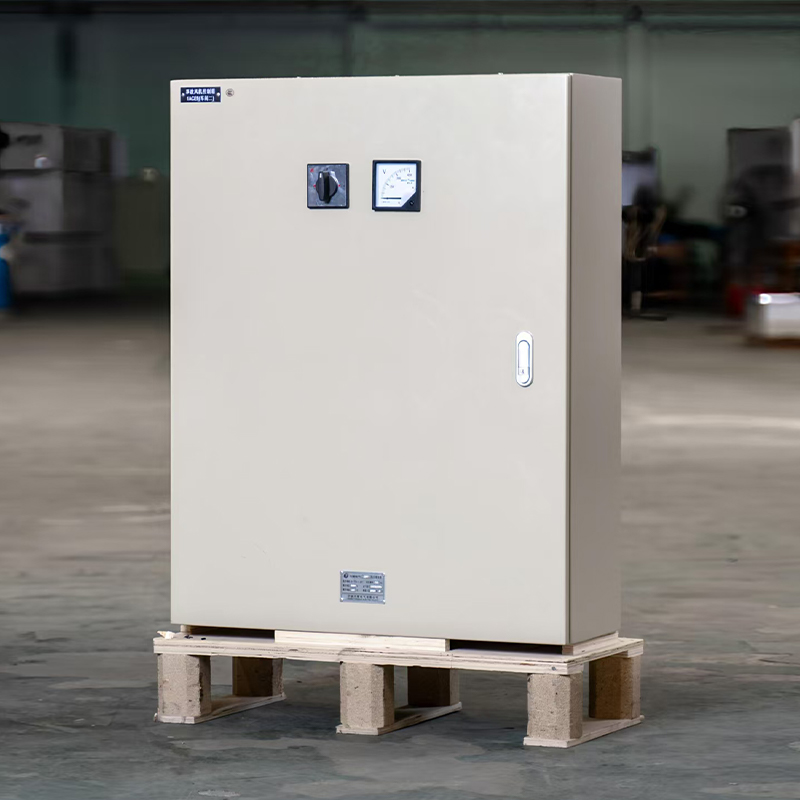
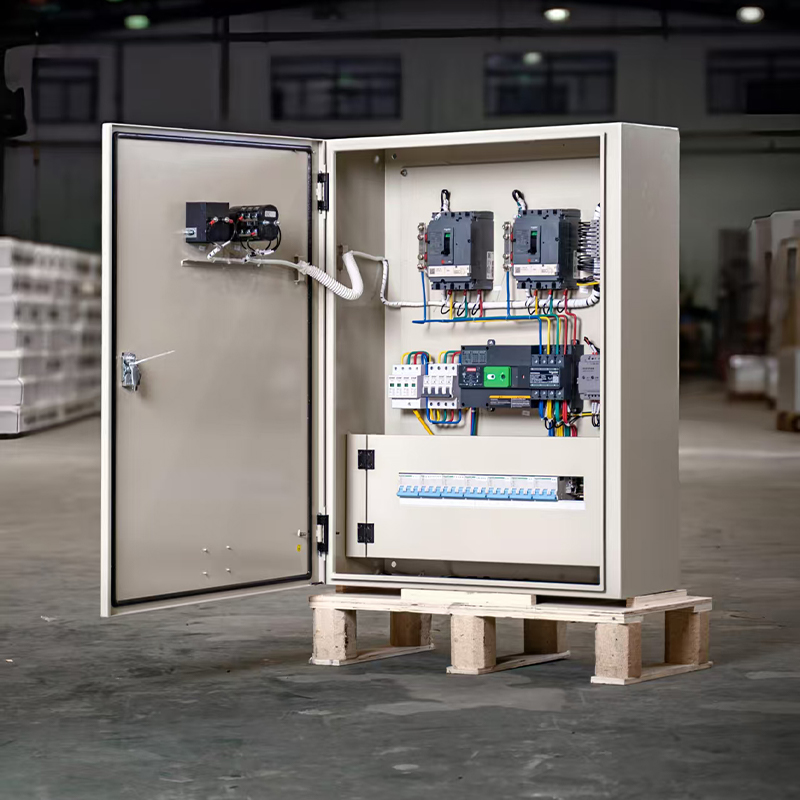
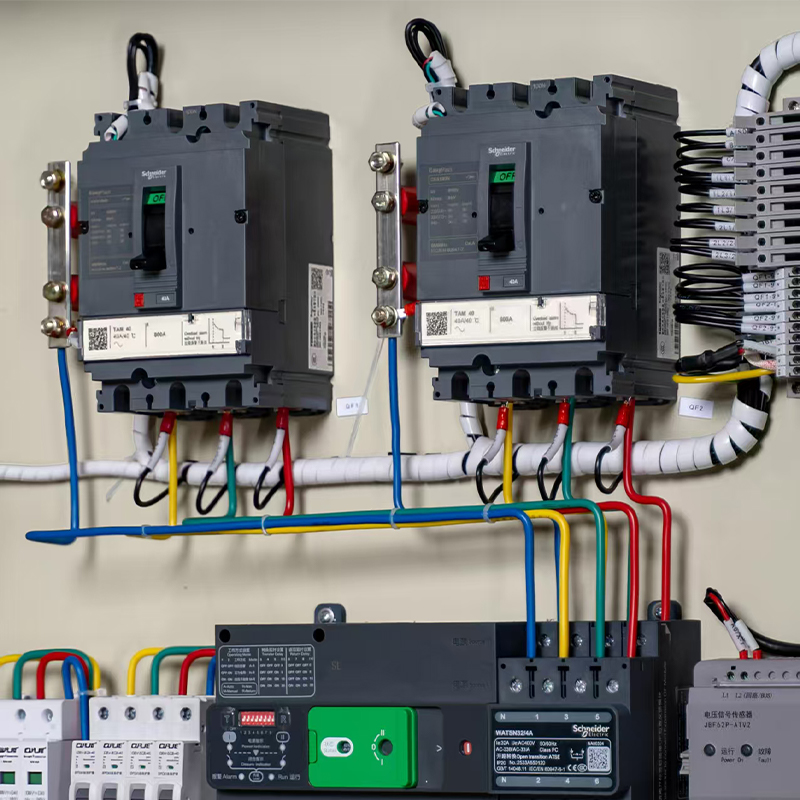
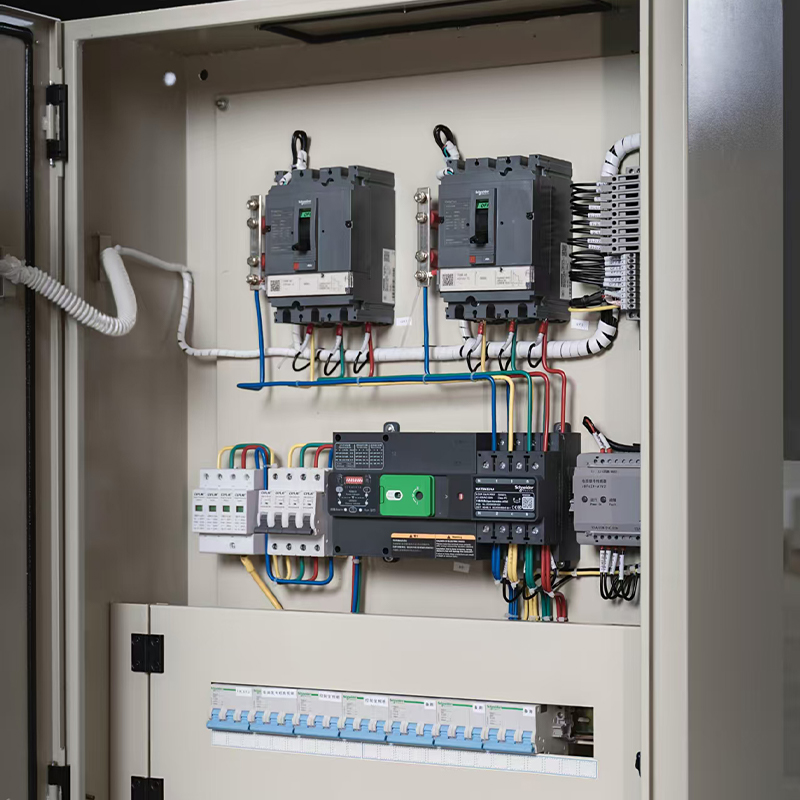
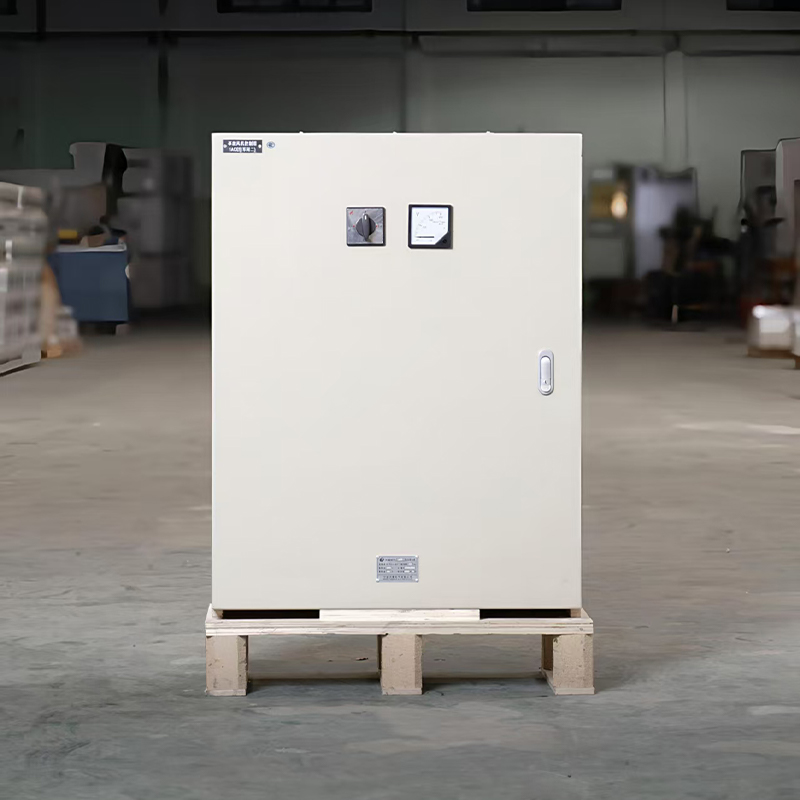
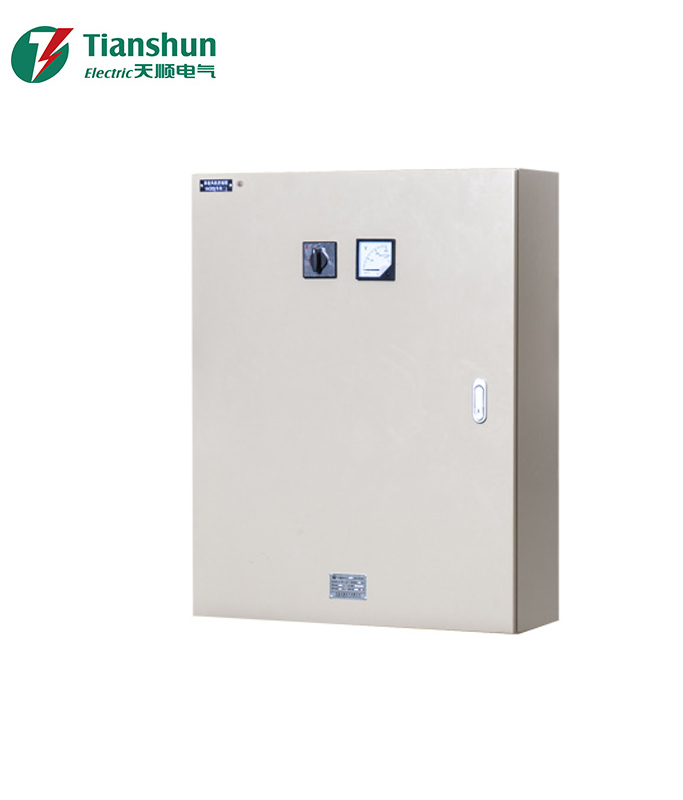
The JXF Series Low Voltage Distribution Box adopts advanced design concepts and manufacturing processes, and is suitable for power distribution in various fields such as buildings, industry, commerce, and power distribution engineering. This series of distribution boxes features high reliability, high safety, energy saving, and environmental protection, and is one of the important power distribution equipment in modern power systems. The distribution box models cover a variety of specifications, capable of meeting different power demands, and are widely used in industrial, commercial, and residential areas.
 Application Scenarios
Production Features
Product Advantages
Application Scenarios
Production Features
Product Advantages
High-rise buildings, residential communities, commercial complexes, hospitals, schools, etc.: Suitable for key areas of power distribution systems, ensuring safe and reliable power supply.
Factories, industrial parks, data centers, new energy (photovoltaic, wind power, energy storage) supporting facilities: Provide stable power for high-power equipment, ensuring normal operation of production and equipment.
Power distribution projects with high requirements for fire protection, moisture resistance, explosion protection, low noise, and maintenance-free: Suitable for high-requirement distribution projects, meeting the needs of various special environments.
Urban power grid renovation, substations, and main transformers are used in box-type substations. In the process of urban power grid upgrading and renovation, they serve as important power distribution facilities to improve power supply stability.
Enclosure Design
Made of high-strength steel plates with anti-corrosion coating on the surface, featuring excellent corrosion resistance and mechanical damage resistance.
Compact structural design, small footprint, easy installation, and suitable for various environmental layouts.
Optional protection levels: IP20 / IP23 / IP30 / IP54, meeting different environmental requirements.
Electrical Components
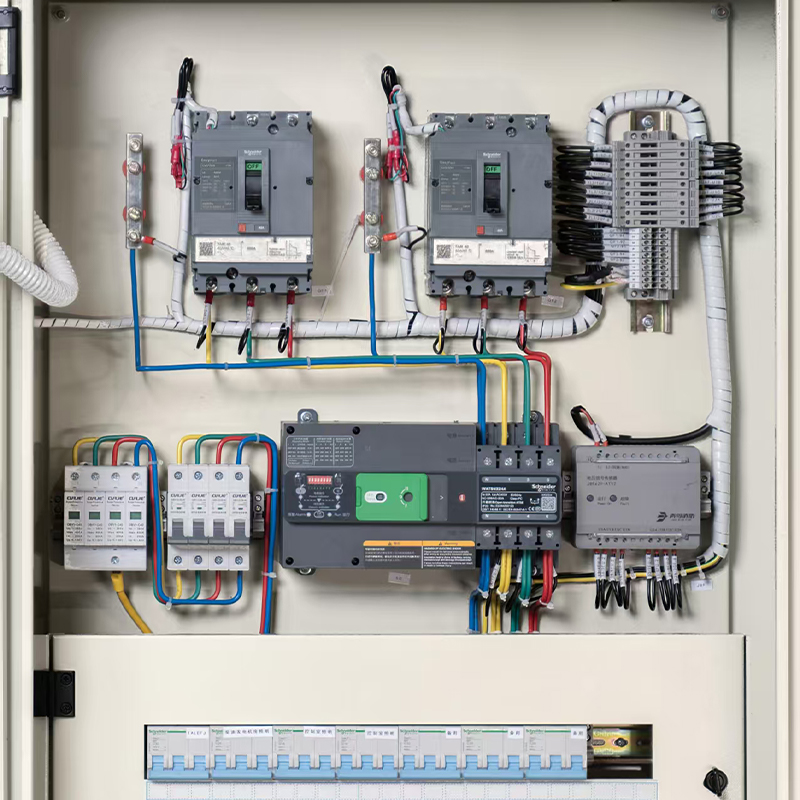
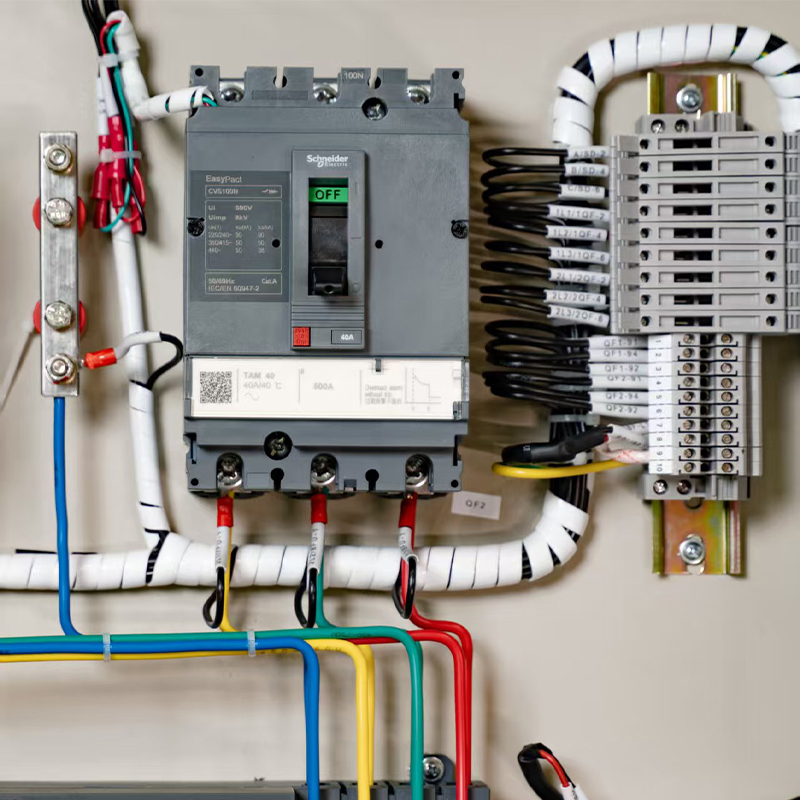
Circuit breaker: High-performance circuit breakers ensure safe operation of the electrical system and timely cut off fault currents.
Terminal blocks: High-quality terminal blocks are used, with reliable contacts, ensuring stable current transmission.
Temperature control device: Equipped with a temperature control protection device, which can automatically adjust fan operation according to working conditions, ensuring long-term stable operation of the equipment.
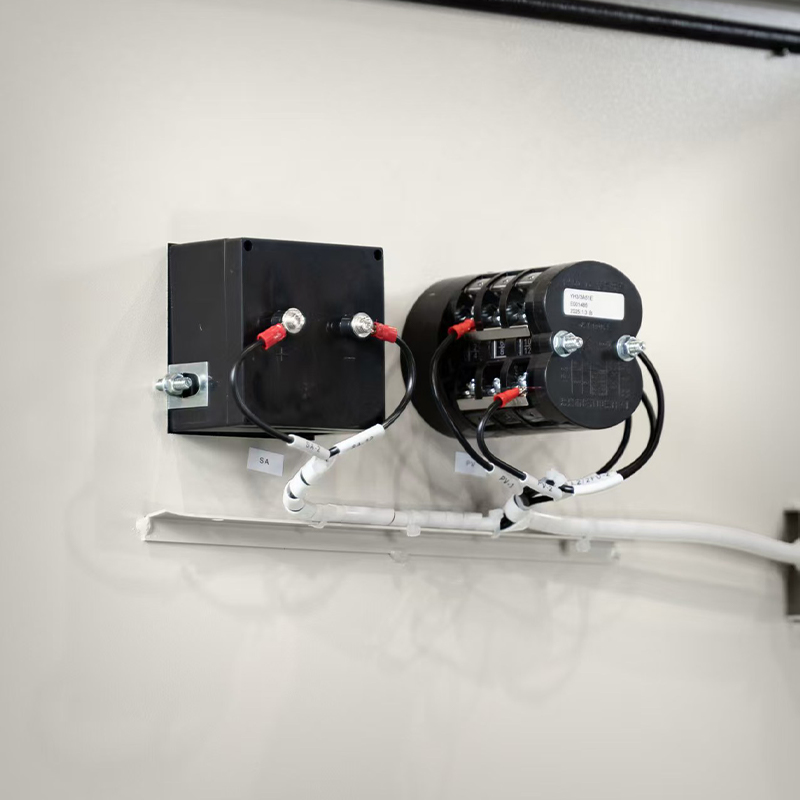
Ammeter and voltmeter: Real-time display of current and voltage information, facilitating operators to monitor the working status of the distribution box.
Structure and Process
Fireproof and waterproof design: The enclosure is specially treated, with good fireproof and waterproof performance, ensuring safe operation under harsh environments.
High-quality insulation materials: All electrical components use high-standard insulation materials to ensure safety and reliability.
Efficient heat dissipation system: Equipped with an air cooling system, effectively reducing equipment temperature and extending service life.
High Efficiency and Energy Saving:
The JXF Series Distribution Box is designed in accordance with the latest national energy efficiency standards, featuring low no-load and load losses, saving electrical energy and reducing long-term operating costs.
High Reliability:
The distribution box adopts high-standard design and manufacturing processes to ensure long-term stable operation, with strong short-circuit resistance and anti-interference capability, ensuring the safety of the power system.
Intelligent Monitoring and Protection Functions:
The distribution box is equipped with intelligent temperature control, overload, and short-circuit protection functions, with real-time monitoring of temperature and load, ensuring stable operation under any conditions.
Environmental Protection and Safety:
The equipment complies with environmental protection standards, is pollution-free, adopts an oil-free design, avoids potential safety hazards of traditional distribution equipment, and meets the requirements of green buildings and new energy applications.
Adaptable to Multiple Scenarios:
The JXF Series Low Voltage Distribution Box is suitable for various applications such as high-rise buildings, commercial complexes, industrial parks, medical facilities, and new energy scenarios, effectively meeting the power distribution needs of various loads.
Maintenance-Free and Long Service Life:
High-quality components and enclosed design are adopted, reducing maintenance frequency, extending service life, and lowering operation and maintenance costs.
Contact us
If you need assistance, please enter your information below and we will contact you as soon as possible.
About Us
Ningbo Tianshun Electric Co., Ltd
Ningbo Tianshun Electric Co., Ltd. is a China Low Voltage Distribution Box Manufacturer and OEM Low Voltage Distribution Box factory, located in Xiangshan Coastal Industrial Park, boasting a superior geographical location and convenient transportation. As a company deeply rooted in the power transmission and distribution industry, we uphold the core values of "Integrity, Innovation, and Excellence." Our team consists of seasoned professionals with over 20 years of industry experience, providing one-stop services covering R&D, production, and after-sales support.
We specialize in a wide range of products, including high- and low-voltage switchgear assemblies and transformers, all of which have obtained multiple authoritative certifications such as CCC and ISO 9001. These products are widely applied across various fields and have earned high recognition from customers. Through technological innovation and standardized operations, we have been honored with numerous accolades, including the AAA-grade "Contract-abiding and Credit-worthy Enterprise" and "Zhejiang High-growth Technology-based SME." We remain committed to manufacturing high-quality, energy-efficient, and eco-friendly power transmission and distribution equipment.
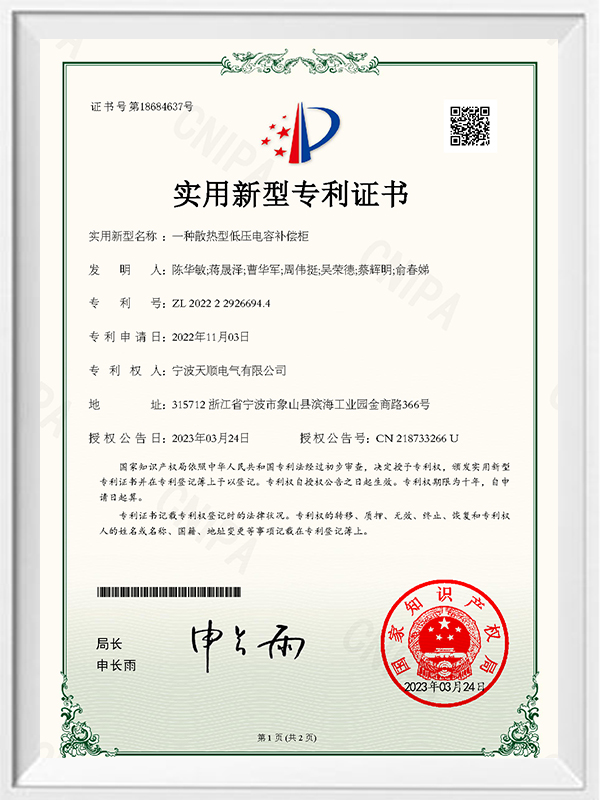
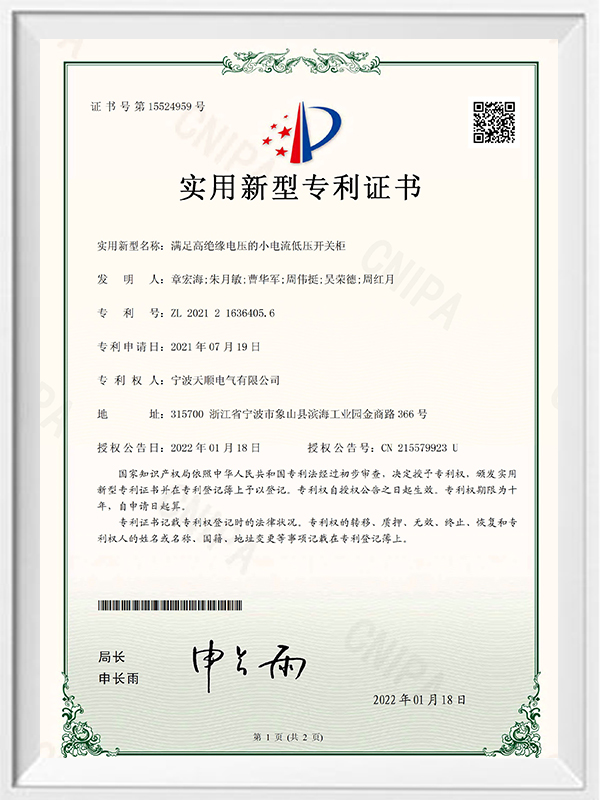
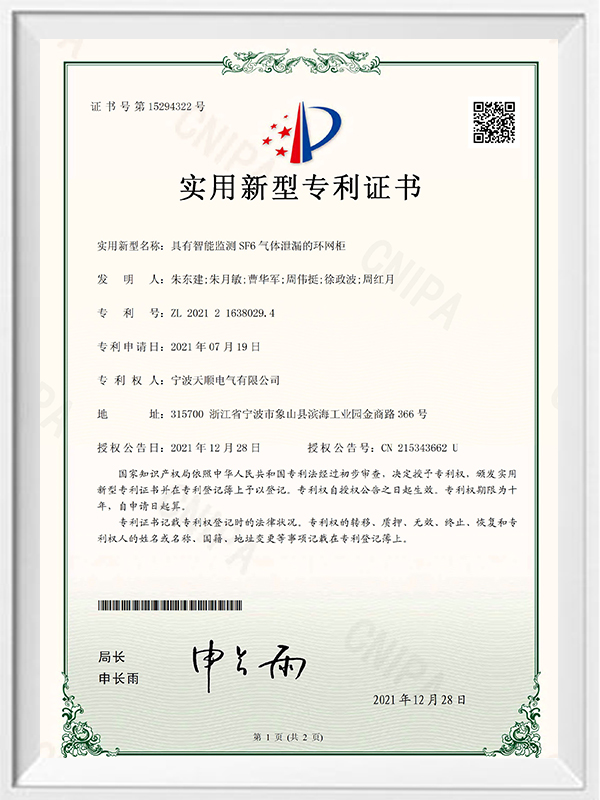
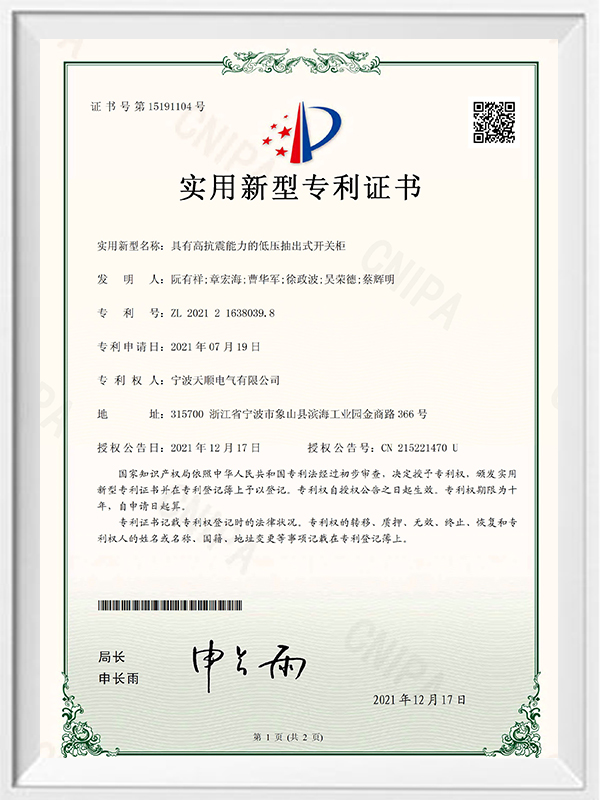
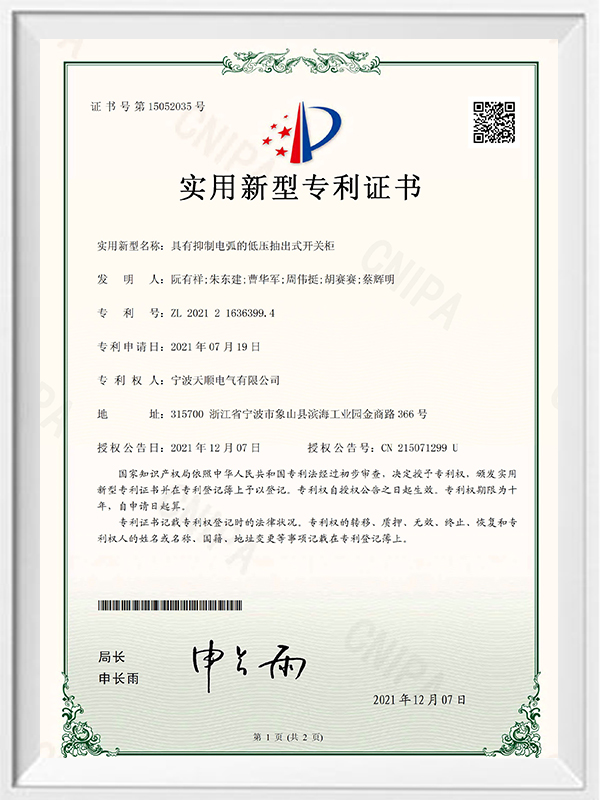
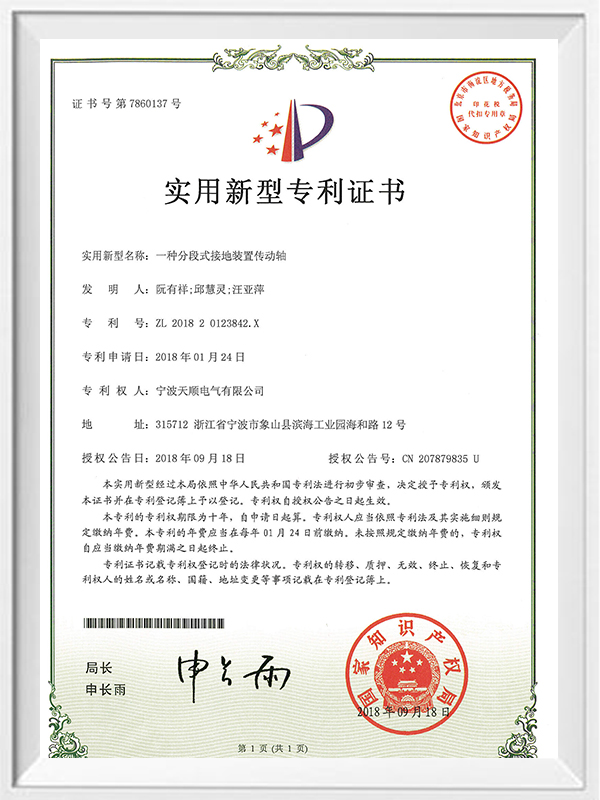
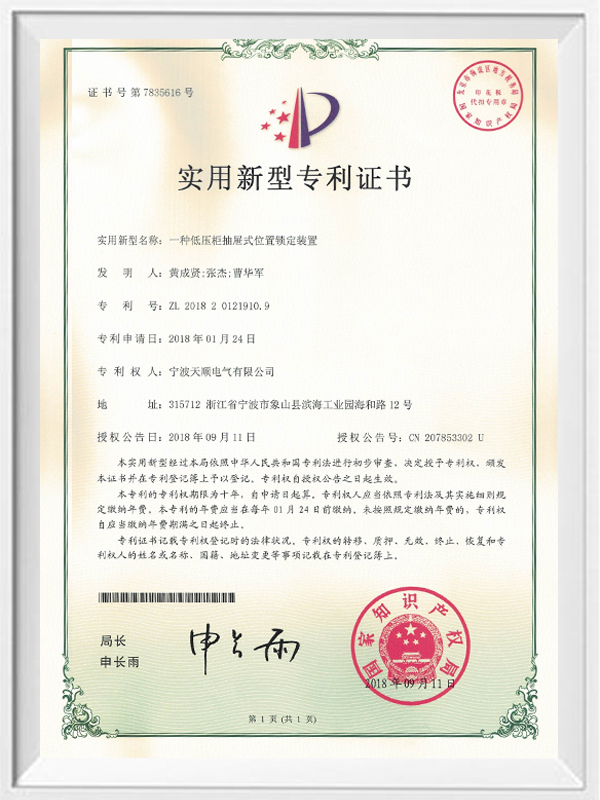
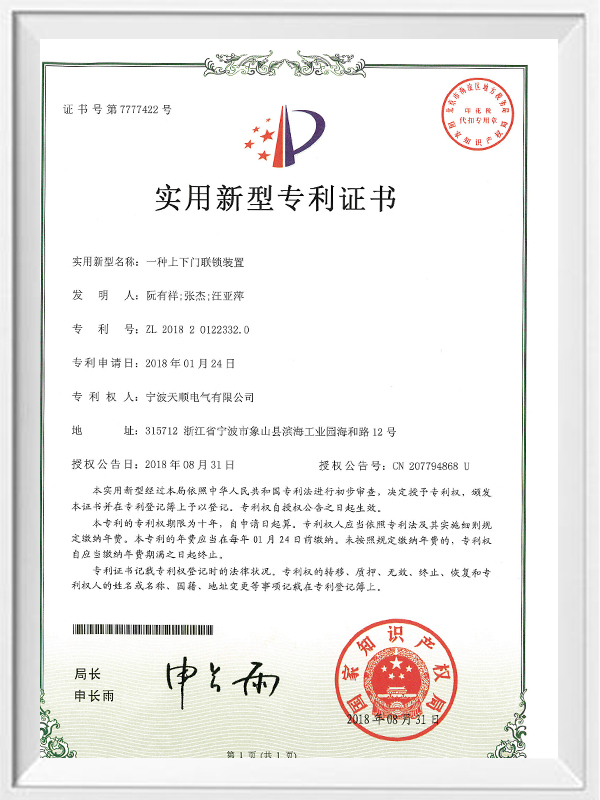
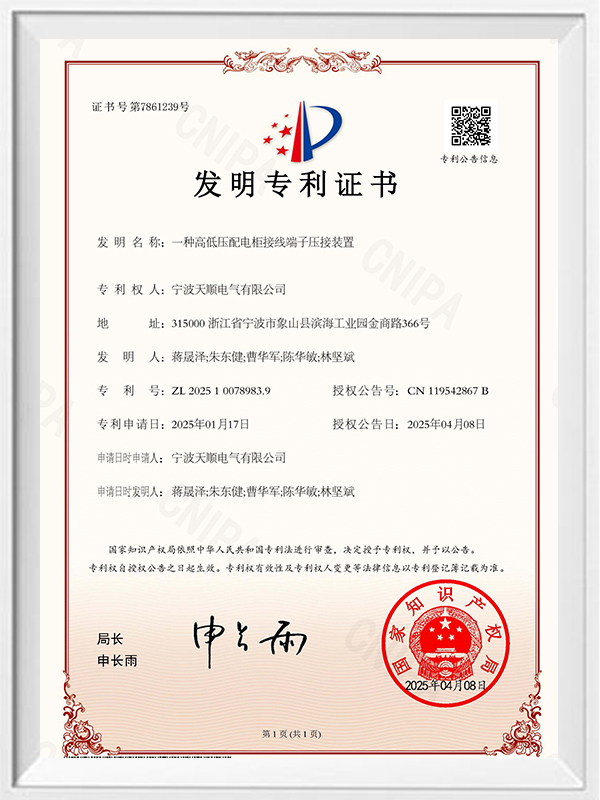
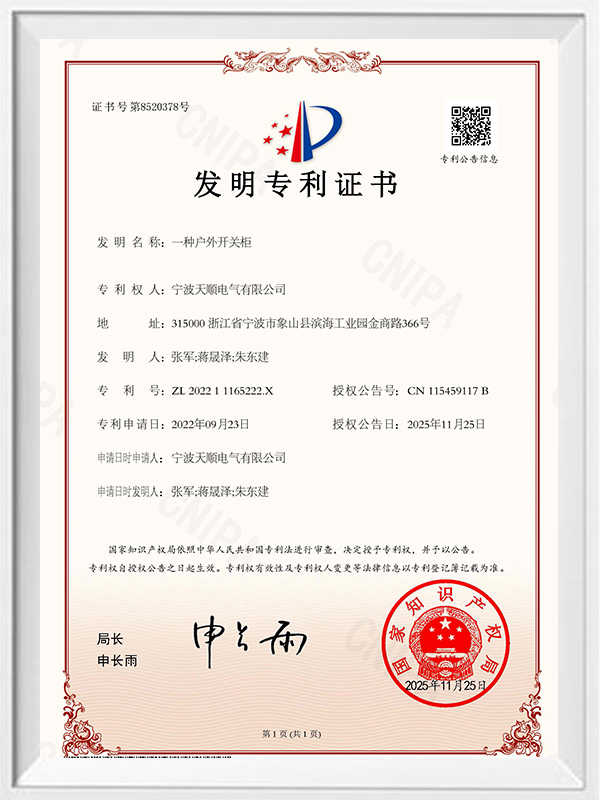
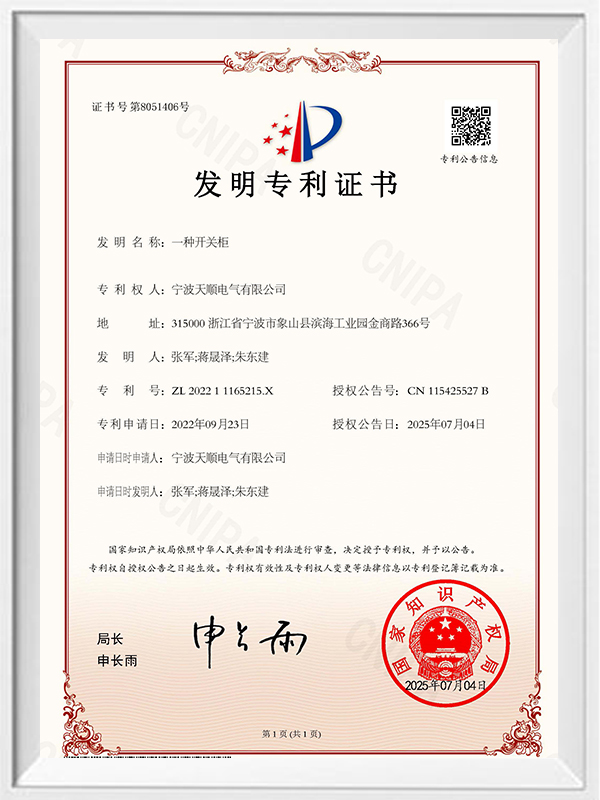
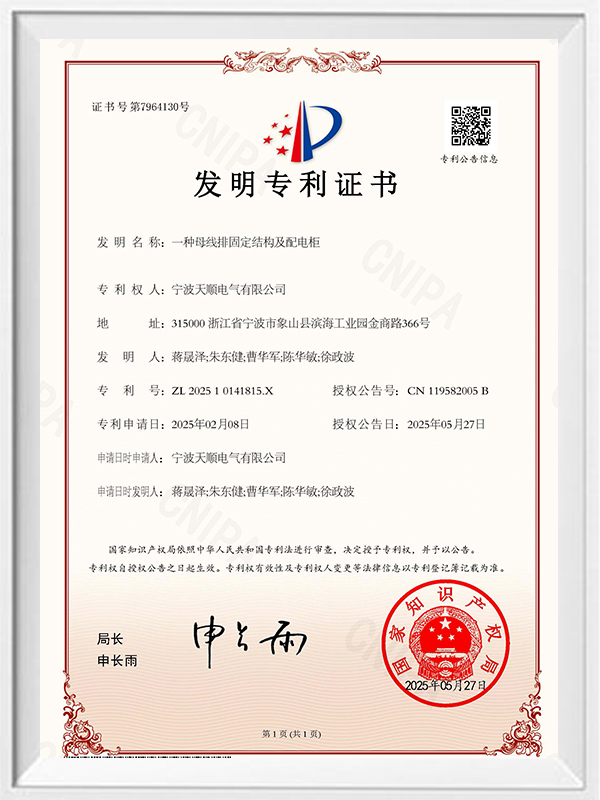
Certificate Of Honor
News
-
-
A 10 kV substation energizes the same shunt capacitor bank twice a quarter. Every close operation produces an inrush current that peaks at six to eight times the steady state value, holds for several cycles, and drags the bus voltage down with it. The breaker is not faulty. The ...
READ MORE -
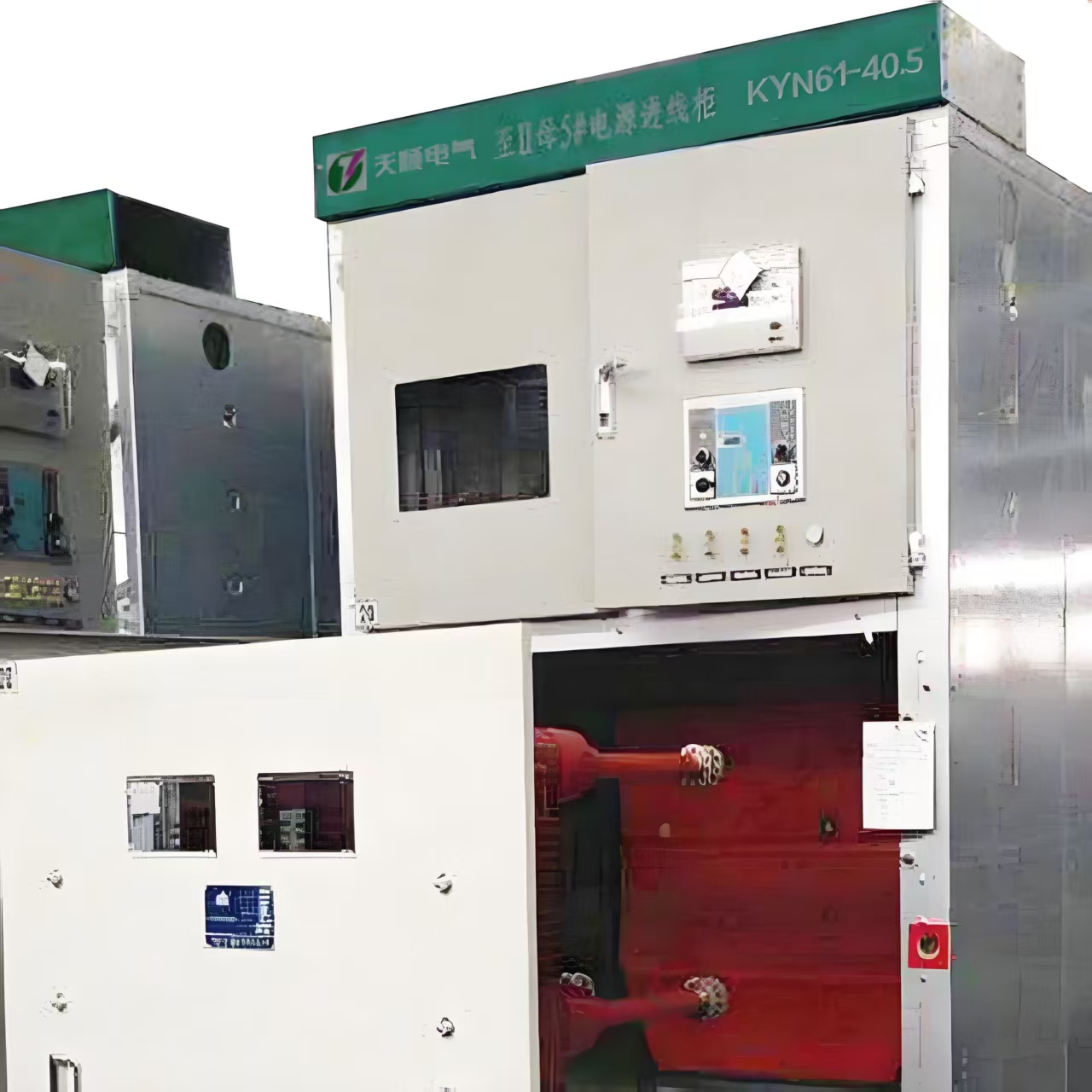
A 35 kV feeder stops at the fence of an industrial park. The utility needs a switching point it can operate safely. The plant needs 400 V at the end of a production line. Everything between those two points is the high voltage substation, and most of the decisions made about it ...
READ MORE
Message Feedback
Low Voltage Distribution Box Industry knowledge
What a Low Voltage Distribution Box Is Used For
A Low Voltage Distribution Box is a compact terminal enclosure that receives incoming low-voltage power and splits it into several protected branch circuits for nearby loads such as lighting fixtures, sockets, small motors, or control equipment. Compared with a full-size distribution cabinet, a distribution box is smaller and lighter, which makes it well suited for wall mounting in corridors, workshops, construction sites, and outdoor equipment enclosures where floor space is limited or a standalone cabinet is unnecessary.
Ningbo Tianshun Electric Co., Ltd., a company deeply rooted in the power transmission and distribution industry with over 20 years of combined team experience, produces this type of terminal equipment as part of its broader range of switchgear and distribution products.
Advantages of Using a Low Voltage Distribution Box
- Compact and lightweight — the small enclosure can be wall-mounted or pole-mounted, saving space compared with a floor-standing cabinet.
- Fast installation — pre-drilled mounting holes and a simplified internal layout allow electricians to install and wire the box in a fraction of the time needed for a large switchgear assembly.
- Lower cost per point of use — because the box covers a smaller group of circuits, it is often more economical to place several distribution boxes close to their loads than to run long cable distances from one central cabinet.
- Adaptable enclosure ratings — models are available with different ingress protection levels, allowing the same basic design to serve both indoor offices and outdoor or damp environments.
Working Principle of the Low Voltage Distribution Box
Inside a distribution box, a short busbar or a set of terminal blocks receives the incoming supply from the upstream cabinet or transformer. This incoming point is protected by a main breaker sized to the total load the box will carry. From there, several smaller circuit breakers or fuses branch off to individual outgoing circuits, each protecting a specific load such as a lighting group or a socket outlet circuit. If a fault occurs on one branch — for example, a short circuit in a lighting fixture — only that branch breaker trips, while the main supply and all other branches continue operating normally.
Typical Internal Layout
Most boxes place the main breaker at the top or on one side, with branch breakers arranged in a row below or beside it, and a neutral/earth terminal block along the bottom edge. This layout keeps wiring paths short and makes it easier to trace a specific circuit during troubleshooting.
Common Applications by Enclosure Rating
The enclosure protection rating of a Low Voltage Distribution Box largely determines where it can be safely installed. The table below lists common rating ranges and their typical use cases.
| IP Rating Range | Typical Application |
|---|---|
| IP20 – IP30 | Indoor offices and residential distribution points |
| IP44 – IP54 | Workshops with dust or occasional water splashing |
| IP65 and above | Outdoor sites, construction areas, and washdown zones |
Selecting and Installing a Distribution Box Correctly
Choosing the right box starts with adding up the current demand of every circuit it will serve, then leaving a reasonable margin — often around 20 percent — for future additions. The following points are worth checking before installation:
- Confirm the main breaker rating matches the incoming cable size and the upstream protection device to avoid nuisance tripping or under-protection.
- Match the enclosure's IP rating to the installation environment, especially for outdoor or high-humidity locations.
- Label every branch breaker clearly so that maintenance staff can quickly identify which circuit has tripped.
- Leave accessible clearance in front of the box for safe operation and future inspection.
Working with a supplier that offers installation guidance and after-sales fault handling support can help avoid common wiring mistakes during first-time setup, and shortens the time needed to bring a new distribution point into service.
Frequently Asked Questions
Q1: What is the difference between a Low Voltage Distribution Box and a distribution cabinet?
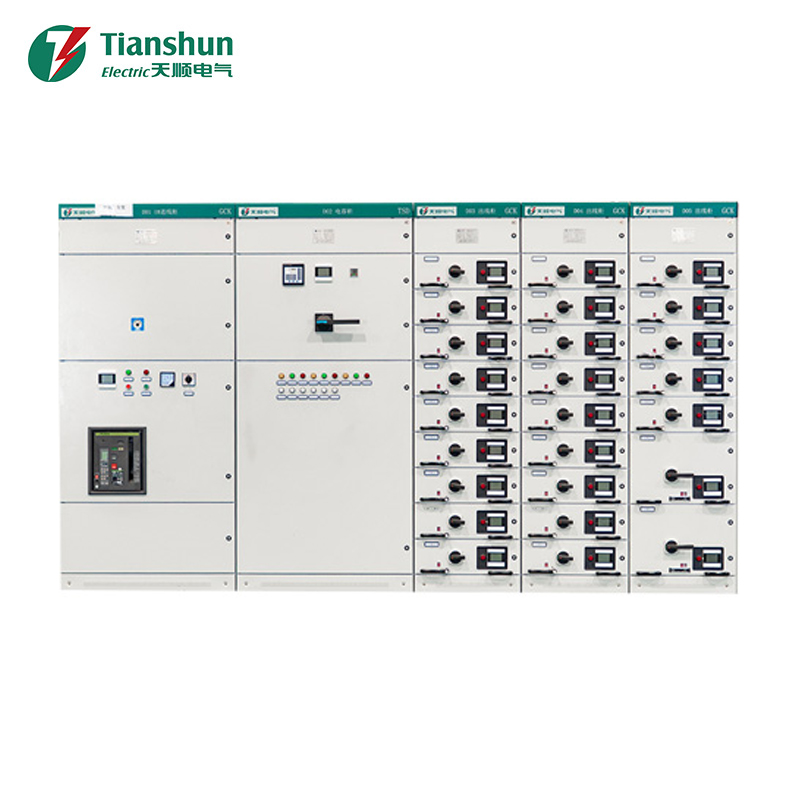
A distribution box is generally smaller, wall-mounted, and designed to serve a limited number of branch circuits close to the load, while a distribution cabinet is larger, often floor-standing, and capable of handling higher current and a greater number of outgoing circuits.
Q2: Can a distribution box be installed outdoors?
Yes, as long as a box with a suitable outdoor-rated enclosure — typically IP65 or higher — is selected, and it is mounted in a location protected from direct water pooling and excessive sun exposure where possible.
Q3: How many circuits can a typical Low Voltage Distribution Box support?
This varies by model size, but many compact boxes are designed to hold anywhere from a few branch breakers up to around twenty, depending on the enclosure dimensions and the number of mounting rails inside.
Q4: What certifications should be confirmed before purchasing a distribution box?
Buyers are encouraged to check for recognized certifications such as CCC and ISO 9001, which help confirm that the product meets national electrical safety requirements and is manufactured under a consistent quality management system.

-
Please feel free to contact us if needed!
Contact Us -
Quick Links
Home About Us Products Applications News Contact -
Contact Us
nbtsdq@163.com +86-15757467313 +86-574-65800646 No. 1, Jiuzhou Road, Xiangshan County, Ningbo City, Zhejiang Province, China -
Get Touch
Copyright © 2026 by Ningbo Tianshun Electric Co., Ltd All Rights Reserved.
Low Voltage Distribution Box Manufacturer
OEM Low Voltage Distribution Box factory
