

 English
 中文简体
中文简体 Español
 عربى
عربى
What Is a High-Voltage Distribution System?
Admin 2026-07-23Content
- 1 What Is a High-Voltage Distribution System?
- 2 Why This System Matters for Reliable Power Delivery
- 3 Key Components of a High-Voltage Distribution System
- 4 How High-Voltage Distribution Assemblies Support the System
- 5 Voltage Classification in Distribution Systems
- 6 Common Applications of High-Voltage Distribution Systems
- 7 Comparing Assembly Types by Installation Environment
- 8 Safety and Maintenance Considerations
- 9 Choosing the Right High-Voltage Distribution Assembly
- 10 Final Takeaway
What Is a High-Voltage Distribution System?
A high-voltage distribution system is the network of equipment, cables, switchgear, and control devices that carries electrical power from substations to the points where it is stepped down and delivered to industrial, commercial, or utility loads. Unlike low-voltage wiring found inside a building, this system operates at voltage levels generally above 1,000 volts, and it is engineered specifically to move large amounts of power over longer distances with minimal energy loss. In short, it is the backbone that bridges bulk power generation and the transformers or panels that ultimately reduce voltage for everyday use.
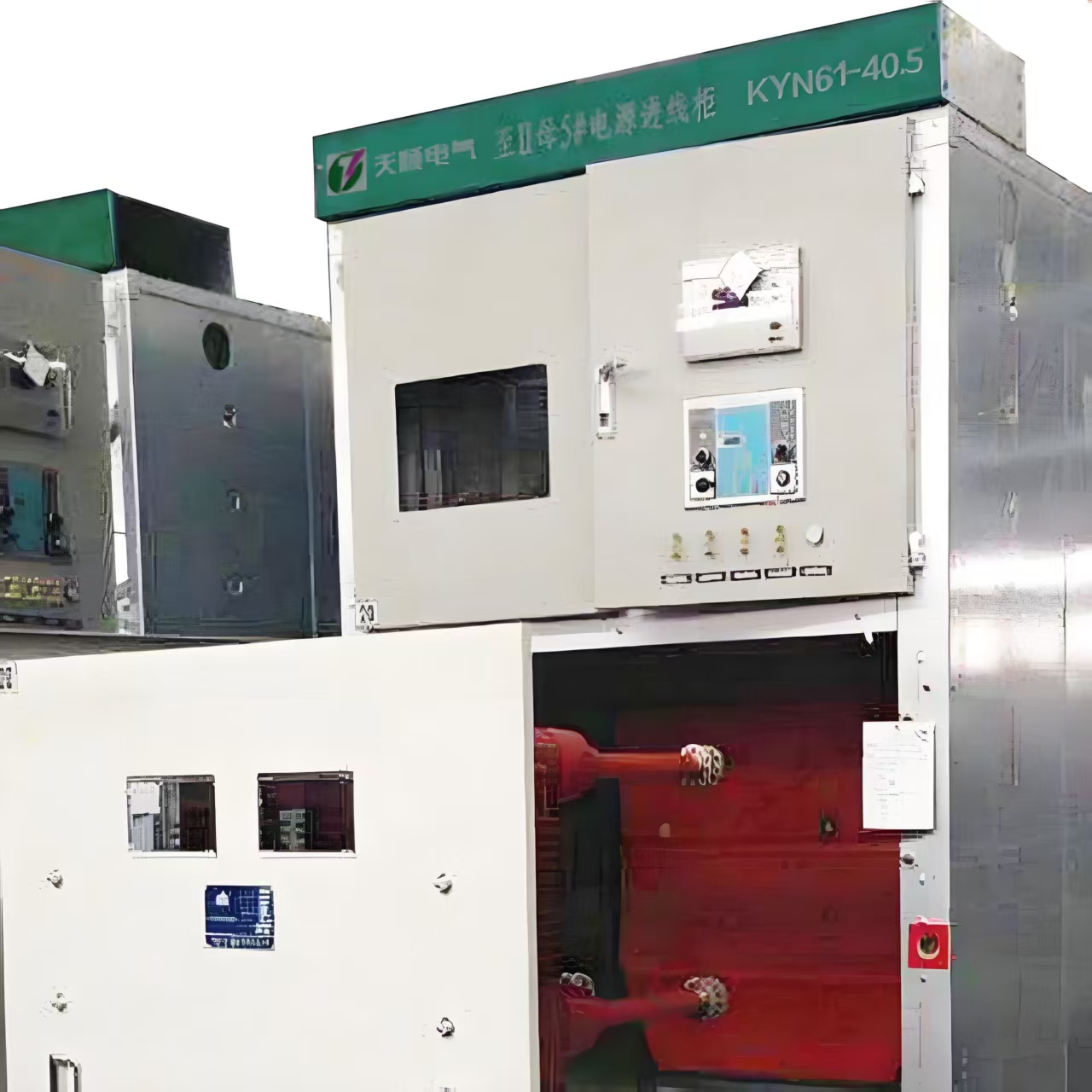
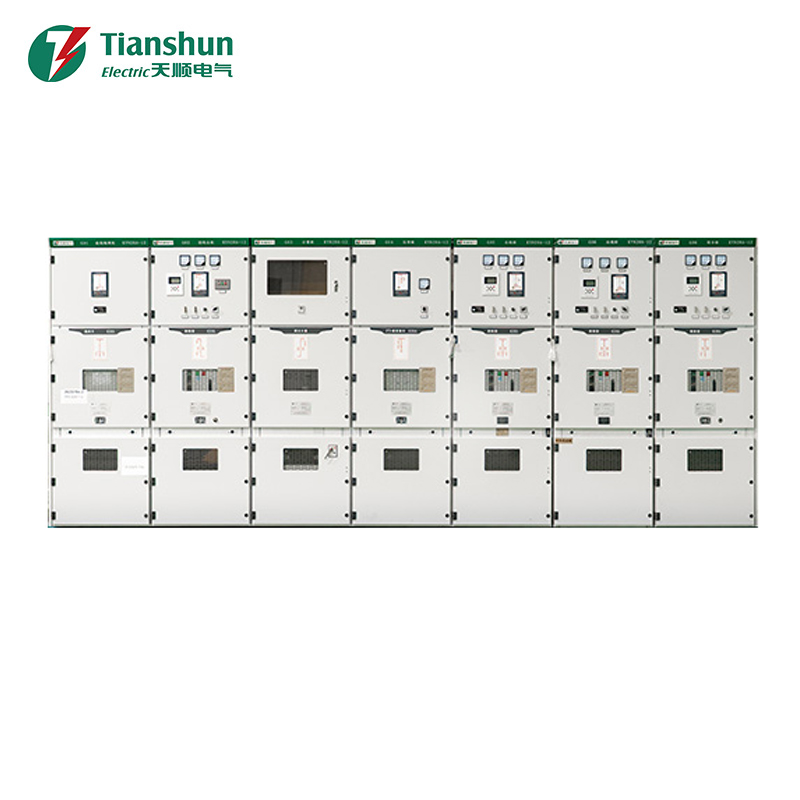
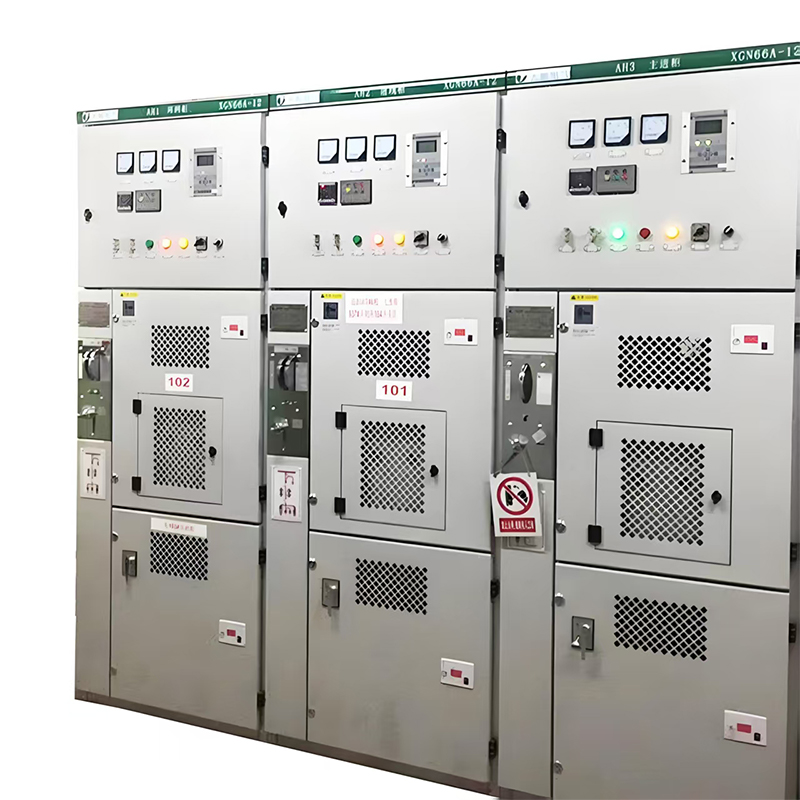
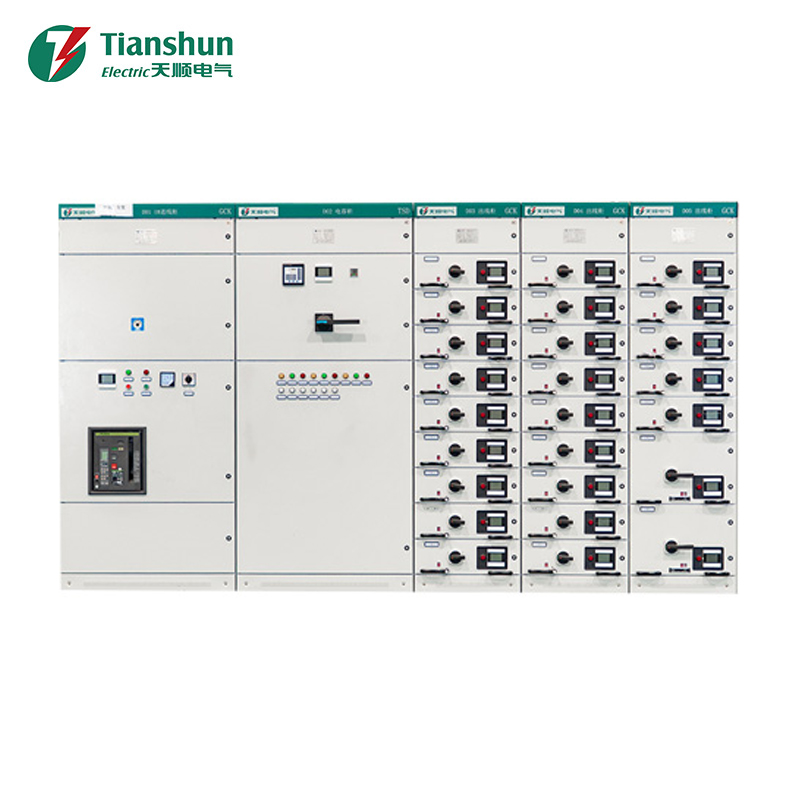
The system is not a single device but a coordinated assembly of parts working together. This is where high-voltage distribution assemblies come in — pre-engineered groupings of switchgear, busbars, protective relays, and insulation components that are designed, tested, and installed as a unit to ensure reliable and safe power flow at every stage of distribution.
These systems typically sit between two other layers of the electrical grid: the transmission network, which moves power over very long distances at extremely high voltages, and the end-use wiring, which operates at low voltage inside buildings and equipment. The distribution system's job is to take power that has already traveled a long way and prepare it for local delivery, stepping voltage down in stages while maintaining tight control over safety, reliability, and power quality.
Why This System Matters for Reliable Power Delivery
Every facility that depends on continuous electrical service — from a factory floor to a hospital or a data center — relies on the distribution system to keep power flowing without interruption. A well-designed system does three things at once: it moves energy efficiently, it protects equipment from faults, and it isolates problems quickly so a single failure does not cascade into a widespread outage.
Higher voltage levels allow the same amount of power to be transmitted with lower current, which in turn reduces resistive losses in cables and conductors. This is the fundamental engineering reason distribution networks operate at elevated voltage rather than simply running low-voltage cable everywhere: it keeps energy losses and conductor sizes manageable even as load and distance increase.
Key Components of a High-Voltage Distribution System
Every high-voltage distribution system relies on a set of core components that must work in harmony. Understanding each part helps clarify why assemblies are typically engineered as complete solutions rather than a collection of separate parts.
Switchgear and Circuit Breakers
Switchgear controls, protects, and isolates sections of the system. Circuit breakers within the switchgear interrupt fault currents automatically, preventing damage to downstream equipment and reducing the risk of fire or arc flash incidents. Breakers are typically paired with disconnect switches so that a section can be fully isolated for maintenance without shutting down the entire network.
Busbars and Conductors
Busbars distribute current within an assembly, while conductors and cables carry power between different points of the network. Their sizing and insulation rating must match the voltage class of the system to prevent breakdown. Copper and aluminum are the two most common conductor materials, chosen based on a balance of conductivity, weight, and cost.
Protective Relays and Monitoring Devices
Relays continuously monitor current, voltage, and temperature, triggering breakers to open when abnormal conditions are detected. Modern assemblies often include digital monitoring for real-time visibility into system health, allowing maintenance teams to spot early warning signs long before a fault occurs.
Transformers
Transformers step voltage up or down between distribution stages, allowing power to travel efficiently at high voltage before being reduced to safer levels for end use. They are one of the most critical — and most expensive — assets in the system, so their protection and cooling design receive particular attention during engineering.
Grounding and Bonding Systems
Proper grounding provides a safe path for fault current and stabilizes system voltage during abnormal conditions. Without an effective grounding design, even a minor fault can create dangerous voltage differences across equipment enclosures.
How High-Voltage Distribution Assemblies Support the System
Rather than assembling switchgear, protection devices, and busbars separately on site, many facilities rely on high-voltage distribution assemblies that arrive as factory-tested, integrated units. This approach offers several practical advantages:
- Reduced installation time, since components are pre-wired and pre-tested before shipment
- Consistent quality control, as the assembly is verified as a complete unit rather than individual parts
- Simplified maintenance, because access points, labeling, and layout follow a standardized design
- Improved coordination between protection devices, lowering the chance of miscoordinated trip settings
- Easier future expansion, since modular sections can often be added without redesigning the entire lineup
For engineers designing or upgrading a distribution network, specifying an assembly rather than discrete components can shorten commissioning timelines and simplify long-term spare-parts planning, since replacement modules are built to the same specification as the original unit. This is especially valuable for facilities that cannot tolerate extended downtime during upgrades, such as continuous manufacturing lines or critical infrastructure sites.
Voltage Classification in Distribution Systems
Voltage levels within distribution systems are generally grouped into classes, and equipment such as switchgear and assemblies is rated to match one of these classes. Selecting the correct class is essential, since undersized insulation or clearance can lead to premature failure.
| Classification | Typical Voltage Range | Common Use |
|---|---|---|
| Low Voltage | Below 1 kV | Building wiring, lighting, appliances |
| Medium Voltage | 1 kV to 38 kV | Local distribution feeders, industrial plants |
| High Voltage | Above 38 kV up to around 230 kV | Substation distribution, regional transmission tie-ins |
These ranges vary somewhat by regional standards, but the core principle stays the same: as voltage increases, clearance distances, insulation thickness, and protective coordination requirements all increase as well. Assemblies rated for a specific class are tested to withstand the expected fault current and insulation stress for that class before they ever leave the factory.
Common Applications of High-Voltage Distribution Systems
High-voltage distribution systems appear wherever significant electrical loads need to be served reliably. Typical applications include:
- Utility substations distributing power to residential and commercial feeders
- Manufacturing plants with large motors, furnaces, or continuous process loads
- Data centers requiring redundant, high-capacity power feeds
- Renewable energy sites, such as wind or solar farms, that collect and step up power before it reaches the grid
- Rail and transit systems that draw substantial power at fixed intervals along a route
- Ports and shipyards, where large cranes and cold-ironing systems require concentrated power delivery
In each case, the distribution assembly is sized according to the maximum expected load, with margin built in for future expansion so that the system does not require a full redesign as demand grows. A facility that underestimates future load growth often faces costly retrofits within just a few years of initial installation.
Comparing Assembly Types by Installation Environment
Not every facility needs the same type of assembly. Environmental conditions, available footprint, and safety requirements all influence which configuration makes the most sense.
| Configuration | Typical Environment | Key Benefit |
|---|---|---|
| Indoor Metal-Enclosed | Climate-controlled buildings | Compact footprint and easy access |
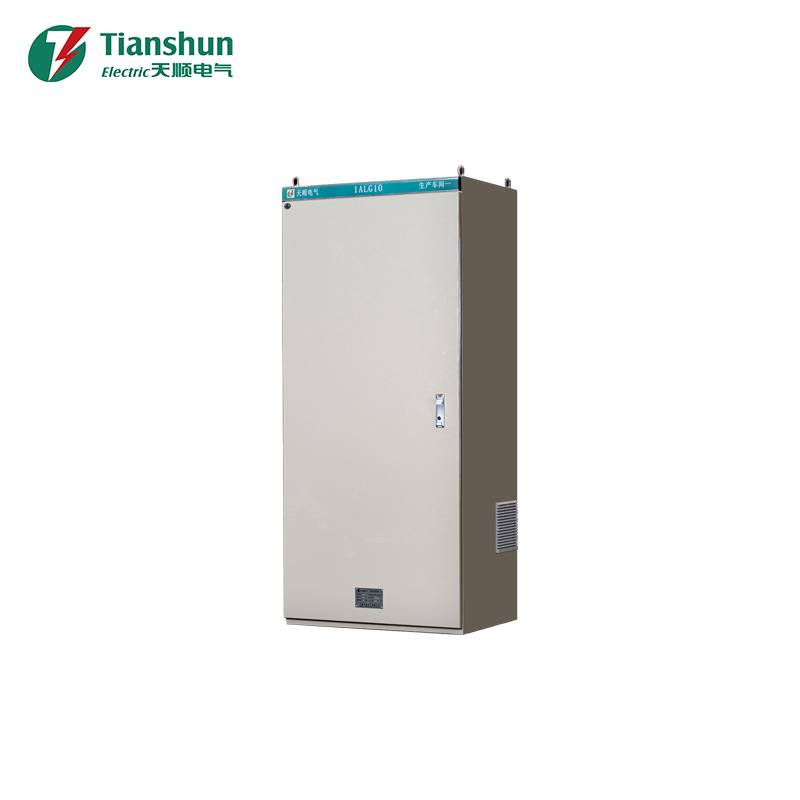
| Outdoor Weatherproof | Substations, exposed sites | Durability against weather extremes |
| Arc-Resistant Enclosed | High-risk industrial areas | Enhanced personnel protection during faults |
| Modular Skid-Mounted | Temporary or remote sites | Fast relocation and deployment |
Safety and Maintenance Considerations
Because high-voltage equipment carries significant risk if mishandled, safety is built into every stage of design, operation, and upkeep.
Clearance and Insulation
Assemblies must maintain minimum clearance distances between energized parts and grounded surfaces to prevent flashover. Insulation materials are selected based on the voltage class and expected environmental exposure, including humidity, dust, and temperature swings.
Routine Inspection
Scheduled inspections check for insulation degradation, loose connections, and signs of overheating. Thermal imaging is often used to spot developing issues before they cause an outage, and periodic testing of protective relays confirms that trip settings remain accurate over time.
Lockout and Isolation Procedures
Before any maintenance work, sections of the assembly must be fully isolated and grounded following established lockout-tagout procedures. This step is non-negotiable for protecting personnel working near or within the enclosure, and it should be documented and verified by a second qualified person whenever possible.
Documentation and Record-Keeping
Keeping detailed maintenance logs, single-line diagrams, and relay setting records helps teams respond faster during troubleshooting and provides a clear history when planning future upgrades.
Choosing the Right High-Voltage Distribution Assembly
Selecting an appropriate assembly starts with a clear picture of the load profile, available space, and expected growth. A few practical questions can guide the decision:
- What is the present and projected peak load, and does the assembly have room to accommodate future feeders?
- Is the installation indoor or outdoor, and what environmental protection rating is required?
- Does the facility need arc-resistant construction for added personnel safety?
- How will the assembly integrate with existing protection and monitoring systems?
- What level of remote monitoring or automation is needed for day-to-day operation?
Answering these questions early helps ensure the chosen assembly is not only compliant with current requirements but also adaptable enough to support future capacity needs without requiring a costly overhaul. A well-matched assembly should also allow room for phased expansion, so additional sections can be added as the facility grows rather than replacing the entire lineup at once.
Final Takeaway
A high-voltage distribution system is the coordinated network that safely and efficiently moves power from bulk supply points to the transformers and equipment that ultimately serve a facility's needs. Choosing well-engineered, properly rated assemblies — matched to the correct voltage class, environment, and load profile — is one of the most effective ways to improve reliability, simplify maintenance, and plan for long-term growth without unnecessary downtime or redesign costs.
For exclusive deals and latest offers, sign up by entering your email address below.

-
Please feel free to contact us if needed!
Contact Us -
Quick Links
Home About Us Products Applications News Contact -
Contact Us
nbtsdq@163.com +86-15757467313 +86-574-65800646 No. 1, Jiuzhou Road, Xiangshan County, Ningbo City, Zhejiang Province, China -
Get Touch
