

 English
 中文简体
中文简体 Español
 عربى
عربى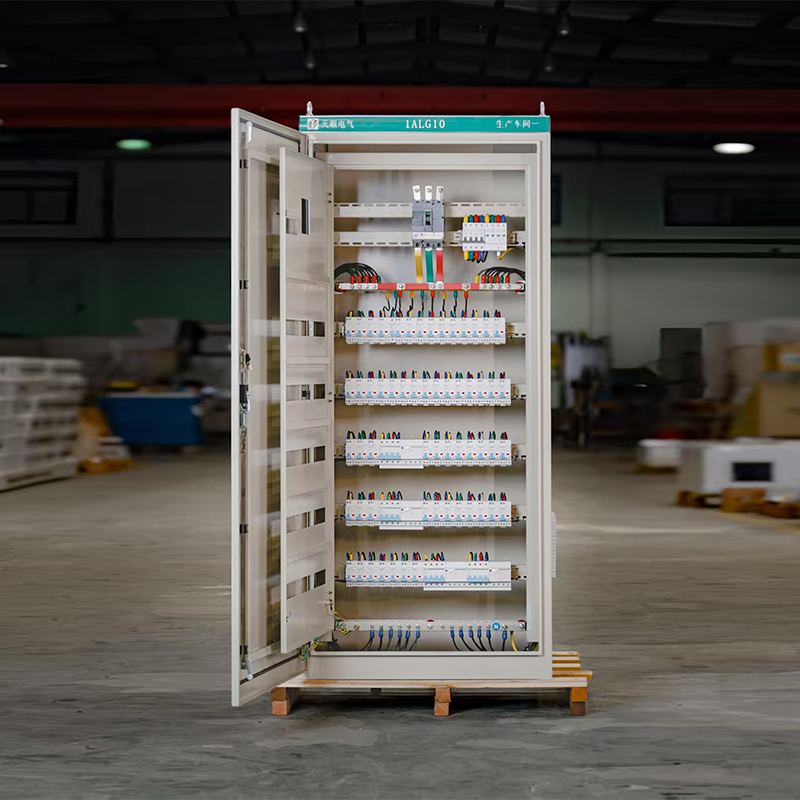
When a 110 kV circuit breaker fails to clear a fault, the consequences do not stay inside the substation fence. Downstream feeders lose supply, the disturbance propagates to neighboring lines, and the investigation eventually points back to equipment decisions made years earlier...
READ MORE
 Terminal Power Distribution Equipment
LV Power Distribution Cabinet
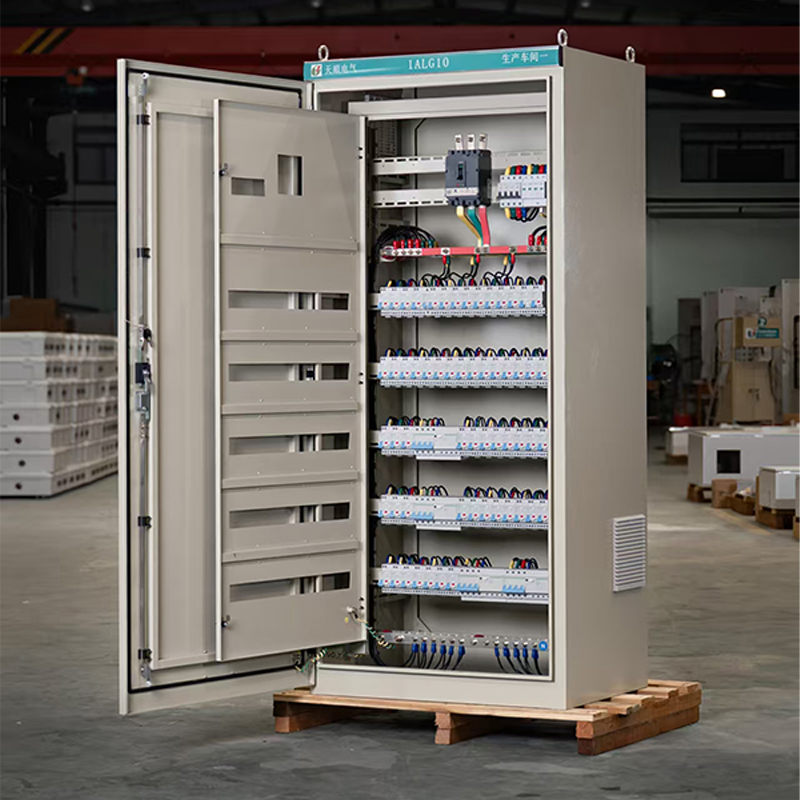
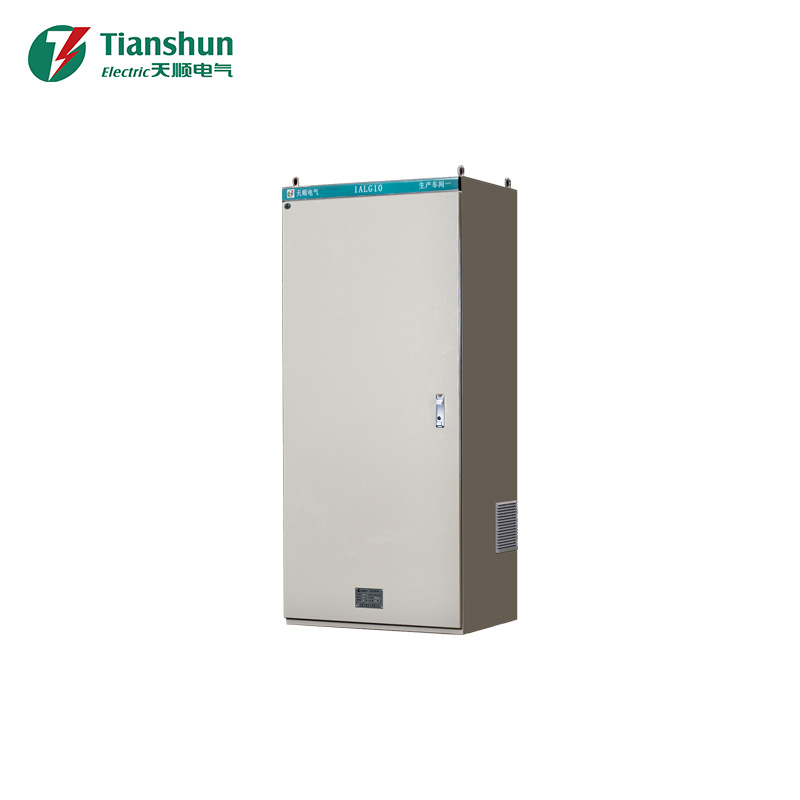
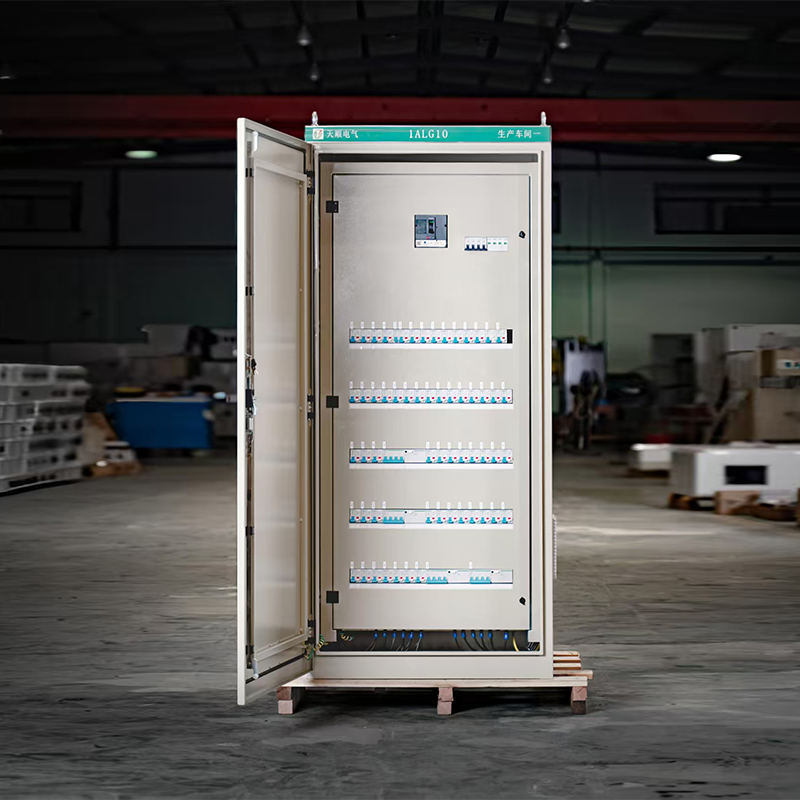
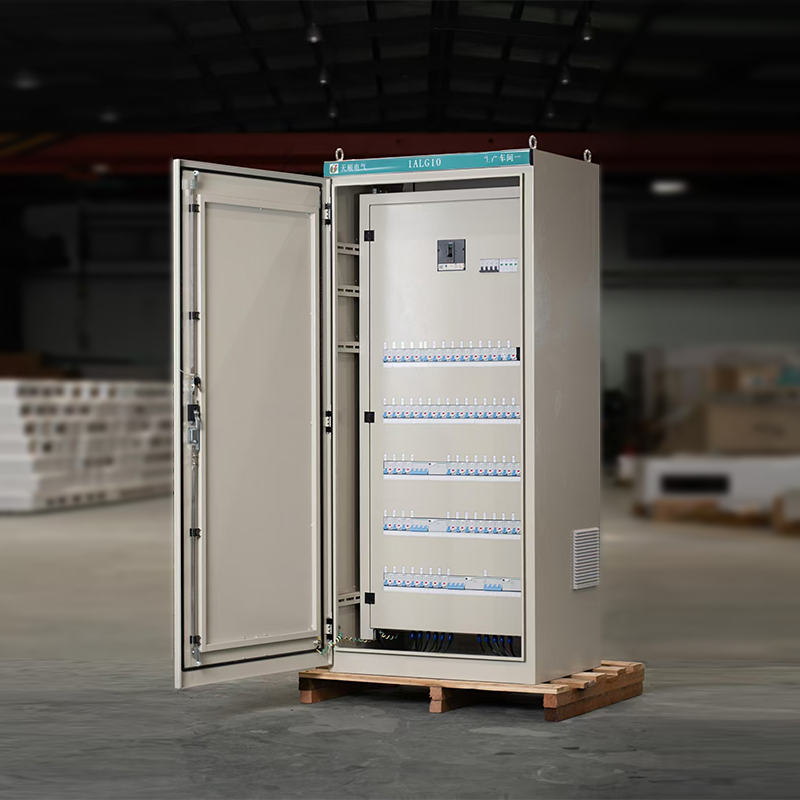
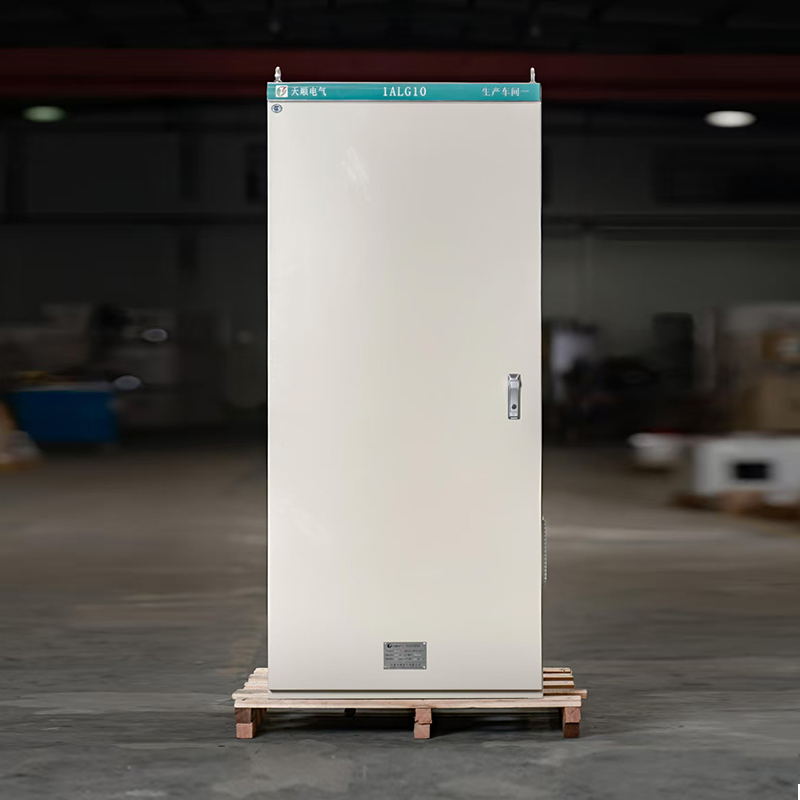
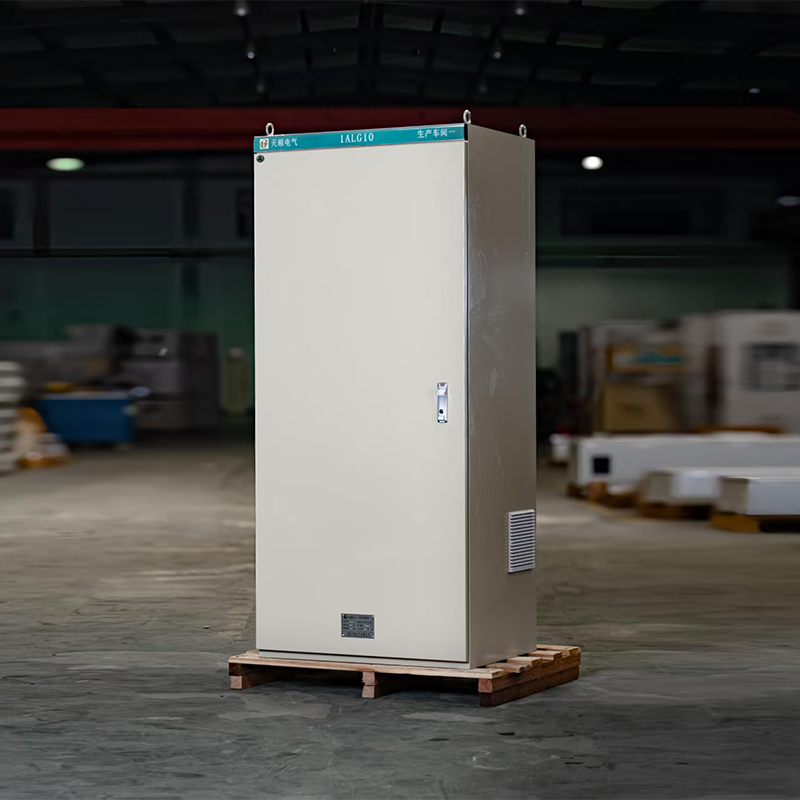
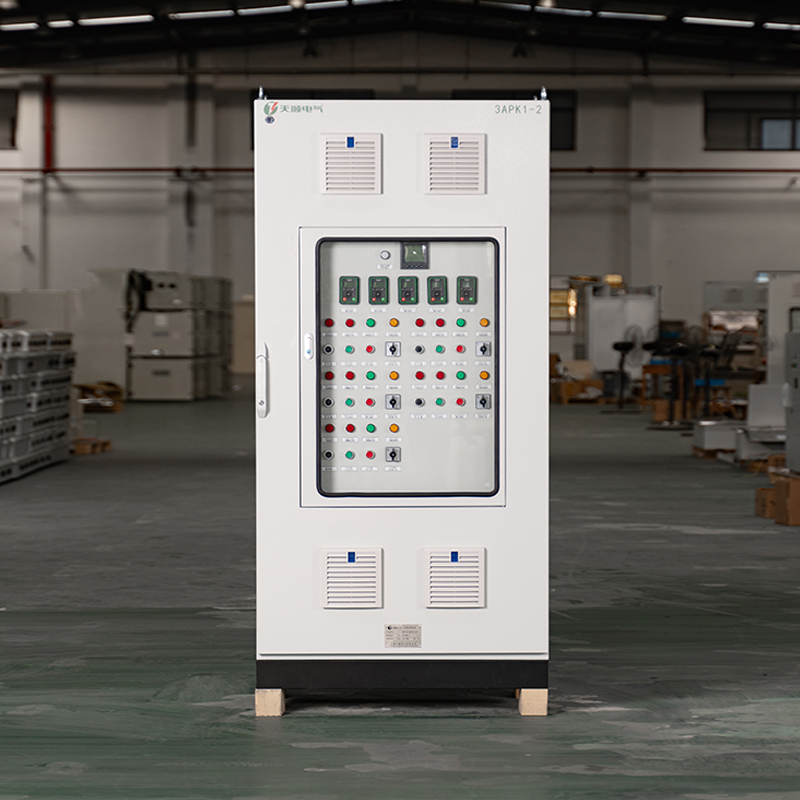
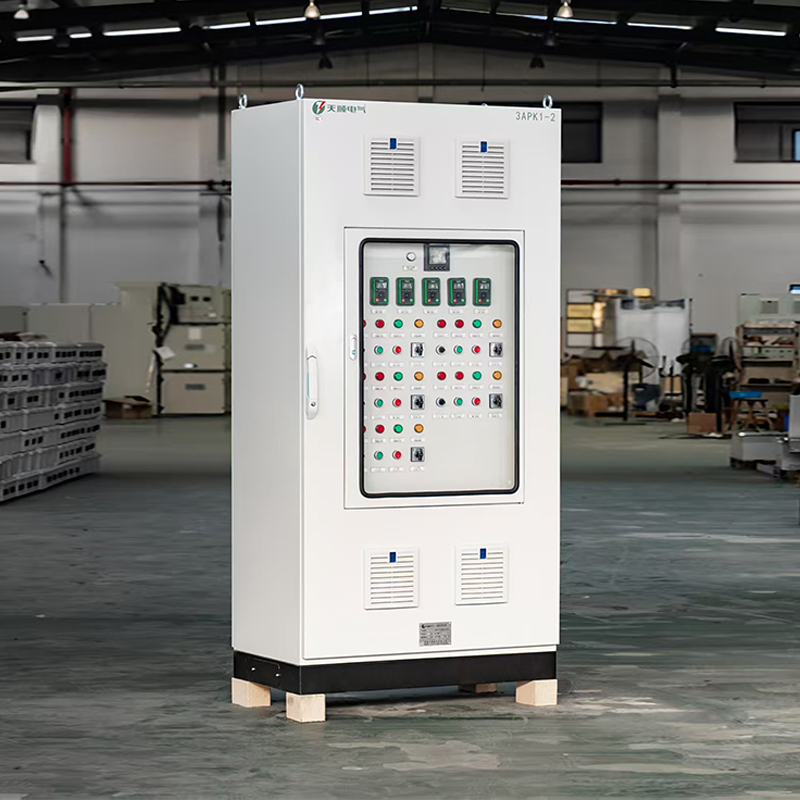
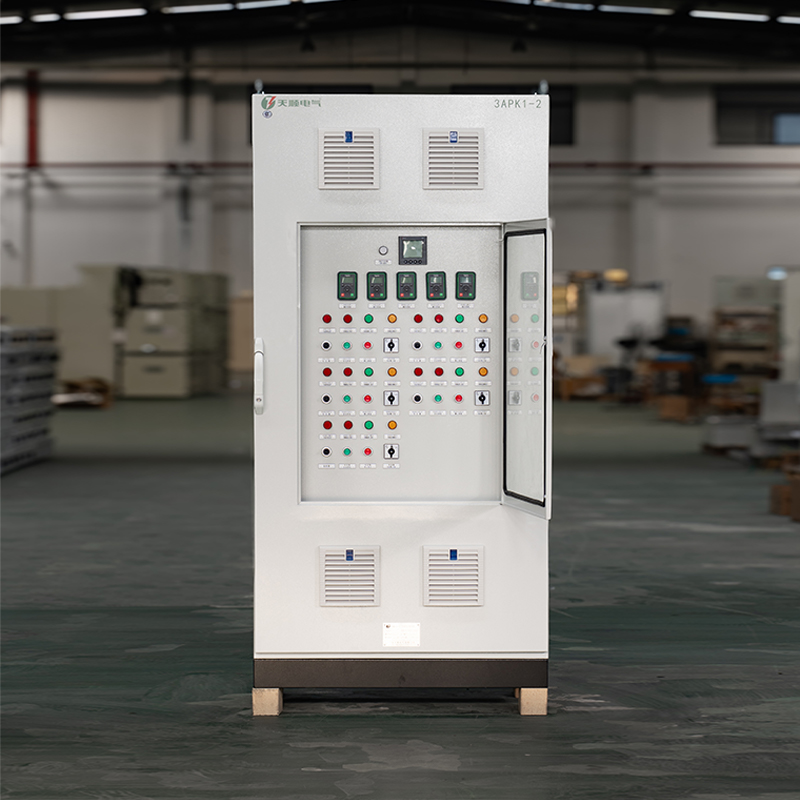
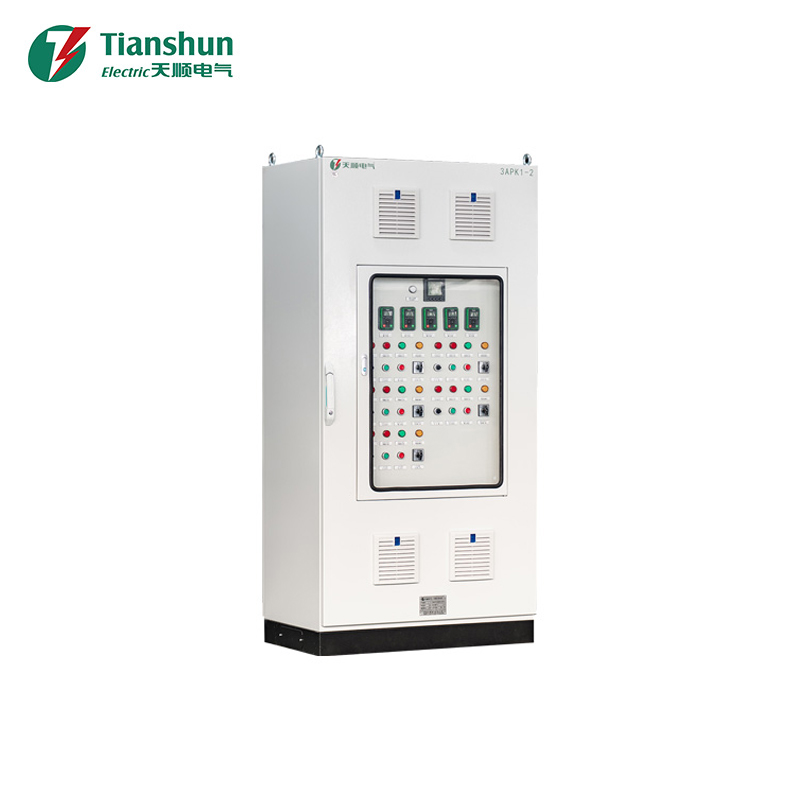
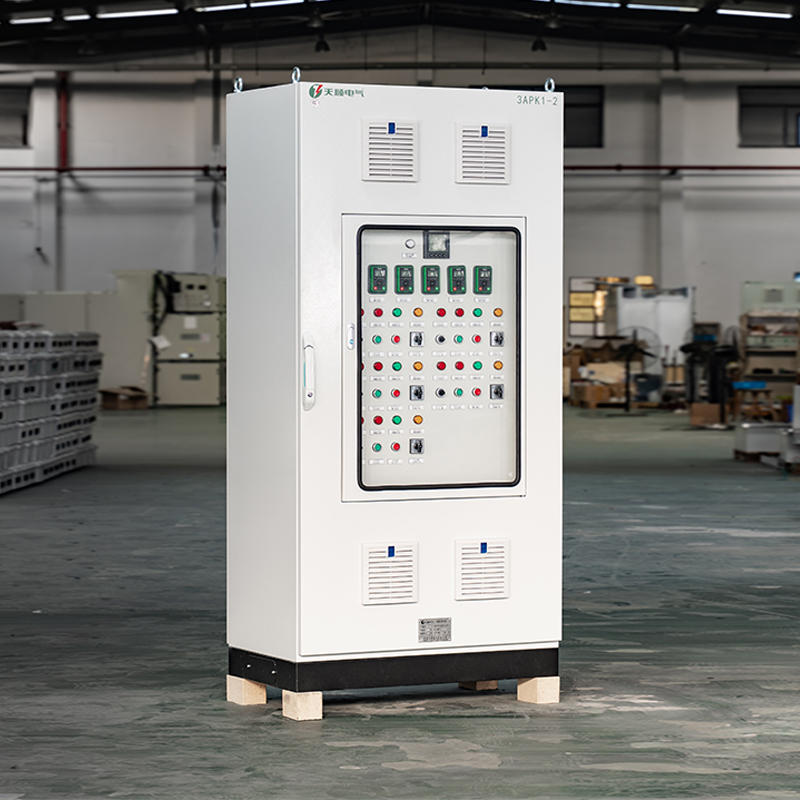
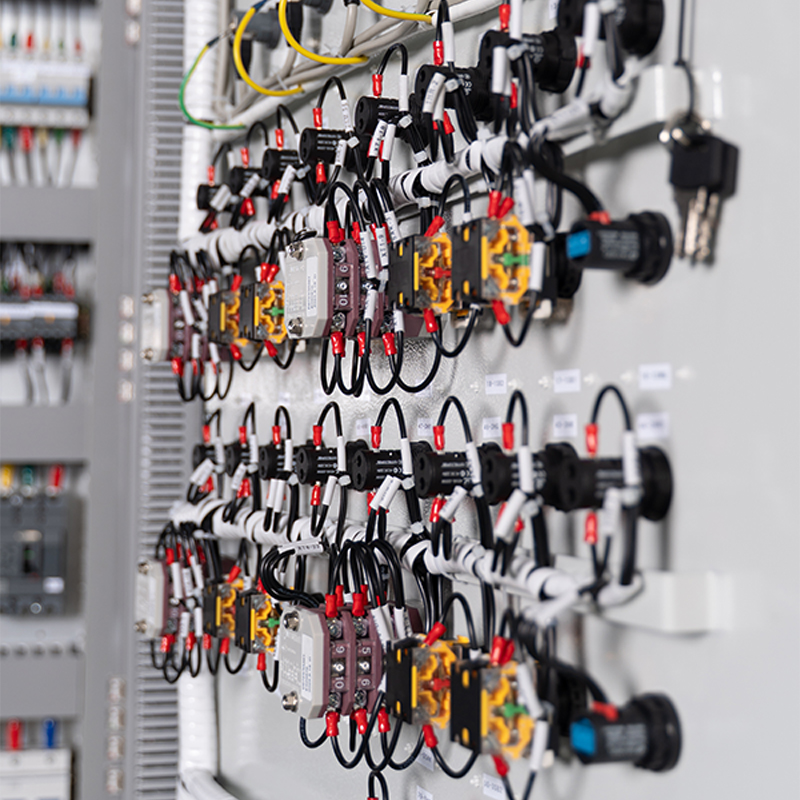
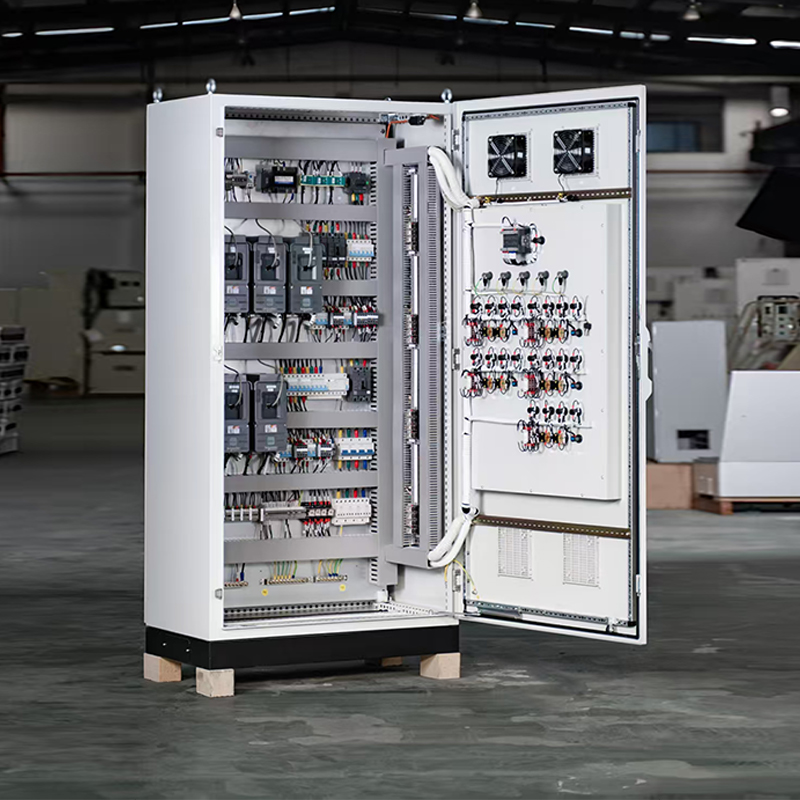
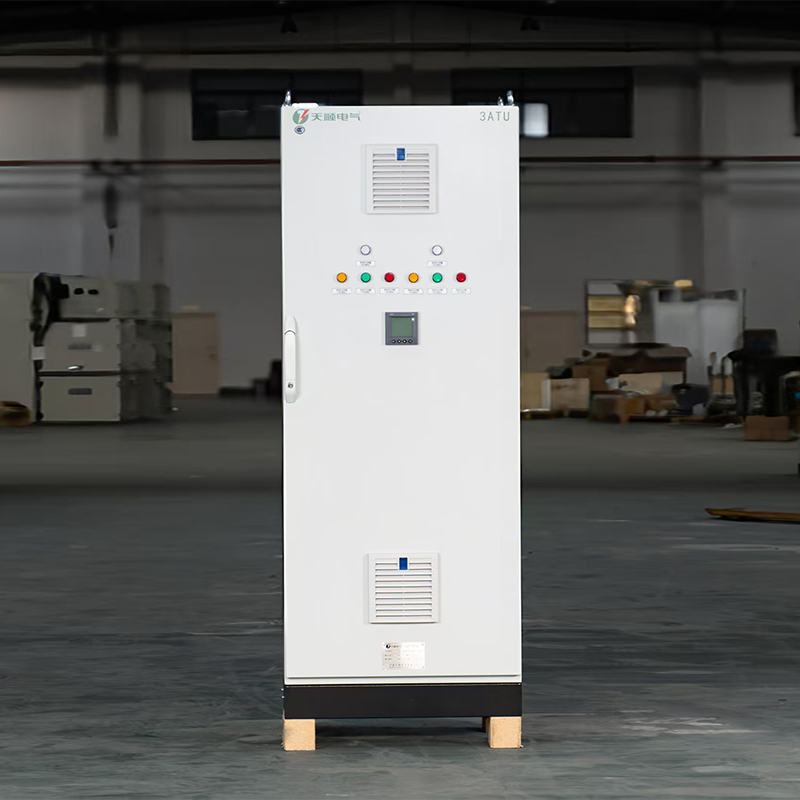
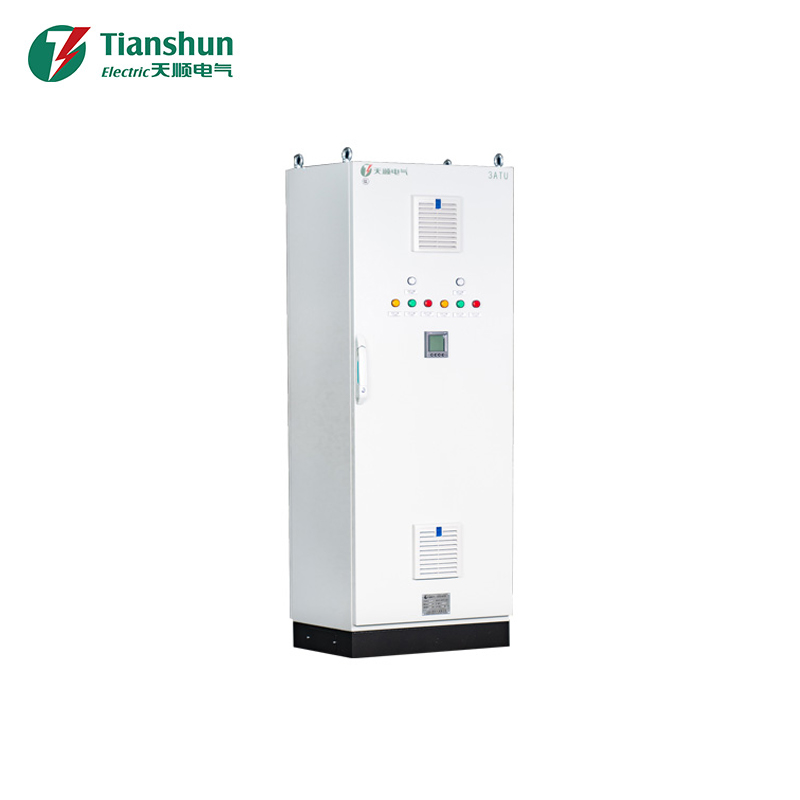
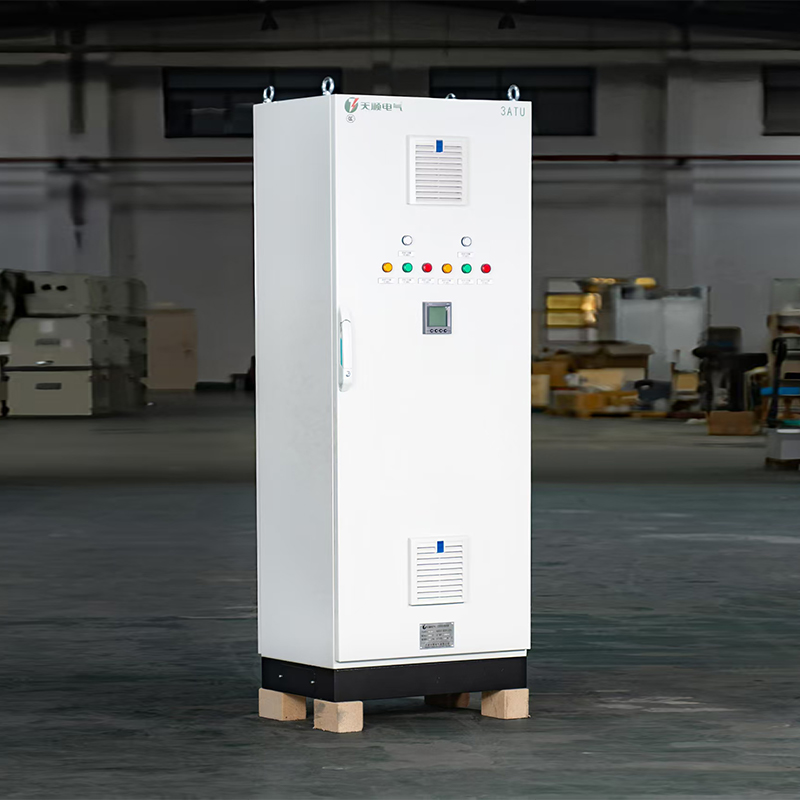
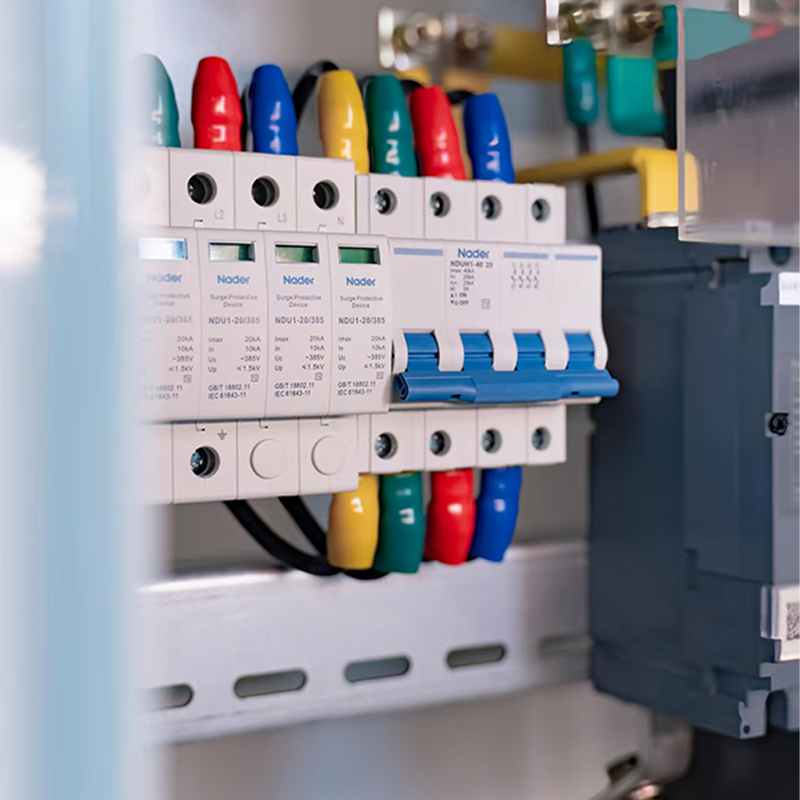
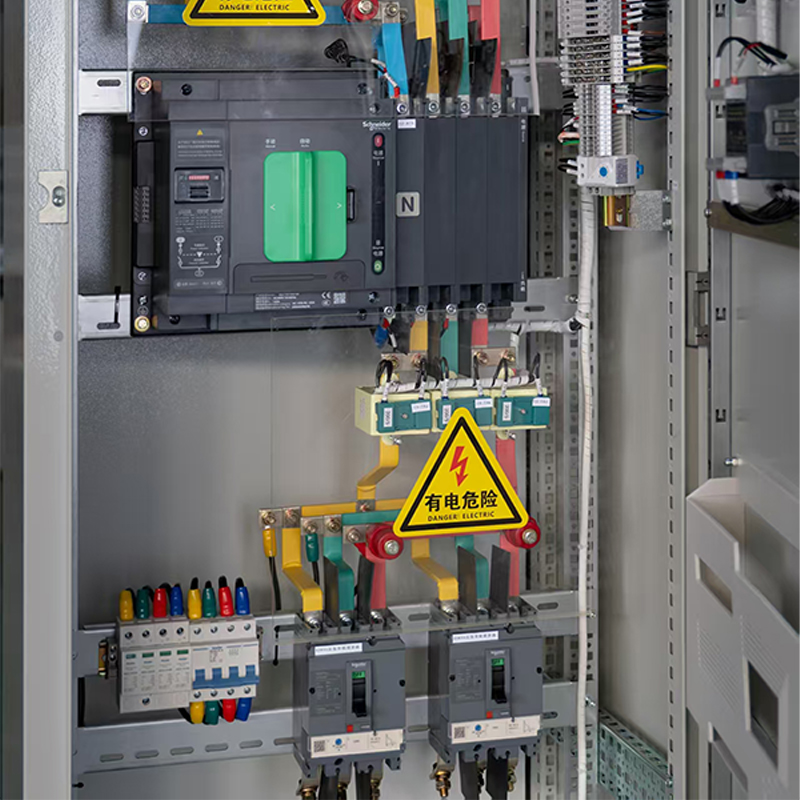
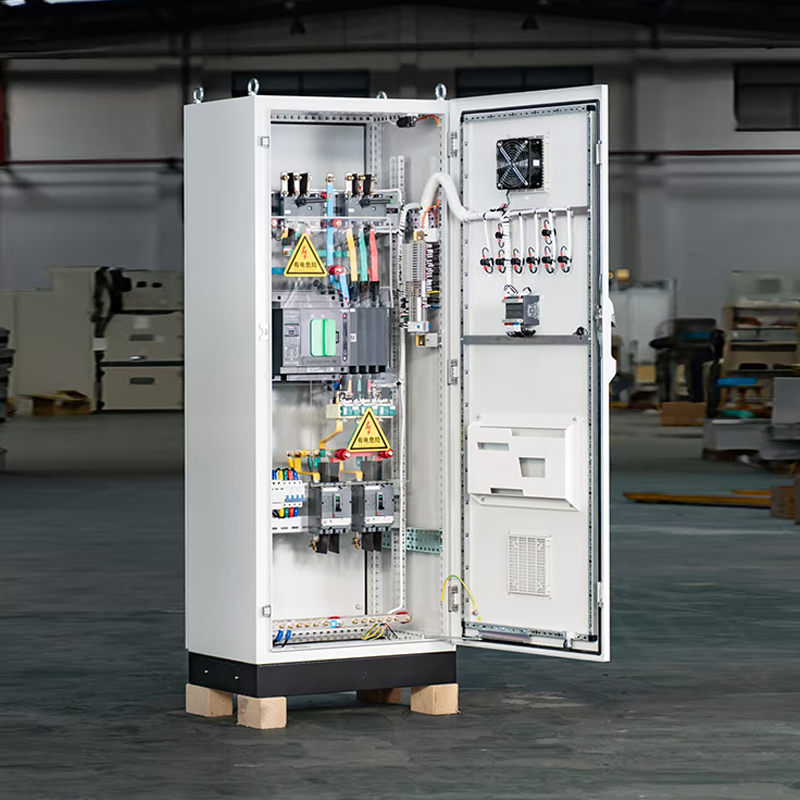
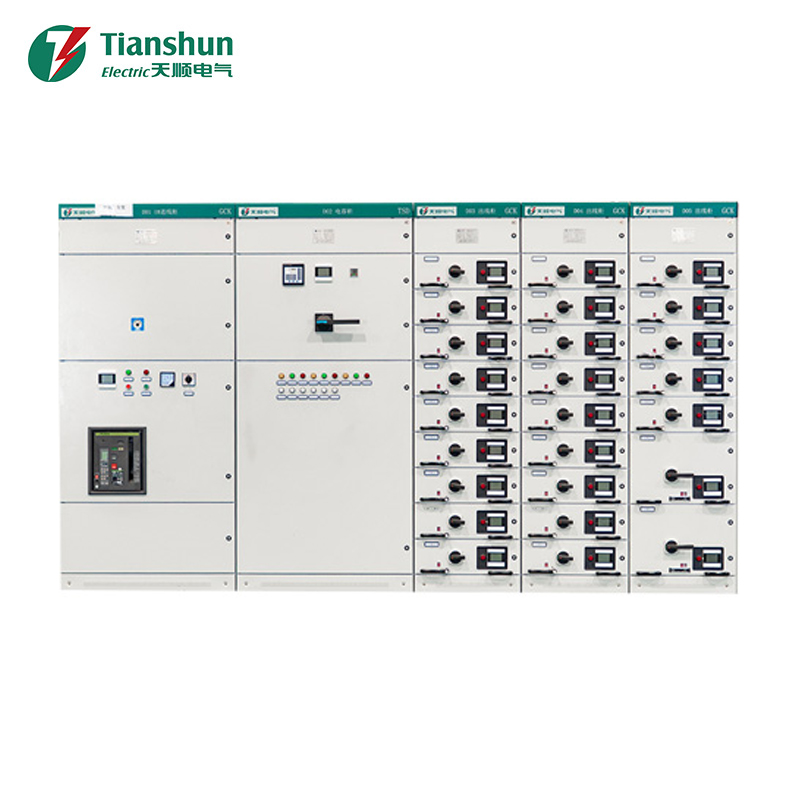
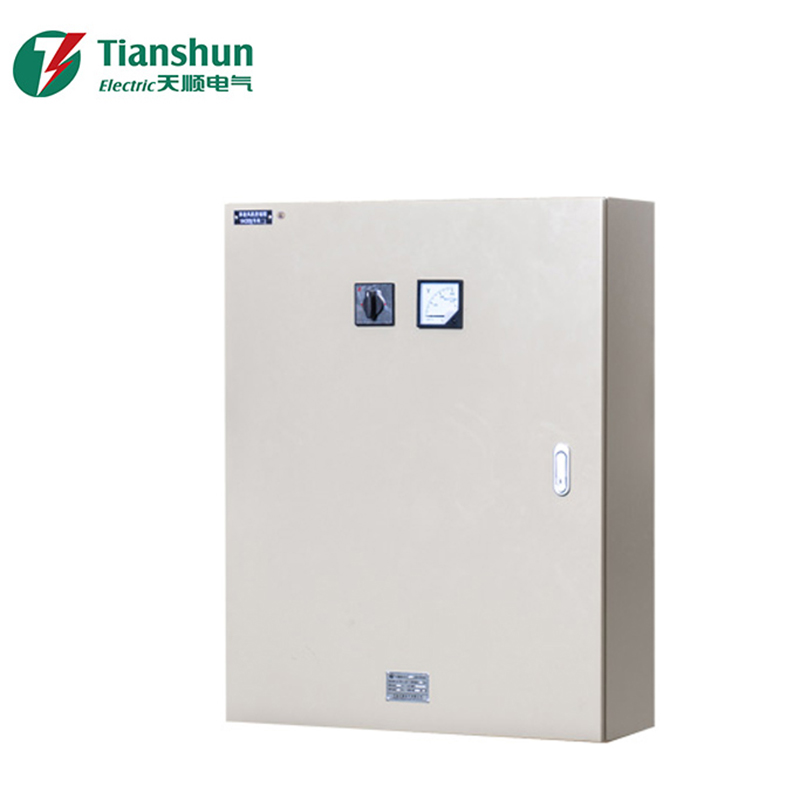
The XL-21 is the most widely used low-voltage fixed power distribution cabinet in China. It adopts a cold-rolled steel plate welding/assembly structure, single-sided front operation, wall mounting, and features high cost performance, flexible adaptability, and intuitive maintenance. It is suitable for conventional power and lighting distribution scenarios with rated current ≤630A.
 Application Scenarios
Production Features
Product Advantages
Application Scenarios
Production Features
Product Advantages
Industrial Enterprises:
Power distribution and motor control (MCC) in industries such as metallurgy, mining, petrochemical, textiles, and machinery manufacturing.
Infrastructure:
Power and lighting distribution in high-rise buildings, shopping malls, stations, ports, and hospitals.
Power Systems:
Low-voltage side of substations, distribution stations, reactive power compensation, and conventional distribution projects.
Special Scenarios:
Wall-mounted/embedded installations (for small loads) and floor-standing installations (for large loads), suitable for indoor dry environments.
Design and Standards
Conforms to national standards GB 7251.1 and IEC 60439-1, passing type testing for safety and reliability.
Designed for indoor wall-mounted installation with a front-opening door, focusing operations and maintenance at the front of the cabinet.
Cabinet Structure
Material: High-quality cold-rolled steel (frame may use C-type profiles), treated with pickling and phosphating, then electrostatically sprayed for corrosion resistance and durability.
Frame: Angle steel welded or C-type profiles assembled, providing a strong and high-strength structure.
Dimensions: Standard floor-mounted size (W × D × H): 600~1000mm × 400~600mm × 1600~2200mm; wall-mounted models are smaller (e.g., 500×300×800mm).
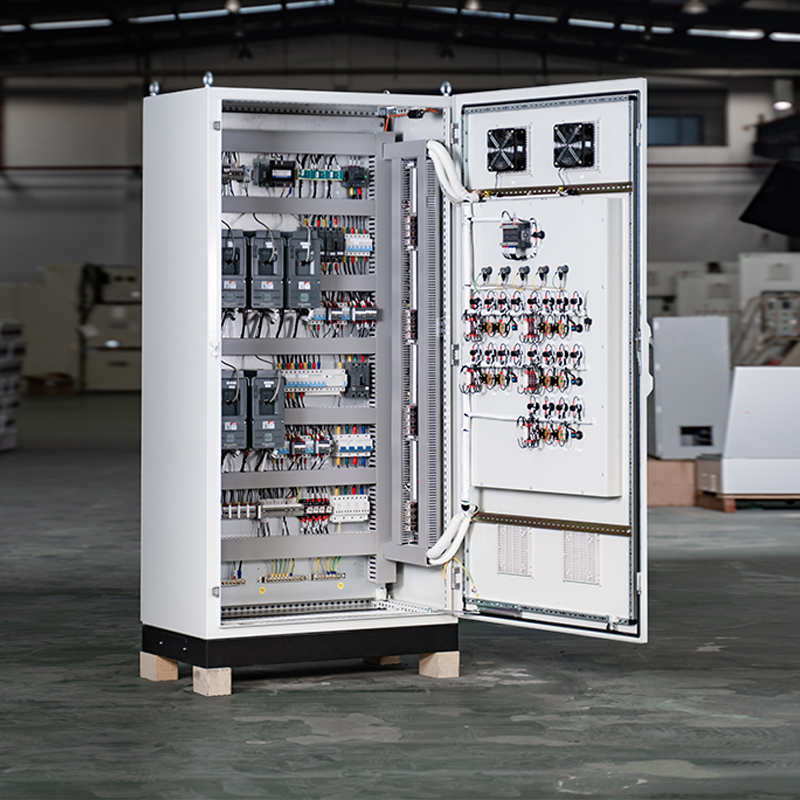
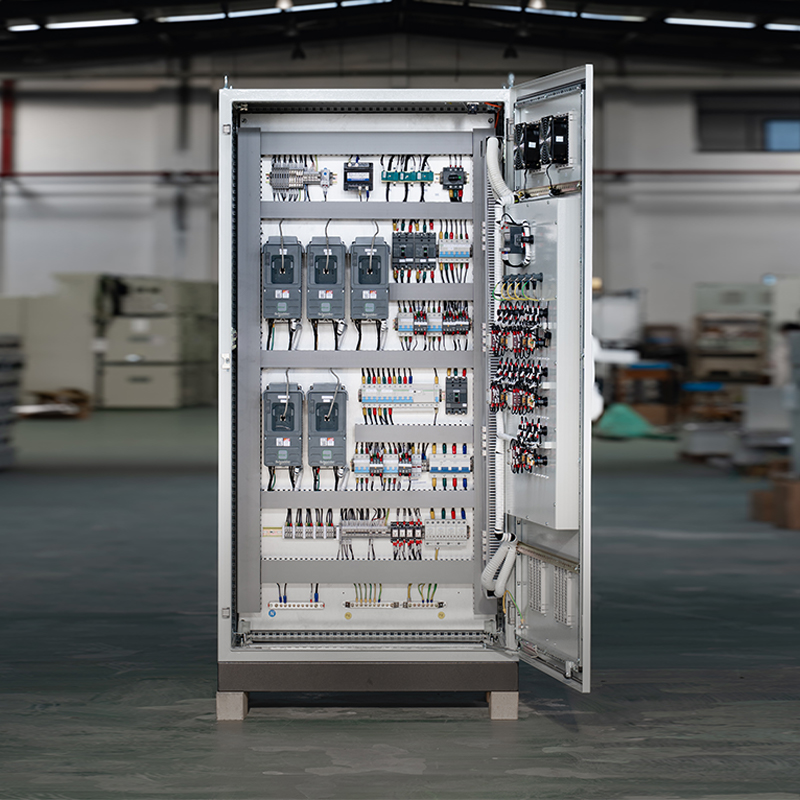
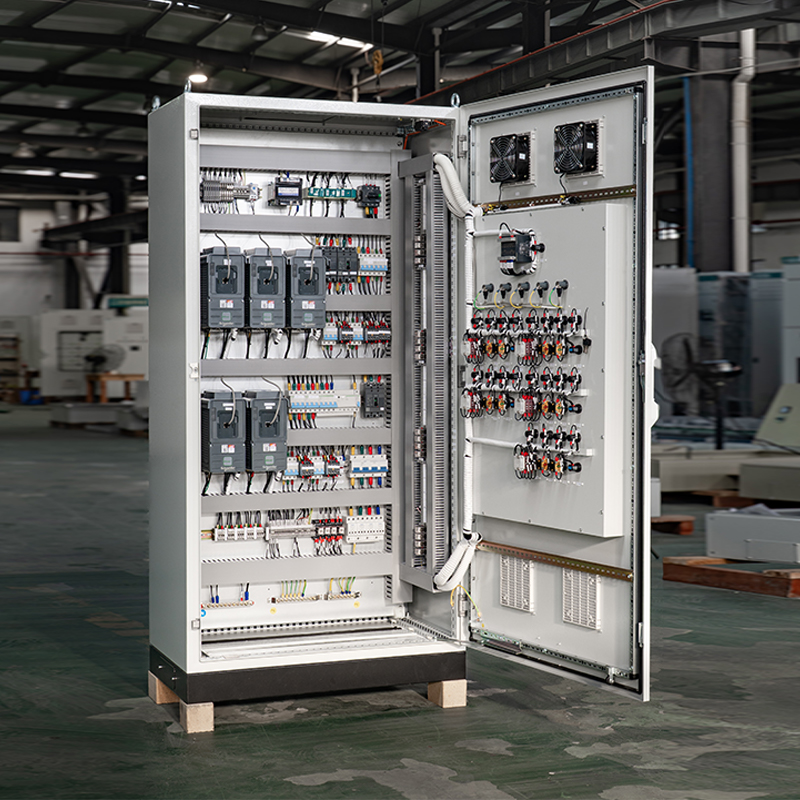
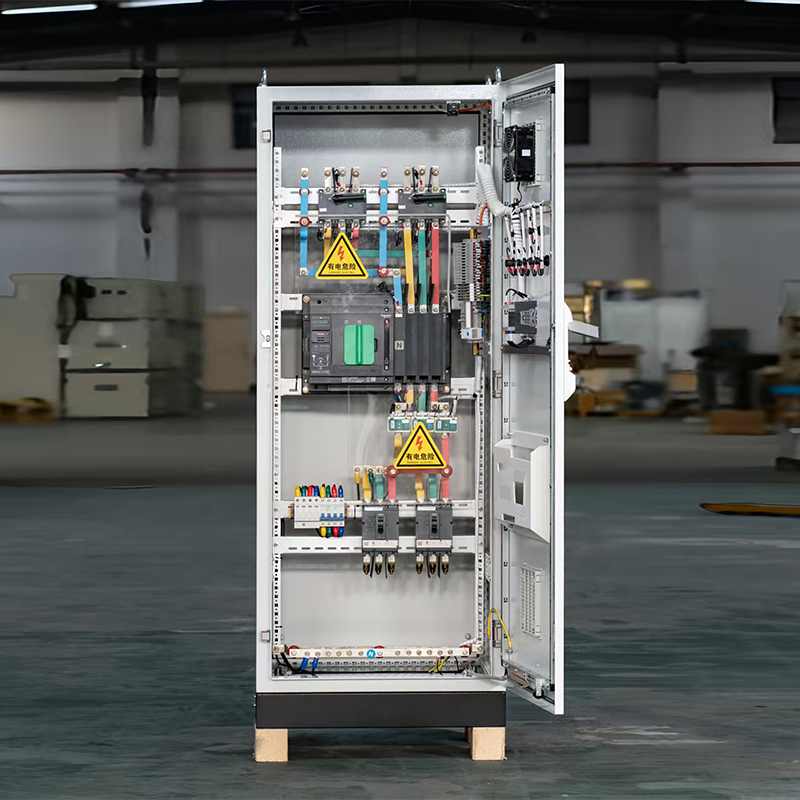
Compartment Design: Independent busbar room (top copper busbar), electrical room (layered component installation), and cable room (bottom entry), with a clear layout.
Electrical Configuration
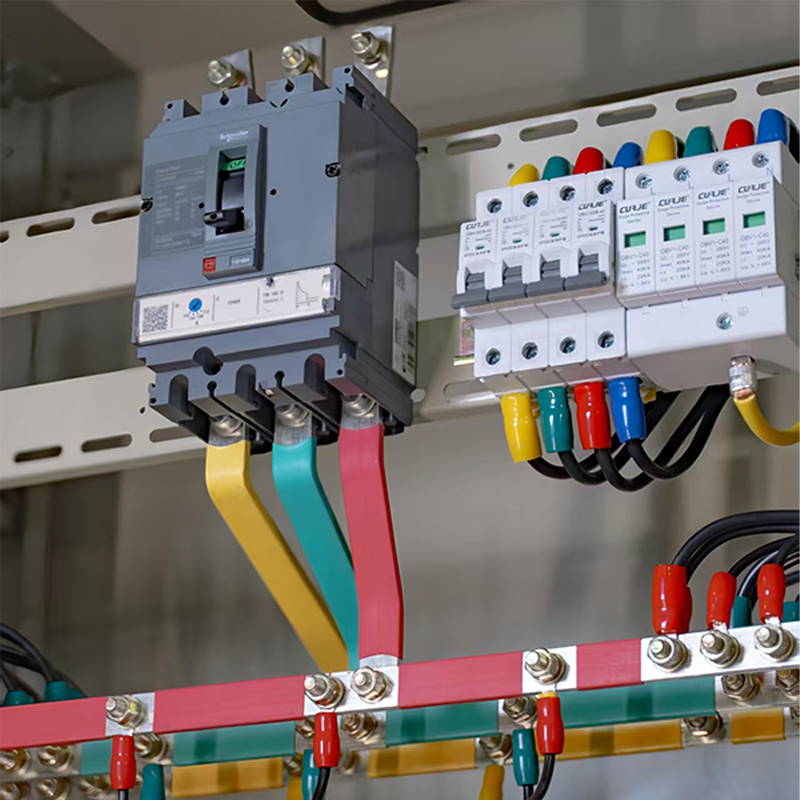
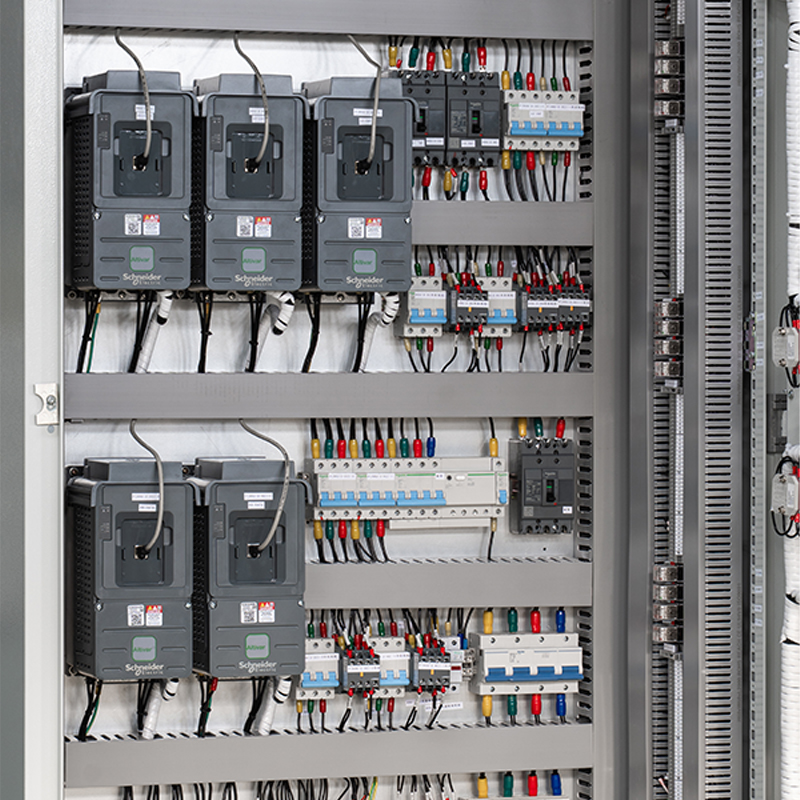
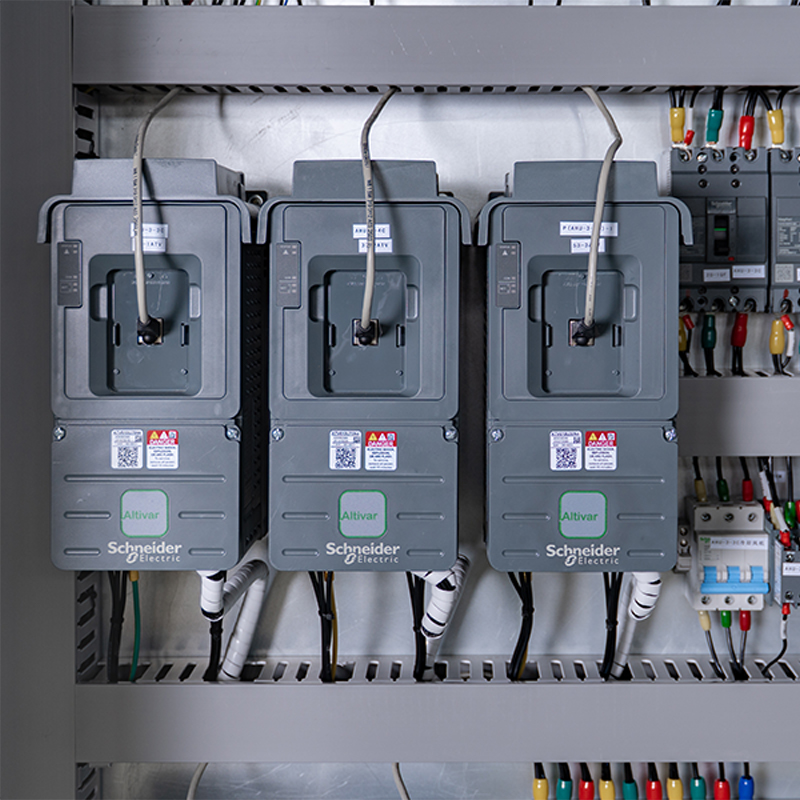
Main Circuit: Optional frame circuit breakers (e.g., DW15/DW45) or molded case circuit breakers, rated current ≤ 630A.
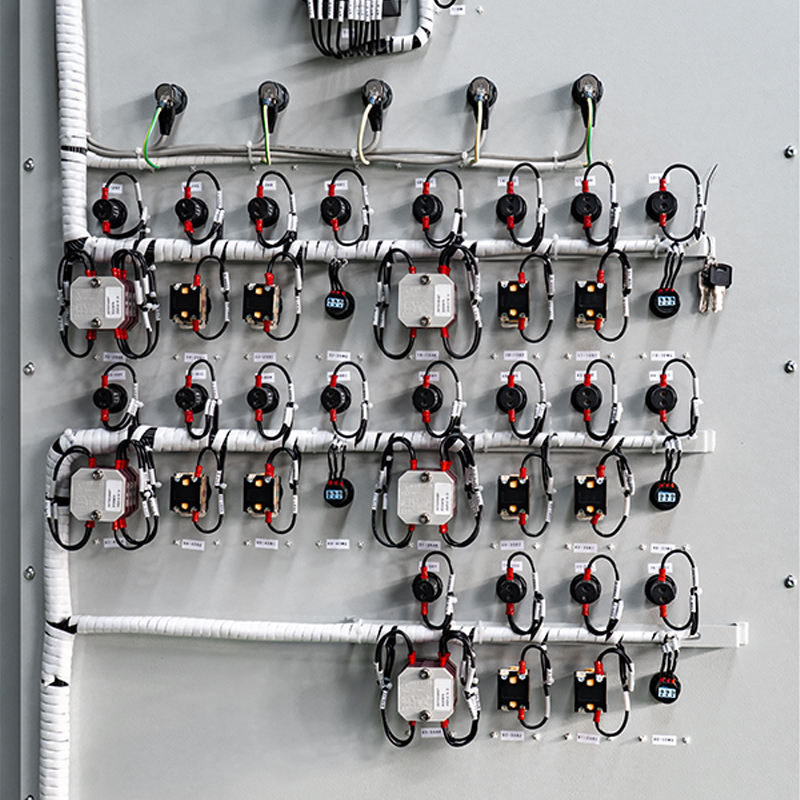
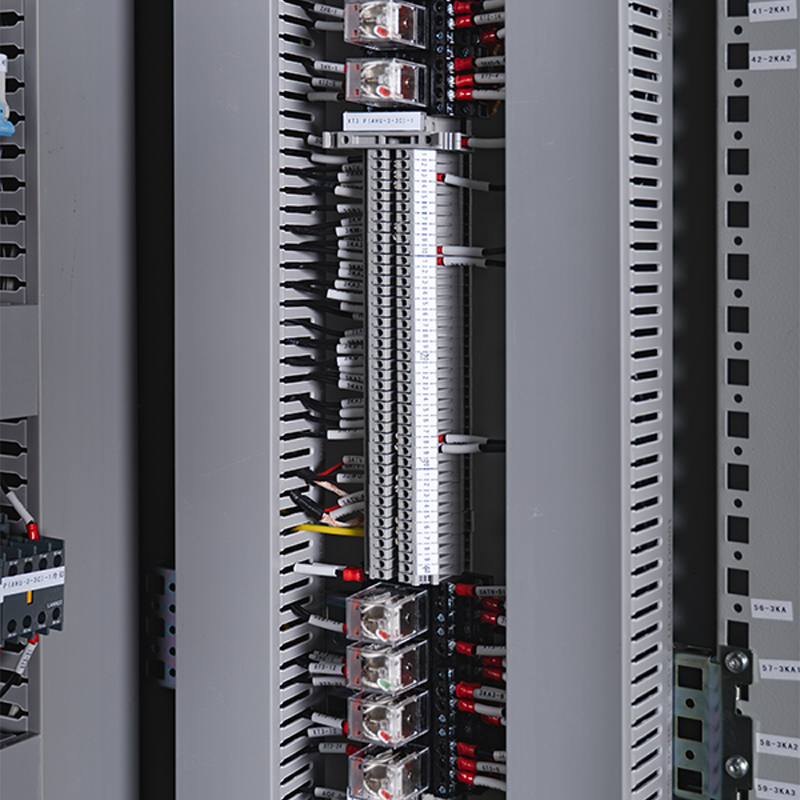
Control Circuit: Integrated contactors, thermal relays, and fuses, suitable for motor start/stop and protection.
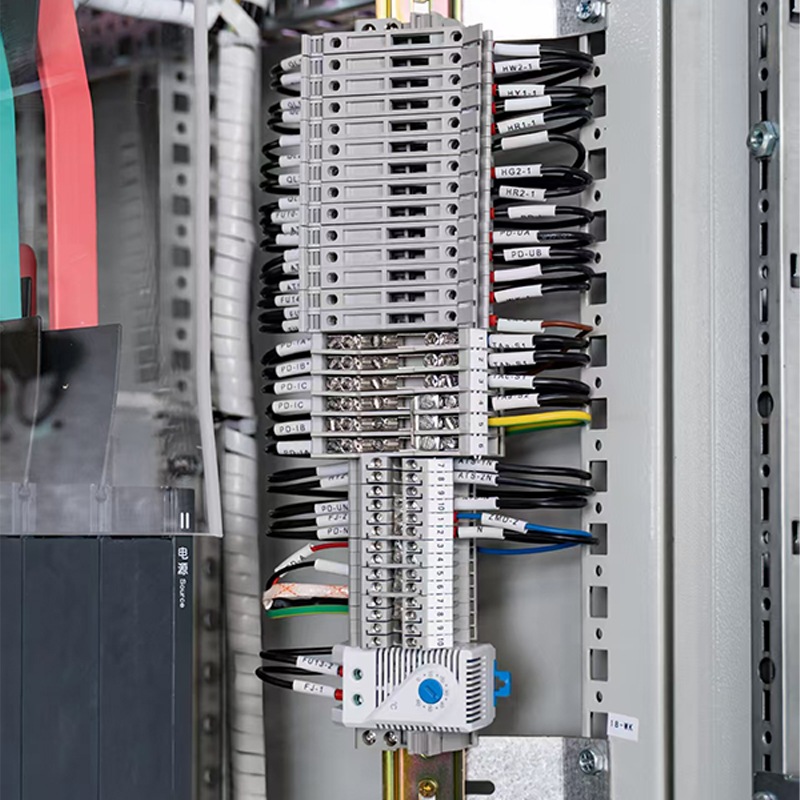
Wiring: Supports top/bottom entry wiring with ample internal space for large-section cables (≤240mm²).
Protection Rating: Standard IP30; some models can reach IP40; sealed models (IP54) can be customized for special environments.
Outstanding Cost-Effectiveness
Simple Structure: No drawer mechanism, low failure rate, and lowest cost, making it ideal for cost-sensitive projects.
Wide Adaptability: Flexible circuit configurations can be assembled into various cabinet types, such as incoming, feeder, motor control, and lighting.
Easy Installation: Wall-mounted design saves space, fast on-site wiring, and commissioning for quick operation.
Convenient Maintenance
Front-Maintenance Design: When the cabinet door is opened, all internal components are fully exposed, making fault diagnosis and replacement efficient and straightforward.
No Fragile Parts: Fixed structure without drawer units, avoiding mechanical failures and ensuring stable long-term operation.
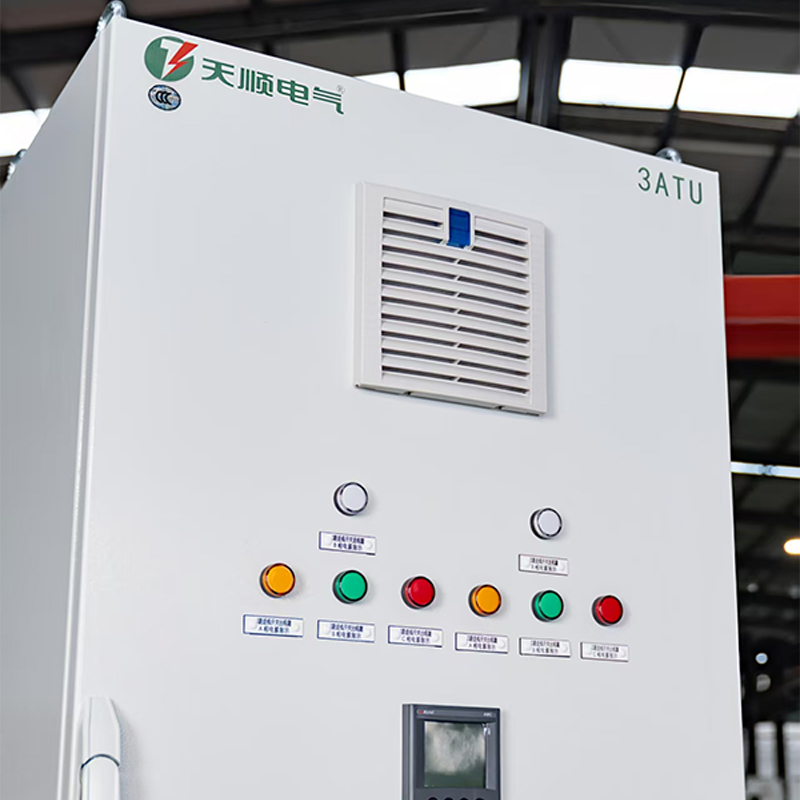
Integrated Control Panel: Includes instruments, buttons, and indicator lights, providing convenient local operation and monitoring.
Safety and Reliability
Separate Busbar and Cable Compartments: Excellent short-circuit fault isolation, enhancing system safety.
Grounding: A dedicated grounding bar for metal components ensures reliable grounding and perfect electric shock protection.
Mechanical Interlock: The circuit breaker is mechanically interlocked with the cabinet door, preventing the door from opening during closing, ensuring maintenance safety.
Contact us
If you need assistance, please enter your information below and we will contact you as soon as possible.
About Us
Ningbo Tianshun Electric Co., Ltd
Ningbo Tianshun Electric Co., Ltd. is a China LV Power Distribution Cabinet Manufacturer and OEM Low Voltage Distribution Cabinet Company, located in Xiangshan Coastal Industrial Park, boasting a superior geographical location and convenient transportation. As a company deeply rooted in the power transmission and distribution industry, we uphold the core values of "Integrity, Innovation, and Excellence." Our team consists of seasoned professionals with over 20 years of industry experience, providing one-stop services covering R&D, production, and after-sales support.
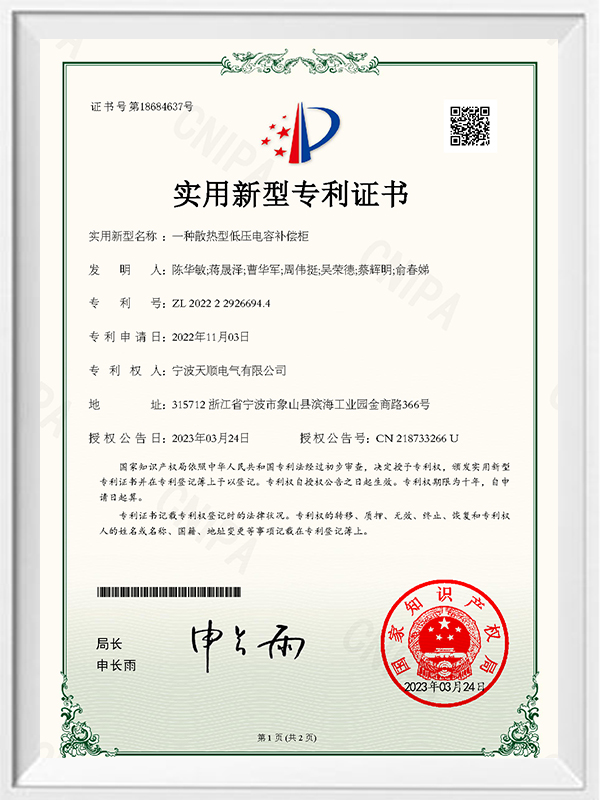
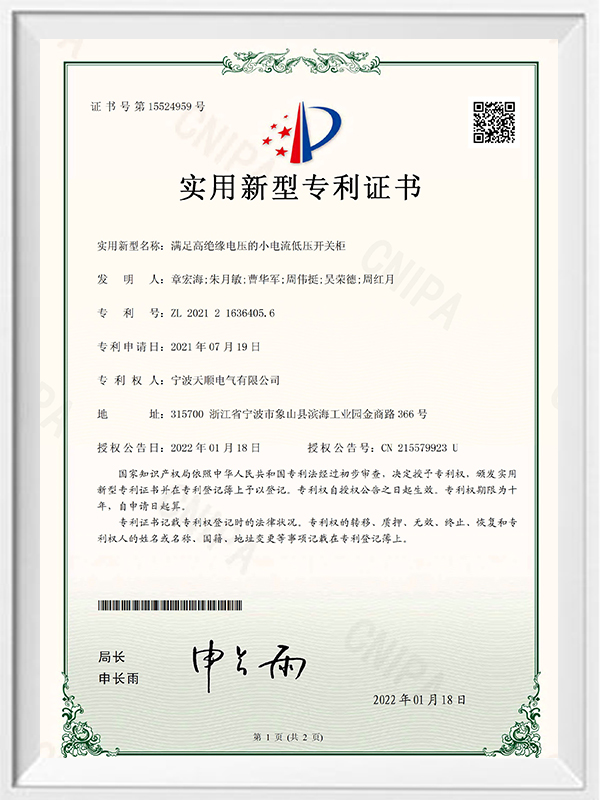
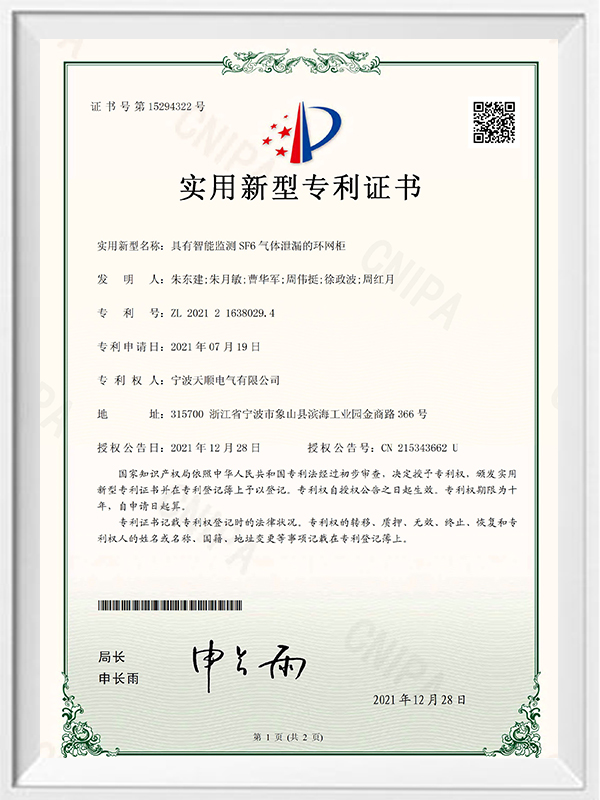
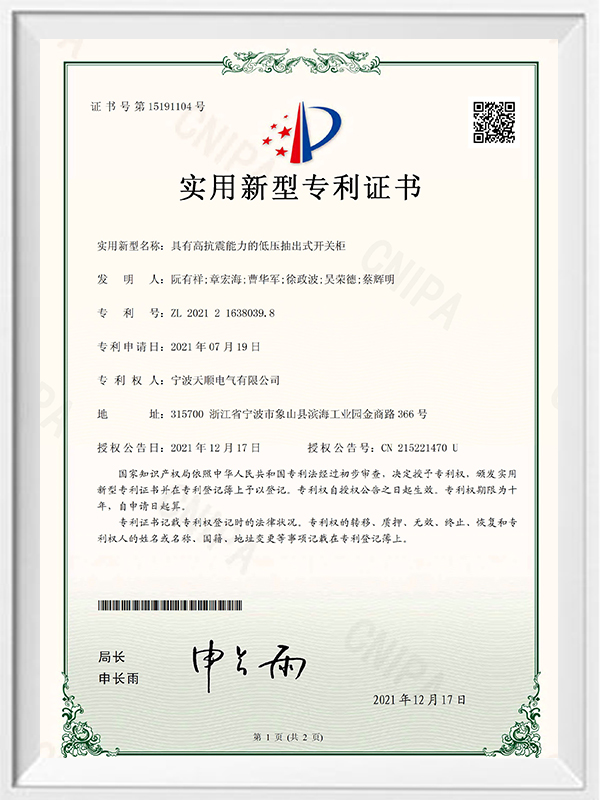
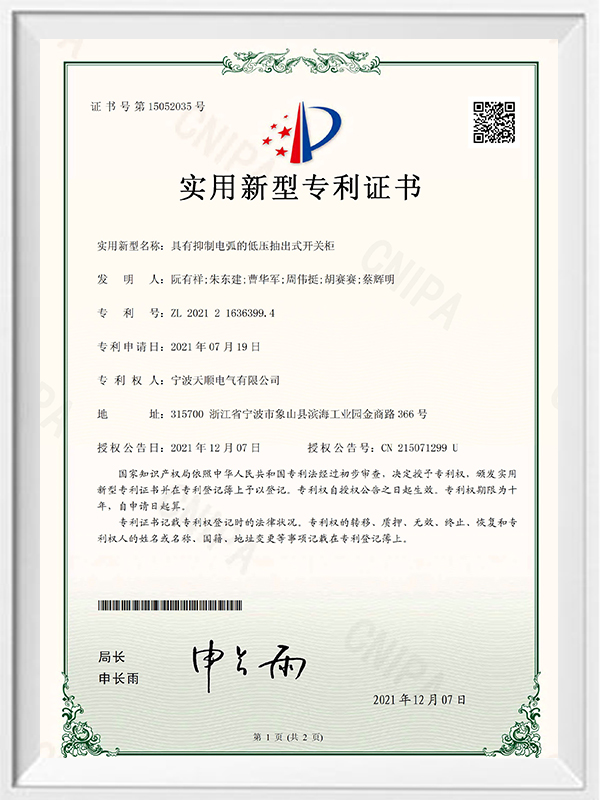
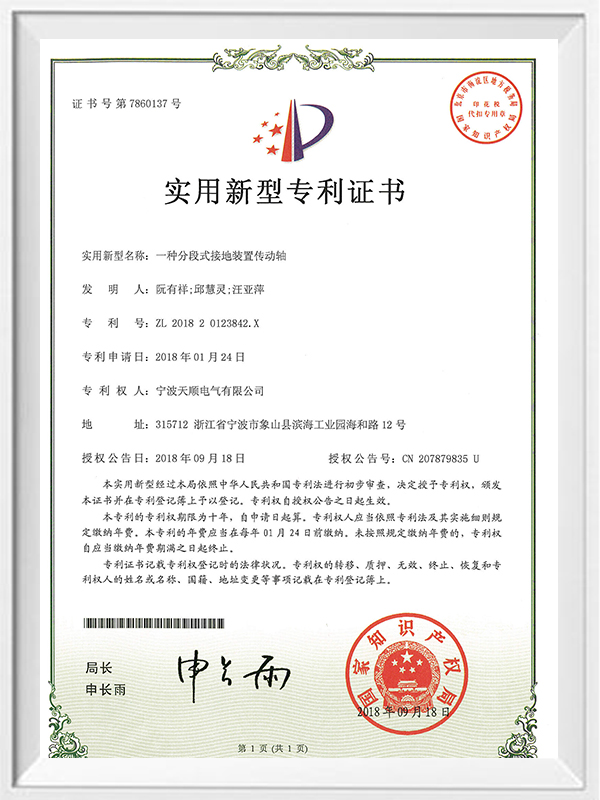
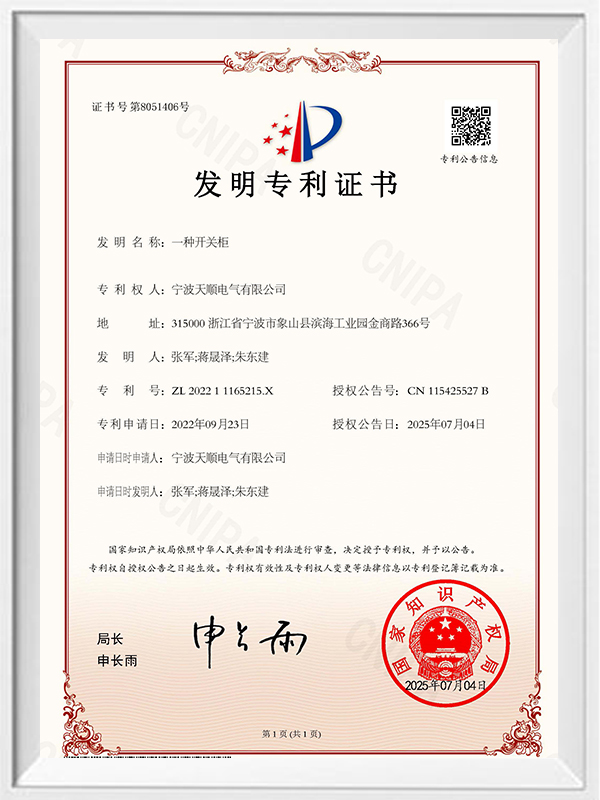
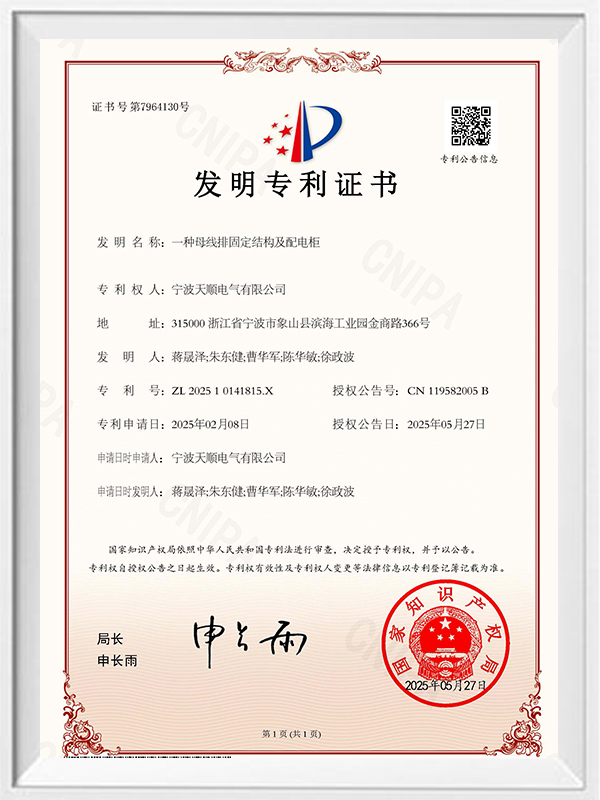
We specialize in a wide range of products, including high- and low-voltage switchgear assemblies and transformers, all of which have obtained multiple authoritative certifications such as CCC and ISO 9001. These products are widely applied across various fields and have earned high recognition from customers. Through technological innovation and standardized operations, we have been honored with numerous accolades, including the AAA-grade "Contract-abiding and Credit-worthy Enterprise" and "Zhejiang High-growth Technology-based SME." We remain committed to manufacturing high-quality, energy-efficient, and eco-friendly power transmission and distribution equipment.
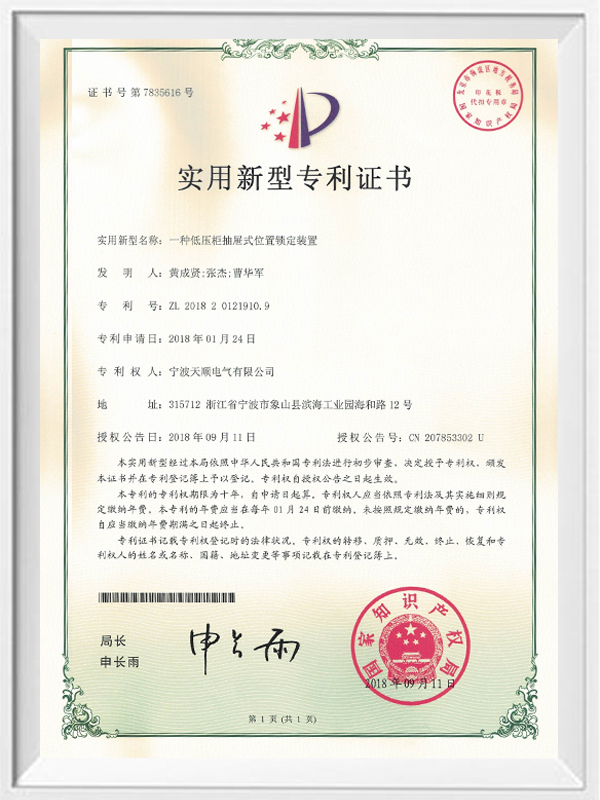
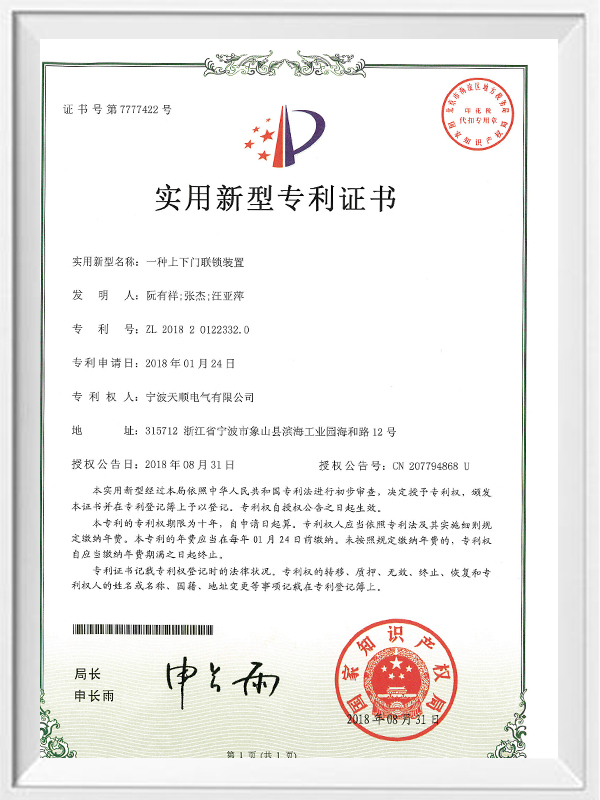
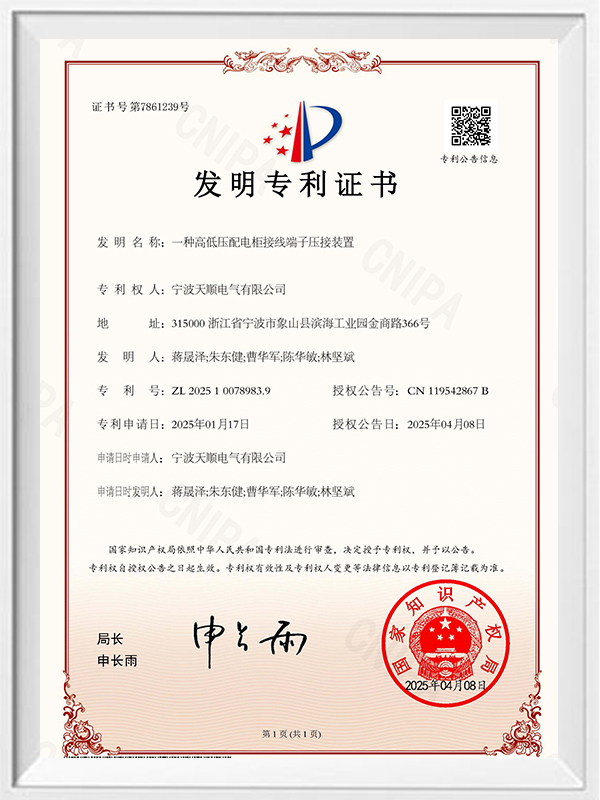
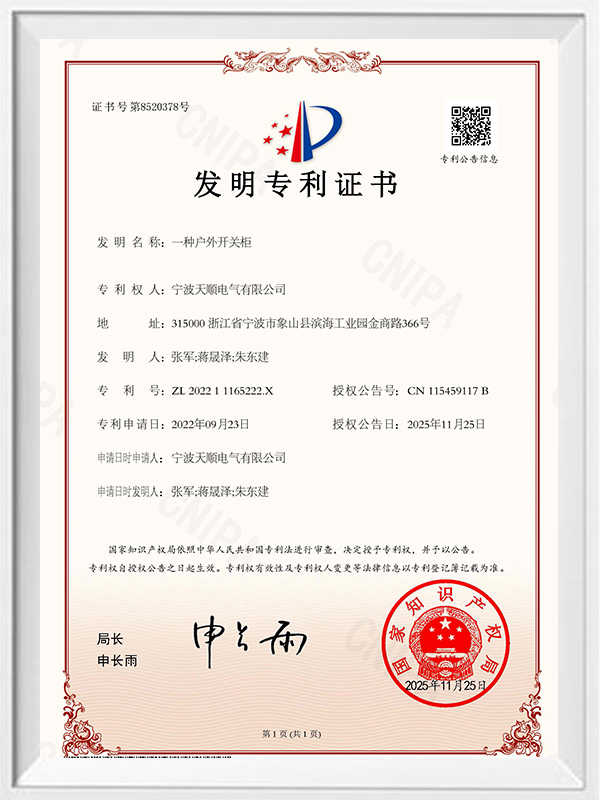
Certificate Of Honor
News
-
-
Electric Power Quality Problems Start Inside the Plant On a hot summer afternoon, an automation packaging line at a metal products plant kept tripping. The electrician confirmed that the incoming voltage dropped from 400V to 358V during the midday peak, lasting less than 100ms. ...
READ MORE -
A 400 kW compressor starts on the far side of the plant, the workshop lights dip for half a second, and three variable speed drives on the packaging line drop out together. Nothing is broken and no breaker has tripped on fault current, yet the line is down. That, in one sentence...
READ MORE
Message Feedback
LV Power Distribution Cabinet Industry knowledge
The Role of the LV Power Distribution Cabinet in Terminal Power Supply
An LV Power Distribution Cabinet sits at the terminal end of a power network, taking incoming low-voltage electricity and splitting it into multiple protected branch circuits that feed lighting, sockets, HVAC systems, and other end-use equipment. Unlike large switchgear assemblies at the substation level, this cabinet is usually installed close to the actual load — inside a building's electrical room, on a factory floor, or within a residential distribution point — making its layout, protection settings, and monitoring capability directly relevant to everyday operation and maintenance.
Ningbo Tianshun Electric Co., Ltd., with production facilities in Xiangshan Coastal Industrial Park and a team averaging over 20 years in the power transmission and distribution field, designs this type of terminal distribution equipment to match a wide range of building and industrial load profiles.
Key Advantages of a Well-Designed LV Power Distribution Cabinet
- Clear circuit segregation — separating lighting, socket, and equipment circuits into distinct breaker groups makes it easier to isolate a single fault without cutting power to the whole area.
- Space-efficient layout — compact busbar and breaker arrangement allows the cabinet to fit into limited electrical rooms or corridors without compromising access for maintenance.
- Standardized protection devices — miniature circuit breakers, residual current devices, and surge protectors can be combined within one enclosure to cover overload, earth-fault, and transient voltage risks.
- Straightforward troubleshooting — clear circuit labeling and a logical breaker layout shorten the time needed to locate a tripped circuit during a fault.
How a Smart Low Voltage Power Distribution Cabinet Extends These Benefits
A Smart Low Voltage Power Distribution Cabinet builds on the same physical structure as a conventional unit but adds metering, communication, and remote-control functions. Instead of relying solely on manual inspection, facility managers can monitor voltage, current, and energy consumption for each outgoing circuit in real time, and receive alerts when a parameter goes outside a normal range.
Core Working Principle
Inside a smart cabinet, current transformers and voltage sensors are fitted to each outgoing circuit, continuously sending measurement signals to a built-in intelligent meter or controller. This controller processes the data and transmits it — via RS-485, Ethernet, or wireless communication — to a monitoring platform, where operators can view load trends, detect abnormal spikes, and, in many designs, remotely open or close specific breakers without visiting the cabinet in person.
Data-Driven Maintenance
By recording historical load data, a smart cabinet helps identify circuits that are consistently overloaded or underused, giving facility teams a factual basis for rebalancing loads or planning capacity upgrades before a nuisance trip or overheating issue occurs.
Comparing Standard and Smart Distribution Cabinets
The table below outlines the general differences between a standard LV Power Distribution Cabinet and its smart counterpart, which can guide the decision on which configuration best fits a given project budget and management need.
| Feature | Standard Cabinet | Smart Cabinet |
|---|---|---|
| Load monitoring | Manual reading only | Real-time remote monitoring |
| Fault alert | On-site discovery | Automatic alarm notification |
| Remote breaker control | Not available | Available on supported circuits |
| Initial cost | Lower | Higher |
Practical Steps for Selecting and Installing the Right Cabinet
- Calculate the total connected load and expected diversity factor to determine the required rated current of the main incoming breaker.
- Group outgoing circuits by function — lighting, sockets, air conditioning, and critical equipment — to simplify future troubleshooting.
- Decide whether remote monitoring is needed for the facility; if energy management or unattended operation is a priority, a Smart Low Voltage Power Distribution Cabinet is usually the more practical long-term choice.
- Confirm that the enclosure protection rating matches the installation environment, especially in damp or dusty locations.
Working with a supplier that offers installation guidance, commissioning, and after-sales fault handling can further reduce the risk of configuration errors during the early stage of operation.
Frequently Asked Questions
Q1: Where is an LV Power Distribution Cabinet typically installed?
It is usually installed close to the load it serves, such as in a building's electrical room, on a production floor, or at a residential distribution point, so that branch circuits can reach nearby equipment with minimal cable length.
Q2: Can an existing standard cabinet be upgraded to a smart version?
In many cases, yes — adding current transformers, an intelligent meter, and a communication module to an existing enclosure can provide basic monitoring functions, though a full upgrade to remote breaker control may require replacing certain circuit breakers with motorized or communication-capable models.
Q3: Does a Smart Low Voltage Power Distribution Cabinet require a stable network connection?
A reliable communication link, whether wired or wireless, is needed for continuous remote monitoring and control. If the connection drops, the cabinet's local protection devices — such as breakers and residual current devices — still function independently to protect the circuits.
Q4: What certifications indicate a reliable distribution cabinet manufacturer?
Buyers can look for certifications such as CCC and ISO 9001, which confirm that the manufacturer's products meet national electrical safety requirements and are produced under a consistent quality management system.

-
Please feel free to contact us if needed!
Contact Us -
Quick Links
Home About Us Products Applications News Contact -
Contact Us
nbtsdq@163.com +86-15757467313 +86-574-65800646 No. 1, Jiuzhou Road, Xiangshan County, Ningbo City, Zhejiang Province, China -
Get Touch
Copyright © 2026 by Ningbo Tianshun Electric Co., Ltd All Rights Reserved.
LV Power Distribution Cabinet Manufacturer
OEM Low Voltage Distribution Cabinet Company
