

 English
 中文简体
中文简体 Español
 عربى
عربى
What is the difference between HV and MV switchgear?
Admin 2026-07-31Content
- 1 HV and MV Switchgear Differ Mainly in Voltage Class, Insulation Method, and Physical Scale
- 2 Voltage Classification: Where HV Starts and MV Ends
- 3 Side-by-Side Comparison of Key Technical Parameters
- 4 Why Insulation and Arc-Quenching Technology Differ So Much
- 5 Where Each Switchgear Class Is Actually Used
- 6 Installation, Space, and Maintenance Considerations
- 7 A Practical Checklist for Choosing Between HV and MV Switchgear
- 8 Common Misconceptions Worth Clearing Up
- 9 Summary: Voltage Class Decides Everything Else
HV and MV Switchgear Differ Mainly in Voltage Class, Insulation Method, and Physical Scale
The core difference between HV and MV switchgear is the voltage range each is built to handle: high-voltage switchgear is engineered for systems rated above 72.5 kV, sometimes reaching hundreds of kilovolts at transmission substations, while medium-voltage switchgear typically covers the 1 kV to 72.5 kV range used in distribution networks and industrial power systems. This voltage gap drives nearly every other design difference: insulation clearances, arc-quenching technology, cabinet size, current-carrying capacity, and even how the equipment is transported and installed. The sections below break down these distinctions point by point, cover typical construction details, and explain how to match the correct switchgear class to your project's actual voltage and fault current requirements.
Voltage Classification: Where HV Starts and MV Ends
Voltage class is the defining boundary between these two switchgear categories, and it is set by widely referenced international standards rather than by manufacturer preference. Understanding this boundary matters because it determines which safety codes, testing protocols, and physical clearance requirements apply to a given installation.
1Medium-voltage switchgear generally spans 1 kV to 72.5 kV, commonly seen at 11 kV, 24 kV, and 36 kV in distribution substations, industrial plants, and commercial buildings with heavy electrical loads.
2High-voltage switchgear begins above 72.5 kV and extends through common transmission levels such as 110 kV, 220 kV, and beyond, depending on the grid it serves and the transformer capacity it protects.
3Some equipment in the 66 kV to 72.5 kV band is referred to differently depending on regional grid classification standards, so always confirm the rated voltage against the specific system, not just the switchgear label printed on a datasheet.
Side-by-Side Comparison of Key Technical Parameters
Beyond the voltage threshold itself, HV and MV switchgear diverge in insulation clearance, arc energy, and physical footprint. The table below summarizes the parameters most relevant to specification and procurement decisions when comparing high-voltage switchgear against its medium-voltage counterpart.
Why Insulation and Arc-Quenching Technology Differ So Much
The physics of interrupting current at higher voltage is what forces high-voltage switchgear into a fundamentally different construction than its medium-voltage counterpart. As voltage climbs, the energy released during arc formation at the moment of switching grows substantially, and the equipment must be built to contain and extinguish that arc safely within milliseconds.
Gas-Insulated Switchgear (GIS) at High Voltage
Most high-voltage switchgear above 72.5 kV relies on sulfur hexafluoride (SF6) gas insulation sealed within metal enclosures. SF6 has excellent dielectric strength and arc-quenching properties, which allows the equipment to interrupt large fault currents in a much smaller physical envelope than air-insulated alternatives would require at the same voltage. This is why compact GIS bays have largely replaced older open-air high-voltage yards in space-constrained substations.
Vacuum and Air Insulation at Medium Voltage
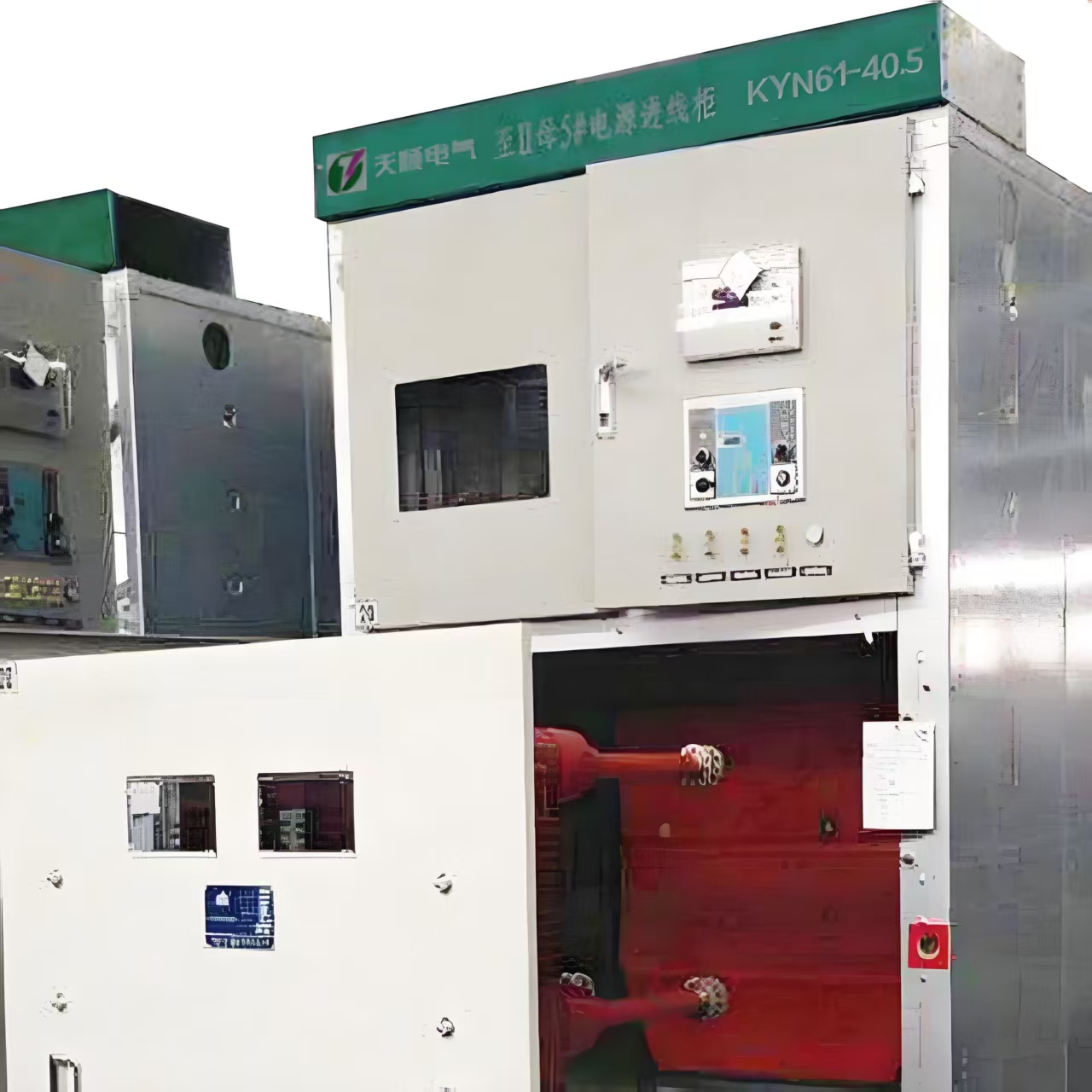
Medium-voltage switchgear more commonly uses vacuum interrupters or air-insulated designs, since the lower voltage and current levels do not require SF6's extreme dielectric performance, allowing for simpler maintenance and lower long-term gas handling costs. Vacuum circuit breakers in particular have become the dominant technology at MV level due to their long mechanical life and minimal need for routine servicing.
Insulation Clearance and Creepage Distance
Air clearance and creepage distance requirements scale directly with rated voltage. A high-voltage switchgear bay rated at 220 kV typically requires several times the phase-to-ground clearance of an 11 kV medium-voltage panel, which is one of the main reasons HV installations occupy so much more physical space even before accounting for the switchgear housing itself.
Where Each Switchgear Class Is Actually Used
Matching switchgear class to the correct point in the power network avoids both overspending on unnecessary capability and underspecifying equipment that cannot handle the actual fault current present.
- Transmission substations rely almost exclusively on high-voltage switchgear to connect long-distance power lines and step-down transformers to the grid at points where fault currents can reach tens of thousands of amperes.
- Utility distribution networks use medium-voltage switchgear to route power from substations to local feeders serving neighborhoods and commercial zones, typically operating at 11 kV to 35 kV.
- Heavy industrial plants such as steel mills, chemical facilities, and data centers typically use MV switchgear internally, stepped down from an HV grid connection point at the plant boundary.
- Renewable energy interconnection points, including wind and solar farms, frequently require high-voltage switchgear at the grid tie-in, with MV switchgear used further downstream at the collection level between turbines or panel arrays.
- Rail and metro traction power systems often combine both classes, using HV switchgear at the bulk supply point and MV switchgear to feed traction substations along the line.
Installation, Space, and Maintenance Considerations
Beyond raw electrical performance, HV and MV switchgear present very different practical demands during installation and over their service life, and these differences often influence project cost and schedule as much as the equipment price itself.
- High-voltage switchgear bays often require dedicated outdoor yards or large indoor halls due to insulation clearance requirements and equipment size, along with foundation work rated for significant equipment weight.
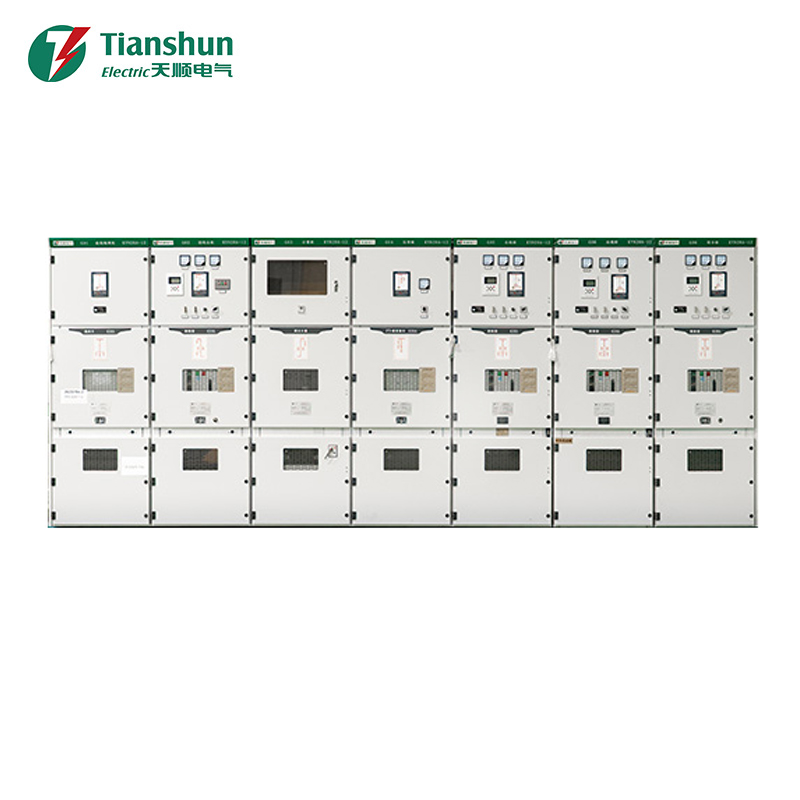
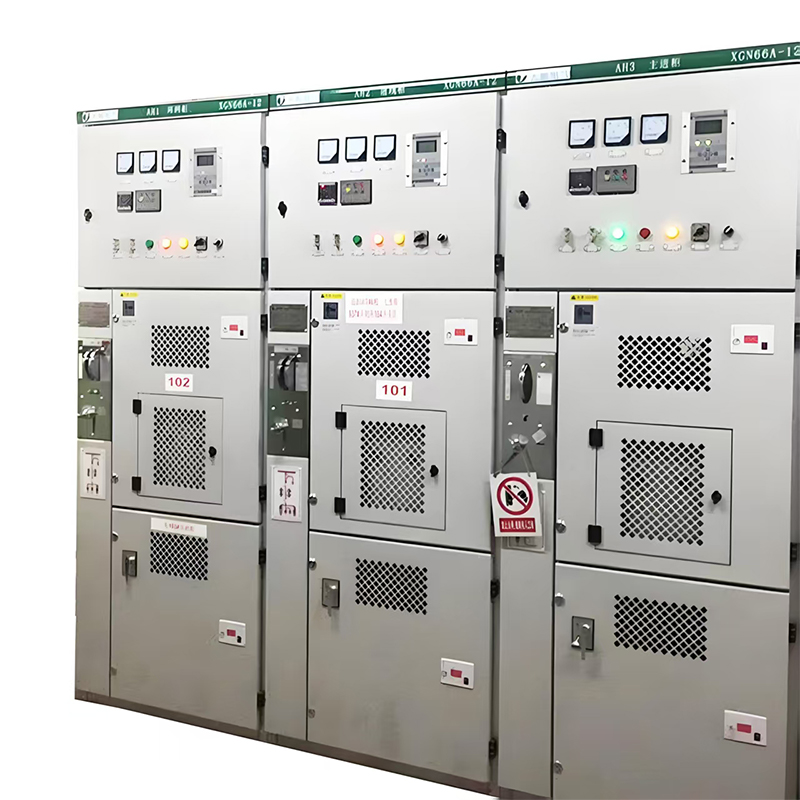
- Medium-voltage switchgear panels are commonly installed indoors in compact substation rooms, sometimes stacked in a lineup within a fraction of the space HV equipment would need for the same number of feeder circuits.
- Routine maintenance on GIS-based high-voltage switchgear focuses heavily on gas pressure monitoring and leak detection, while MV switchgear maintenance more often centers on contact wear, mechanism lubrication, and periodic insulation resistance testing.
- Commissioning timelines for high-voltage switchgear are typically longer, since on-site assembly, gas filling, and high-voltage testing require specialized crews and equipment not needed for factory-assembled MV panels.
Transport logistics also differ meaningfully: large HV switchgear bays are frequently shipped in sections and assembled on site, whereas MV switchgear panels are more commonly delivered as factory-assembled, type-tested units ready for direct installation with minimal on-site work beyond cable termination.
A Practical Checklist for Choosing Between HV and MV Switchgear
Before finalizing a switchgear specification, running through the following checklist helps confirm the correct voltage class and configuration for the project.
CheckConfirm the actual system operating voltage and available fault current at the connection point, not just the nominal grid voltage listed in planning documents.
CheckEvaluate available installation space, since high-voltage switchgear generally demands significantly more clearance than medium-voltage panels, especially for air-insulated designs.
CheckReview long-term maintenance capacity, particularly for SF6 gas handling if selecting GIS-type high-voltage switchgear, since gas monitoring requires trained personnel.
CheckVerify that the selected switchgear carries type-test certification matching the relevant international insulation and short-circuit standards for its voltage class.
CheckAssess future load growth expectations, since undersized MV switchgear at a site with planned expansion may require costly early replacement.
Common Misconceptions Worth Clearing Up
A few misunderstandings come up repeatedly when engineers and buyers compare HV and MV switchgear for the first time, and clearing them up early can prevent specification errors later in a project.
"Higher Voltage Always Means Higher Current"
This is not necessarily true. Voltage and current ratings are specified independently based on the power being transferred, and a high-voltage switchgear unit is not automatically rated for a higher current than a medium-voltage panel; some MV panels handle very high currents at lower voltage for high-power industrial loads.
"GIS Is Only Used for High Voltage"
While SF6 gas-insulated designs dominate the high-voltage switchgear category, some compact medium-voltage switchgear products also use gas insulation to reduce footprint in space-constrained urban substations, so insulation method alone is not a reliable way to distinguish HV from MV equipment.
Summary: Voltage Class Decides Everything Else
In short, the difference between HV and MV switchgear starts with rated voltage but extends into insulation technology, physical size, maintenance routines, and where each type sits in the power network. High-voltage switchgear serves transmission-level connections above 72.5 kV and typically relies on SF6 gas insulation to manage extreme dielectric and interrupting demands, while medium-voltage switchgear handles distribution and industrial power in a more compact, often air- or vacuum-insulated format.
When specifying equipment for a substation or industrial power project, matching the switchgear class precisely to the system's actual voltage, fault current, and installation space avoids both unnecessary cost and dangerous underspecification, making this comparison one of the most important early decisions in any electrical distribution project.
For buyers comparing suppliers of both high-voltage switchgear and medium-voltage switchgear, requesting documented type-test reports, short-circuit ratings, and gas or vacuum interrupter service intervals provides a more reliable basis for comparison than catalog specifications alone, since these details determine how the equipment will actually perform under real fault conditions over decades of service.
For exclusive deals and latest offers, sign up by entering your email address below.

-
Please feel free to contact us if needed!
Contact Us -
Quick Links
Home About Us Products Applications News Contact -
Contact Us
nbtsdq@163.com +86-15757467313 +86-574-65800646 No. 1, Jiuzhou Road, Xiangshan County, Ningbo City, Zhejiang Province, China -
Get Touch
