

 English
 中文简体
中文简体 Español
 عربى
عربى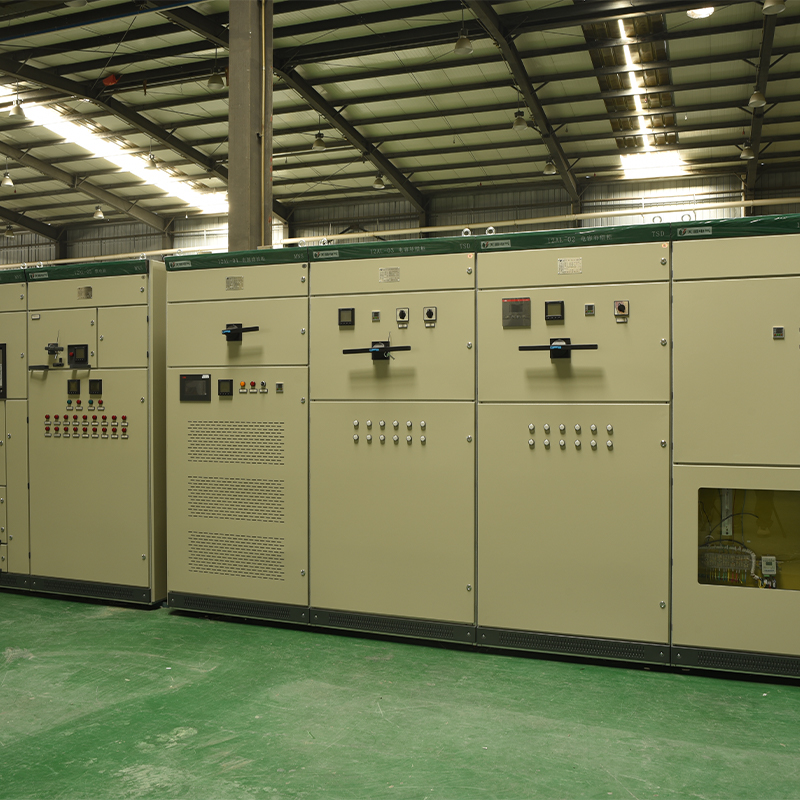
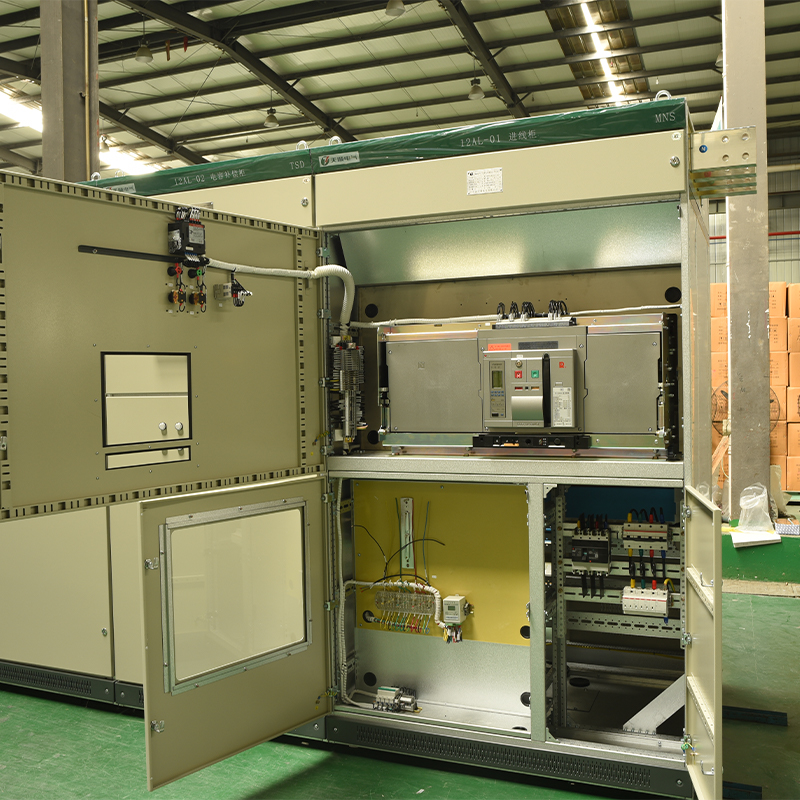
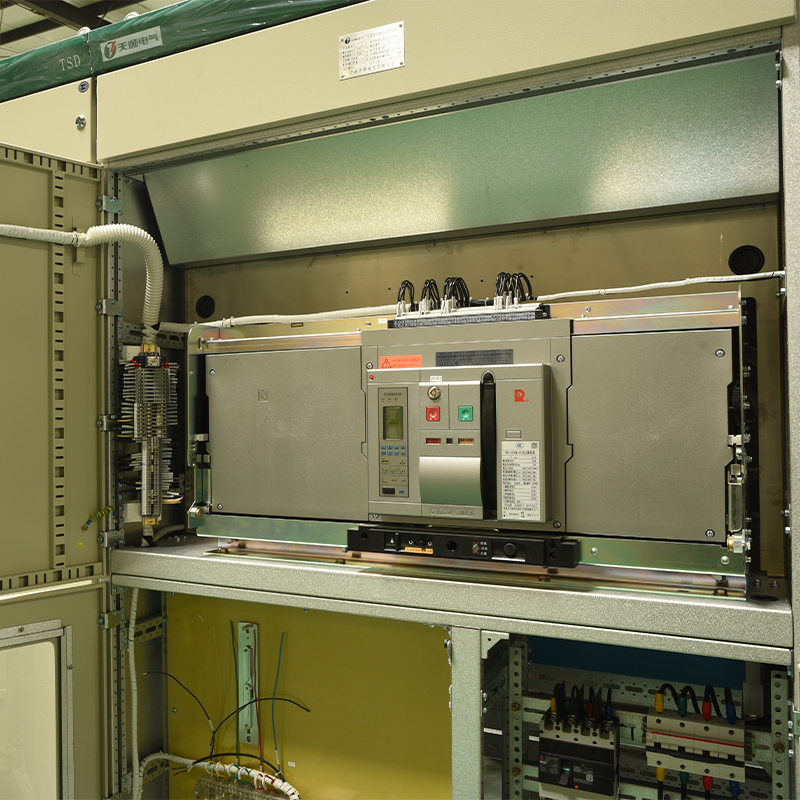
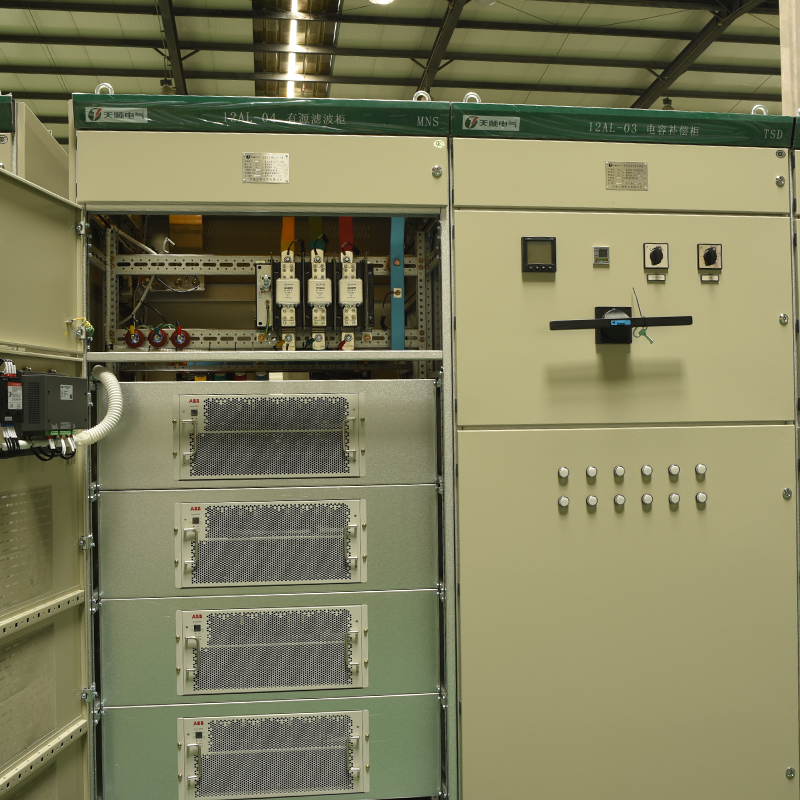
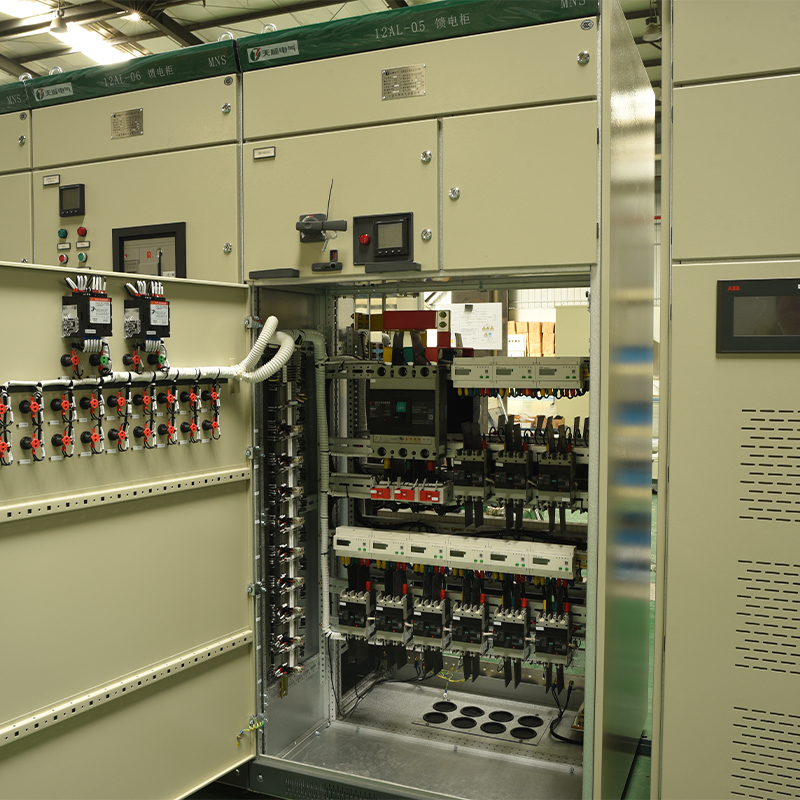
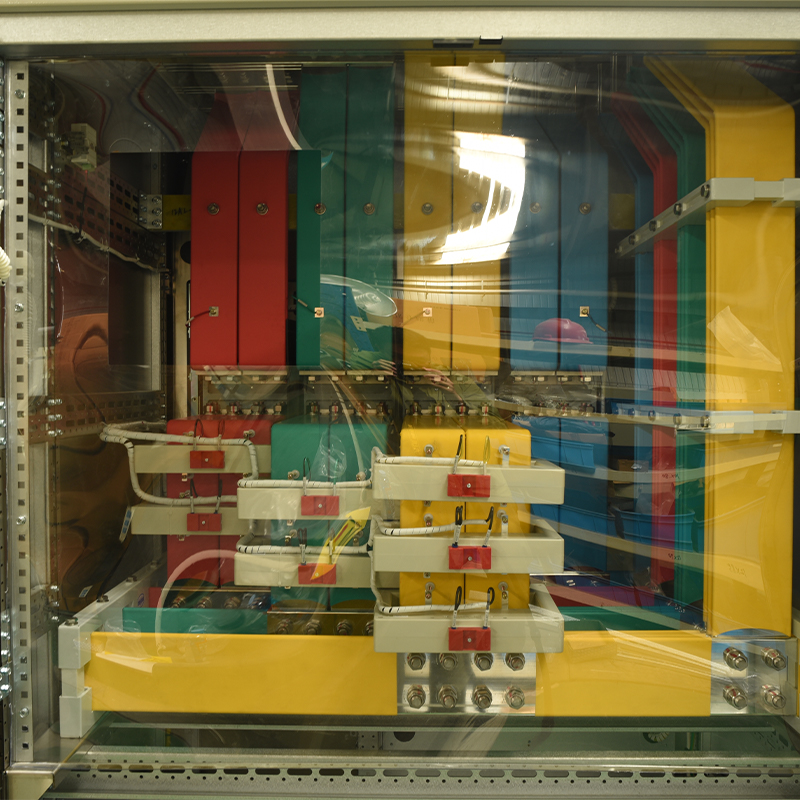
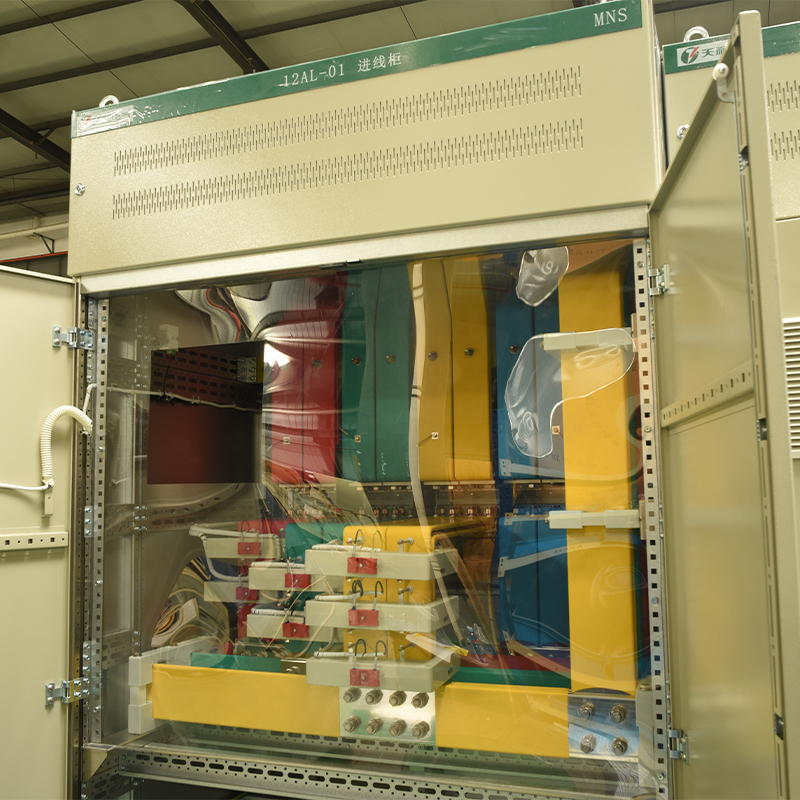
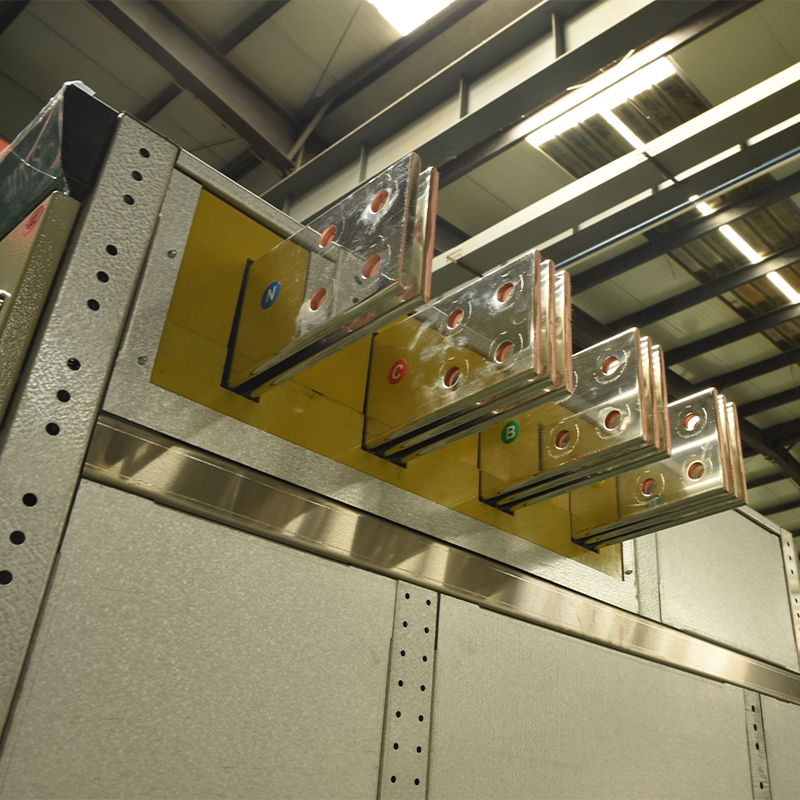
When a 110 kV circuit breaker fails to clear a fault, the consequences do not stay inside the substation fence. Downstream feeders lose supply, the disturbance propagates to neighboring lines, and the investigation eventually points back to equipment decisions made years earlier...
READ MORE
 High-Voltage Switchgear
Gas Insulated Switchgear (GIS)
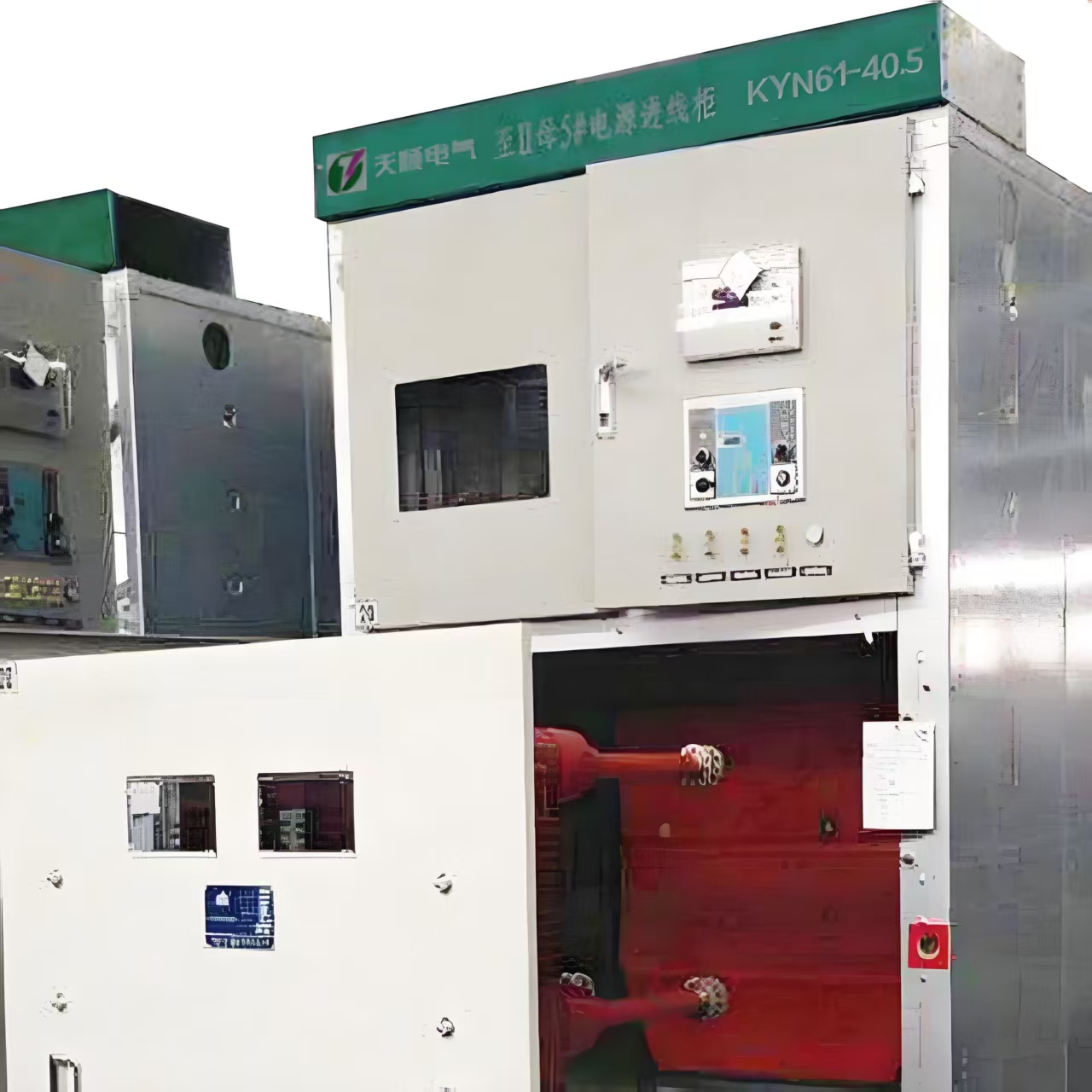
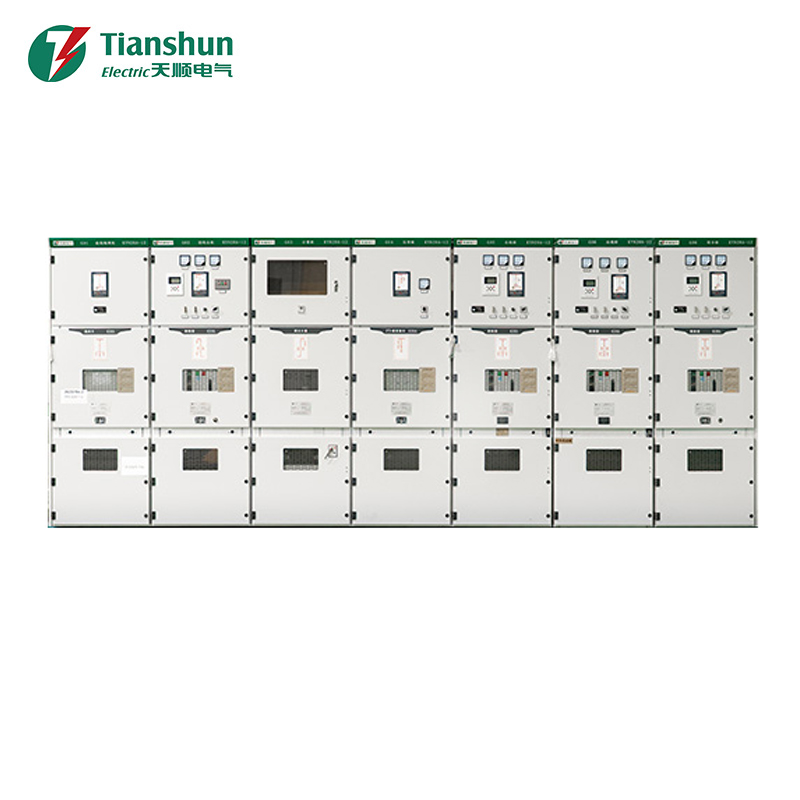
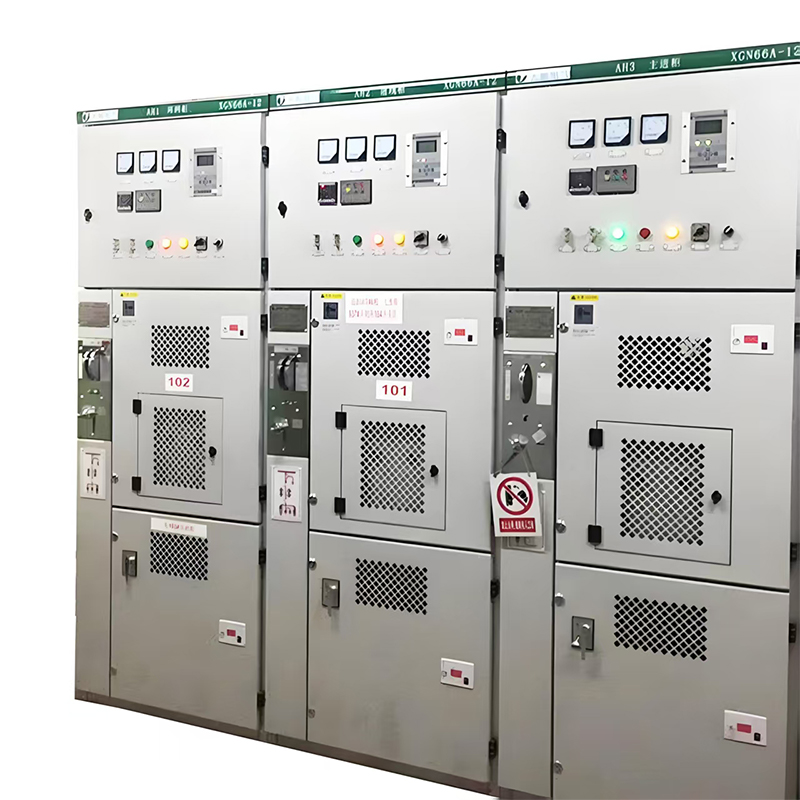
The XGNT9-12 is a 12kV indoor box-type fixed AC metal-enclosed switchgear. It belongs to the next generation of miniaturized, integrated air-insulated switchgear, designed for 3.6–12kV three-phase AC 50/60Hz distribution systems. It is used for power reception, distribution, control, and protection, especially in scenarios with limited space and high economic requirements.
 Application Scenarios
Production Features
Product Advantages
Application Scenarios
Production Features
Product Advantages
Urban distribution networks, ring-main power supply, cable branching, terminal distribution, and the high-voltage side of box-type substations
10kV distribution stations for residential communities, commercial complexes, industrial parks, and factories
Retrofit projects for outdated distribution systems, oil switch replacement
Frequent operation and load switching scenarios (e.g., transformer control, capacitor bank circuits)
Small-scale distribution projects where space and installation costs are sensitive
Structure Design:
Box-type metal-enclosed fixed structure, with metal partitions separating the busbar room, circuit breaker room, cable room, and metering room, enhancing safety with independent compartments.
Integrated Design:
The isolator, grounding switch, and main switch are integrated to simplify the internal layout.
Compactness:
The cabinet width is only 500mm, significantly saving space.
Manufacturing Process:
CNC laser cutting, CNC bending, and modular assembly, with little or no welding, ensuring high mechanical strength and precision.
Core Configuration:
Standard equipped with VS1 vacuum circuit breakers, rated current up to 1250A; includes complete mechanical interlocks and comprehensive protection interfaces.
Protection Level:
The shell has an IP3X rating, and internal compartments have an IP2X rating, meeting the safety requirements for indoor operation.
Production Standardization:
Modular design, high parts interchangeability, high production efficiency, and stable quality.
Installation:
Supports wall-mounted installation with front maintenance design, suitable for compact machine rooms and tight spaces.
Extremely Compact, Outstanding Economy:
The cabinet width is only 500mm, occupying about half the space of conventional switchgear, greatly reducing civil engineering and installation costs, offering high cost-performance.
Safe and Reliable, Complete Interlocks:
Features "Five Protection" mechanical interlocks, independent compartments to effectively prevent arc propagation; air insulation structure with no SF₆ environmental risks.
Convenient Maintenance, Stable Operation:
Fixed structure with clear zoning, no large-scale power outages needed for maintenance; front maintenance design with small operational space and high maintenance efficiency.
Strong Adaptability, Flexible Networking:
Compatible with mainstream circuit breakers, current transformers, and comprehensive protection devices; supports single bus, single bus sectionalizing, and is adaptable to various ring-main and terminal distribution schemes.
Environmentally Friendly, Long Service Life:
Free of toxic gases, long maintenance-free cycle; mechanical life ≥10,000 cycles, suitable for long-term stable operation.
Contact us
If you need assistance, please enter your information below and we will contact you as soon as possible.
About Us
Ningbo Tianshun Electric Co., Ltd
Ningbo Tianshun Electric Co., Ltd. is a China Gas Insulated Switchgear (Gis) Manufacturer and OEM Environmentally Friendly Gas-Insulated Switchgear Company, located in Xiangshan Coastal Industrial Park, boasting a superior geographical location and convenient transportation. As a company deeply rooted in the power transmission and distribution industry, we uphold the core values of "Integrity, Innovation, and Excellence." Our team consists of seasoned professionals with over 20 years of industry experience, providing one-stop services covering R&D, production, and after-sales support.
We specialize in a wide range of products, including high- and low-voltage switchgear assemblies and transformers, all of which have obtained multiple authoritative certifications such as CCC and ISO 9001. These products are widely applied across various fields and have earned high recognition from customers. Through technological innovation and standardized operations, we have been honored with numerous accolades, including the AAA-grade "Contract-abiding and Credit-worthy Enterprise" and "Zhejiang High-growth Technology-based SME." We remain committed to manufacturing high-quality, energy-efficient, and eco-friendly power transmission and distribution equipment.
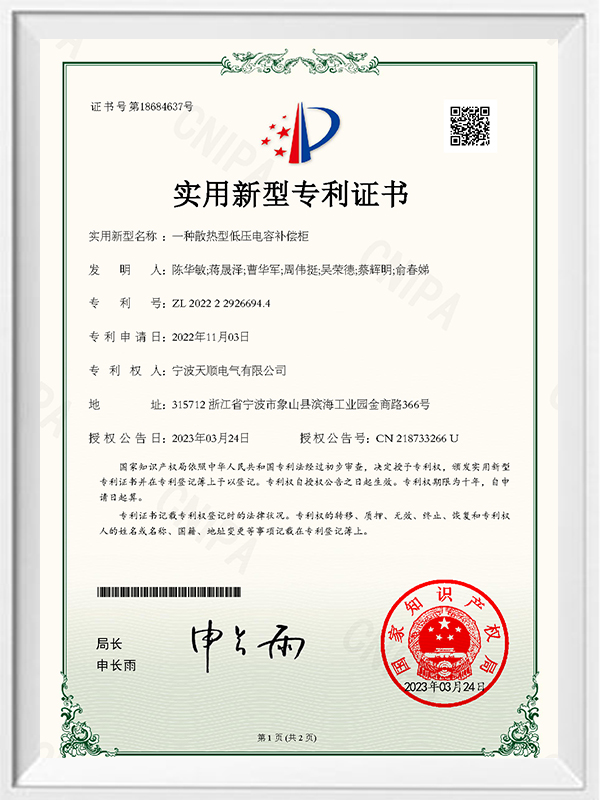
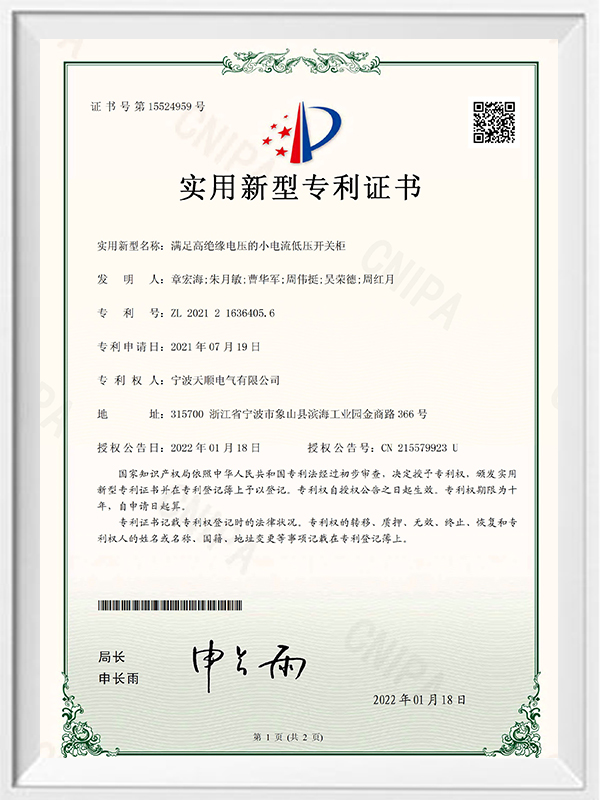
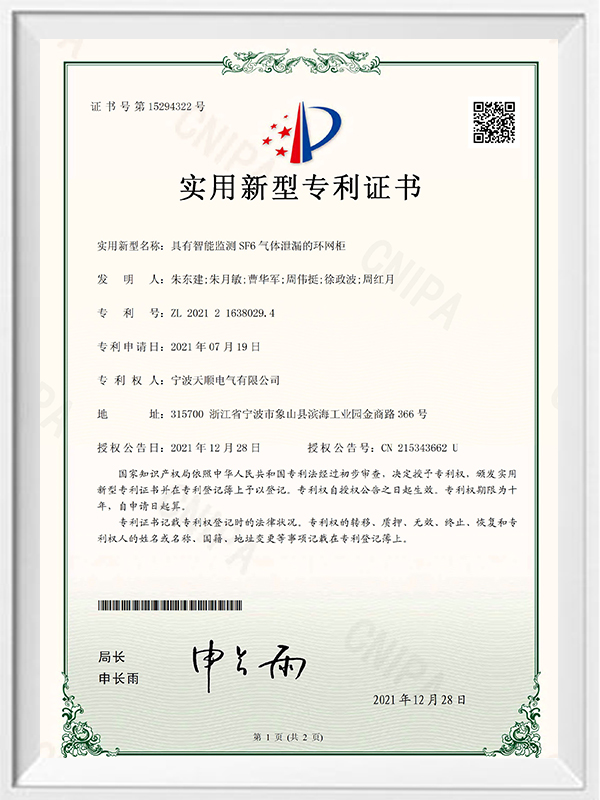
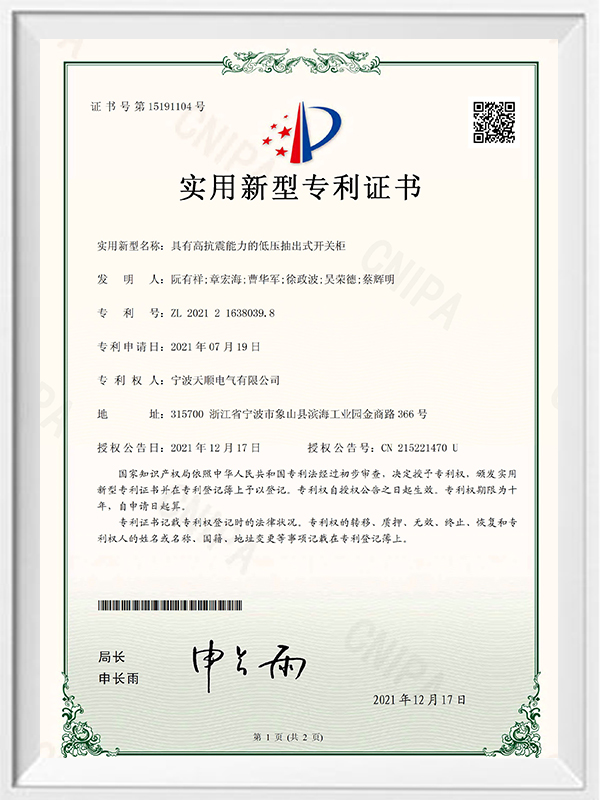
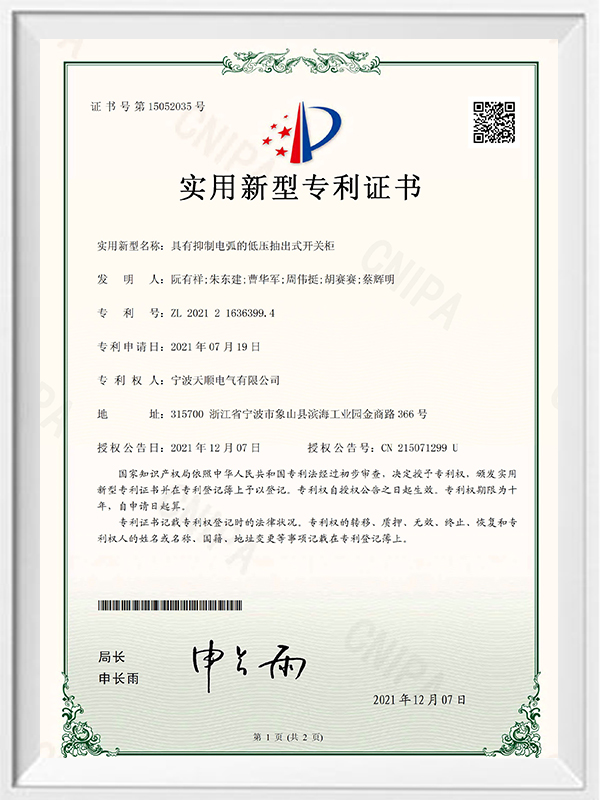
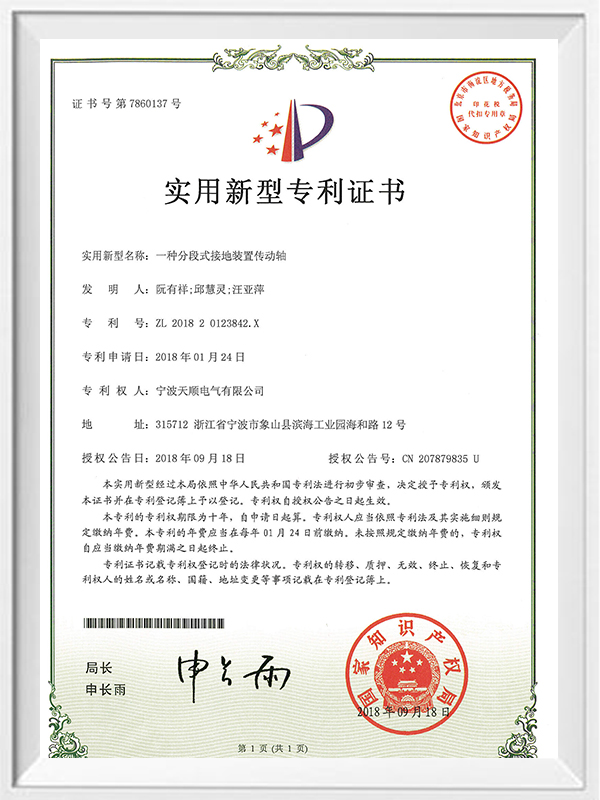
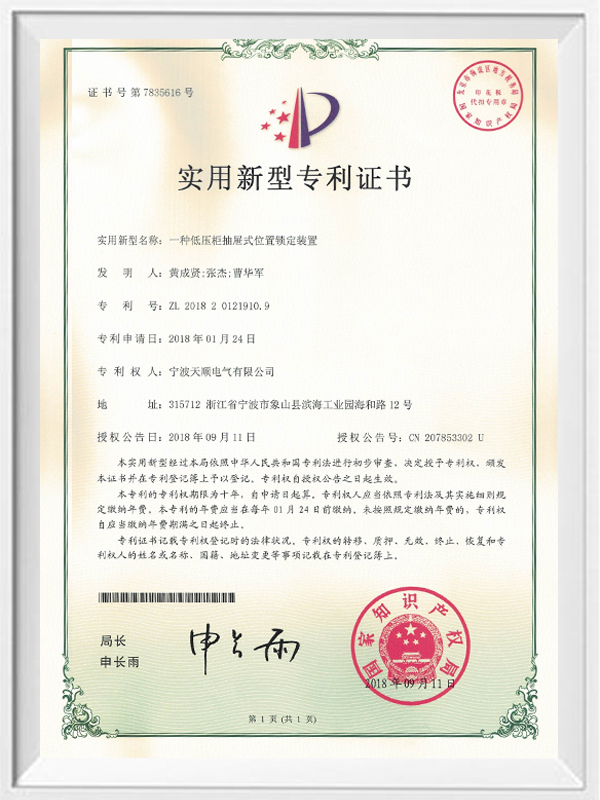
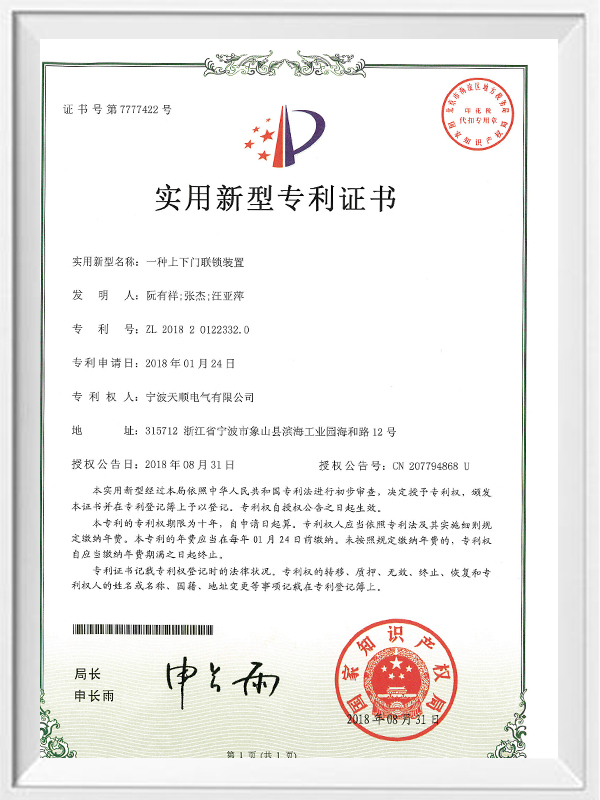
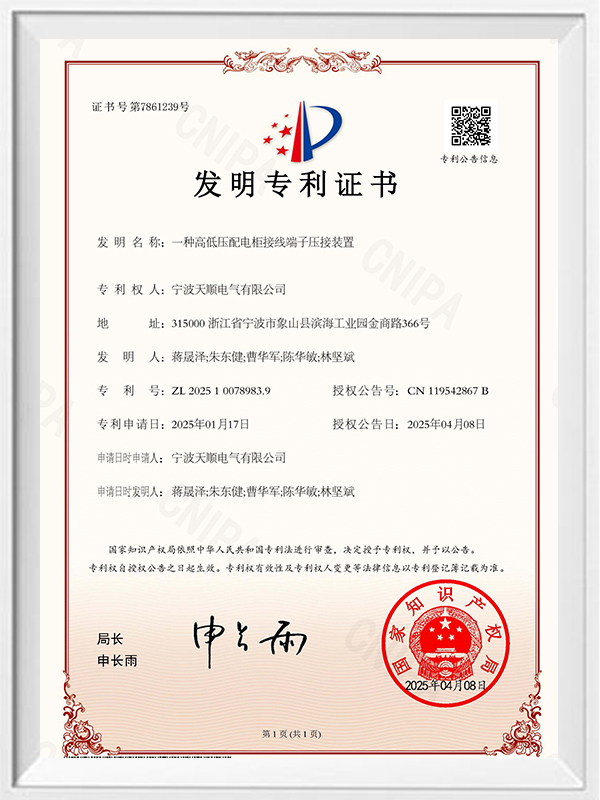
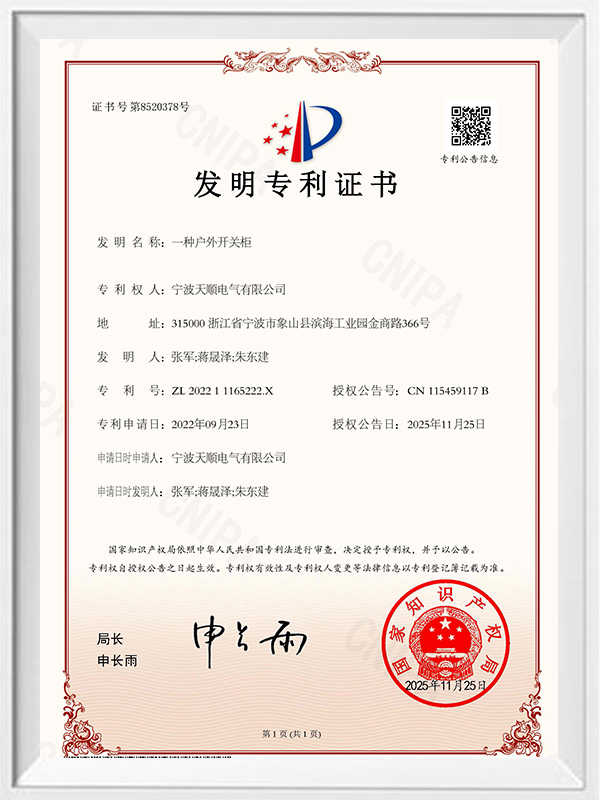
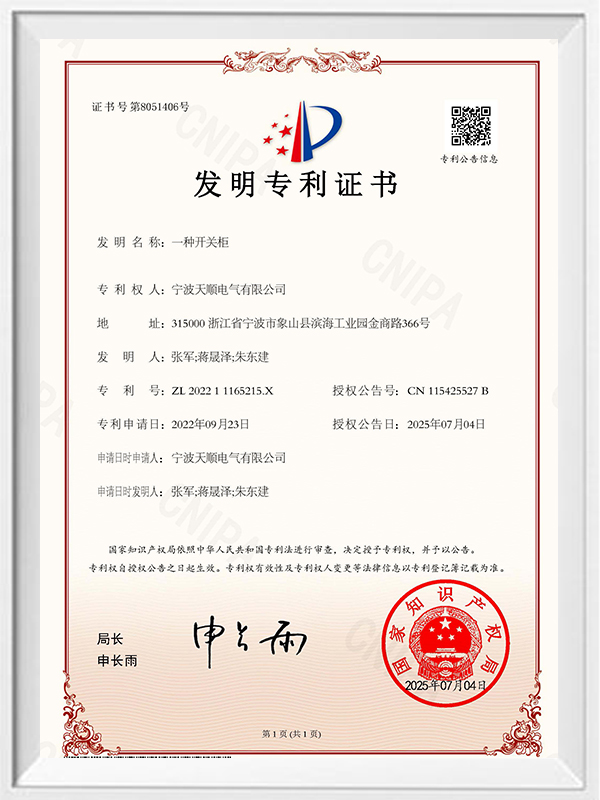
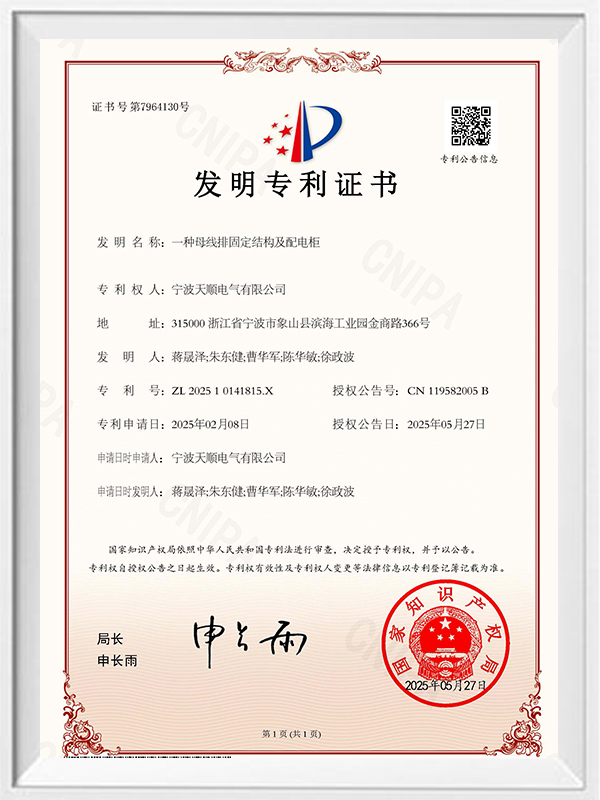
Certificate Of Honor
News
-
-
Electric Power Quality Problems Start Inside the Plant On a hot summer afternoon, an automation packaging line at a metal products plant kept tripping. The electrician confirmed that the incoming voltage dropped from 400V to 358V during the midday peak, lasting less than 100ms. ...
READ MORE -
A 400 kW compressor starts on the far side of the plant, the workshop lights dip for half a second, and three variable speed drives on the packaging line drop out together. Nothing is broken and no breaker has tripped on fault current, yet the line is down. That, in one sentence...
READ MORE
Message Feedback
Gas Insulated Switchgear (GIS) Industry knowledge
What Is Gas Insulated Switchgear
Gas Insulated Switchgear, commonly abbreviated as GIS, is a type of high-voltage switching equipment in which the circuit breaker, disconnector, busbar, and current/voltage transformers are enclosed in grounded metal housings filled with insulating gas. Because the gas provides much higher dielectric strength than open air, the same electrical clearance can be achieved in a far smaller cabinet. This is why Environmentally Friendly Gas-Insulated Switchgear has become the preferred solution for substations where land is expensive or space is limited, such as urban distribution stations, high-rise buildings, and offshore platforms.
Ningbo Tianshun Electric Co., Ltd., based in Xiangshan Coastal Industrial Park with convenient transportation access, has been engaged in the power transmission and distribution industry for years and offers GIS products alongside its broader range of high- and low-voltage switchgear assemblies and transformers.
Core Advantages of Gas Insulated Switchgear
Compared with traditional air-insulated switchgear (AIS), Gas Insulated Switchgear brings several measurable benefits to substation design and operation:
- Compact footprint — a GIS bay can occupy roughly one-tenth of the space required by an equivalent AIS bay, which is critical for congested urban sites.
- High reliability — the fully sealed enclosure keeps live components isolated from dust, moisture, and salt spray, reducing insulation faults caused by environmental exposure.
- Low maintenance frequency — because internal parts are protected from contamination, routine inspection intervals can typically be extended compared with open-air equipment.
- Quiet and safe operation — the enclosed structure suppresses arc noise and prevents accidental contact with energized parts, improving safety for on-site personnel.
- Environmental adaptability — GIS performs reliably across a wide range of climates, from humid coastal regions to cold, high-altitude areas, since the gas-filled compartments are largely unaffected by outdoor weather.
These characteristics explain why the term Environmentally Friendly Gas-Insulated Switchgear is often used to describe modern GIS products: newer designs increasingly adopt low global-warming-potential insulating gases in place of conventional SF6, aligning equipment performance with environmental protection goals.
How Gas Insulated Switchgear Works
Inside a GIS unit, the busbar, circuit breaker, disconnector, and grounding switch are housed in separate gas-tight compartments made of aluminum alloy or steel. The insulating gas fills the space between the live conductor and the grounded enclosure, preventing electrical breakdown even at a much shorter distance than air would allow. When a fault occurs, the circuit breaker's moving contact separates inside the gas chamber; the gas quickly quenches the resulting arc and restores its insulating properties within milliseconds, allowing the breaker to interrupt fault current safely.
Gas Monitoring and Sealing
Each gas compartment is fitted with a pressure gauge or density sensor connected to an alarm system. If gas pressure drops below a set threshold — often due to a minor leak — the monitoring system triggers a warning so that maintenance staff can top up the gas or seal the compartment before insulation performance is affected.
Modular Bay Design
GIS equipment is typically supplied in standardized bays, each covering one circuit function such as incoming line, outgoing line, or bus-tie. Bays can be connected in series to form a complete switchgear line-up, making it straightforward to expand a substation as load demand grows.
GIS vs. Air-Insulated Switchgear
The table below summarizes the practical differences between Gas Insulated Switchgear and conventional air-insulated switchgear, which can help engineers weigh space, cost, and maintenance factors when selecting equipment for a project.
| Factor | GIS | Air-Insulated Switchgear |
|---|---|---|
| Footprint | Compact, indoor or outdoor | Large, mostly outdoor |
| Exposure to weather | Fully sealed, low exposure | Directly exposed |
| Maintenance interval | Longer | Shorter |
| Initial investment | Higher | Lower |
Selection and Installation Tips
When planning a GIS installation, it is important to first confirm the rated voltage, rated current, and short-circuit breaking capacity required by the site load, then decide on the number of bays needed for incoming, outgoing, metering, and bus-tie functions. Because GIS enclosures are gas-tight, installation should follow strict procedures for gas filling and leak testing to ensure long-term insulation performance.
- Verify the site altitude and ambient temperature range, since gas density and insulation margin can vary with these conditions.
- Plan sufficient clearance around the switchgear room for future gas servicing and component replacement.
- Arrange commissioning tests, including gas pressure checks and mechanical interlock verification, before energizing the equipment.
Technical teams with hands-on experience in installation guidance, commissioning, and fault handling can help shorten the commissioning period and reduce the risk of early-stage insulation issues after a GIS unit is put into service.
Frequently Asked Questions
Q1: What gas is used inside Gas Insulated Switchgear?
Traditional GIS units use SF6 gas because of its excellent insulating and arc-quenching properties. Newer Environmentally Friendly Gas-Insulated Switchgear designs are moving toward alternative gases or gas mixtures with a lower global warming potential, while still meeting the required insulation and interruption performance.
Q2: Is Gas Insulated Switchgear suitable for outdoor substations?
Yes. Because the live parts are fully enclosed and sealed from the outside environment, GIS can be installed outdoors in coastal, humid, or dusty areas where air-insulated switchgear would face a higher risk of insulation flashover.
Q3: How long is the typical service life of GIS equipment?
With proper gas sealing and periodic monitoring, GIS equipment is generally expected to provide several decades of reliable service, though the exact figure depends on operating conditions, load levels, and maintenance practices at the specific site.
Q4: What certifications should buyers look for when choosing GIS products?
Buyers are advised to check for recognized quality and safety certifications such as CCC and ISO 9001, which confirm that the manufacturing process meets national product safety requirements and consistent quality management standards.

-
Please feel free to contact us if needed!
Contact Us -
Quick Links
Home About Us Products Applications News Contact -
Contact Us
nbtsdq@163.com +86-15757467313 +86-574-65800646 No. 1, Jiuzhou Road, Xiangshan County, Ningbo City, Zhejiang Province, China -
Get Touch
Copyright © 2026 by Ningbo Tianshun Electric Co., Ltd All Rights Reserved.
Gas Insulated Switchgear (Gis) Manufacturer
OEM Environmentally Friendly Gas-Insulated Switchgear Company
