

 English
 中文简体
中文简体 Español
 عربى
عربى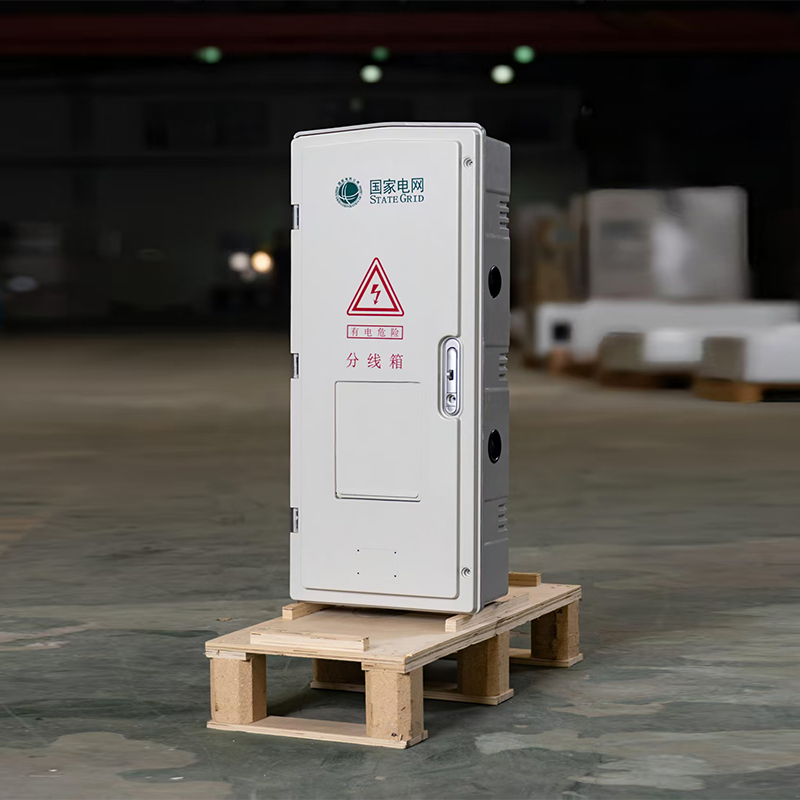
When a 110 kV circuit breaker fails to clear a fault, the consequences do not stay inside the substation fence. Downstream feeders lose supply, the disturbance propagates to neighboring lines, and the investigation eventually points back to equipment decisions made years earlier...
READ MORE
 Terminal Power Distribution Equipment
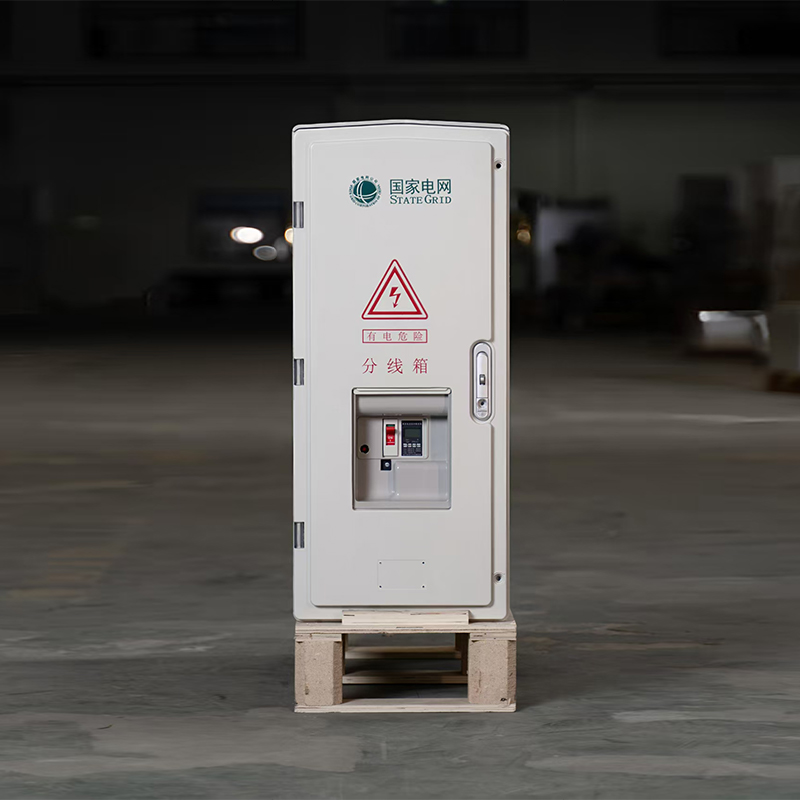
LV Cable Branch Box
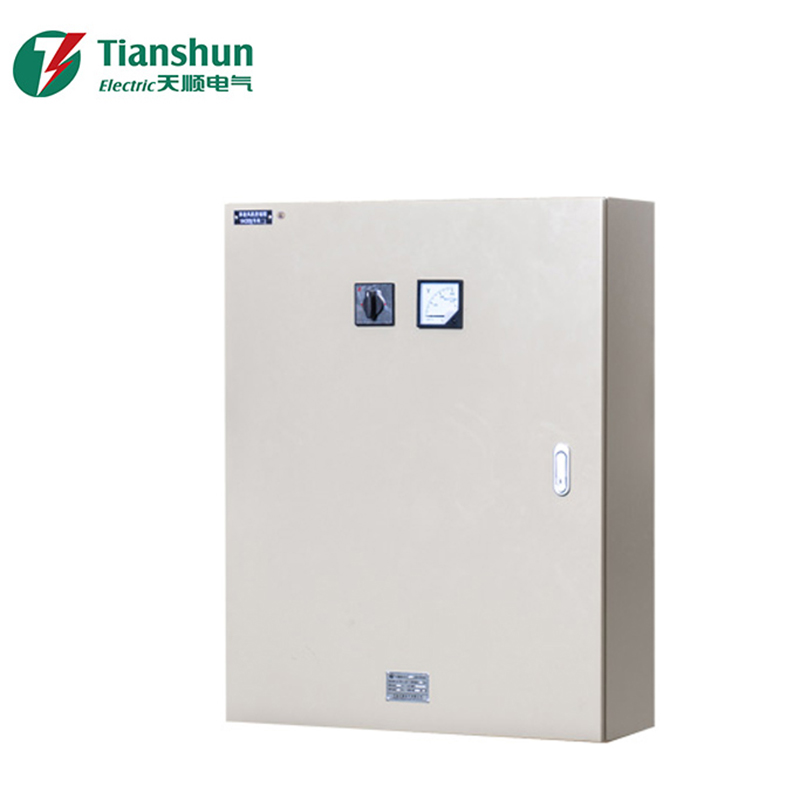
DFW is an outdoor high-voltage cable branch/junction box (mainly European style). It is mainly used for 10kV/24kV/35kV distribution network cable node connections. It features full insulation, full sealing, maintenance-free operation, and direct outdoor installation. It is the main equipment for urban power grid cable transformation.
 Application Scenarios
Production Features
Product Advantages
Application Scenarios
Production Features
Product Advantages
Urban Power Distribution:
Cable T-joints, ring networks, and branches for residential communities, commercial centers, industrial parks, municipal roads, streetlights, and traffic signal power supply.
Industry and Infrastructure:
Outdoor cable distribution nodes for mining, metallurgy, petrochemical, ports, rail transportation, and data centers.
Power Grid Renovation:
Replacing overhead lines, implementing cable networks and ring networks, improving supply reliability, reducing space usage, and making investments.
Special Environments:
Harsh outdoor environments, underground ducts, coastal areas with high humidity, dusty conditions, and short-term water immersion.
Function Types:
Standard Type: Cable branching only, no switch.
With Switch Type: Equipped with SF₆ load switches, enabling ring network / dual power source switching and branch circuit disconnection.
Design and Standards:
Complies with GB/T 3906, GB/T 11022, JB/T 10840, IEC 62271, and other high-voltage switchgear standards.
European structure: bidirectional doors, wall-mounted bushings and busbar connections, three-core cables without large-span crossings.
Modular design: Flexible combination of 2-8 incoming and outgoing circuits, supporting ring network, radial, and terminal wiring configurations.
Cabinet Structure:
Material: 2mm high-quality cold-rolled steel / 304 stainless steel, double-layer cabinet body, corrosion-resistant spray coating / brushed finish, lifespan ≥ 20-30 years.
Compartments: Independent busbar room, cable room, fully sealed isolation, no exposed live parts.
Protection: IP33 (standard), IP44-IP54 (custom), rainproof, dustproof, anti-condensation, and flood-resistant.
Cable Entries: Bottom in/out or side in/out, suitable for three-core / single-core cables, with clear wiring layout.
Core Components:
Cable Connectors: Prefabricated silicone rubber / EPDM touchable connectors (DIN 47636), fully insulated and sealed, 630A/1250A.
Switches (Optional): SF₆ insulated load switches, capable of interrupting load current and no-load cable current, with mechanical interlock.
Accessories: Standard surge arresters, short-circuit fault indicators, live-display indicators. Optional fuses and grounding switches.
Production and Certification:
Factory pre-assembled, sealed, and tested, shipped as a complete unit for on-site maintenance-free and fast installation.
Passes type testing, insulation testing, partial discharge, temperature rise, and short-circuit withstand tests, as well as other authoritative certifications.
Top Safety and Reliability:
Fully Insulated and Sealed: No exposed live parts, touch-safe, no need for insulation distance, providing high personal protection.
Fault Isolation: Independent compartments and switch disconnection, single circuit faults do not affect the main grid, minimizing the scope of power outages.
Environmental Endurance: Operational in temperatures from -40°C to +70°C, dustproof, moisture-resistant, corrosion-resistant, and flood-resistant, suitable for all-weather outdoor operation.
Short-Circuit Capability: For 12kV typical: thermal stability 20-31.5kA/3s, dynamic stability 50-63kA, high impact resistance.
Maintenance-Free and Low-Cost:
Truly Maintenance-Free: Sealed structure with no exposed parts, no need for regular cleaning or coating, extremely low lifecycle maintenance costs.
Small Footprint: Compact structure, saving more than 70% of space compared to traditional switchgear stations, reducing civil construction investment.
Quick Installation: Direct outdoor installation or buried underground with a simple foundation, only requiring cable connections on-site, operational within one day.
Flexibility and Strong Expandability:
Flexible Circuits: 2-8 incoming and outgoing circuits, supports ring networks, dual power sources, and multiple branches, adaptable to complex distribution networks.
Easy Upgrades: Standard models can later be equipped with switches, allowing upgrades from "branch boxes" to "ring main units" (RMU).
Cable Compatibility: Compatible with YJV22 and other high-voltage cables, no crossing needed for three-core cables, simplifying construction.
Smart and Operation-Friendly:
Fault Location: Built-in short-circuit/ground fault indicators for quick fault location, reducing repair time.
Live Display: Intuitive live status indication for ensuring safe maintenance.
Expandable Smart Features: Reserved sensor interfaces to support grid automation and remote monitoring upgrades.
Contact us
If you need assistance, please enter your information below and we will contact you as soon as possible.
About Us
Ningbo Tianshun Electric Co., Ltd
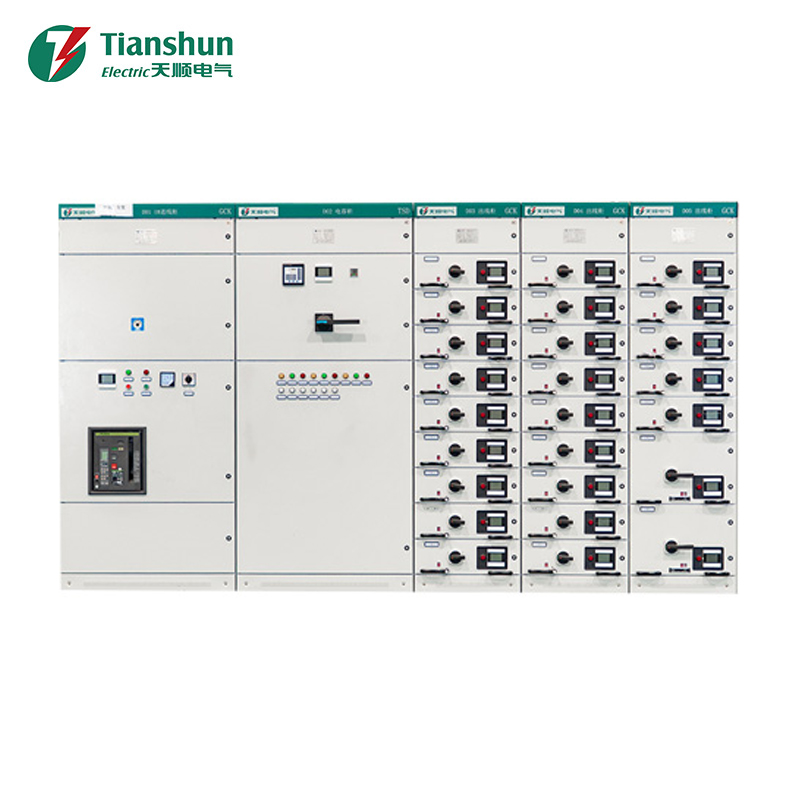
Ningbo Tianshun Electric Co., Ltd. is a China LV Cable Branch Box Manufacturer and OEM LV Cable Branch Box factory, located in Xiangshan Coastal Industrial Park, boasting a superior geographical location and convenient transportation. As a company deeply rooted in the power transmission and distribution industry, we uphold the core values of "Integrity, Innovation, and Excellence." Our team consists of seasoned professionals with over 20 years of industry experience, providing one-stop services covering R&D, production, and after-sales support.
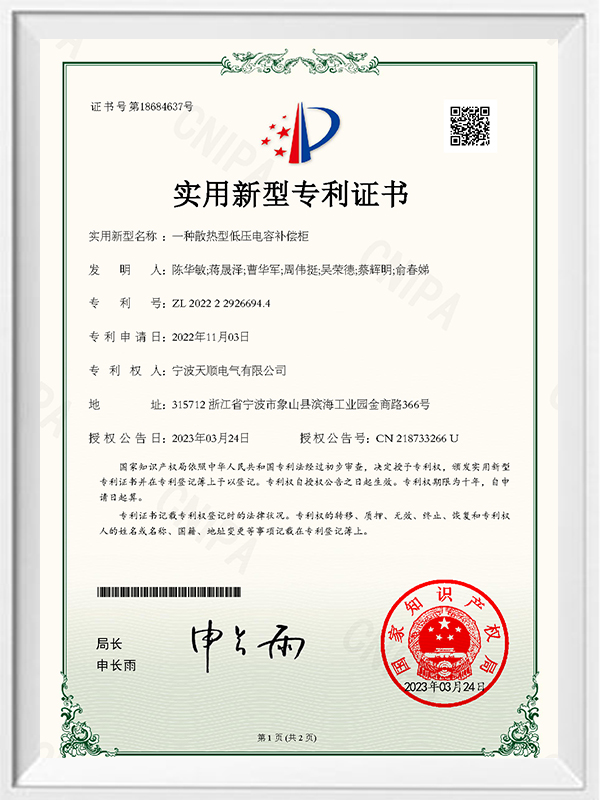
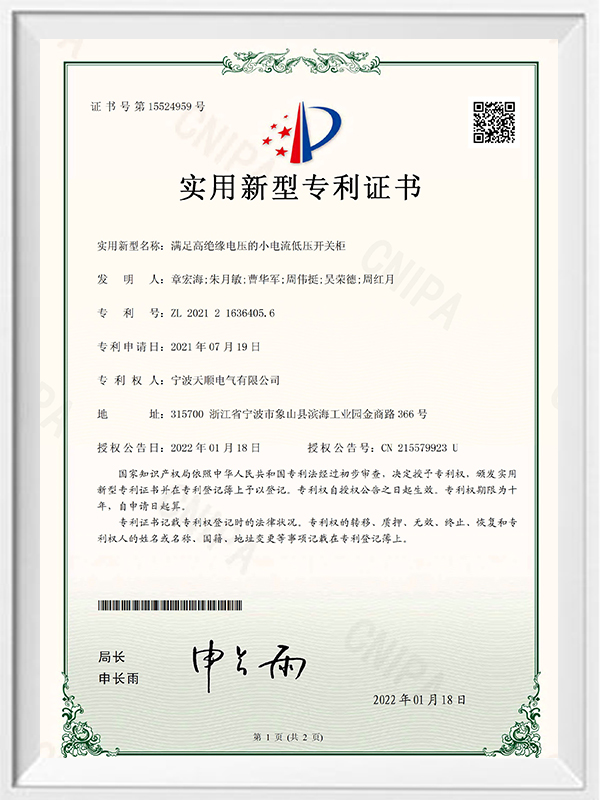
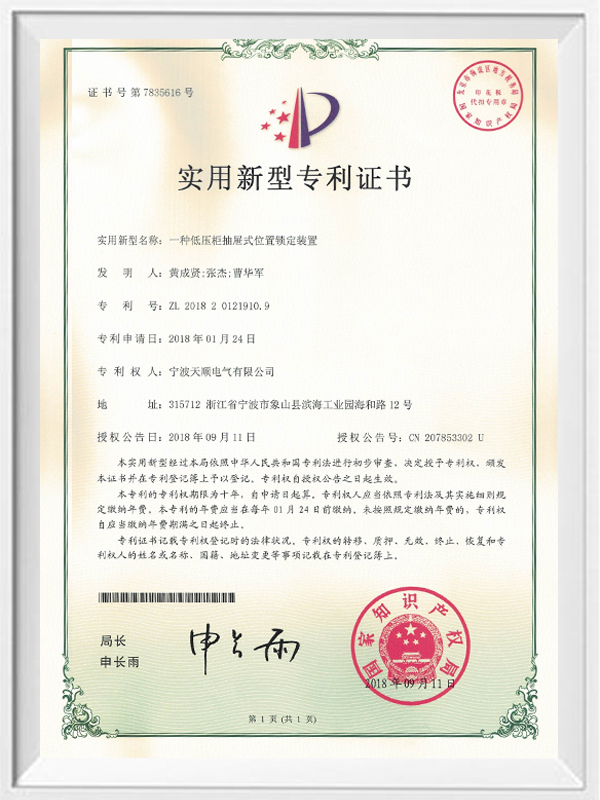
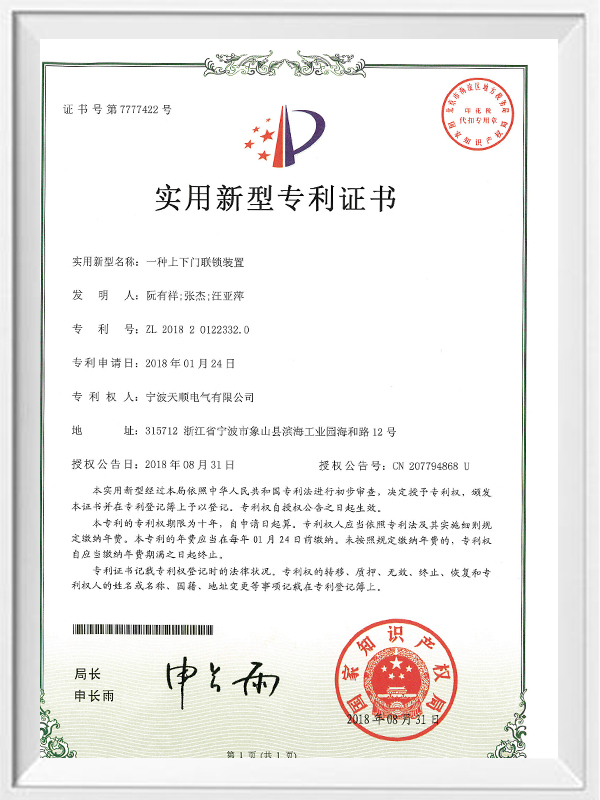
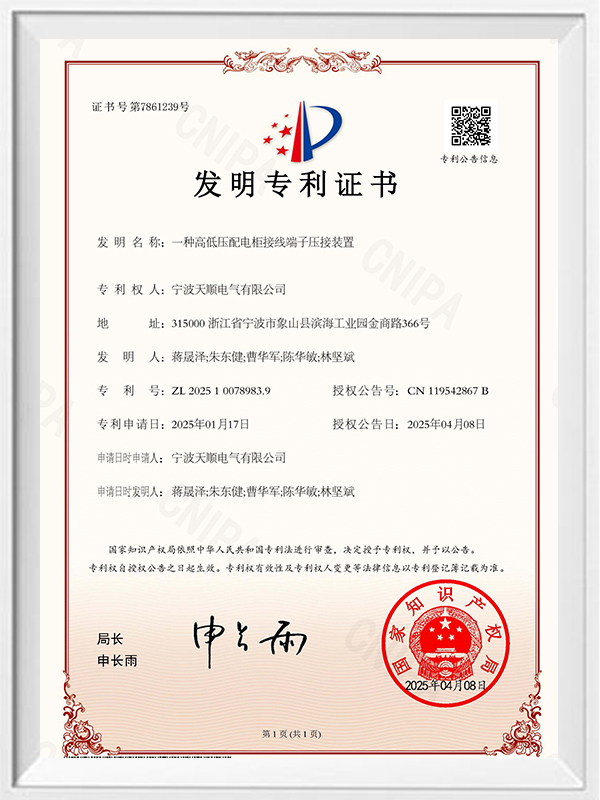
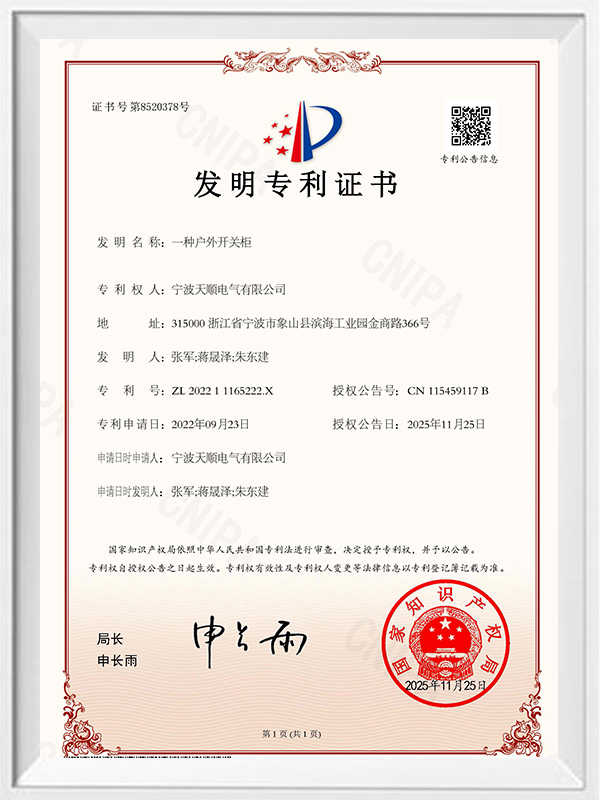
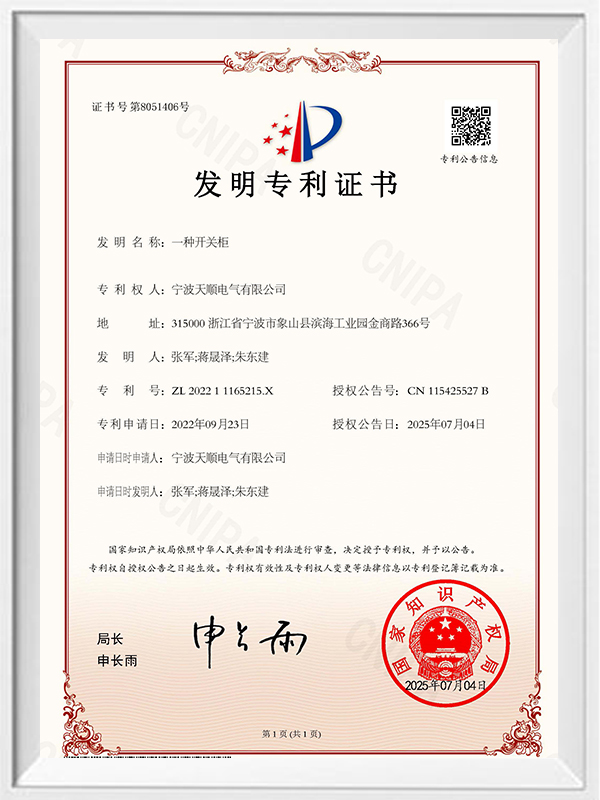
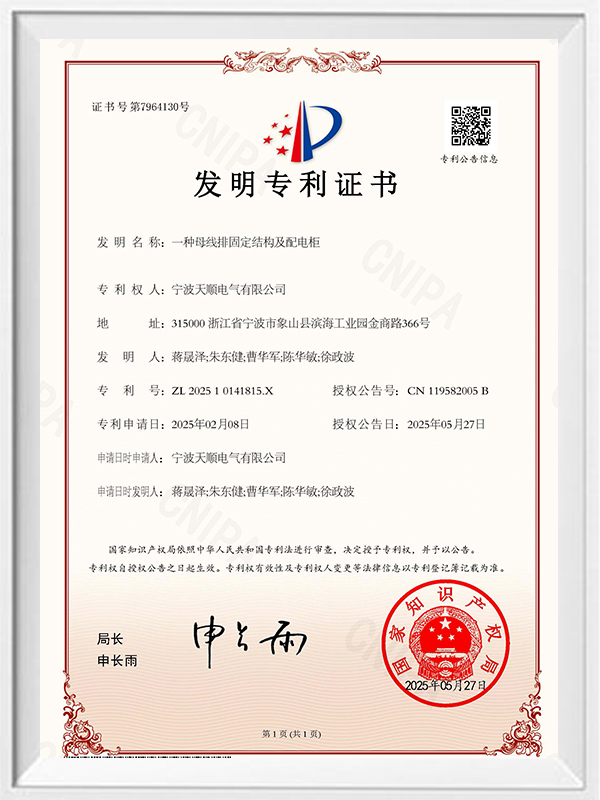
We specialize in a wide range of products, including high- and low-voltage switchgear assemblies and transformers, all of which have obtained multiple authoritative certifications such as CCC and ISO 9001. These products are widely applied across various fields and have earned high recognition from customers. Through technological innovation and standardized operations, we have been honored with numerous accolades, including the AAA-grade "Contract-abiding and Credit-worthy Enterprise" and "Zhejiang High-growth Technology-based SME." We remain committed to manufacturing high-quality, energy-efficient, and eco-friendly power transmission and distribution equipment.
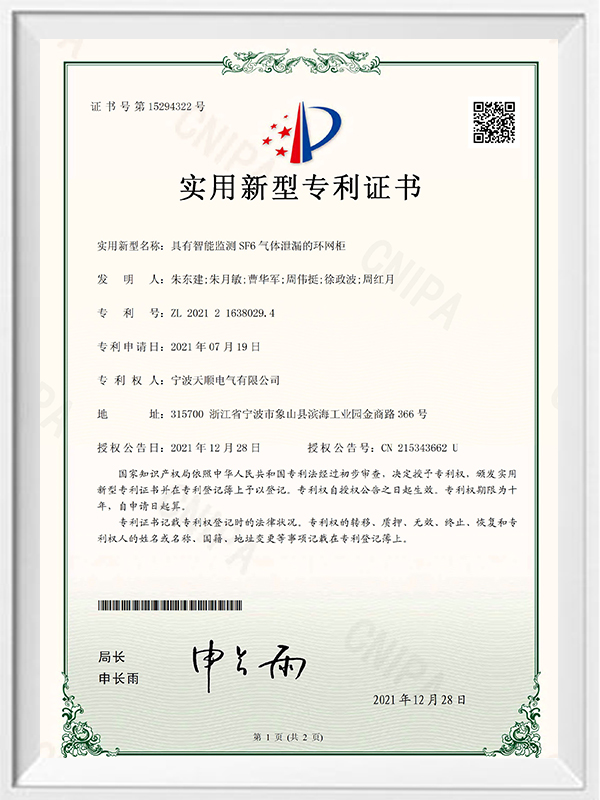
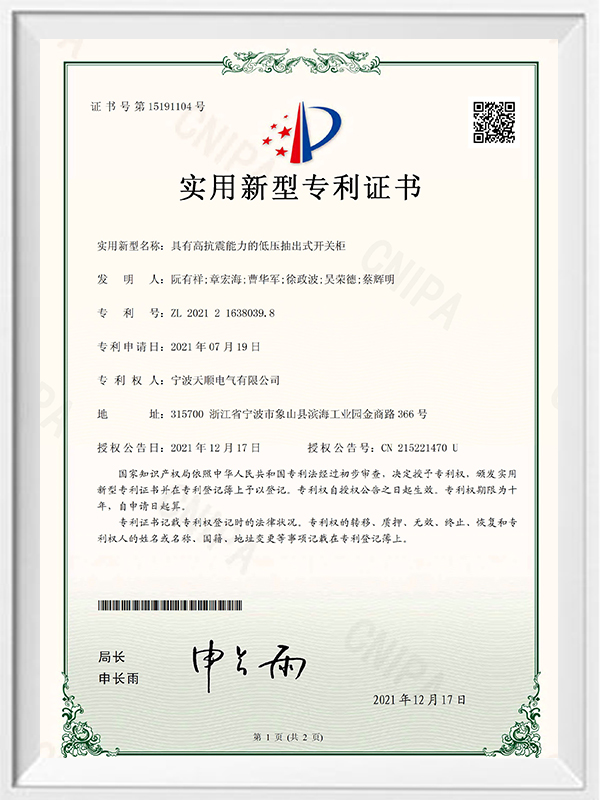
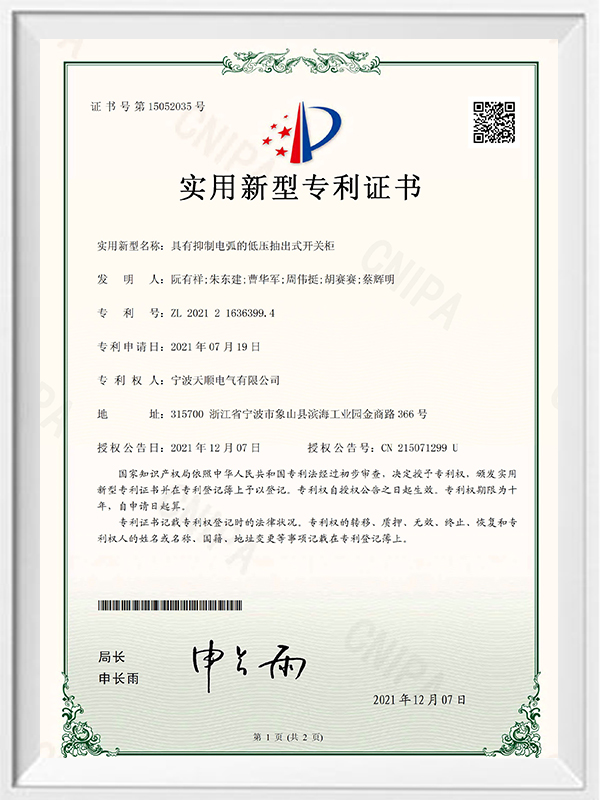
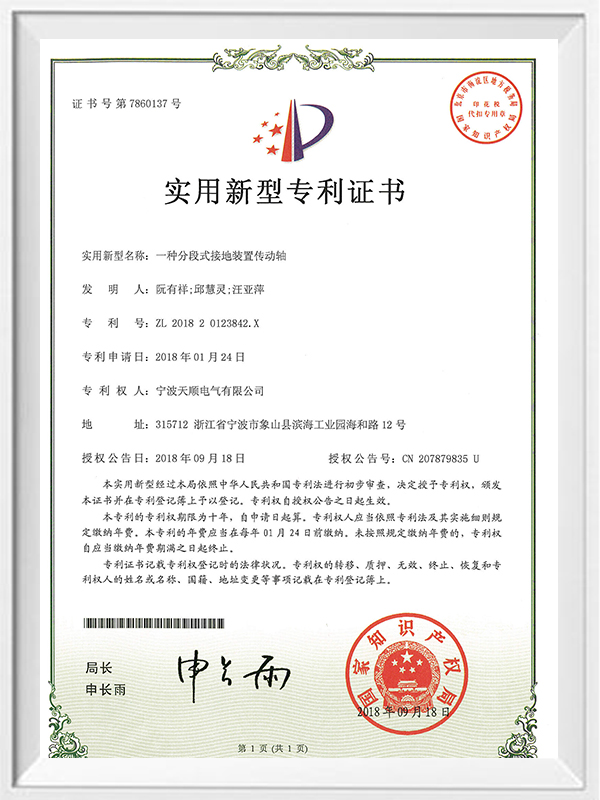
Certificate Of Honor
News
-
-
Electric Power Quality Problems Start Inside the Plant On a hot summer afternoon, an automation packaging line at a metal products plant kept tripping. The electrician confirmed that the incoming voltage dropped from 400V to 358V during the midday peak, lasting less than 100ms. ...
READ MORE -
A 400 kW compressor starts on the far side of the plant, the workshop lights dip for half a second, and three variable speed drives on the packaging line drop out together. Nothing is broken and no breaker has tripped on fault current, yet the line is down. That, in one sentence...
READ MORE
Message Feedback
LV Cable Branch Box Industry knowledge
The Purpose of an LV Cable Branch Box in Distribution Networks
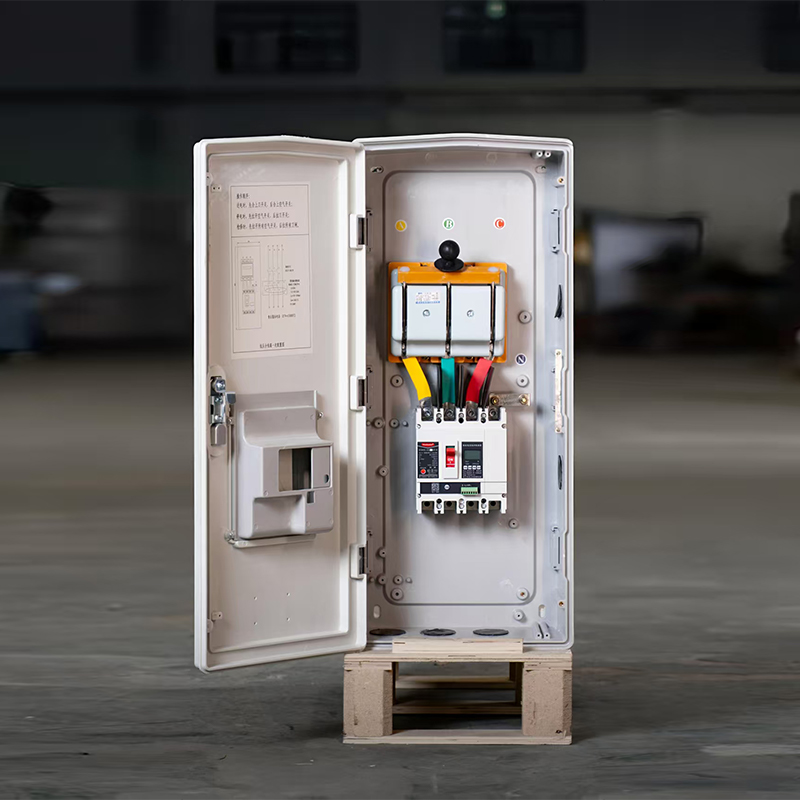
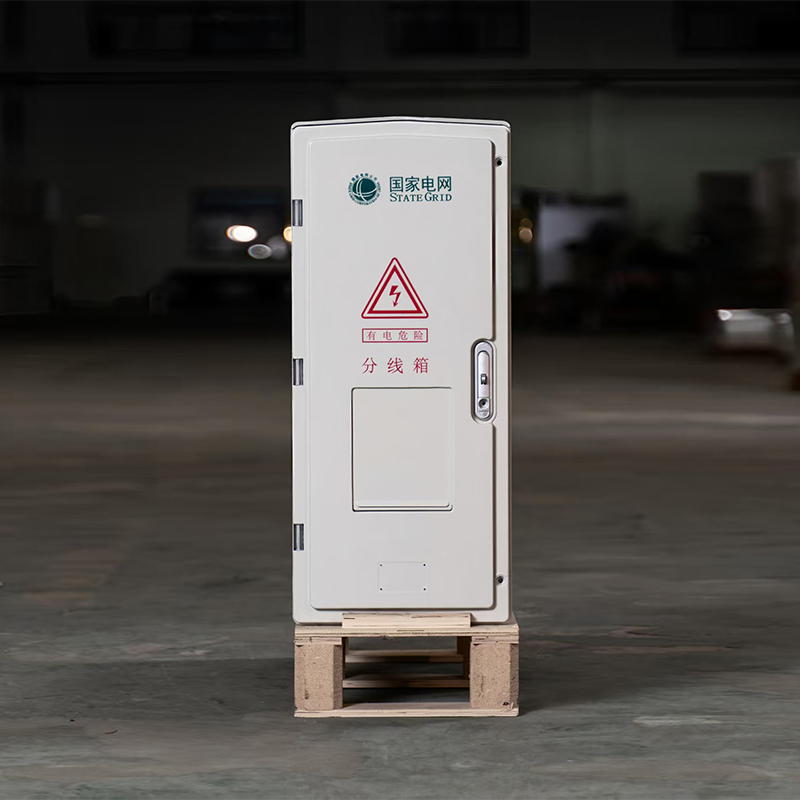
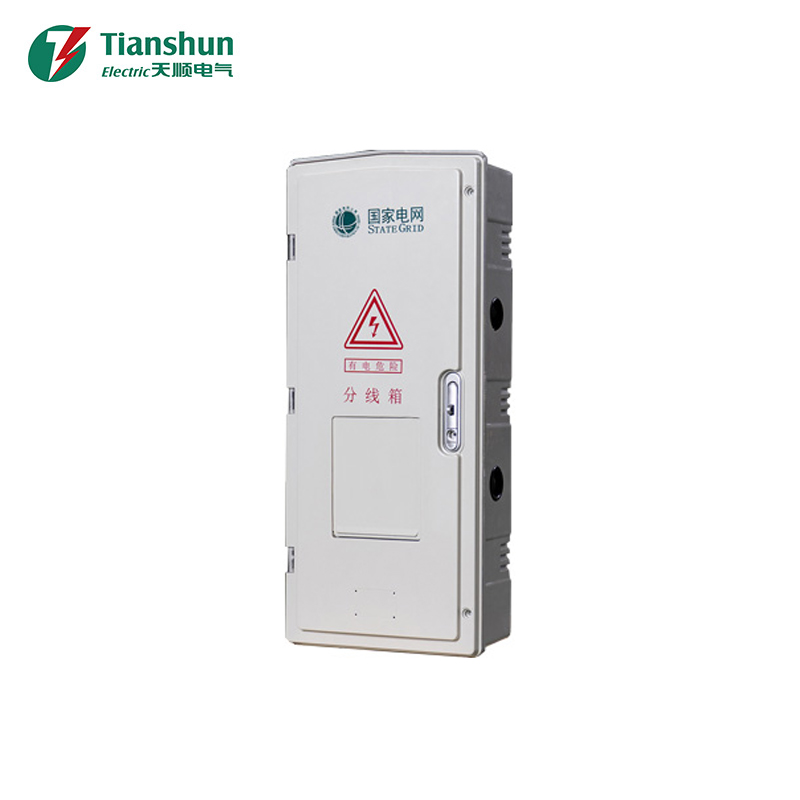
An LV Cable Branch Box is installed along a low-voltage cable route to split one incoming feeder into several outgoing cable branches, without the need for a full switchgear cabinet at that point. It is commonly used where a single main cable from a transformer or ring-main unit needs to serve multiple nearby buildings, street lighting sections, or metering points, allowing the branching and connection work to happen underground or in a compact surface enclosure rather than inside a large distribution room.
Ningbo Tianshun Electric Co., Ltd., with a team holding more than 20 years of combined experience in the power transmission and distribution field, manufactures this type of terminal branching equipment to support cable networks in residential, commercial, and municipal projects.
Advantages of Using an LV Cable Branch Box
- Reduced cable runs — branching close to the load point avoids running several long individual cables all the way back to the source transformer, cutting material cost and voltage drop.
- Simplified fault isolation — many branch boxes include fuse or switch-disconnector units on each outgoing cable, so a fault on one branch can be isolated without cutting supply to the others.
- Space-saving installation — the box can be mounted on a pole, wall, or placed in an underground pit, avoiding the footprint of a full switchgear cabinet at every branching point.
- Flexible network expansion — additional outgoing terminals can often be added within the same box as new loads are connected to the network over time.
How an LV Cable Branch Box Works
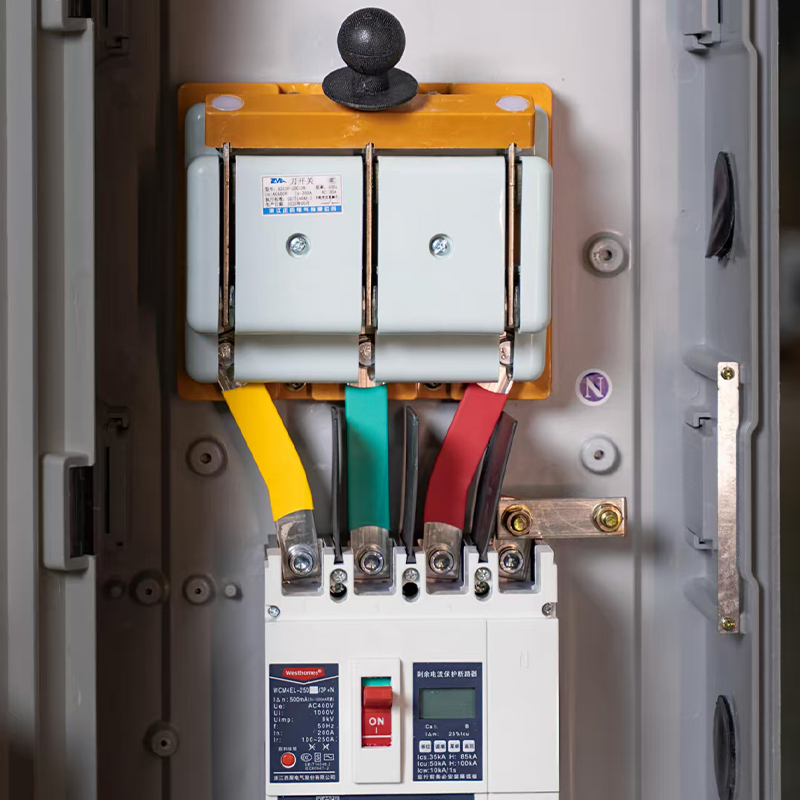
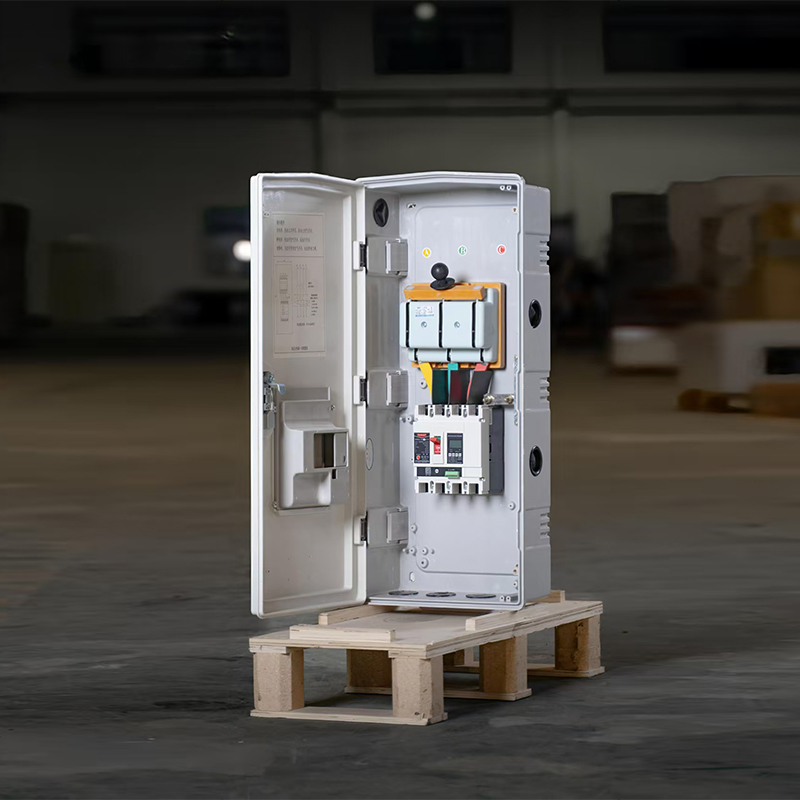
Inside the box, the incoming cable connects to a common busbar or a set of connection terminals. From this common point, several outgoing cables are connected, each typically protected by its own fuse or, in some designs, a small switch-disconnector. Current from the source flows into the shared terminal and is then divided among the branches according to each connected load. If a short circuit or overload occurs on one outgoing cable, its dedicated fuse or protective device operates first, interrupting only that branch while the shared busbar continues to supply the remaining outgoing cables.
Sealing and Ingress Protection
Because branch boxes are frequently installed outdoors or underground, cable entry points are fitted with sealing glands or gaskets to prevent moisture ingress. The enclosure itself is typically rated for outdoor use, allowing safe operation in wet pits, roadside verges, or exposed pole-mounted positions.
Insulation and Clearance Design
Internal terminals and busbars are arranged with defined electrical clearance and creepage distances to prevent flashover between phases, and insulating barriers are often added between adjacent connections to further reduce the risk of internal faults spreading between branches.
Typical Application Scenarios
The table below lists common scenarios where an LV Cable Branch Box is typically applied, along with the main reason it is chosen over running individual cables to each load.
| Scenario | Main Reason for Use |
|---|---|
| Residential community feeders | Split one main cable to serve multiple buildings |
| Street lighting circuits | Branch to individual lighting poles along a route |
| Underground cable networks | Provide accessible connection points without excavation at every load |
| Metering distribution points | Separate metered branches for different customers or tenants |
Selection and Installation Recommendations
- Confirm the number and current rating of outgoing branches needed, and choose a box with enough terminal capacity to avoid overcrowding connections.
- Select an enclosure protection rating suited to the installation location, particularly for underground pits or roadside pole mounting exposed to rain and dust.
- Verify that fuse or protective device ratings on each branch match the cable size and connected load to ensure proper fault discrimination.
- Plan cable entry sealing carefully during installation, since poor sealing is a common cause of later moisture-related faults in outdoor branch boxes.
Choosing a supplier that provides installation guidance and after-sales fault handling support can help ensure the branch box is commissioned correctly on the first attempt, reducing the risk of rework in hard-to-access underground locations.
Frequently Asked Questions
Q1: Can an LV Cable Branch Box be installed underground?
Yes, many branch boxes are specifically designed for installation in underground pits or ground-mounted enclosures, provided the cable entries are properly sealed and the enclosure has an adequate outdoor or submersible protection rating.
Q2: How many outgoing cables can one branch box handle?
This depends on the box's internal terminal layout and physical size; smaller units may support a handful of branches, while larger designs can accommodate more outgoing cables to serve wider distribution areas.
Q3: Does each branch in the box need its own protective device?
It is common practice to fit a fuse or switch-disconnector on each outgoing branch, so that a fault on one cable trips only that branch's protective device rather than affecting the shared incoming supply or other branches.
Q4: What certifications should be checked before purchasing a branch box?
It is advisable to confirm recognized certifications such as CCC and ISO 9001, which indicate that the product has passed relevant safety testing and is manufactured under a consistent quality management system.

-
Please feel free to contact us if needed!
Contact Us -
Quick Links
Home About Us Products Applications News Contact -
Contact Us
nbtsdq@163.com +86-15757467313 +86-574-65800646 No. 1, Jiuzhou Road, Xiangshan County, Ningbo City, Zhejiang Province, China -
Get Touch
Copyright © 2026 by Ningbo Tianshun Electric Co., Ltd All Rights Reserved.
LV Cable Branch Box Manufacturer
OEM LV Cable Branch Box factory
