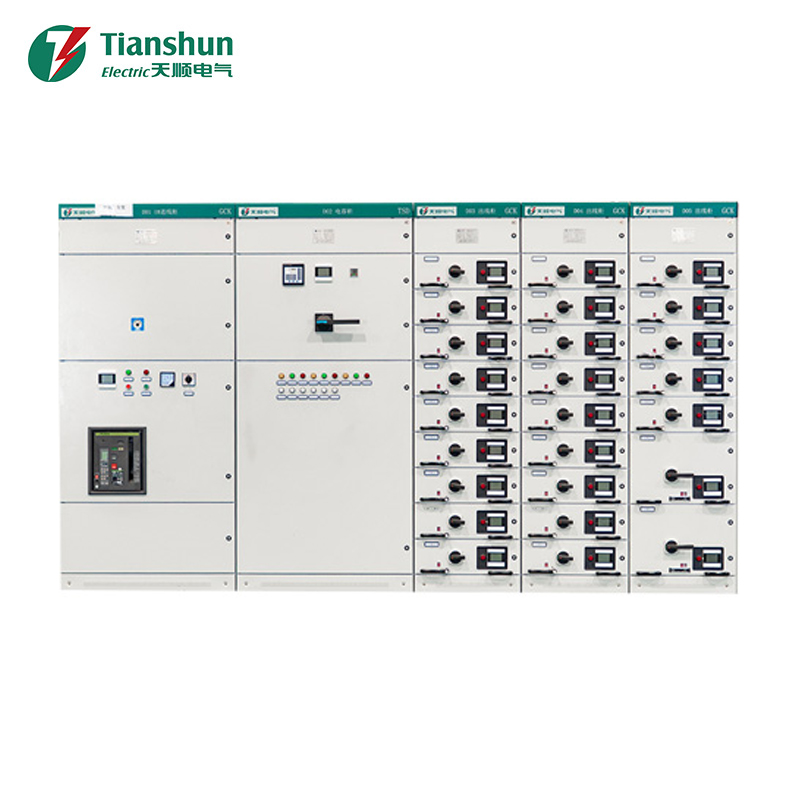
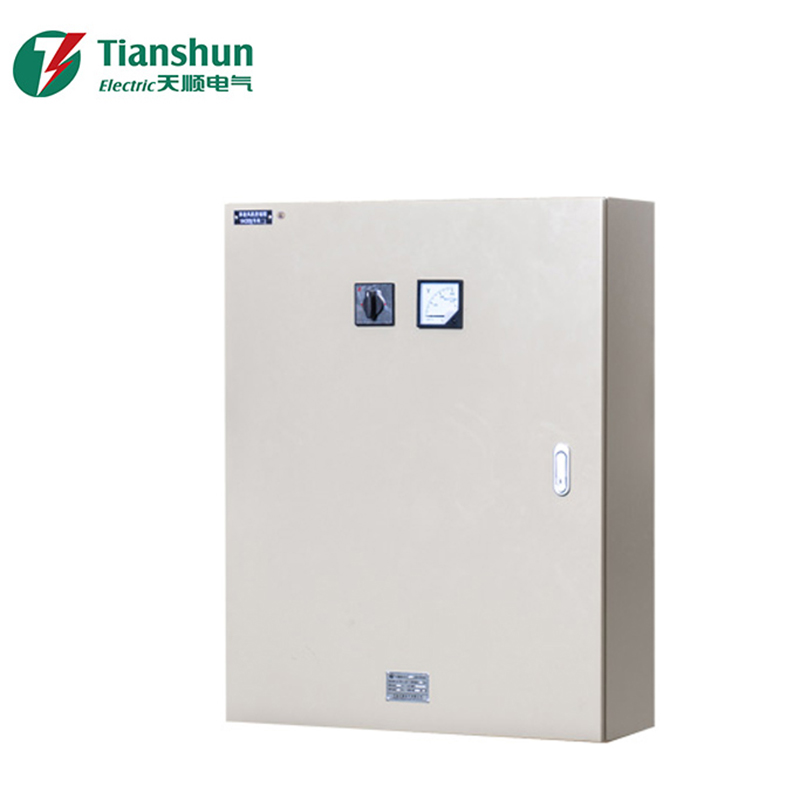
When a 110 kV circuit breaker fails to clear a fault, the consequences do not stay inside the substation fence. Downstream feeders lose supply, the disturbance propagates to neighboring lines, and the investigation eventually points back to equipment decisions made years earlier. In high voltage substations, the choice of switchgear, insulation technology, and protection philosophy determines whether a grid event remains local or becomes a regional disruption. For engineers and procurement teams, this is not theory.
This article covers what high voltage substations are, their main components, the AIS versus GIS trade-off, and the design and maintenance issues that decide reliability.
What Is a High Voltage Substation?
A high voltage substation connects different voltage levels of the power network. It transforms voltage, switches feeders, protects assets, and gives operators real-time visibility of the grid. In China, substations are typically classified by their highest voltage level: 35 kV, 110 kV, 220 kV, 330 kV, and 500 kV. Elsewhere, common levels include 66 kV, 132 kV, 150 kV, and 400 kV. The essential functions are the same at every level.
- Voltage transformation. Power transformers convert incoming energy to the voltage level required by the downstream network or the industrial consumer.
- Switching. Circuit breakers and disconnectors connect and disconnect feeders and isolate equipment so that maintenance crews can work safely.
- Protection. Relays measure currents and voltages continuously and trip breakers when a fault appears, isolating the defective section with minimal disruption.
- Control and supervision. SCADA and local control systems record breaker positions, load levels, and alarms, giving operators the information they need.
The boundary between transmission and distribution is not always obvious. If you are mapping your own network, our guide to high voltage distribution systems explains where the line is drawn and how the two networks interact.
Core Components Inside a High Voltage Substation
The specific layout changes with voltage level and application, but the same family of primary equipment appears in every high voltage substation.
Power Transformers
The transformer is the most expensive single asset in the substation. It transfers power between voltage levels and must withstand continuous loading plus repeated short-circuit stresses. Dry-type transformers are widely specified for indoor and fire-sensitive installations because they eliminate oil containment and reduce the risk of transformer fires.
High Voltage Switchgear
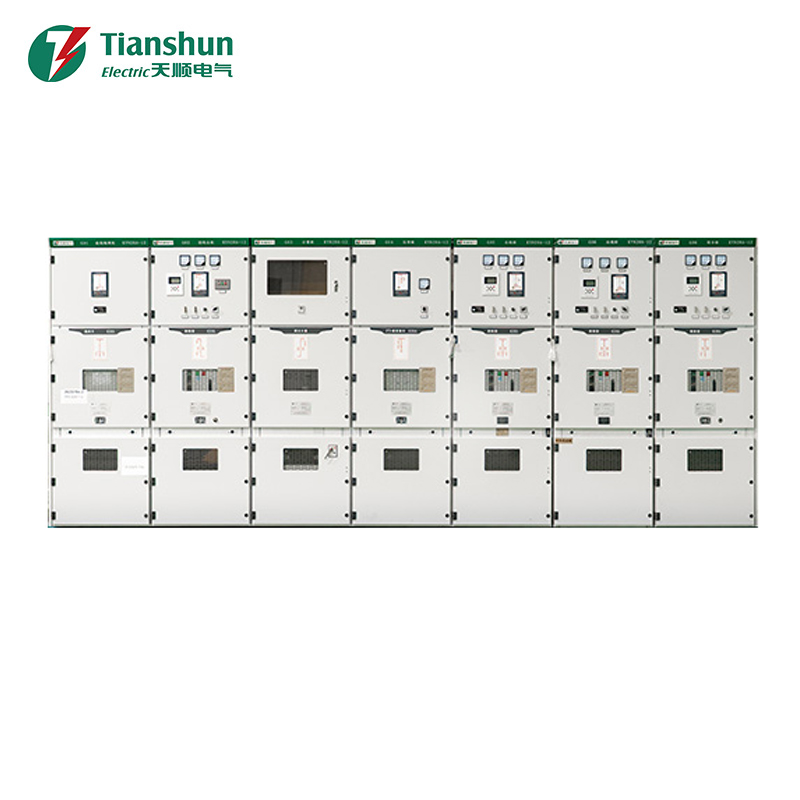
Switchgear includes circuit breakers, disconnectors, and earthing switches, together with their operating mechanisms and enclosures. Its duty is twofold: carry normal load current without overheating, and interrupt full fault current before it can damage other equipment. Air-insulated switchgear (AIS) and gas-insulated switchgear (GIS) are the two main technology families, and the choice between them shapes the entire substation layout.
In a typical industrial substation, the incoming HV level steps down to 12 kV or 40.5 kV for internal distribution. On the 12 kV side, utilities and industrial users often select withdrawable metal-clad switchgear because the breaker can be racked out for inspection without de-energizing the whole busbar. The KYN28A-12 is one of the most widely used configurations in this class, with a compact enclosure and proven type-test performance.
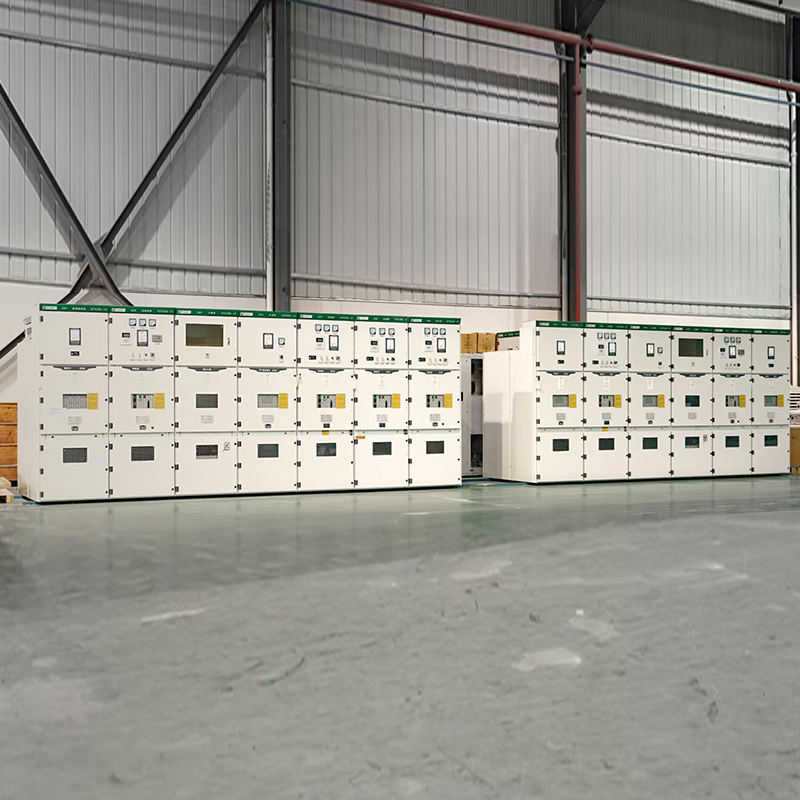 KYN28A-12 Withdrawable Metal-Clad Switchgear for 12 kV DistributionThis 12 kV indoor armored switchgear with a withdrawable breaker trolley is a proven choice for industrial substations, offering independent compartments, five-protection interlocks, and easy maintenance without de-energizing the busbar.View Product →
Instrument Transformers
Current transformers (CTs) and voltage transformers (VTs) scale primary currents and voltages down to the 1 A, 5 A, or 100 V levels that protection relays and meters require. The accuracy class and burden rating of these units are engineering decisions, and mismatches here are a frequent root cause of nuisance tripping.
Busbars, Insulators, and Connectors
Busbars distribute power between the incoming bay and the outgoing feeders. Porcelain or composite insulators maintain the phase-to-earth clearance, while connectors and clamps must handle thermal expansion, vibration, and fault-current forces without loosening.
Protection and Control Systems
Microprocessor-based relays, communication units, battery-backed DC supplies, and auxiliary panels form the secondary system. Protection relays detect overcurrent, differential, distance, and earth-fault conditions, then send trip commands to the breakers in milliseconds.
AIS vs GIS: How to Choose the Right Technology
The AIS versus GIS decision drives most other substation design parameters: site area, civil works, pollution resistance, maintenance strategy, and cost. The table below summarizes the practical differences.
Typical comparison between air-insulated and gas-insulated switchgear configurations for high voltage substations.
| Decision Factor |
Air-Insulated Switchgear (AIS) |
Gas-Insulated Switchgear (GIS) |
| Insulation medium |
Open air with ceramic insulators |
SF6 gas inside sealed metal enclosures |
| Required footprint |
Large; phase spacing and clearances dictate size |
Small; often one fifth to one tenth of an AIS layout |
| Maintenance access |
Live parts visible and accessible |
Sealed compartments; SF6 handling requires special procedures |
| Environmental tolerance |
Sensitive to salt, dust, and humidity |
Sealed enclosure resists corrosion and pollution |
| Typical project cost |
Lower initial cost where land is inexpensive |
Higher initial cost; competitive where land is scarce |
| Operational safety |
Depends on clearances and interlocking |
Inherently safer due to fully enclosed live parts |
For compact urban substations, offshore platforms, and coastal industrial zones, GIS is the standard solution because the sealed SF6 chambers protect contacts and busbars from salt, moisture, and airborne contaminants.
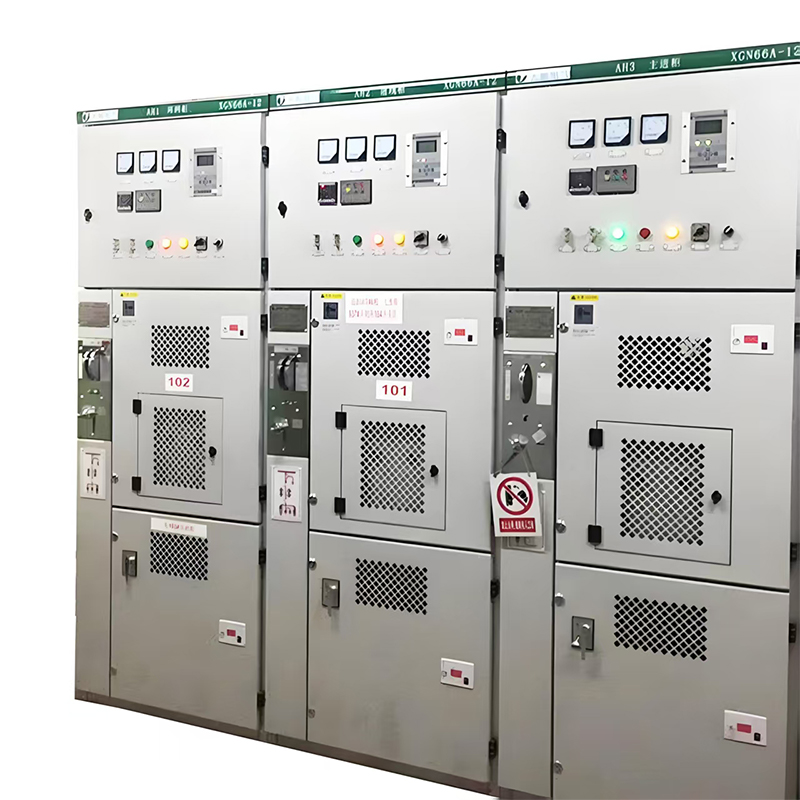
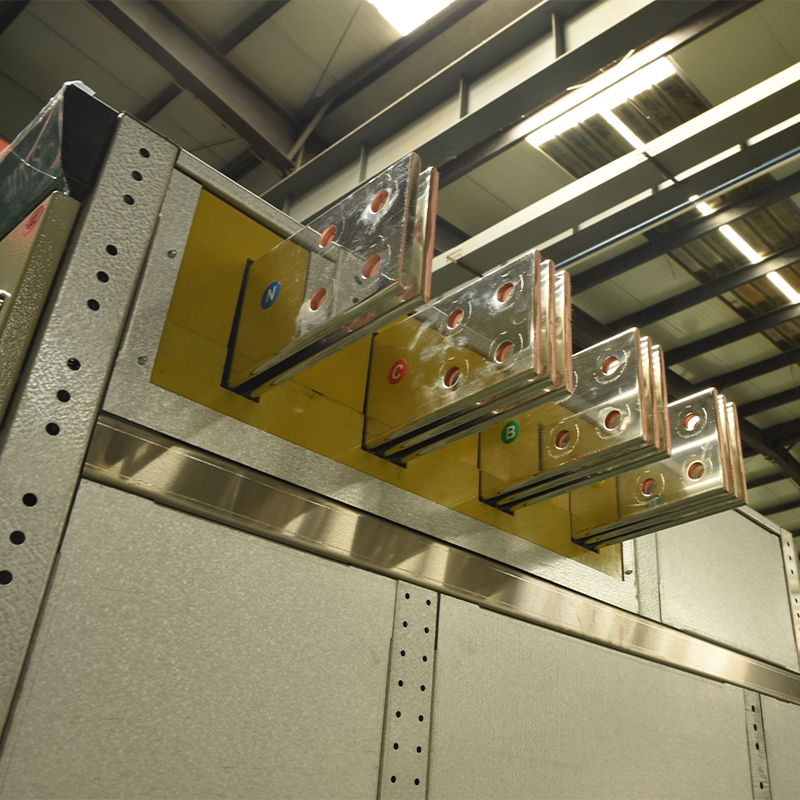 XGNT9-12 Compact Air-Insulated Fixed SwitchgearFor scenarios where space and cost are critical, this 12 kV fixed-type switchgear integrates isolation and earthing switches with a compact 500 mm width, making it a practical alternative to GIS in urban or retrofit projects.View Product →
AIS remains attractive for remote and rural sites where land cost is low and maintenance teams prefer to see every live part clearly. The two technologies are complementary rather than competing, and the right choice depends on site conditions rather than fashion.
Design and Engineering Considerations That Affect Reliability
The physical design of a high voltage substation is governed by standards and by the physics of insulation at high voltage. Five points deserve special attention during design review.
- Safety clearances. Phase-to-phase and phase-to-earth distances must comply with the insulation level specified for the site. Altitude reduces air insulation strength, so equipment installed at high elevation requires increased clearances or derated ratings.
- Earthing system. A low-impedance earth grid keeps touch and step voltages within safe limits and gives fault current a reliable return path. Copper conductors, earth rods, and interconnections all matter.
- Surge protection. Metal-oxide surge arresters at line entrances and on transformer terminals limit lightning and switching overvoltages. Without them, insulation ages rapidly and transformer failures become more likely.
- Ancillary power and redundancy. Protection, control, and breaker mechanisms rely on battery-backed DC supplies. If the DC system fails, the entire protection chain is blind.
- Busbar arrangement. A single busbar is simple and cheap, but a fault on the busbar affects the whole substation. Double busbar and one-and-a-half-breaker arrangements provide redundancy at higher cost and complexity.
Protection Philosophy, Safety, and Maintenance Realities
A high voltage substation operates quietly for most of its life. The moments that test it are the fault events, and the intervals that decide its condition are the maintenance windows.
Protection schemes divide the substation into overlapping zones so that no piece of primary equipment is left unprotected. Typical functions include transformer differential protection, distance protection for transmission lines, overcurrent protection for feeders, and busbar protection for the main bus. Selectivity ensures that the minimum number of breakers trips for a fault, so healthy feeders continue supplying load.
Common Switchgear Failure Modes
- Contact erosion from repeated interruption of load or fault current
- Insulation degradation caused by pollution, moisture, or material aging
- SF6 gas leakage and moisture ingress in GIS, which lower dielectric strength
- Operating mechanism failures, such as worn latches, jammed linkages, or failing springs
- Secondary circuit faults, including loose wiring, failed auxiliary relays, and DC supply interruptions
A maintenance program based only on primary equipment will miss a large share of real failure causes. Effective programs combine the following:
Maintenance Tasks That Matter Most
- Infrared thermography on connections, busbars, and cable terminations
- Contact resistance measurement on circuit breaker poles
- SF6 gas pressure and dew point checks on GIS compartments
- Mechanical timing tests for each breaker operation
- Inspection and re-torqueing of control wiring and terminal blocks
What to Look for in a High Voltage Switchgear Supplier
Switchgear installed in a high voltage substation is expected to operate for 25 to 30 years under continuous load, occasional short circuits, and whatever weather the site delivers. Evaluating a manufacturer therefore needs more evidence than a catalogue.
- Certifications and type tests. CCC and ISO 9001 certification confirm that a manufacturer maintains a quality management system. Independent type test reports prove that the specific switchgear model has passed breaking capacity, making capacity, and internal arc tests.
- Engineering depth. A supplier whose engineers have spent decades in the industry can advise on layout, protection coordination, and installation constraints rather than simply quoting prices.
- Lifecycle support. Commissioning assistance, spare parts availability, and fault response are as important as the hardware itself.
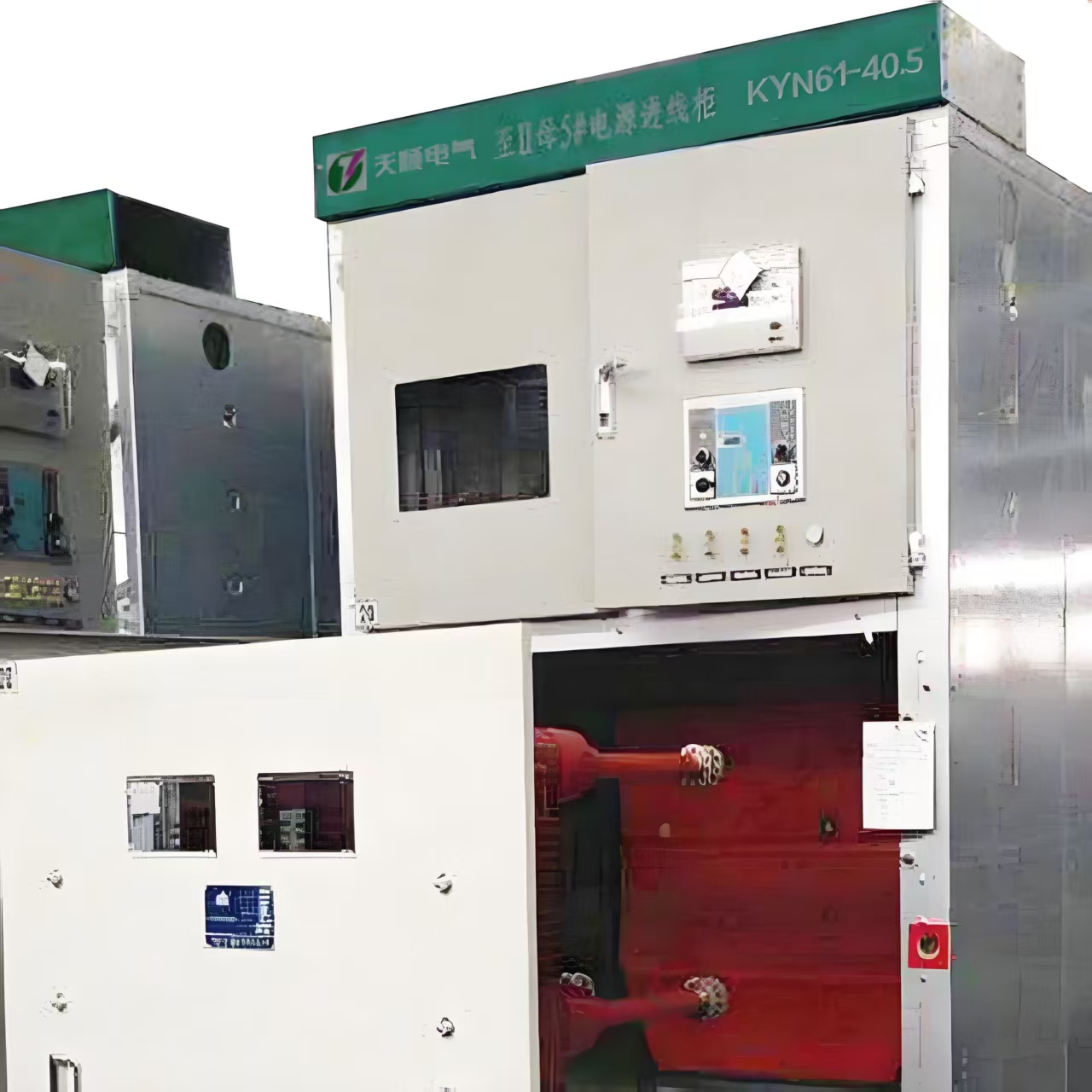
Ningbo Tianshun Electric has built its business exclusively around power transmission and distribution equipment. The team, from leadership to technical staff, averages more than 20 years of industry experience. Its switchgear range covers KYN28A-12 metal-clad switchgear for 12 kV networks, KYN61-40.5 withdrawable switchgear for 40.5 kV systems, gas-insulated switchgear for compact installations, and prefabricated box-type substations for packaged distribution solutions.
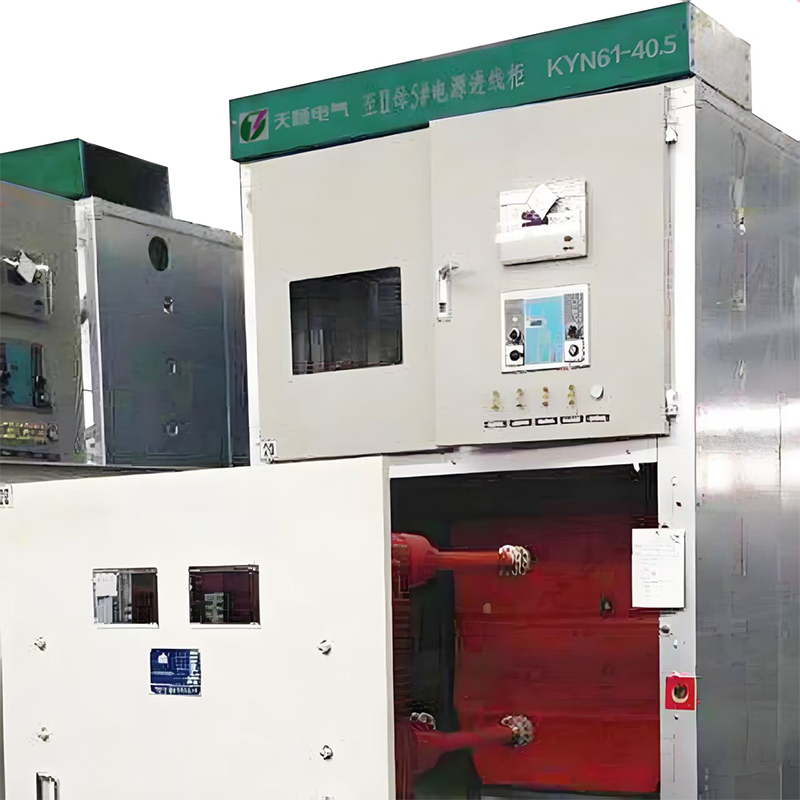 KYN61-40.5 Withdrawable Metal-Clad Switchgear for 35 kV SystemsThis 40.5 kV armored switchgear is built for high short-circuit conditions with a withdrawable vacuum breaker trolley, making it suitable for 35 kV substations, industrial plants, and renewable energy booster stations.View Product →
If you are specifying switchgear for a new substation or replacing aging panels, a conversation with an experienced manufacturer can help you avoid the common mistakes described above. Our engineering team provides installation guidance, commissioning support, and fault handling after delivery. Contact us with your project parameters and we will support the technical evaluation.
Conclusion
A high voltage substation is not a single asset but a system of interdependent choices. Voltage levels set the equipment ratings. Busbar arrangement sets the availability under faults. AIS or GIS sets the footprint and maintenance strategy. Switchgear quality determines whether the protection philosophy can actually be executed. When these elements are aligned, the substation operates quietly for decades. When they are not, every fault becomes an emergency. Understanding these components and trade-offs gives you the basis to specify, operate, and maintain a substation with confidence.



 English
 中文简体
中文简体 Español
 عربى
عربى