

 English
 中文简体
中文简体 Español
 عربى
عربىThe Direct Answer To How Much Voltage Is In Power Lines
Power lines carry voltage that ranges from as low as 120 volts inside a home to as high as 765,000 volts on the largest long distance transmission towers. The exact number depends entirely on which stage of the grid the line belongs to. Transmission lines that move electricity from a power plant across a region typically carry between 69,000 and 765,000 volts, while distribution lines that bring power into neighborhoods usually carry between 4,000 and 35,000 volts. Once power reaches a building, transformers step the voltage down further to the 120 or 240 volts used by household outlets.
This wide range exists because voltage is chosen based on distance, load, and cost. Higher voltage allows electricity to travel further with less energy loss, while lower voltage is safer and more practical for daily use inside homes and businesses.
Voltage Levels Across The Grid
The table below breaks down typical voltage ranges at each stage of the electrical grid, based on common utility engineering standards used across North America and much of Asia and Europe.
| Grid Segment | Typical Voltage Range | Common Use |
|---|---|---|
| Generation Output | 11,000 to 25,000 volts | Voltage produced directly at the power plant |
| Bulk Transmission Lines | 230,000 to 765,000 volts | Long distance movement across states or regions |
| Sub-Transmission Lines | 69,000 to 138,000 volts | Moving power to local substations |
| Primary Distribution Lines | 4,000 to 35,000 volts | Feeding neighborhoods and commercial areas |
| Secondary Distribution Lines | 120 to 480 volts | Direct connection to homes and small buildings |
Transmission Lines Versus Distribution Lines
What Sets Them Apart
Transmission lines and distribution lines look different and serve different jobs. Transmission lines run on tall steel lattice towers, often exceeding 100 feet in height, and carry electricity across long stretches of open land. Distribution lines run on shorter wooden or concrete poles found along streets, and they carry electricity the final few miles to homes and businesses.
- Transmission lines minimize energy loss over long distances by using very high voltage
- Distribution lines operate at a lower voltage since they cover shorter distances within a city or town
- Transmission towers are usually spaced hundreds of feet apart with wide clearance below
- Distribution poles are spaced much closer together and are far more common in residential areas
The Role Of High-Voltage Distribution Equipment
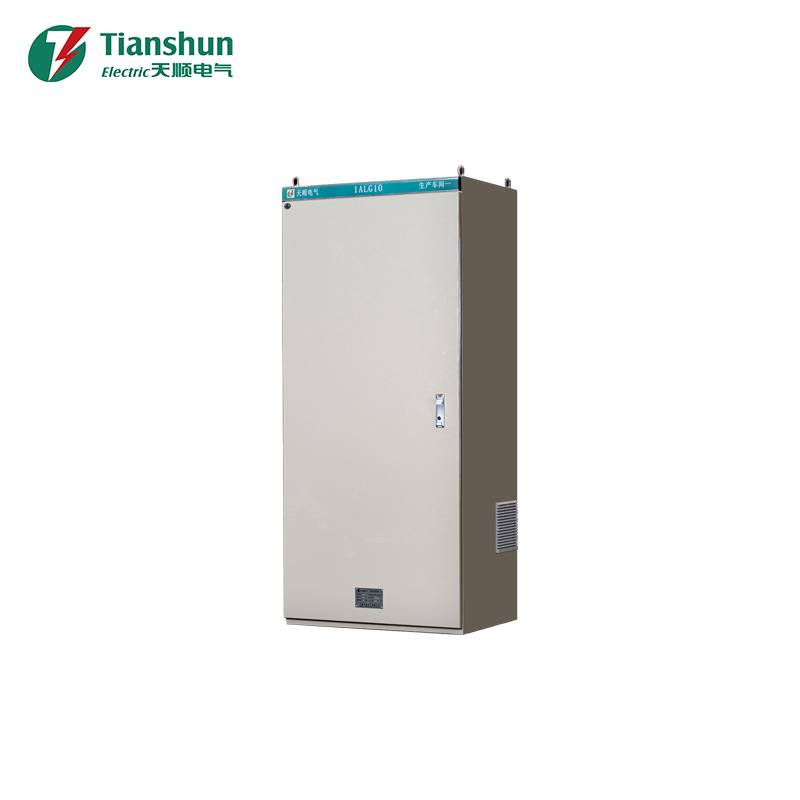
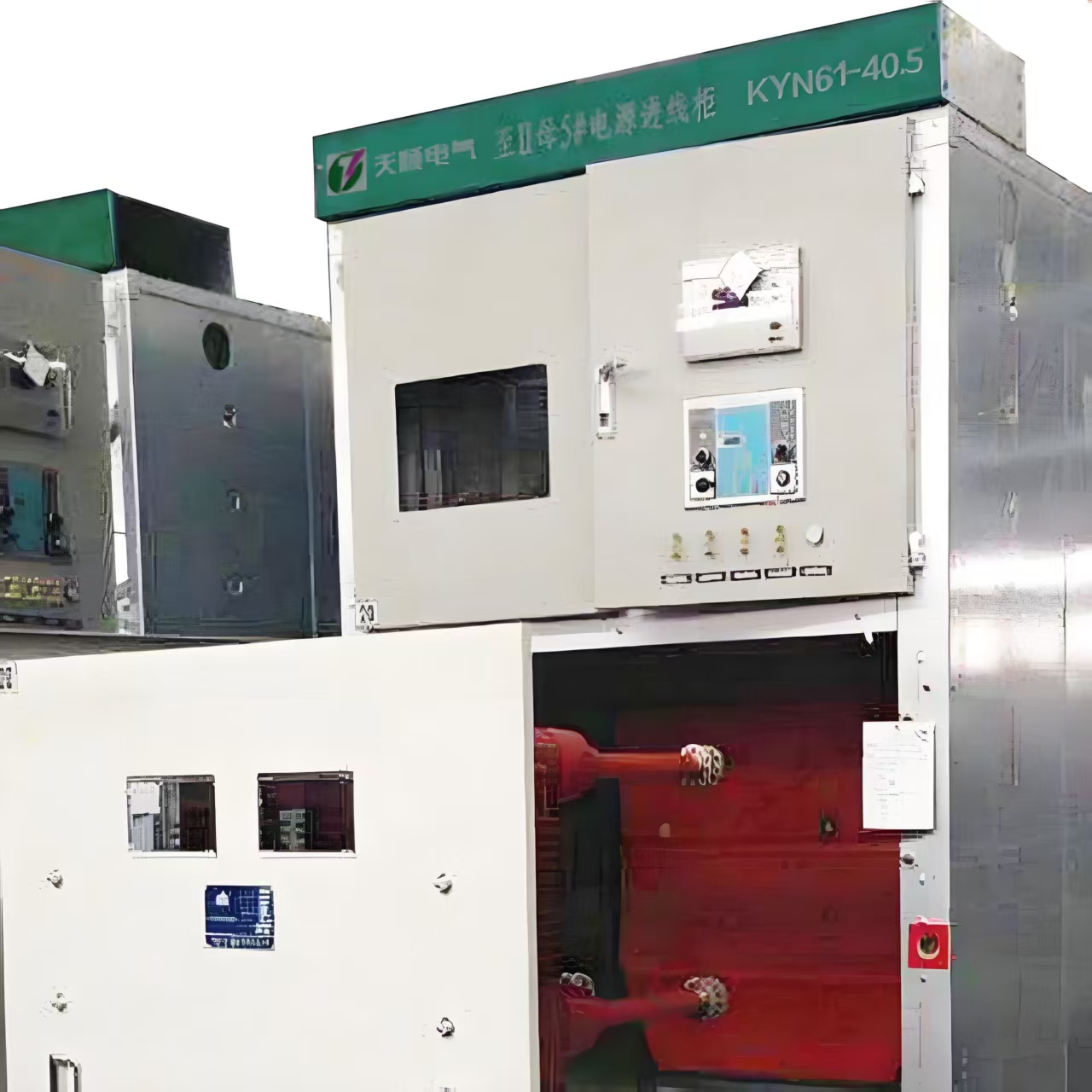
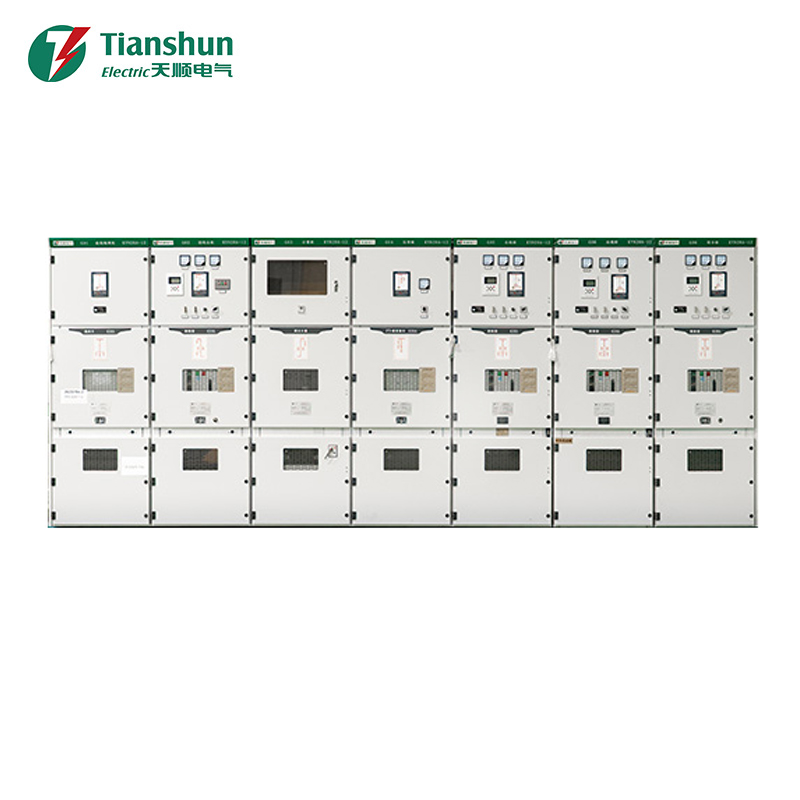
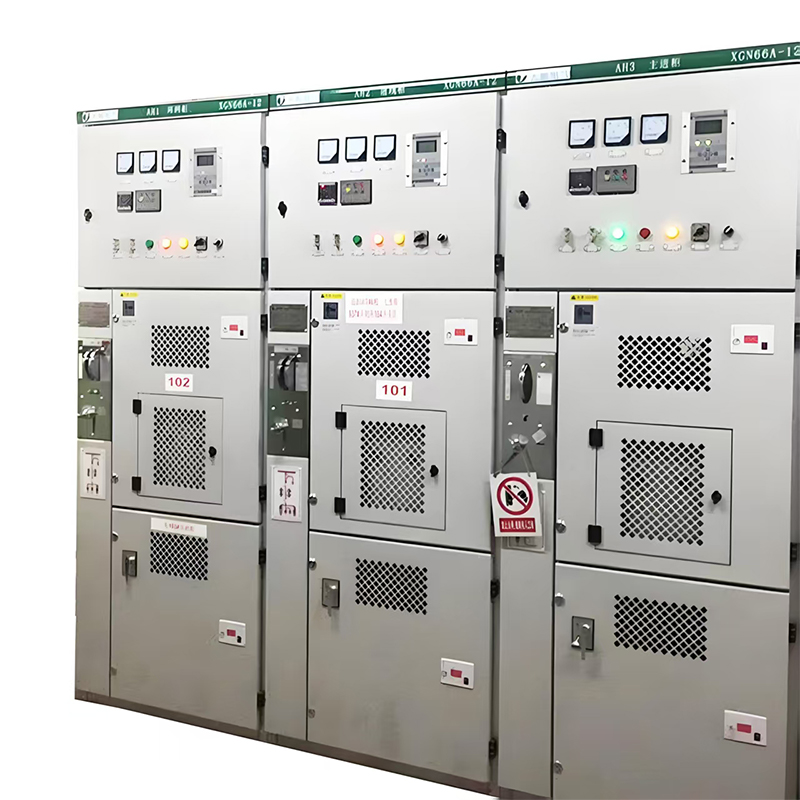
Before electricity reaches a home, it passes through several pieces of High-Voltage Distribution Equipment that manage the transition from transmission level voltage down to a level that homes and businesses can safely use. This equipment forms the backbone of the local grid and includes the following components.
Step-Down Substations
Substations reduce transmission voltage down to distribution voltage, often bringing hundreds of thousands of volts down to a range near 12,000 volts.
Distribution Transformers
Mounted on poles or placed on pads at ground level, these units make the final reduction from primary distribution voltage down to the 120 or 240 volts used indoors.
Reclosers And Switches
These devices detect faults on the line and interrupt power automatically, then attempt to restore it, reducing how long an outage lasts.
Voltage Regulators
Placed along longer distribution feeders, regulators keep voltage steady as demand rises and falls throughout the day.
Factors That Determine How Much Voltage A Line Carries
Distance Traveled
The farther electricity needs to travel, the higher the voltage tends to be. Moving power over hundreds of miles at low voltage would waste enormous amounts of energy as heat, so utilities raise voltage for long stretches and lower it again closer to the point of use.
Population And Load Density
Areas with dense populations and heavy commercial or industrial demand often use higher distribution voltages, such as 25,000 or 35,000 volts, compared to lighter residential areas that may use 4,000 to 13,000 volts.
Local Utility Standards
Every utility company sets its own preferred voltage classes based on its equipment history, regional terrain, and cost planning. This is why voltage on a distribution line in one city can differ from a nearby city even though both feel similar to residents.
The Path Voltage Takes From Plant To Plug
- Electricity leaves the power plant at roughly 11,000 to 25,000 volts
- A step-up transformer raises it to transmission level, often 230,000 volts or higher
- The line travels across the region toward a regional substation
- A step-down substation lowers voltage to sub-transmission level, near 69,000 to 138,000 volts
- A local substation reduces it further to primary distribution voltage, typically 4,000 to 35,000 volts
- A pole mounted or pad mounted transformer makes the final drop to 120 or 240 volts for indoor use
Why Voltage Level Affects Safety Distance
Higher voltage lines require more clearance from buildings, trees, and people because the risk of arcing increases as voltage rises. A line carrying 500,000 volts can arc across several feet of open air without direct contact, while a low voltage service line poses far less risk from a short distance away.
| Voltage Class | Typical Minimum Clearance |
|---|---|
| Under 50,000 volts | About 10 feet |
| 50,000 to 200,000 volts | About 15 feet |
| 200,000 to 350,000 volts | About 20 feet |
| Above 350,000 volts | 25 feet or more |
These figures are general guidance rather than fixed rules, since exact clearance depends on the equipment, the surrounding terrain, and local utility practice.
Frequently Asked Questions About Power Line Voltage
How much voltage is in a normal neighborhood power line
Most residential distribution lines running along streets carry between 4,000 and 13,000 volts, with 12,000 volts being one of the most common levels used by utilities.
How much voltage is in the big towers along the highway
Tall steel lattice towers usually carry bulk transmission voltage, which commonly falls between 230,000 and 500,000 volts, though some major corridors reach 765,000 volts.
How does voltage get lowered before it reaches a house
A small transformer, either mounted on a nearby pole or placed on a pad near the ground, makes the final reduction from distribution voltage down to the 120 or 240 volts used by household circuits.
Is a higher voltage line always more dangerous
Higher voltage generally increases the risk of arcing across open air, which is why clearance distances grow with voltage. Even lower voltage lines remain hazardous with direct contact, so all power lines deserve caution regardless of their voltage class.
Why do some distribution lines carry higher voltage than others
Utilities select distribution voltage based on how much load an area needs and how far the line must travel. Areas with heavier demand often use 25,000 or 35,000 volts, while lighter residential areas may stay near 4,000 to 13,000 volts.