

 English
 中文简体
中文简体 Español
 عربى
عربى
What is a dry type transformer?
Admin 2026-08-28Content
- 1 What Is a Dry-Type Transformer?
- 2 How a Dry-Type Transformer Works
- 3 Main Types of Dry-Type Transformers
- 4 Dry-Type Transformer vs Oil-Immersed Transformer
- 5 Key Advantages of Dry-Type Transformers
- 6 Typical Applications and Industries
- 7 Technical Specifications and Standards
- 8 Installation, Maintenance and Safety Tips
- 9 How to Choose the Right Dry-Type Transformer
What Is a Dry-Type Transformer?
A dry-type transformer is an electrical transformer that cools and insulates its windings using air, resin, or another non-liquid medium instead of oil. Unlike oil-immersed units, a dry type transformer does not require a liquid dielectric tank, making it inherently more fire-resistant and better suited for indoor, high-rise, and environmentally sensitive installations. In short, if a project needs a transformer that can be placed close to people without the risk of oil leakage or combustion, a dry-type transformer is almost always the correct choice.
Dry-type transformers step voltage up or down within power distribution systems, just like oil-filled units, but they achieve insulation through solid materials such as epoxy resin, varnish-impregnated paper, or simply ambient air combined with forced ventilation. This design difference drives nearly every advantage and limitation associated with the technology.
How a Dry-Type Transformer Works
The core operating principle of a dry-type transformer follows standard transformer physics: alternating current in the primary winding creates a changing magnetic field in the laminated steel core, which induces a corresponding voltage in the secondary winding. What sets a dry type transformer apart is how it manages the heat generated by this process.
Cooling Without Liquid
Instead of circulating oil, dry-type transformers rely on natural or forced air convection. Cooling air passes through ducts between winding layers, carrying heat away from the copper or aluminum conductors and dissipating it into the surrounding room or enclosure. Larger units often add fans (AF cooling class) to increase capacity by roughly 15-33% above their natural air rating.
Insulation Systems
Insulation is achieved with materials rated according to thermal classes such as Class F (155°C) or Class H (180°C). Higher insulation classes allow the transformer to run hotter without degrading, which directly affects overload capacity and expected service life.
Main Types of Dry-Type Transformers
Not every dry-type transformer is built the same way. The insulation and encapsulation method used for the windings defines the product category, its performance, and its ideal application.
| Type | Construction | Best Suited For |
|---|---|---|
| Cast Resin | Windings vacuum-cast in epoxy resin under high pressure | Hospitals, malls, high-rise buildings, subways |
| VPI (Vacuum Pressure Impregnated) | Windings impregnated with varnish under vacuum and cured | Industrial plants, moderate humidity areas |
| Open Wound / Ventilated | Windings insulated with varnish, cooled by open airflow | Dry indoor environments with controlled dust levels |
Comparison of the three most common dry-type transformer construction methods.
Among these, the cast resin dry-type transformer is the most widely specified for demanding environments because the solid epoxy block fully seals the windings against moisture, dust, and pollutants, which also makes it self-extinguishing in the rare event of an internal fault.
Dry-Type Transformer vs Oil-Immersed Transformer
Choosing between a dry-type transformer and an oil-immersed transformer usually comes down to location, fire code requirements, and budget. The table below summarizes the practical differences engineers weigh most often.
| Factor | Dry-Type Transformer | Oil-Immersed Transformer |
|---|---|---|
| Fire Risk | Low, self-extinguishing | Higher, requires fire barriers |
| Installation Location | Indoor, near occupied areas | Outdoor or dedicated vault |
| Maintenance | Minimal, no oil testing | Periodic oil sampling required |
| Environmental Impact | No leak or spill risk | Requires oil containment |
| Typical Efficiency | Slightly lower at partial load | Slightly higher at partial load |
General comparison; exact performance figures vary by manufacturer and design rating.
Key Advantages of Dry-Type Transformers
The growing preference for dry-type transformers in commercial and industrial construction is driven by several measurable benefits:
- Fire safety: No flammable oil means a dry-type transformer can be installed indoors without a fire-rated vault in many jurisdictions.
- Environmental protection: There is no oil to leak, so no soil or groundwater contamination risk near sensitive sites.
- Lower maintenance: Without oil, there is no need for dielectric testing, filtration, or leak inspections.
- Space efficiency: Dry-type units can typically be positioned closer to the load, shortening cable runs.
- Moisture and pollutant resistance: Cast resin models in particular tolerate humid or dusty industrial air.
Typical Applications and Industries
Because of their safety profile, dry-type transformers are the standard choice wherever people and equipment share close quarters with electrical infrastructure. Common applications include:
- Hospitals and healthcare facilities, where continuous, safe power is critical
- High-rise office buildings and shopping centers
- Airports, subway stations, and rail infrastructure
- Data centers requiring reliable, low-maintenance power conversion
- Renewable energy installations, including wind and solar step-up stations
- Manufacturing plants and industrial process facilities
Technical Specifications and Standards
Most dry-type transformers on the market are manufactured and tested according to internationally recognized standards, which define insulation class, temperature rise, and safety testing procedures.
| Parameter | Typical Range |
|---|---|
| Power Rating | 30 kVA to 20,000 kVA |
| Voltage Class | Up to 36 kV primary |
| Insulation Class | Class F (155°C) or Class H (180°C) |
| Applicable Standards | IEC 60076-11, IEEE C57.12.01 |
| Protection Degree | IP00 to IP54 (enclosure dependent) |
Reference ranges based on common industry practice; confirm exact figures with the manufacturer's datasheet.
Installation, Maintenance and Safety Tips
Installation Considerations
Even though a dry-type transformer avoids oil-related fire vault requirements, it still needs adequate clearance for airflow and heat dissipation. Manufacturers typically specify minimum clearances around ventilation openings, and enclosed units should be paired with properly sized ventilation fans or HVAC support in warm climates.
Ongoing Maintenance
Maintenance for a dry-type transformer is comparatively simple: periodic visual inspection, dust removal from cooling ducts, and insulation resistance testing every one to three years are usually sufficient. There is no oil sampling, no leak monitoring, and no risk of dielectric fluid degradation over time.
How to Choose the Right Dry-Type Transformer
Selecting the correct dry-type transformer depends on load size, voltage requirements, ambient conditions, and applicable fire or building codes. As a general guide:
- Choose cast resin models for indoor spaces with public access or strict fire codes
- Choose VPI models for industrial settings with moderate humidity and cost sensitivity
- Match the insulation class to the expected ambient temperature and load profile
- Confirm the enclosure protection rating (IP) suits the installation environment
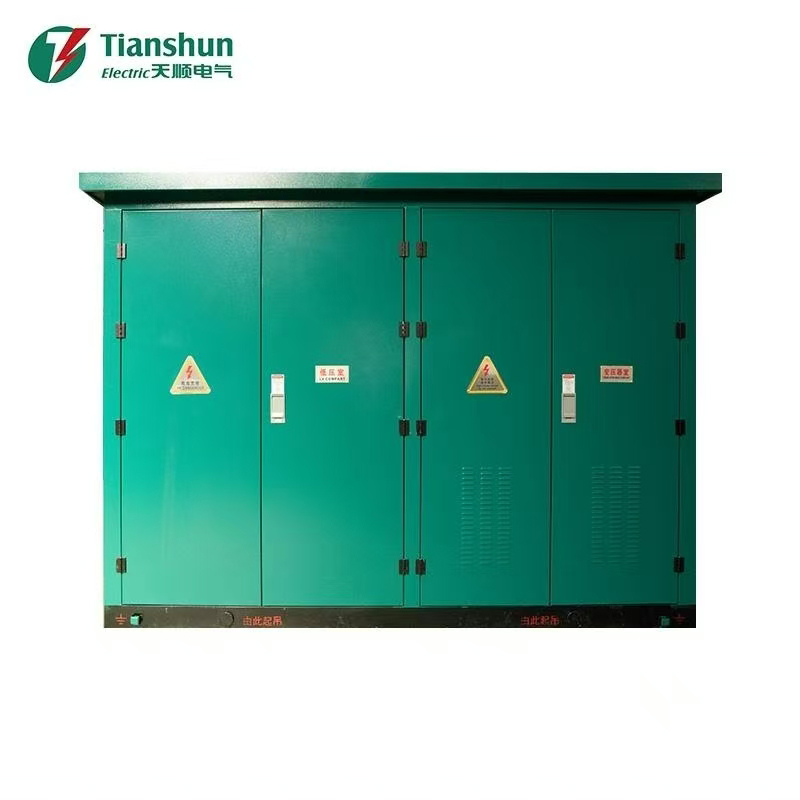
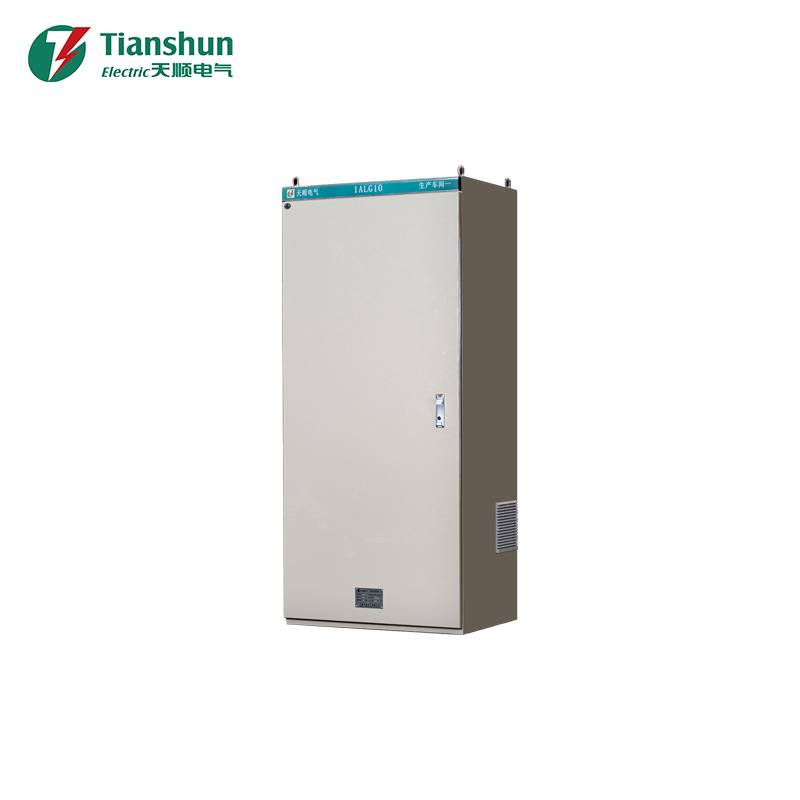
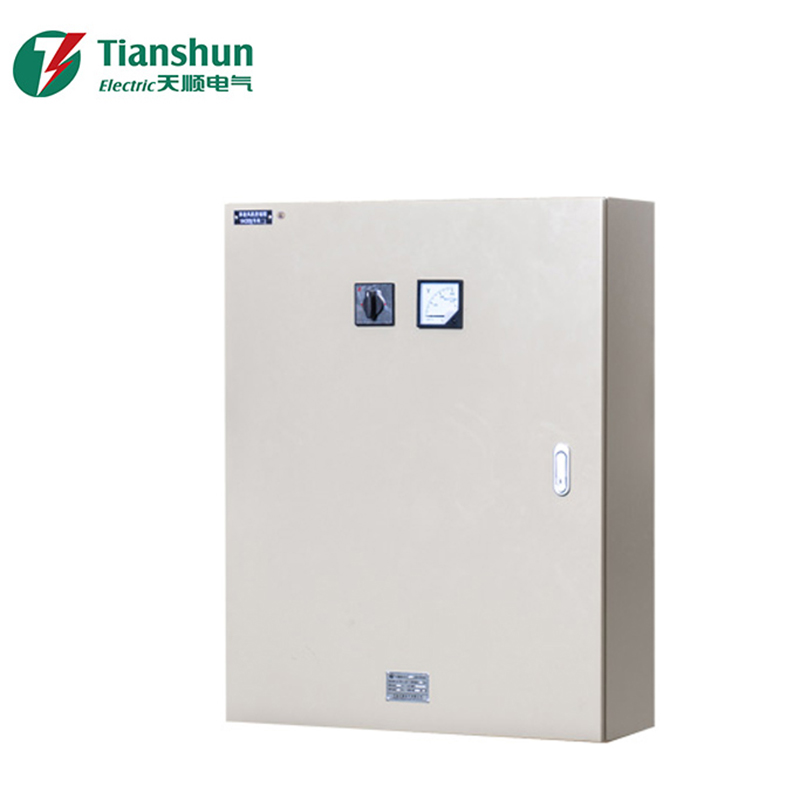
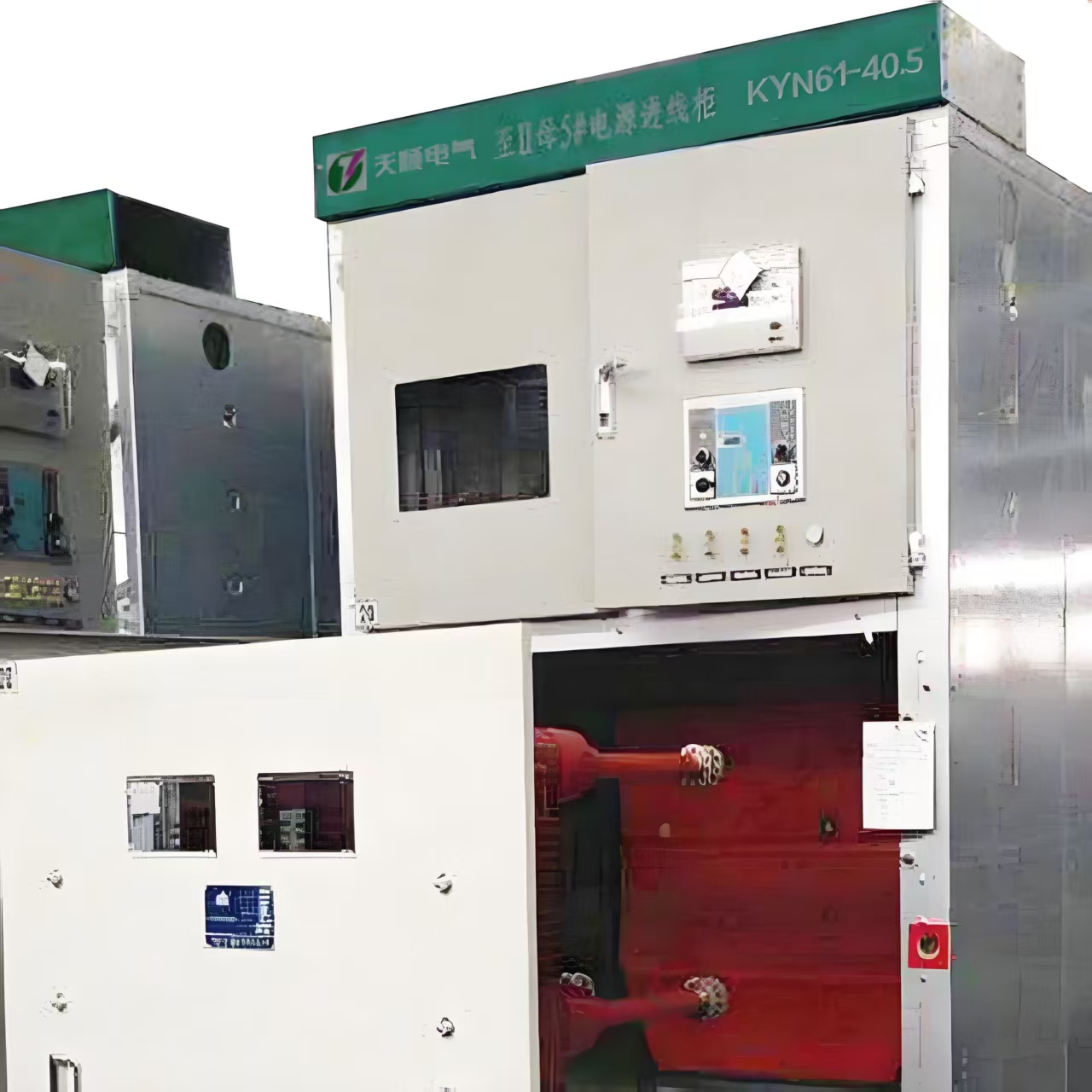
NB Tianshun manufactures a range of dry-type transformers engineered for reliability across commercial, industrial, and infrastructure projects. Reviewing the dry-type transformer product line can help engineers compare available power ratings, voltage classes, and enclosure options before finalizing a specification.
For exclusive deals and latest offers, sign up by entering your email address below.

-
Please feel free to contact us if needed!
Contact Us -
Quick Links
Home About Us Products Applications News Contact -
Contact Us
nbtsdq@163.com +86-15757467313 +86-574-65800646 No. 1, Jiuzhou Road, Xiangshan County, Ningbo City, Zhejiang Province, China -
Get Touch
